
Photos from current listings. Actual item, color, and included accessories may vary.
Digital Scale Buying Guide
A digital scale converts load into a digital readout; the core trade-off is between resolution (smallest readable increment) and capacity (maximum load) — precision and range are inversely related and cost rises steeply as you demand both. The decision rule: match resolution to your smallest measurement and capacity to your heaviest load, then confirm the load cell type and calibration method, because a scale rated finer than 1:10,000 of capacity without a certified load cell is a compromise, not a precision instrument.
Median $99.49
Key takeaways
- Resolution-to-capacity ratio defines class: 0.01 g on 1000 g (1:100,000) is analytical-grade; 0.1 g on 6000 g (1:60,000) is precision lab; 1 g on 300 kg is industrial hanging/crane scale territory.
- Strain-gauge load cells dominate bench, shipping, and crane scales; magnetic-force compensation or single-crystal electromagnetic force restoration is required for true analytical readability below 0.1 mg.
- Bench lab scales use 304 stainless steel platforms for chemical resistance; ABS/plastic housings are fine for dry goods but not for solvent or acid splash zones.
At a glance
- Category
- Lab Balances & Scales
- Last updated
- Nov 29, 2026
Current offers
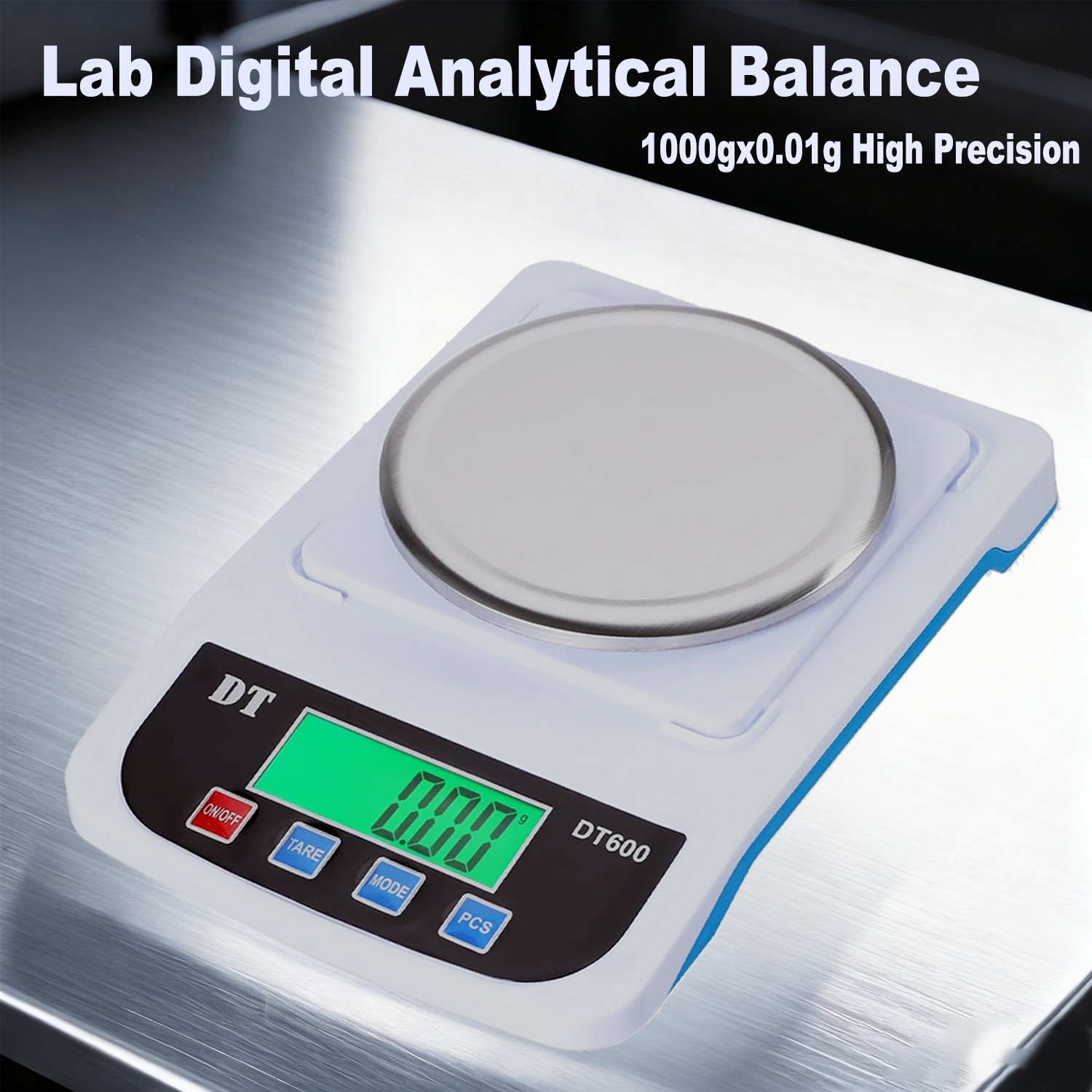 1000gx0.01g Analytical Balance Digital Lab Scale High Precision Electronic Scale$20.99View on eBay
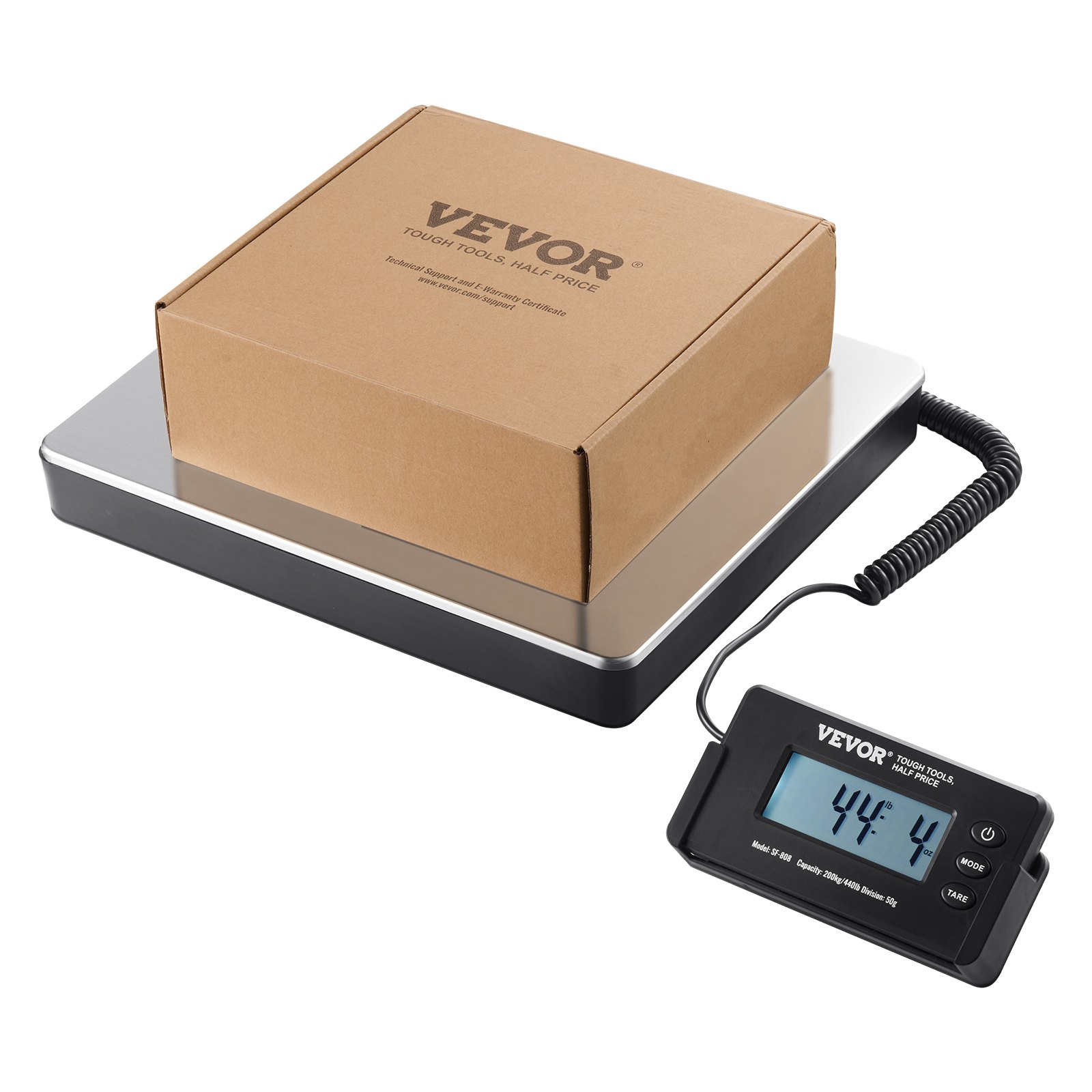 Digital Shipping Scale, 440 Lbs X 1.7 Oz. Heavy Duty Postal With Timer, Tare Function, HD LCD Screen Portable Package For Luggage, Home, Post Office, AC/DC Powered, FCC Listed$46.99View on Mallflare
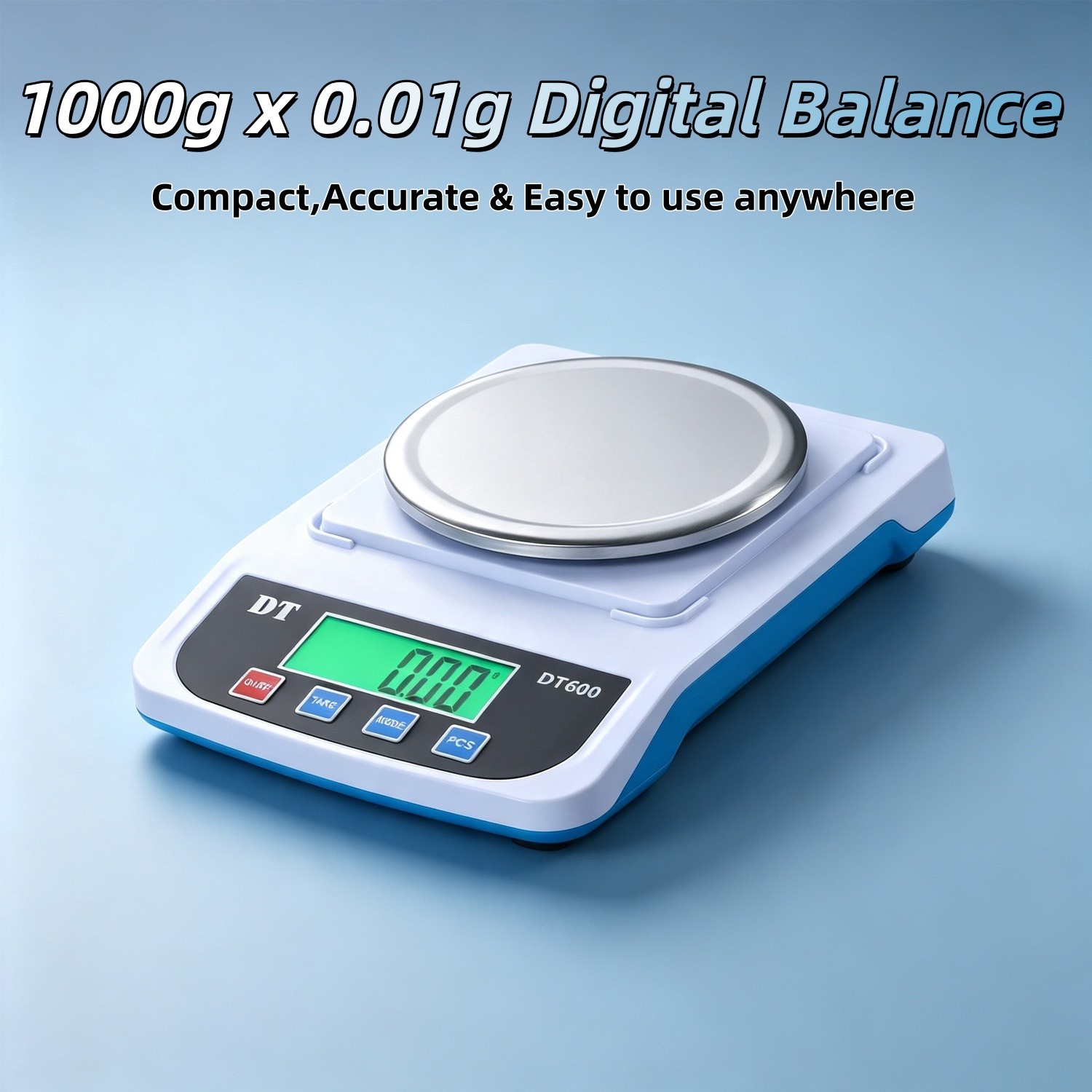 Pocket 1000g x 0.01g Digital Jewelry Gold Coin Gram Balance Weight Precise Scale$20.99View on eBay
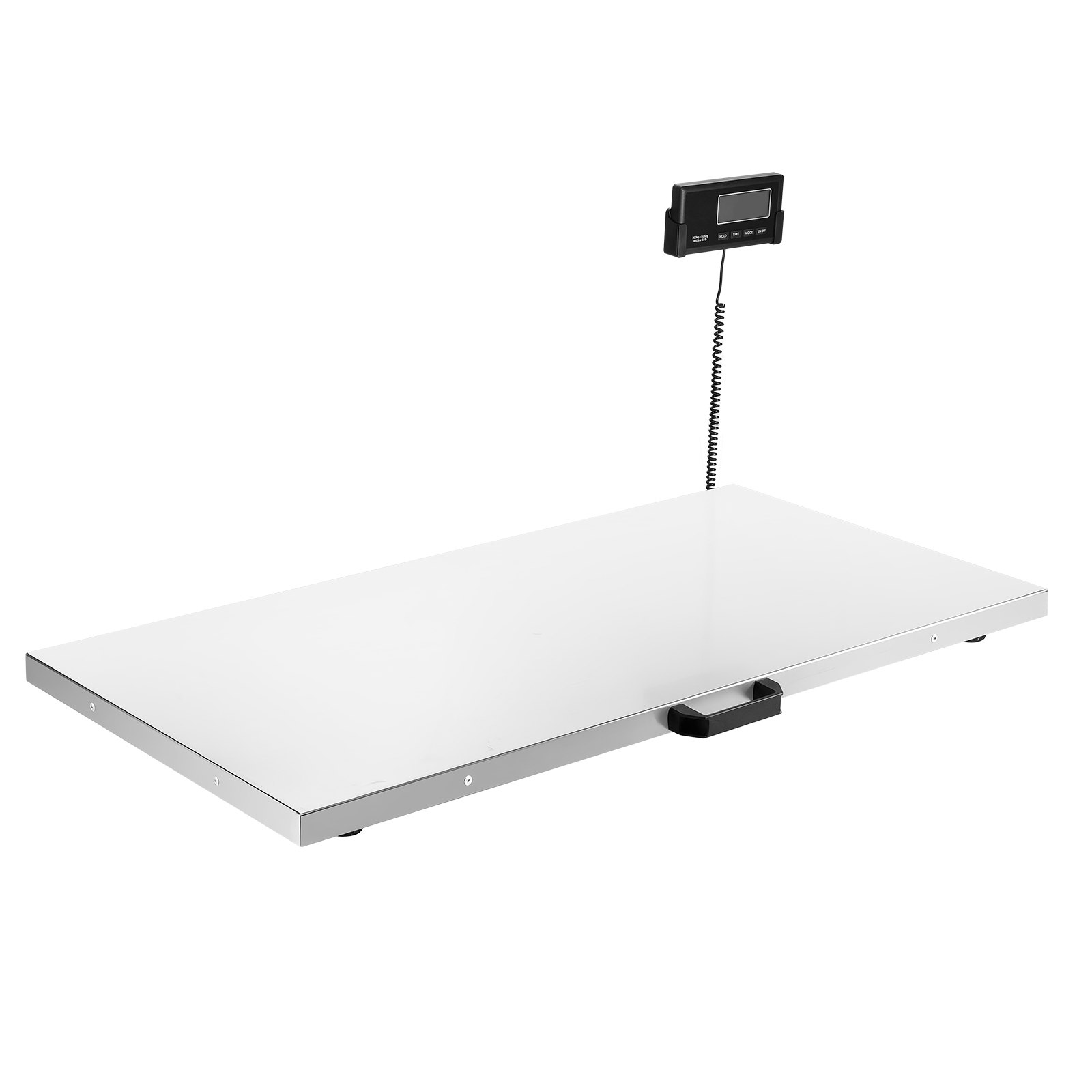 Digital Shipping Scale, 0.1 Lbs High Accuracy, 660 Lbs Postal With LCD Display, Hold/Tare Function & AC/DC Power Supply, Fit For Packages, Postage, Luggage, Battery & Adapter Included$135.99View on Mallflare
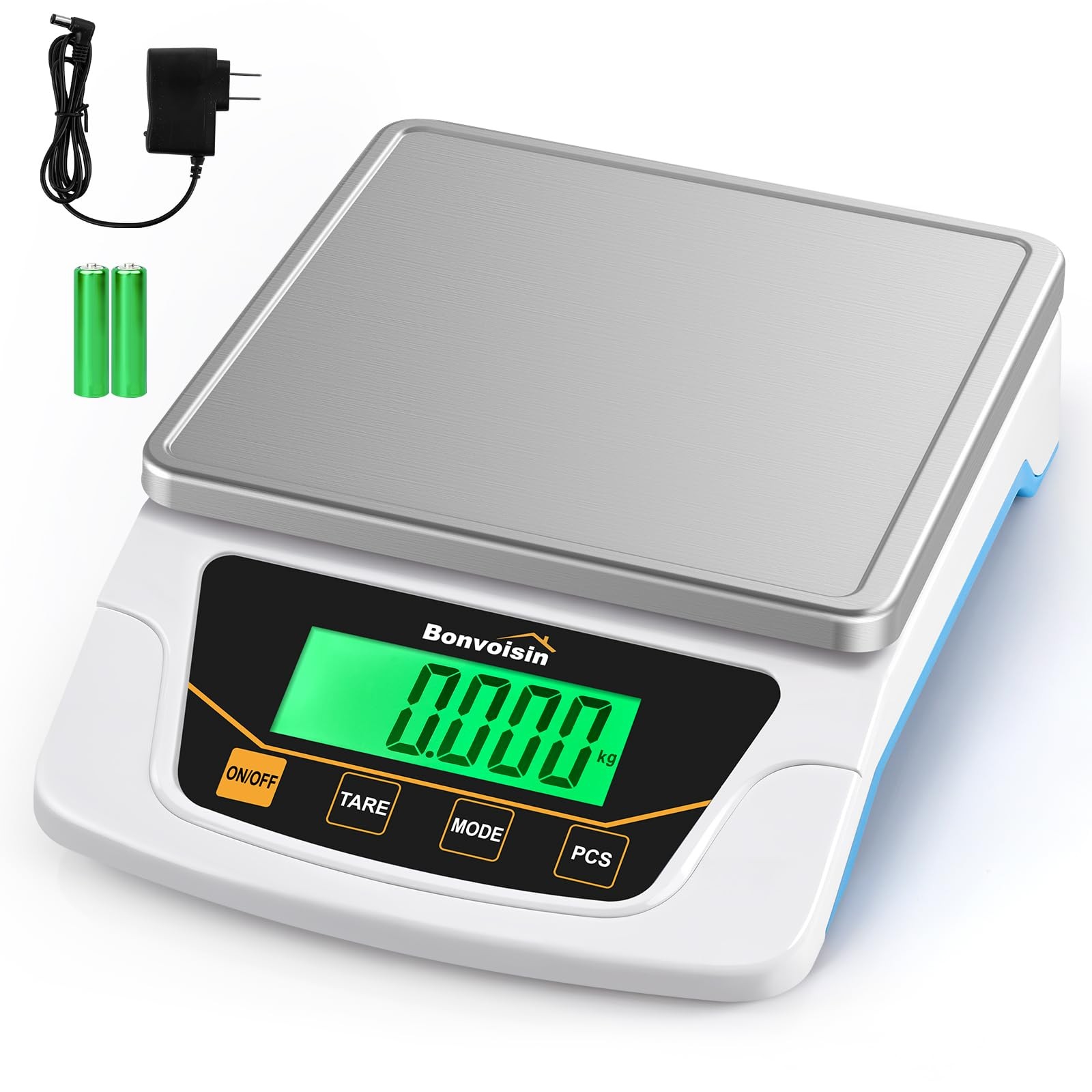 Digital Scale 0.1 Gram Accuracy Precision Lab Scale 6000g Scientific Digital ...$40.45View on eBay
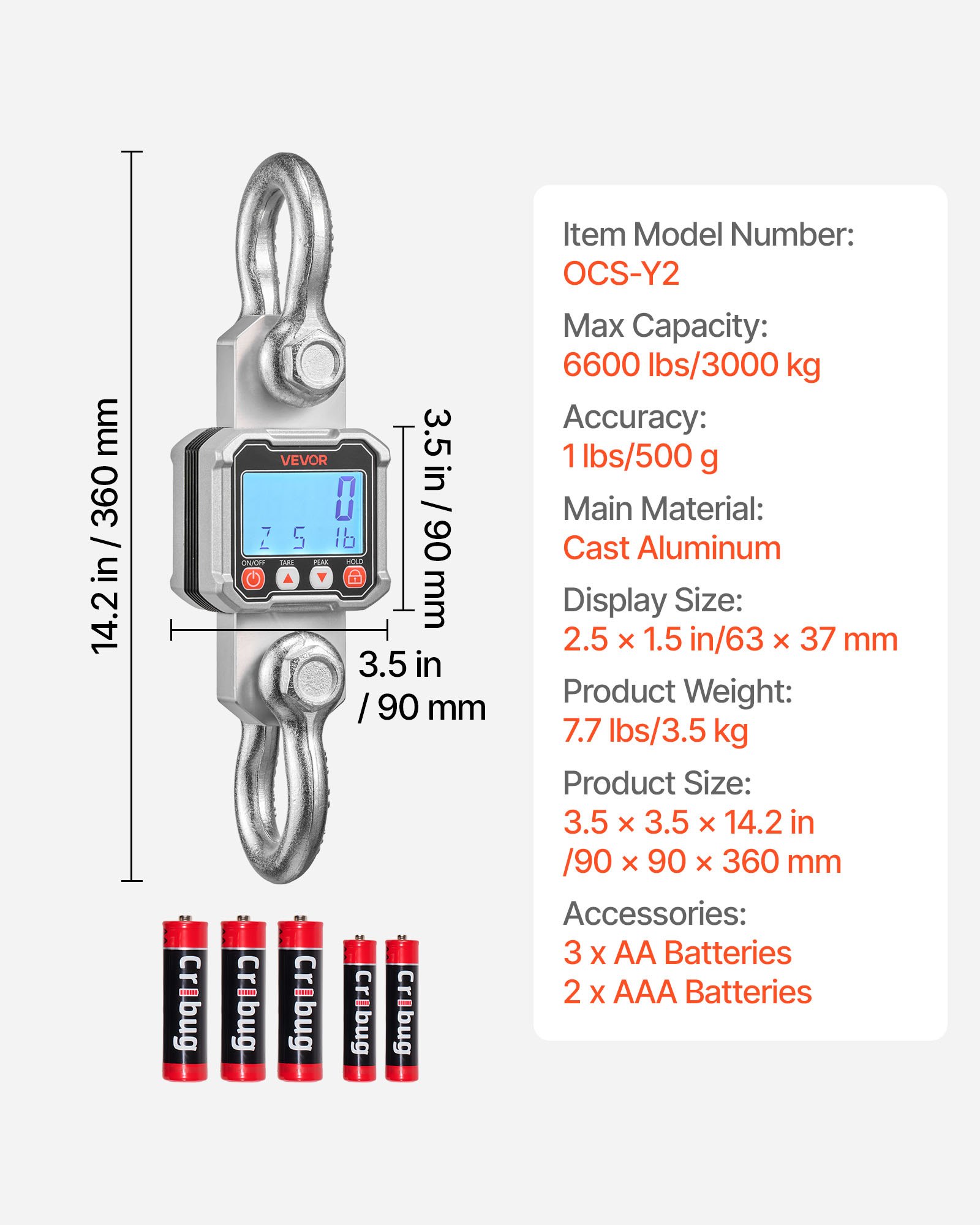 Digital Crane Scale, 6600 Lbs/3000 Kg Max Capacity, Heavy Duty Industrial Hanging With Cast Aluminum Case & LCD Display, 1 Lbs Division & 3 Unit Switch, Remote Control For Garage Factory$140.99View on Mallflare
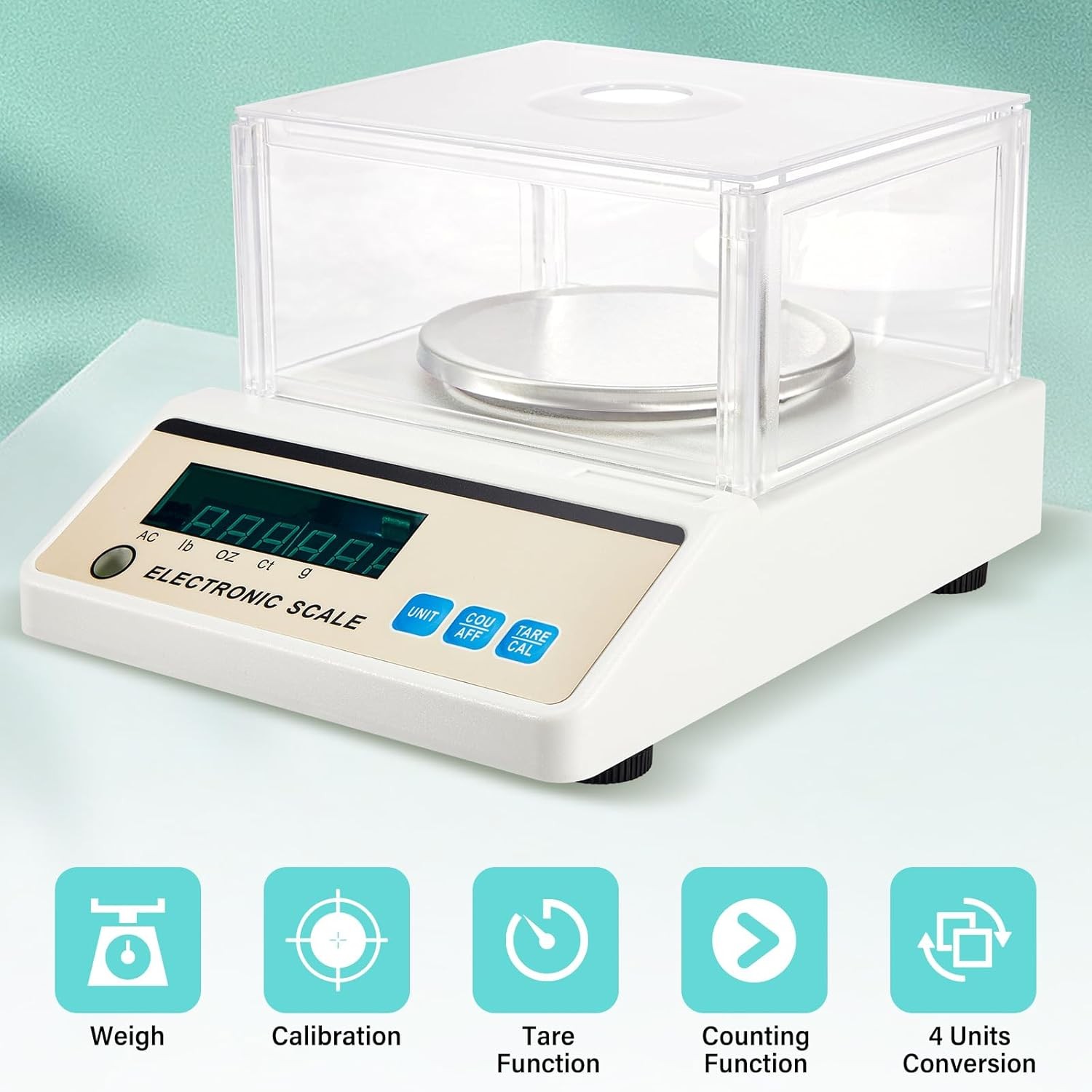 600g/1000g/3000gx0.01g Lab Scale Digital Analytical Balance Electronic Scale New$62.99Last checked Nov 27, 2026View on eBay
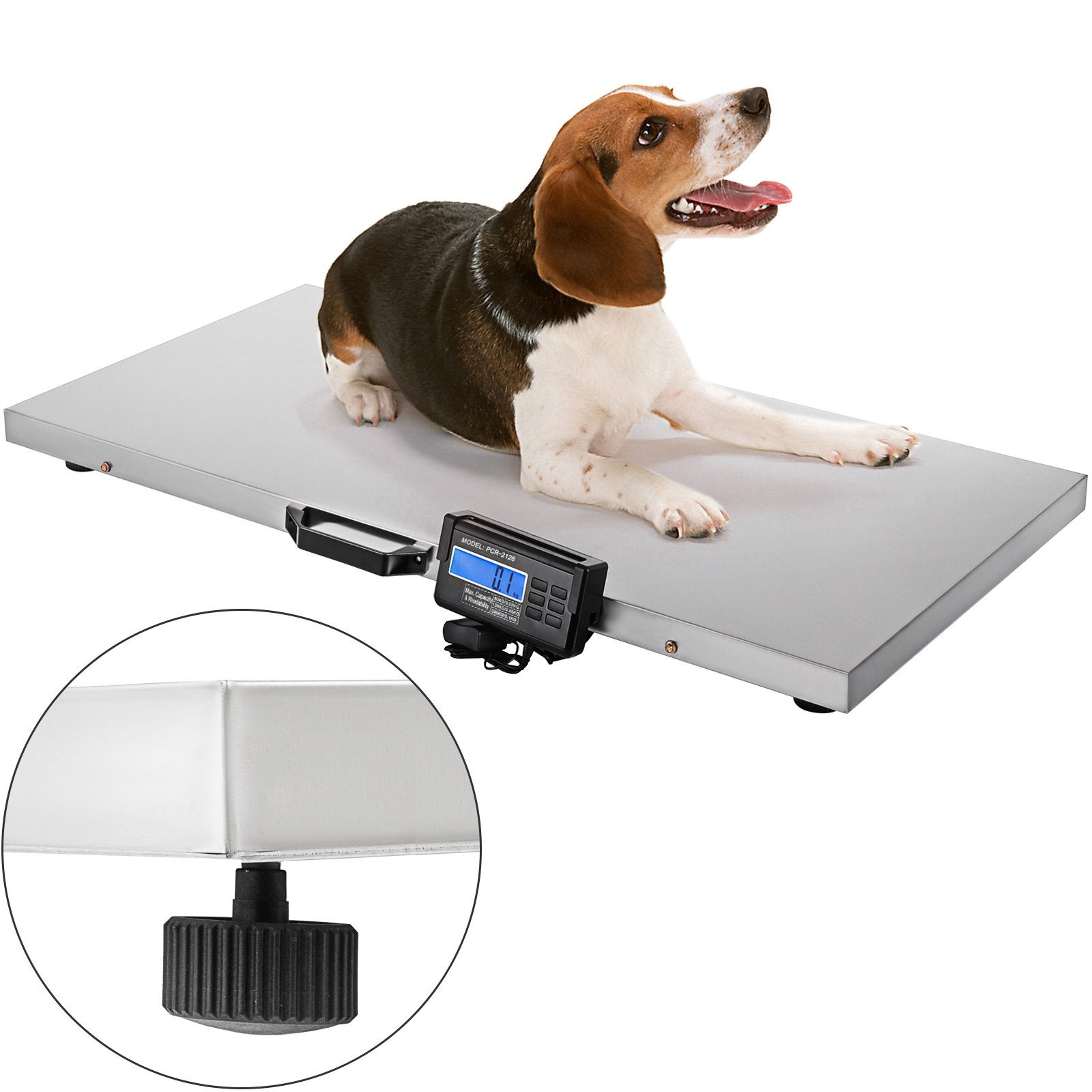 880Lbs X 0.2Lbs Livestock Scale Shipping Scales Large Platform 40.6x20.9Inch Stainless Steel Vet Industrial Floor Animal Dog Pig Goat Weight Pet Digital$182.99View on Mallflare
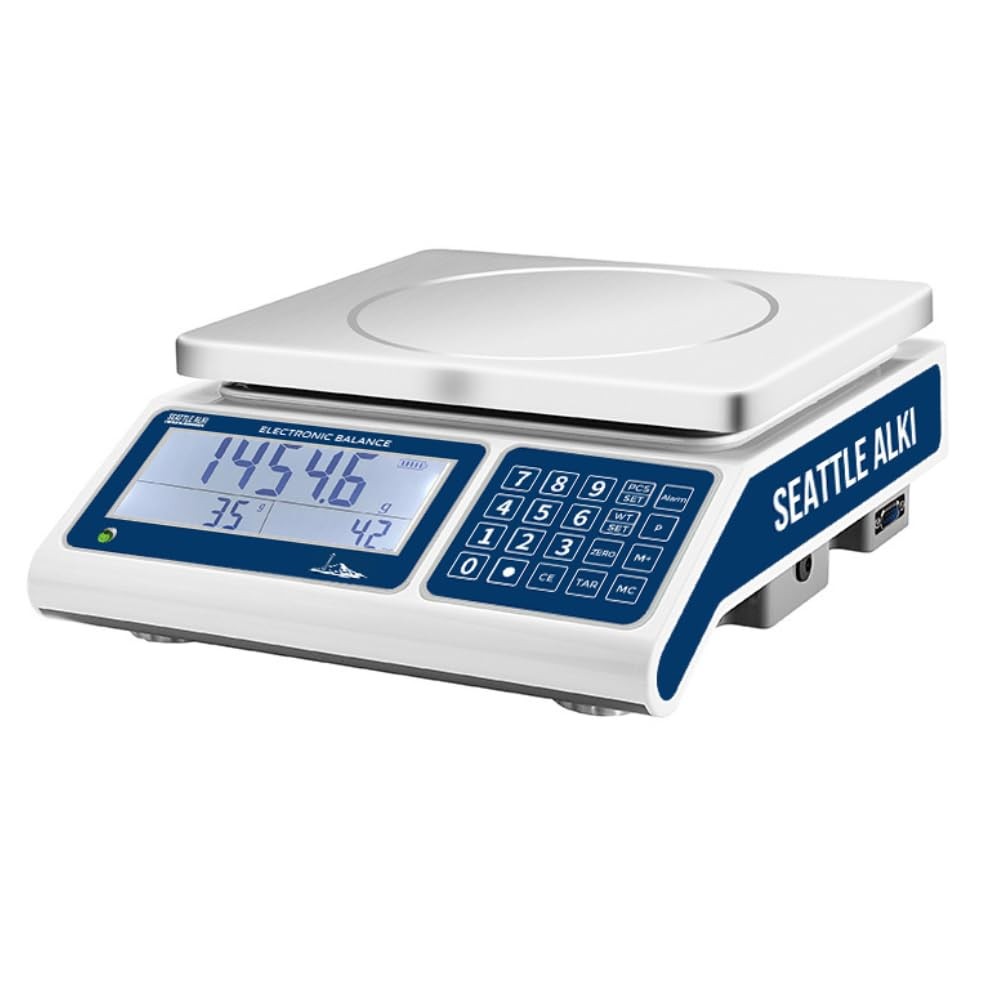 High Precision 30kg Digital Counting Scale | 0.5g Accuracy by Fristaden Lab$154.00Last checked Nov 27, 2026View on eBay
 Seattle Alki Scientific Industrial Counting Scale, Digital Balance with 30Kg Cap$242.91Last checked Nov 17, 2026View on eBay
Highlights
- Resolution-to-capacity ratio defines class: 0.01 g on 1000 g (1:100,000) is analytical-grade; 0.1 g on 6000 g (1:60,000) is precision lab; 1 g on 300 kg is industrial hanging/crane scale territory.
- Strain-gauge load cells dominate bench, shipping, and crane scales; magnetic-force compensation or single-crystal electromagnetic force restoration is required for true analytical readability below 0.1 mg.
- Bench lab scales use 304 stainless steel platforms for chemical resistance; ABS/plastic housings are fine for dry goods but not for solvent or acid splash zones.
- Crane and hanging scales specify cast aluminum or steel cases with shackle/hook ratings; the listed capacity is the maximum working load, and safe overhead use requires a rated safety factor above that figure.
Best use cases
- Pick a 0.01 g / 1000–3000 g bench scale for jewelry, coins, powder, and formulation work; skip 0.1 g / 6000 g models when your smallest sample is under 1 g, because rounding will dominate the reading.
- Pick a 0.1 g / 6000 g or 1 g / 30–50 kg platform scale for shipping, kitchen, and bulk inventory; skip analytical balances here — their draft shields and slow settling make them wrong for packages.
- Pick a 300–500 kg cast-aluminum crane scale with shackle and hook for overhead farm, garage, and freight weighing; skip bench scales entirely for suspended loads, since platform load cells are not rated for tension.
- Pick a pocket 1000 g x 0.01 g scale for field gem and coin checks; skip it for repeated daily lab use — no draft shield and limited calibration access make it a backup, not a primary instrument.
Buying tips
- Choose resolution as roughly 1/10,000 to 1/100,000 of capacity: 0.01 g on 1000 g, 0.1 g on 6000 g, 0.05 kg on 300 kg. Finer than that without a certified load cell is marketing, not metrology.
- Verify the linearity and repeatability specs, not just readability: a scale that reads 0.01 g but drifts ±0.05 g between readings cannot deliver 0.01 g accuracy.
- For shipping scales, match platform size to your largest box footprint and confirm a separate remote display if the platform will sit under oversized parcels.
- For crane scales, confirm the hook and shackle are forged steel rated to the stated capacity, and that the display is readable at the lifting distance (LED/LCD size matters more than resolution here).
Specs
| Resolution Class | 0.01 g / 0.1 g / 1 g / 0.05 kg |
|---|---|
| Capacity Range | 100 g to 500 kg by model |
| Load Cell Type | Strain gauge vs electromagnetic |
| Platform Material | 304 stainless / ABS plastic |
Related searches
What to check before buying
- Measure your bench or counter footprint and confirm the platform dimensions plus draft-shield clearance if buying an analytical balance.
- Confirm your power standard: most bench and analytical scales ship with AC adapters for 110–240 V; battery-only models need a defined battery type and expected runtime.
- Check the weighing environment: HVAC drafts, vibration, and direct sunlight degrade sub-0.1 g readings — plan a stable, level surface and allow warm-up time.
- For overhead use, verify the rigging point and confirm the crane scale's hook opening and shackle fit your existing chain or sling.
FAQ
Data sources: eBay / Amazon listings and product attribute feeds. Updated Nov 29, 2026.
Some links on this page are affiliate links. If you buy after clicking one, we may earn a commission at no extra cost to you. This does not change which products appear here or their order. Affiliate disclosure.