
Photos from current listings. Actual item, color, and included accessories may vary.
Lab Scale Buying Guide
Lab scales span a wide accuracy spectrum, from 0.1 mg analytical balances to 0.5 g counting scales, and the core trade-off is readability versus capacity: higher resolution demands a fragile force-motor sensor, while durability and speed come from strain-gauge or mechanical designs. The decision rule is to match readability to your smallest critical mass and capacity to your heaviest container, never accepting a scale whose minimum weight falls above your lightest sample.
Median $51.72
Key takeaways
- Analytical balances use electromagnetic force compensation with 0.1 mg readability and typical capacities of 100–220 g; they require a draft shield and level surface.
- Precision balances use strain-gauge or hybrid sensors with 0.001–0.01 g readability and 600–6000 g capacities, balancing speed and durability.
- Mechanical triple-beam balances need no power and hold calibration indefinitely, but read only to 0.1 g and are slower to operate.
At a glance
- Category
- Lab Balances & Scales
- Last updated
- Nov 28, 2026
Current offers
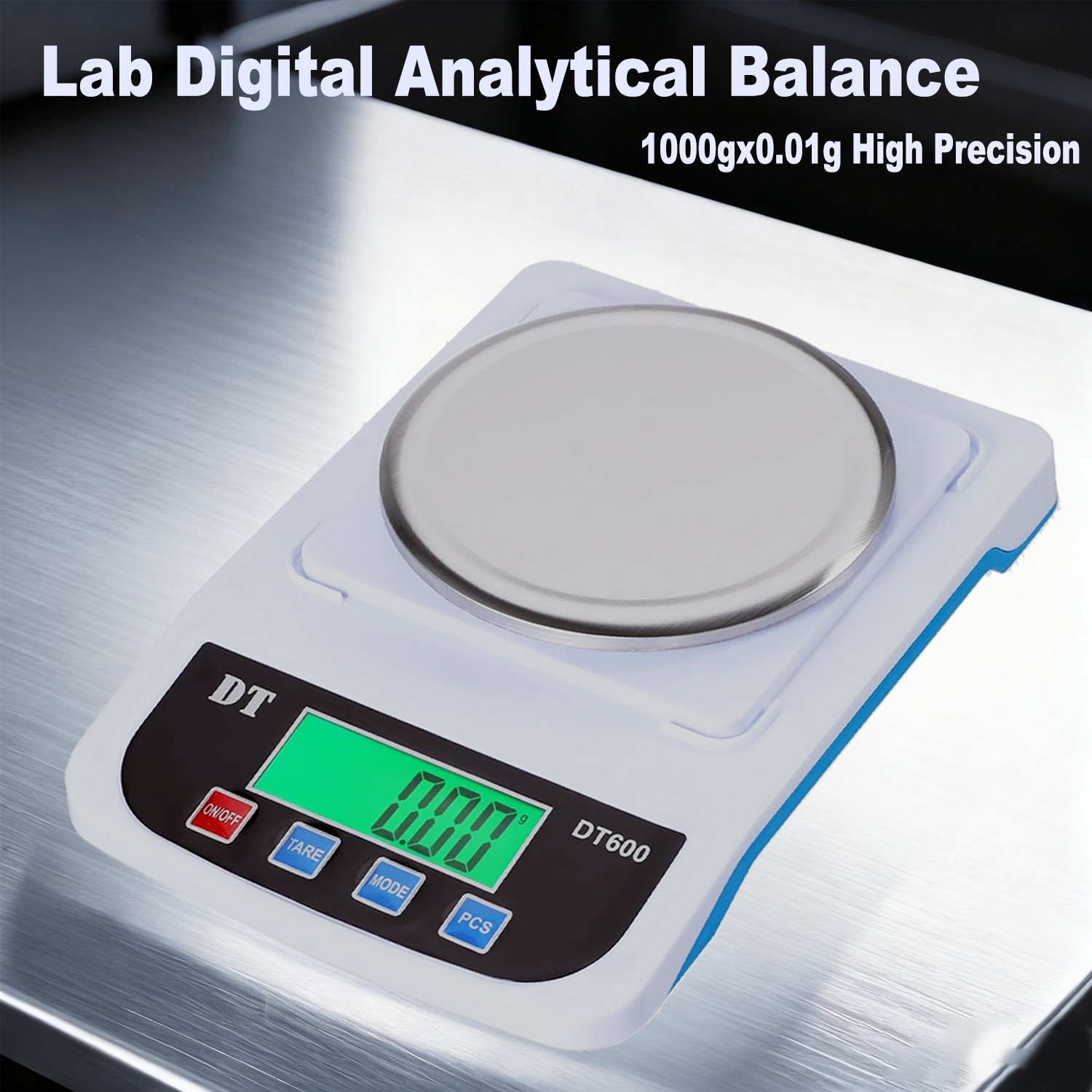 1000gx0.01g Analytical Balance Digital Lab Scale High Precision Electronic Scale$20.99View on eBay
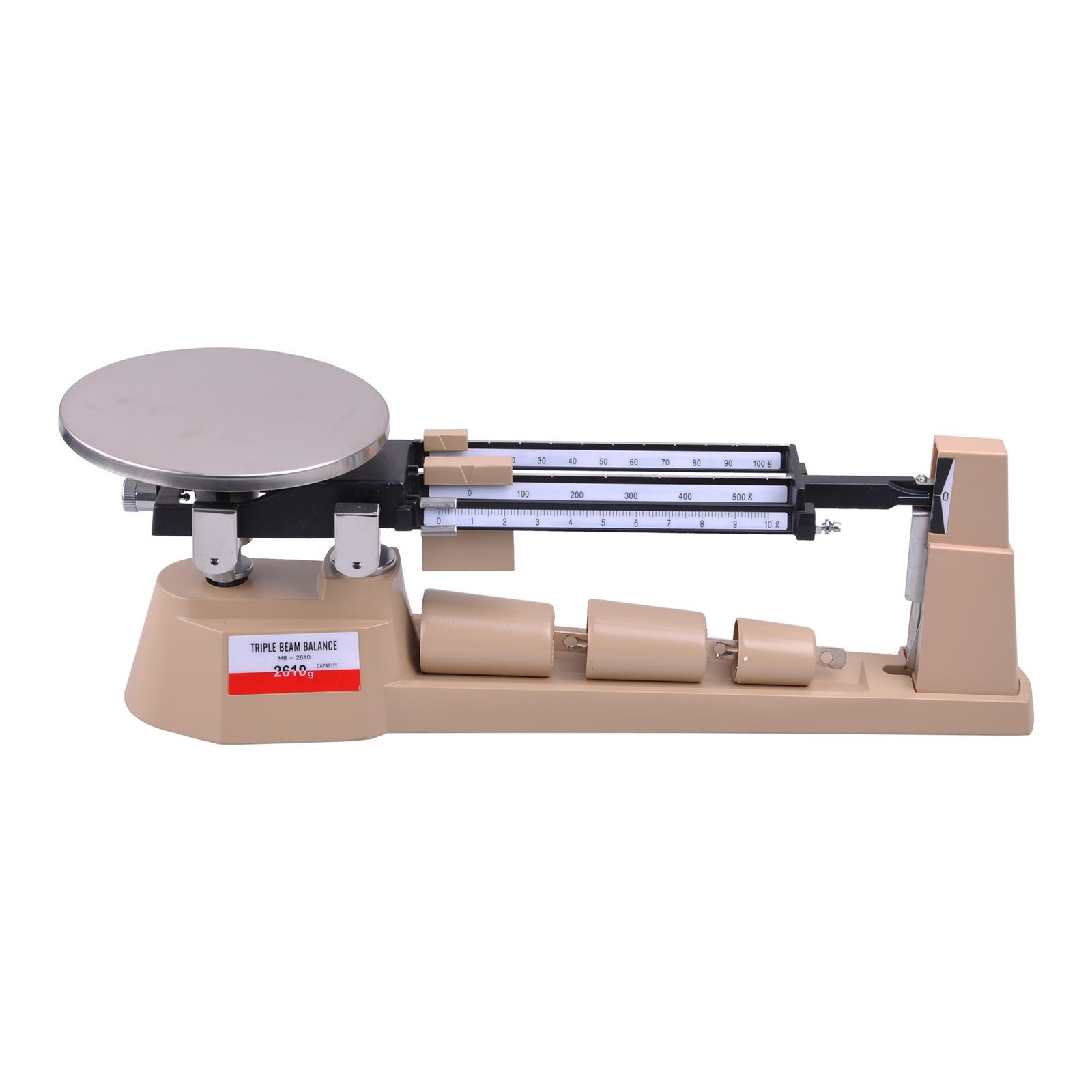 Triple Beam Mechanical Balance Scale Weight Set 2610g 0.1g Lab Analytical Weight$35.99View on eBay
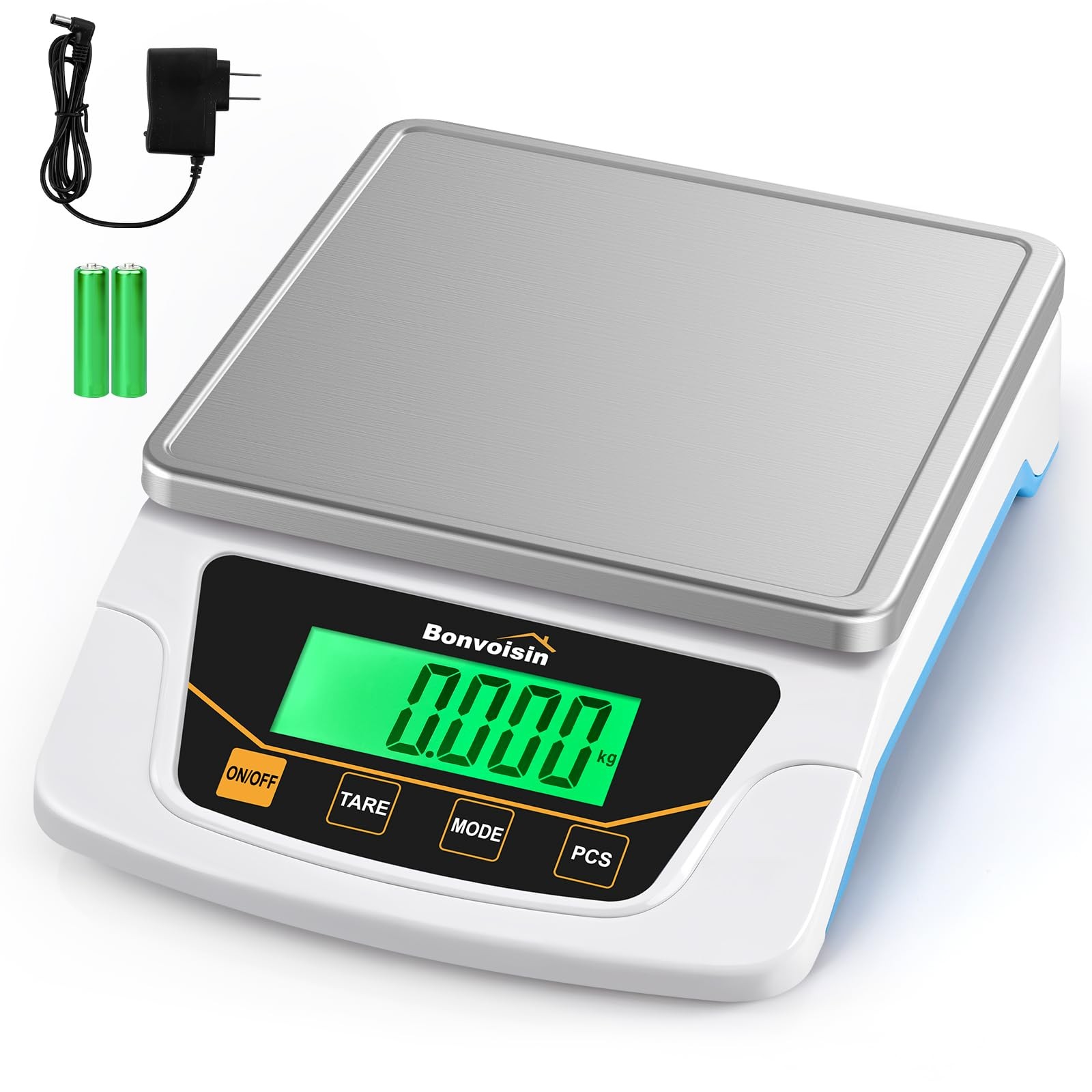 Digital Scale 0.1 Gram Accuracy Precision Lab Scale 6000g Scientific Digital ...$40.45View on eBay
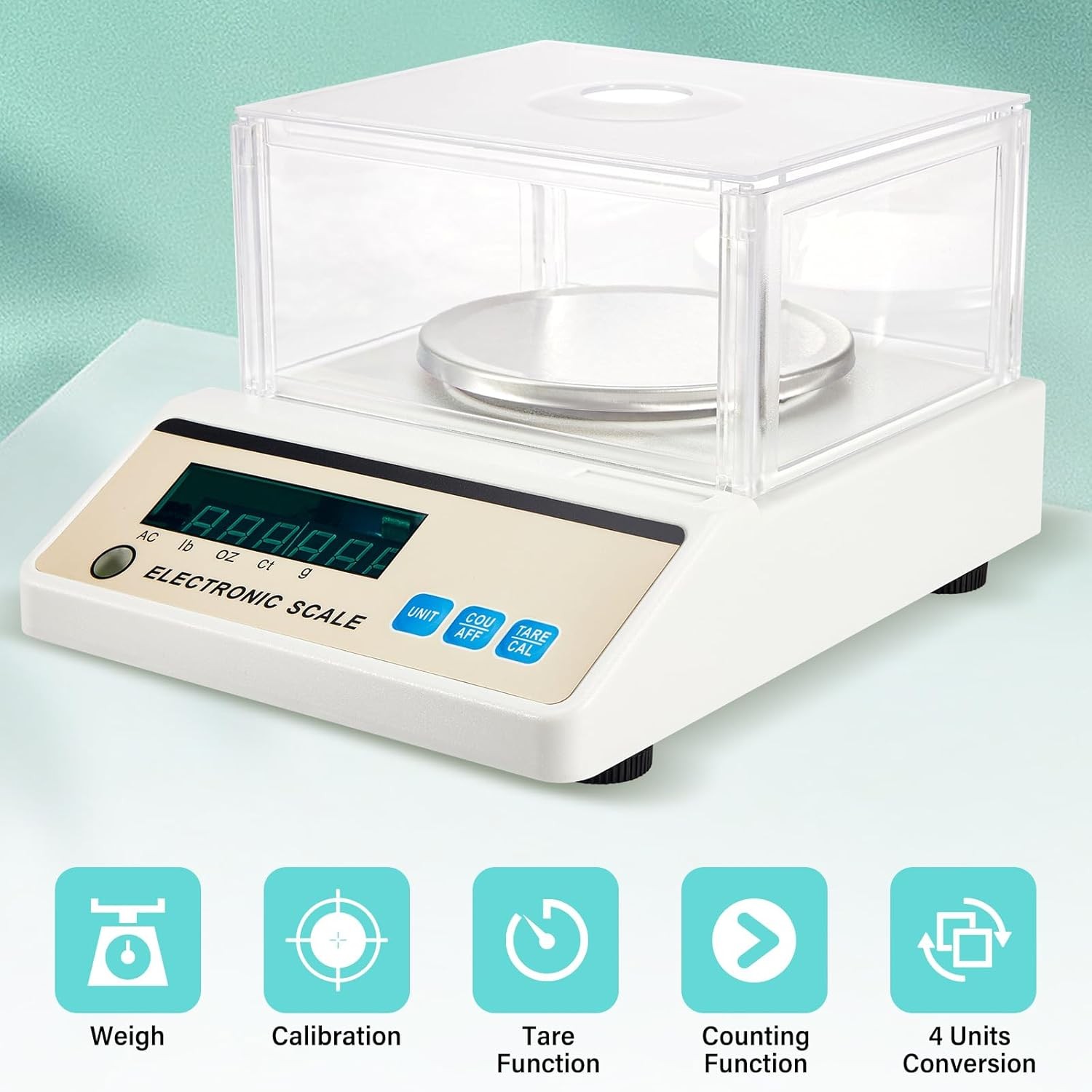 600g/1000g/3000gx0.01g Lab Scale Digital Analytical Balance Electronic Scale New$62.99Last checked Nov 27, 2026View on eBay
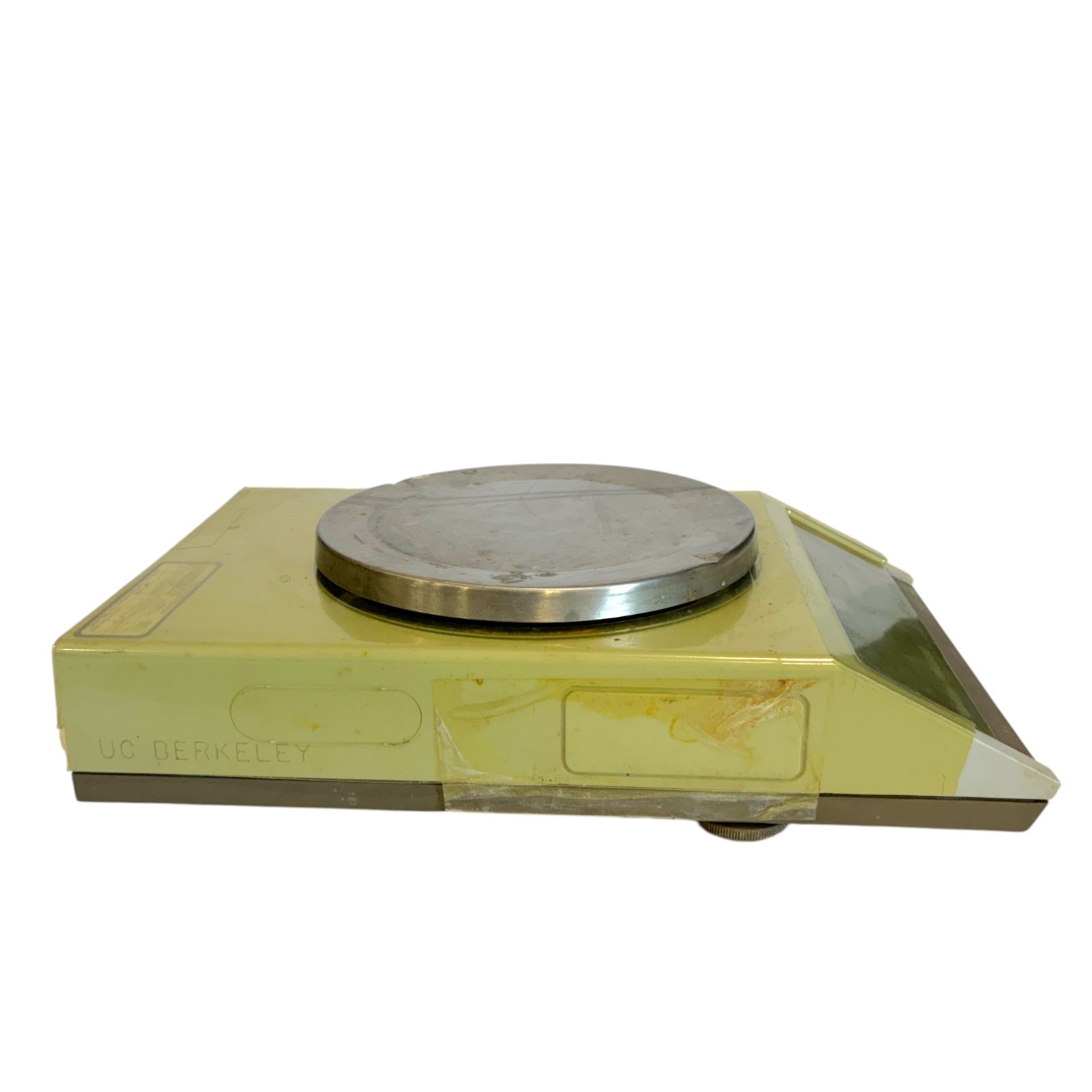 Mettler Toledo PM4600 DeltaRange Lab Precision Balance Scale 4100g 0.01g$185.00Last checked Nov 27, 2026View on eBay
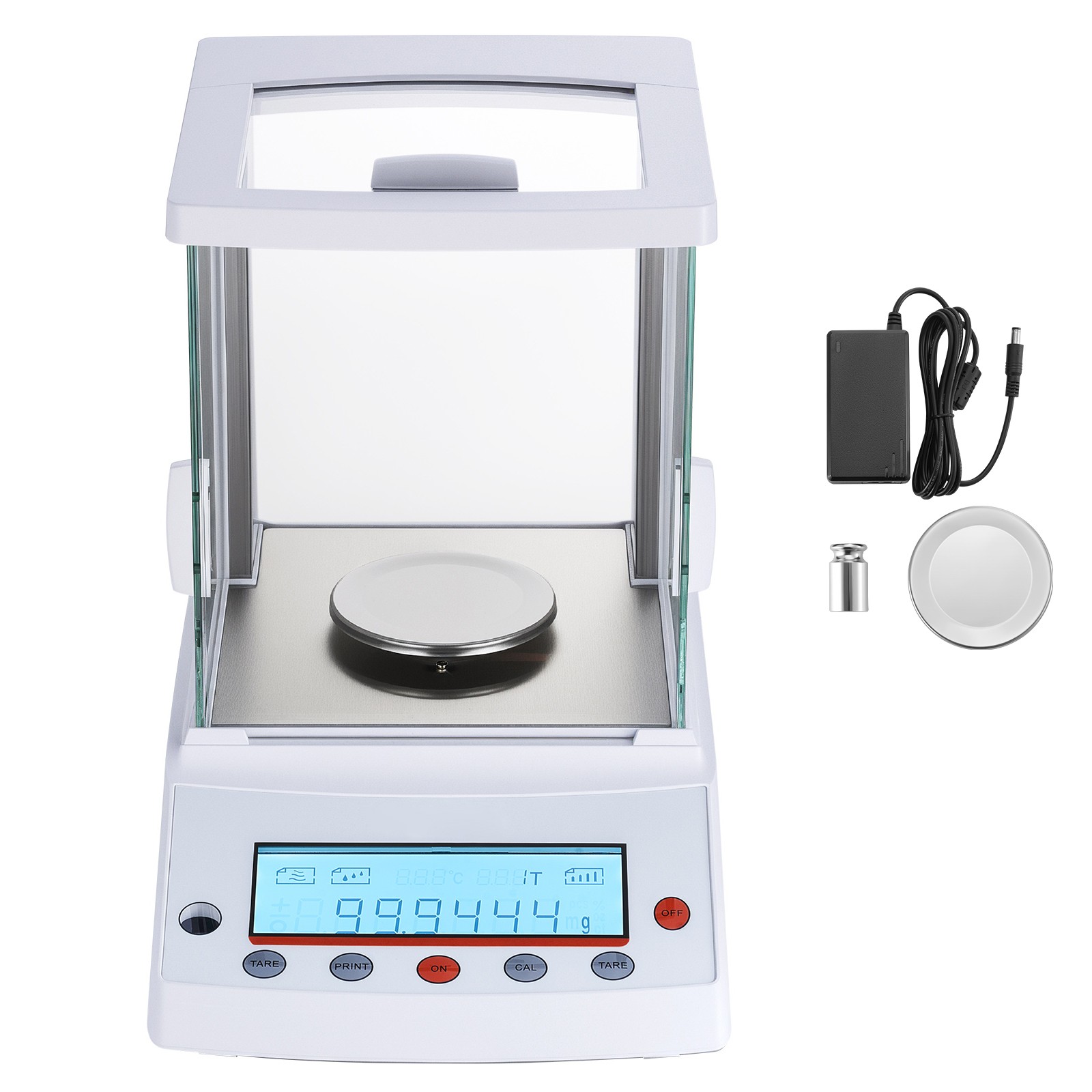 Uimoso Analytical Lab Scale 220g Capacity 0.0001g Precision, 4 Measurement Units$229.99Last checked Nov 15, 2026View on eBay
Highlights
- Analytical balances use electromagnetic force compensation with 0.1 mg readability and typical capacities of 100–220 g; they require a draft shield and level surface.
- Precision balances use strain-gauge or hybrid sensors with 0.001–0.01 g readability and 600–6000 g capacities, balancing speed and durability.
- Mechanical triple-beam balances need no power and hold calibration indefinitely, but read only to 0.1 g and are slower to operate.
- Counting scales offer 0.5 g readability at 30 kg capacity, using reference-piece sampling to convert weight to piece counts for inventory.
Best use cases
- Choose a 0.1 mg analytical balance with draft shield for weighing standards, assays, or samples under 1 g; skip it for powders over 200 g or busy shared benches.
- Pick a 0.01 g precision balance (1000–2200 g) for general lab compounding, reagent prep, and QC; skip 0.001 g models unless your protocol demands that resolution.
- Select a 0.1 g top-loading or triple-beam balance for education, field kits, and coarse screening; skip it for trace-level work.
- Use a 30 kg counting scale for bulk inventory and parts counting; skip analytical models for heavy containers that exceed their capacity.
Buying tips
- Apply the 10% rule: a scale stays reliable only when the sample is above 10% of its capacity, so a 2200 g x 0.01 g balance is accurate for loads from 220 g to 2200 g.
- Match the pan size to your largest container; analytical pans are typically 80–90 mm, while precision pans are 120–180 mm and counting pans can exceed 300 mm.
- Check linearity and repeatability specifications, not just readability: a 0.01 g balance should hold ±0.02 g linearity across its range.
- For analytical work, confirm the balance includes a draft shield and level bubble; for precision work, ensure a stainless-steel pan and RS-232 or USB output for recording.
Specs
| Readability | 0.1 mg to 0.5 g |
|---|---|
| Capacity | 100 g to 30 kg |
| Sensor Type | Force motor vs strain gauge |
| Pan Material | Stainless steel / ABS |
Related searches
What to check before buying
- Measure your heaviest container and sample together; the total must not exceed 80% of the scale capacity to preserve accuracy and overload protection.
- Confirm bench space and clearance for a draft shield: analytical balances need about 30 cm of height and a vibration-free, level surface.
- Verify the local voltage and plug type; most digital lab scales ship with 110–240 V adapters, but battery-only models need a specified battery size.
- For counting scales, ensure you can supply a reference sample of 10–100 identical pieces to calibrate piece weight.
FAQ
Data sources: eBay / Amazon listings and product attribute feeds. Updated Nov 28, 2026.
Some links on this page are affiliate links. If you buy after clicking one, we may earn a commission at no extra cost to you. This does not change which products appear here or their order. Affiliate disclosure.