
Photos from current listings. Actual item, color, and included accessories may vary.
Irrigation Wire Tracer Buying Guide
An irrigation wire tracer is a tone-and-probe or signal-generator locator used to map buried sprinkler control wires, find solenoid valve runs, and pinpoint insulation breaks without excavation. The core trade-off is detection depth/length versus noise immunity and probe sensitivity: cheap single-coil units max out around 3 ft depth and 1,000 ft runs, while proper dual-mode locators reach 6–7 ft and 3,000+ ft with selectable tone frequencies. Buy a locator rated at least 1.5× your deepest burial depth and your longest zone run; anything less is a toy for shallow, short-run residential work only.
Median $49.49
Key takeaways
- Detection depth ratings are stated for ideal soil; real-world max depth drops 30–50% in wet, clay, or mineralized soil, so a 6.5 ft unit realistically traces 3–4 ft.
- Max detection length separates tiers: ~1,000 ft units suit single residential zones, while 3,000+ ft units handle commercial multi-zone controllers and long golf/agricultural runs.
- Transmitter output frequency matters: low-frequency (1–10 kHz) couples to the wire for long runs, higher frequency (30–80 kHz) jumps to adjacent conductors and is better for finding breaks.
At a glance
- Category
- RF, Network, Cable & Telecom Test
- Last updated
- Nov 28, 2026
Current offers
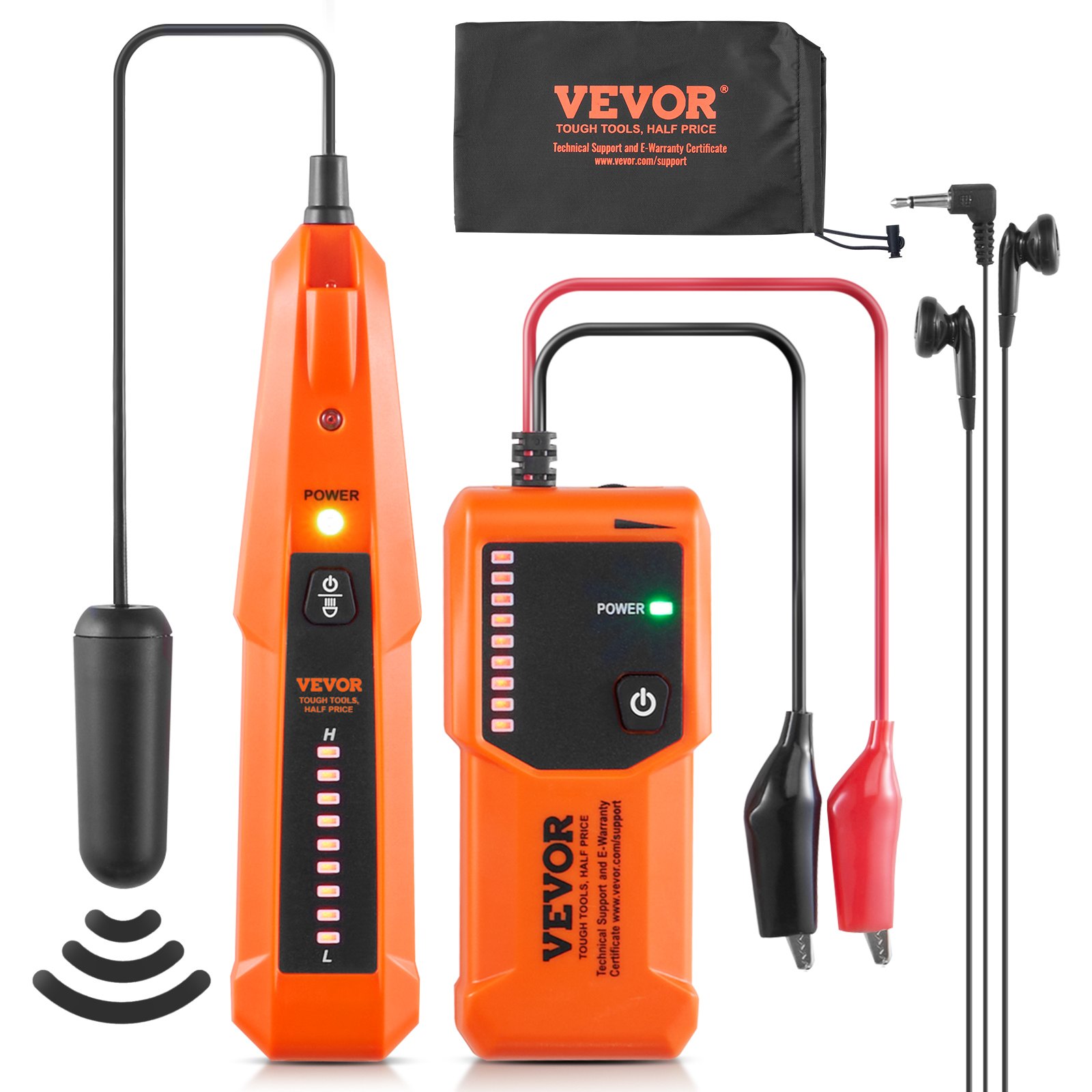 Underground Cable Locator, 3 FT Max. Detection Depth, Wire Tracer Break Detector Finder With Earphone, One Thousand FT Max.Detection Length Tester For Pet Fence Buried Sprinkler Valve Irrigation$38.99View on Mallflare
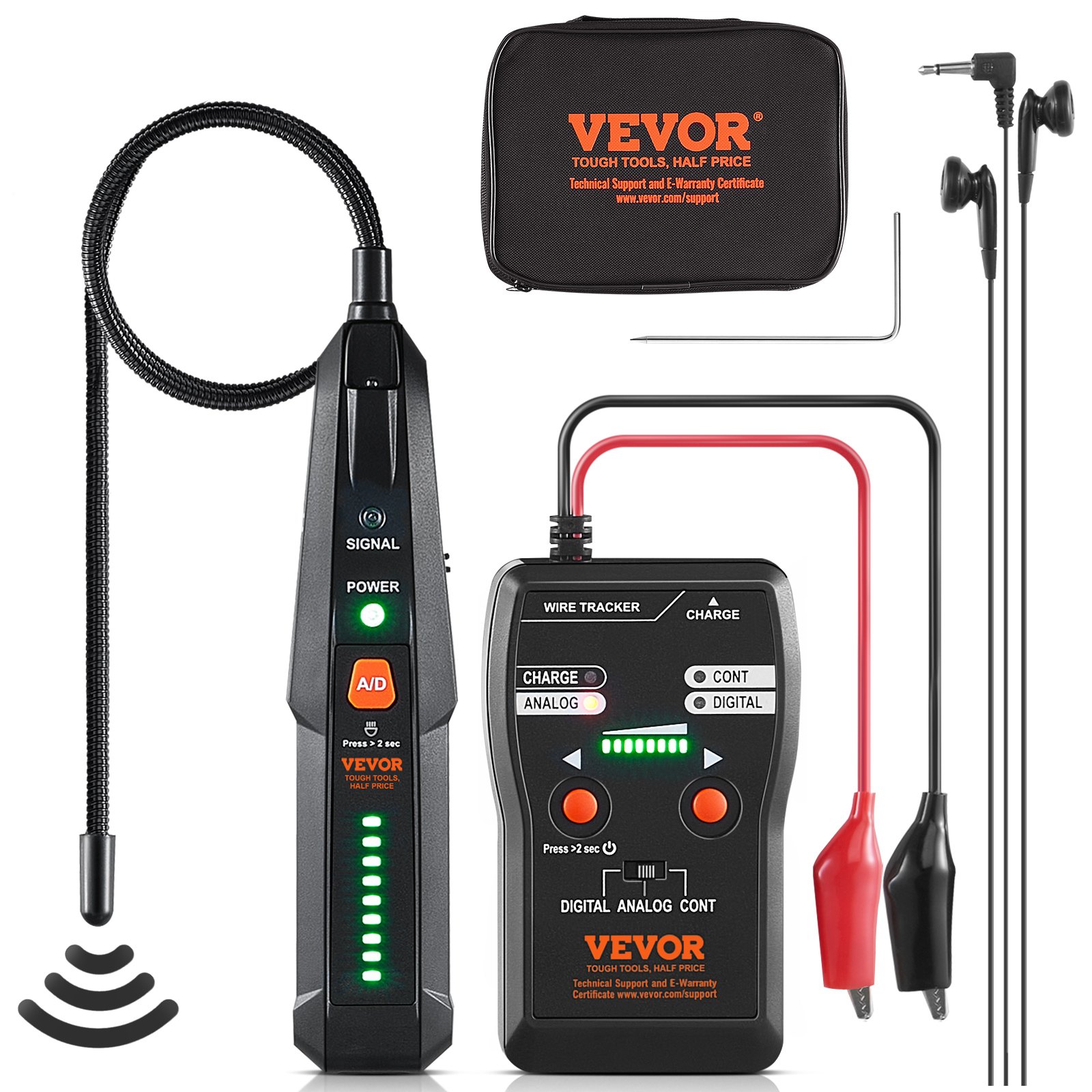 Underground Cable Locator, 6.5 FT Max. Detection Depth, Wire Tracer Break Detector Finder With Earphone, 3280 FT Max.Detection Length Tester For Pet Fence Buried Sprinkler Valve Irrigation$59.99View on Mallflare
Highlights
- Detection depth ratings are stated for ideal soil; real-world max depth drops 30–50% in wet, clay, or mineralized soil, so a 6.5 ft unit realistically traces 3–4 ft.
- Max detection length separates tiers: ~1,000 ft units suit single residential zones, while 3,000+ ft units handle commercial multi-zone controllers and long golf/agricultural runs.
- Transmitter output frequency matters: low-frequency (1–10 kHz) couples to the wire for long runs, higher frequency (30–80 kHz) jumps to adjacent conductors and is better for finding breaks.
- Passive AC/radio mode detects energized or metallic lines without a transmitter; active tone mode with a direct-connect or inductive clamp is required for unenergized irrigation control wire.
Best use cases
- Best fit: single-family residential sprinkler system with 3–8 zones and runs under 800 ft — pick a 3 ft / 1,000 ft unit and skip the premium tier.
- Best fit: large property, commercial, or multi-controller irrigation with runs beyond 1,500 ft or valves buried deeper than 3 ft — buy the 6.5 ft / 3,000+ ft class with a clamp and earphone.
- Wrong fit: tracing unmarked utility mains, gas, or fiber — irrigation tracers lack the depth, power, and safety certification for those lines; use a dedicated pipe/cable locator.
- Wrong fit: locating plastic pipe with no tracer wire — these units trace wire, not water lines; you need a pipe locator or a sonde/duct probe.
Buying tips
- Size the locator to 1.5× your deepest valve burial: if valves sit at 24 in, choose a unit rated at least 3 ft, not 1.5 ft.
- Match max detection length to your longest zone run plus 20%: a 600 ft run needs a 1,000 ft-rated unit; a 2,000 ft run needs 3,000 ft.
- Insist on a direct-connect lead plus an inductive clamp; clamp coupling saves disconnecting wires at the controller and works on live 24 VAC solenoid circuits.
- Prefer units with adjustable transmit power and selectable frequency; fixed single-frequency units struggle to isolate a break from a parallel valve wire.
Specs
| Max Depth | 3 ft vs 6.5 ft class |
|---|---|
| Max Trace Length | 1,000 ft vs 3,000+ ft |
| Tone Frequency | Selectable 1–80 kHz vs fixed |
| Coupling | Direct-connect + clamp vs direct only |
Related searches
What to check before buying
- Measure your deepest valve box and longest wire run from controller to last valve; both must fall inside the unit's stated max depth and max length.
- Confirm the transmitter is compatible with 24 VAC irrigation control circuits and can inject tone without disturbing the controller.
- Check whether the receiver includes an earphone jack — audible tone is essential in windy or high-noise outdoor environments.
- Verify the unit ships with direct-connect clips, ground stake, and a carry case; the ground stake is required for the return path on active tracing.
FAQ
Data sources: eBay / Amazon listings and product attribute feeds. Updated Nov 28, 2026.
Some links on this page are affiliate links. If you buy after clicking one, we may earn a commission at no extra cost to you. This does not change which products appear here or their order. Affiliate disclosure.