When you're shopping for spectroscopy analysis detection gear, you might expect two similar lab instruments. This head-to-head is different: a $199.99 B&W TEK optical spectrometer sold as Raman spectrometer parts, and a $528.00 vintage Bismatron ARC Geiger counter from the Atomic Age. Both are used, both are genuine scientific instruments, and both appeal to different kinds of buyers. The real decision is whether you want a hands-on project that teaches you spectroscopy from the inside out, or a piece of radiation-detection history that's ready for display, study, or restoration.
Quick Verdict
If you want a hands-on learning project that gets you inside an optical spectrometer, the B&W TEK is the clear pick. It's the lower-priced option, and its listing explicitly calls it a great learning project. Be ready to supply a standard 5-volt AC adapter, plus a serial-to-USB adapter if you plan to run it from a USB port. If you want a rare vintage radiation survey meter, the Bismatron is the one. It's the higher-priced option, but it's a survivor from a short-lived manufacturer and includes ten factory-marked Victoreen 6306 vacuum tube assemblies.
At a Glance
| Feature | B&W TEK Spectrometer | Bismatron Geiger Counter |
| Price | $199.99 | $528.00 |
| Type | Optical Spectrometer | Geiger Counter |
| Condition | Used | Used |
| Key appeal | Raman spectrometer parts, learning project | Vintage Atomic Age radiation survey meter |
Where Each Product Wins
Choose the B&W TEK if you want a hands-on spectroscopy learning project. The listing describes it as not exactly turnkey but not too far from usable, meaning you can learn the internal parts and setup without paying for a complete, ready-to-run instrument. Choose the Bismatron if you value rarity and historical appeal. It's described as appearing exceptionally infrequently on the collector market, making it a meaningful find for an Atomic Age, Cold War, or scientific instrument collection.
Product Notes
B&W TEK Optical Spectrometer - Raman Spectrometer Parts
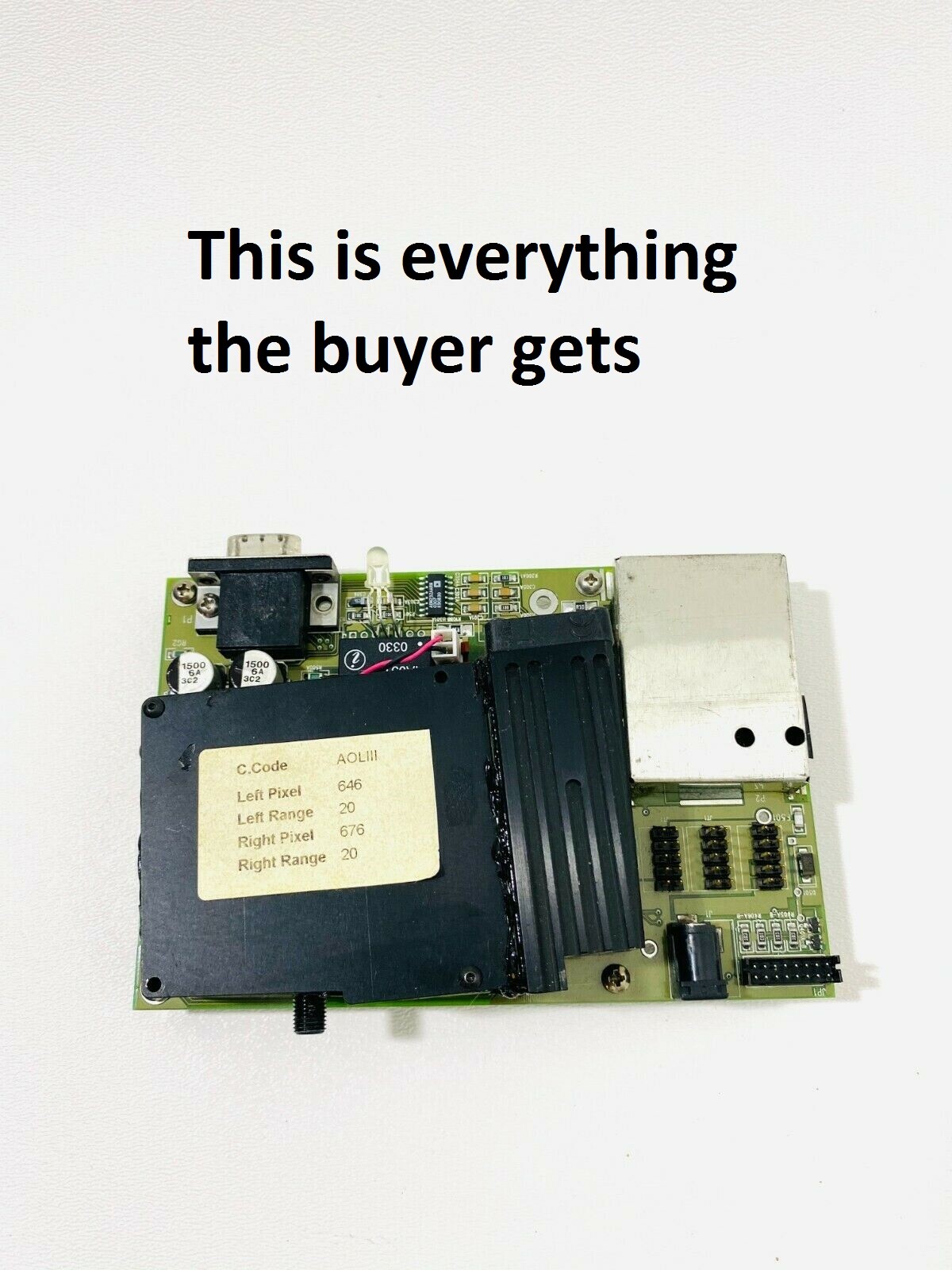
This B&W TEK spectrometer is described as a great learning project. It's an optical spectrometer originally installed in medical devices for Raman spectroscopy, though the seller suggests it's more suitable for general, non-Raman spectroscopy. You'll need to supply a standard 5-volt AC adapter, and if you want to connect via USB, a serial-to-USB adapter. The chance to study a real spectrometer's internals is a strong draw. On the other hand, it's not turnkey, so you'll need to source those adapters and be comfortable with a project that isn't fully operational out of the box.
Vintage Bismatron ARC Atomic Research Corp Geiger Counter Radiation Survey Meter
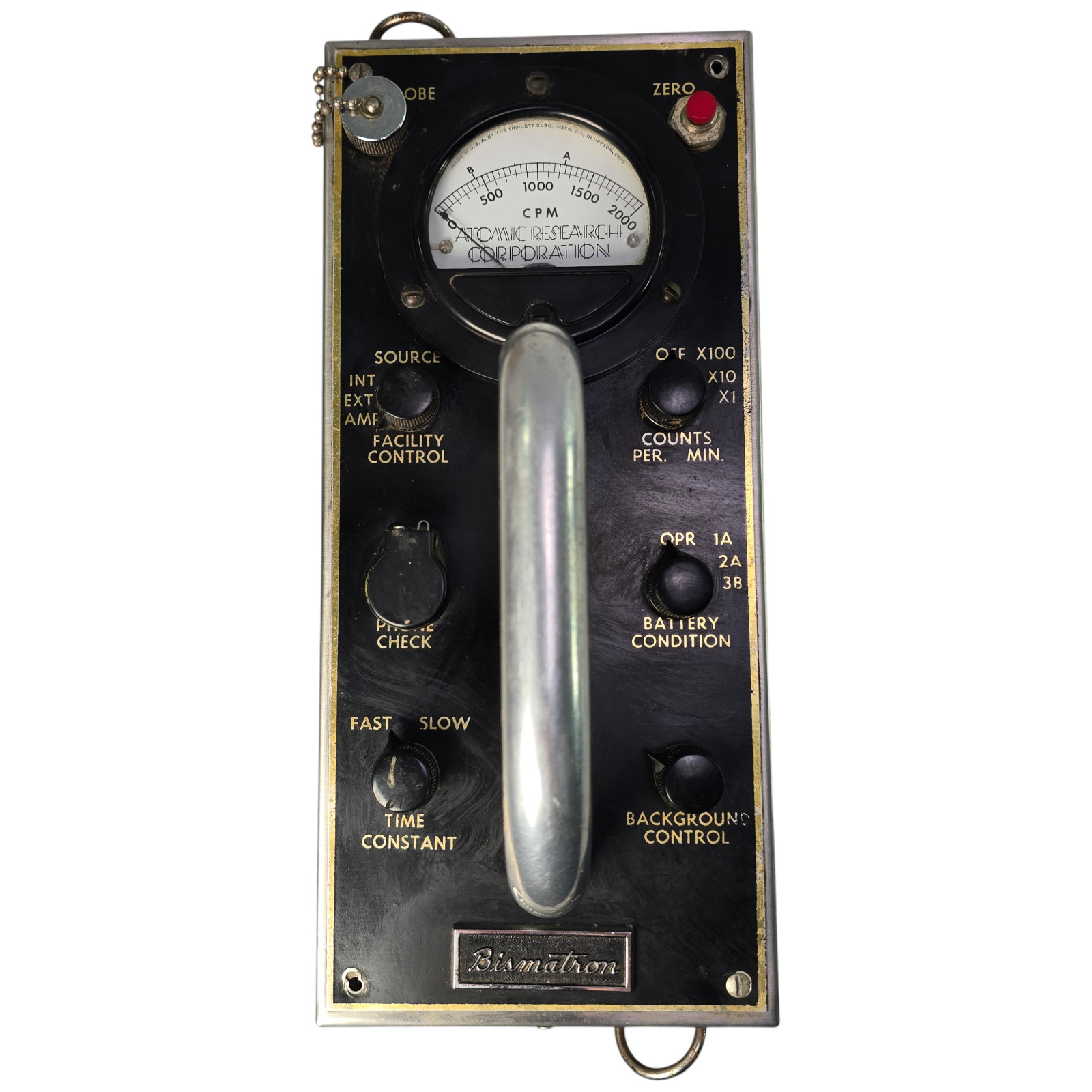
This vintage Atomic Research Corporation Bismatron radiation survey meter is described as rare, with surviving examples appearing exceptionally infrequently on the collector market. It retains its complete complement of ten factory-marked Victoreen 6306 shielded vacuum tube assemblies, and it's positioned as an excellent candidate for display, study, restoration, or inclusion in an Atomic Age, Cold War, or scientific instrument collection. Its rarity and the completeness of the tube assemblies make it stand out. Be prepared, though: the likelihood that a vintage unit may need restoration means this is more of a collector's piece than a ready-to-use meter.
Final Choice by Use Case
Ultimately, the right decision depends on what you plan to do with it. If your goal is to learn spectroscopy by experimenting with a real optical spectrometer, the B&W TEK is the purposeful, hands-on choice. If your goal is to own a scarce piece of radiation detection history and you have room for a restoration or display project, the Bismatron is the memorable acquisition. Both are fascinating, and both deliver very different rewards.