Picture this: you need a centrifuge, but the options include a benchtop style, a palm-size microcentrifuge, a mid-sized unit, and a mini centrifuge. The price spread is just over $47, and the right pick depends more on tube sizes, bench space, and control than on anything else. Here is how to match each one to your lab bench.
Quick take
Four different problems, four different answers. The Clay Adams Dynac 0101 is a used centrifuge with tube holders and a counterweight. The Plasma PRP Microcentrifuge is a small two-rotor unit. The Desktop 800-1 is a desktop lab separator. The VEVOR Mini is a 7000 rpm microcentrifuge with a 2-in-1 rotor.
Listed price comparison
| Centrifuge | Listed price | Price bar |
|---|---|---|
| Clay Adams Dynac 0101 | USD 99.99 | |
| Plasma PRP Microcentrifuge | USD 52.71 | |
| Desktop 800-1 Electric Centrifuge Machine | USD 56.19 | |
| VEVOR Mini Centrifuge Machine | USD 55.00 |
Quick decision matrix
- If a swing-out rotor is on your must-have list, start with the Clay Adams Dynac 0101.
- If bench space is tight and your tubes are small, lean toward the Plasma PRP Microcentrifuge.
- If you want a unit for standard separation work, the Desktop 800-1 is the straightforward choice.
- If fixed-speed microtube spins are your main routine, the VEVOR Mini fits.
Product notes
Clay Adams Dynac 0101 Centrifuge
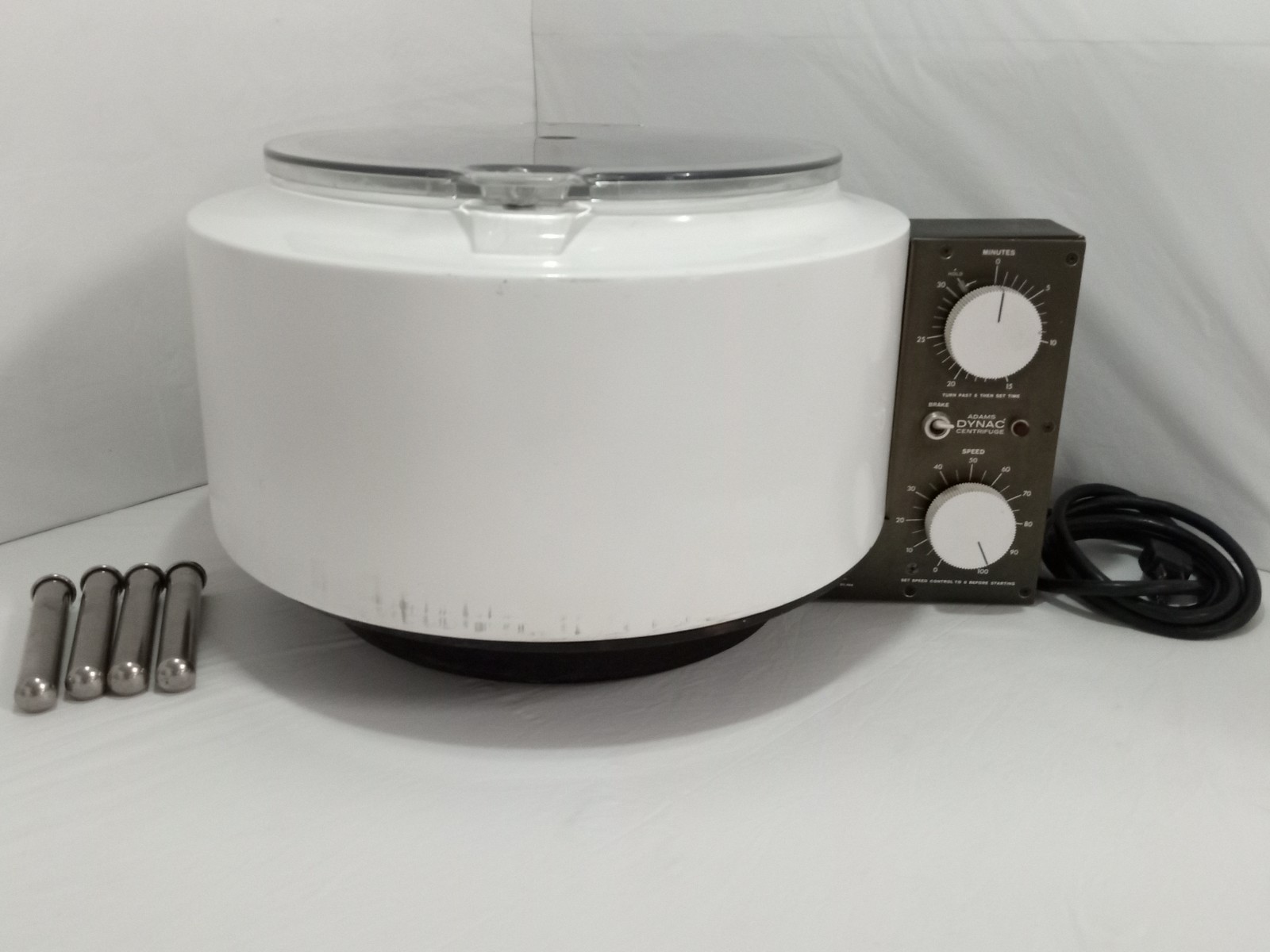
At $99.99, this is the most expensive centrifuge of the four, but it's also the one with the swing-out rotor. The 4-place rotor and tube holders are designed to keep samples horizontal during the spin, and the included counterweight lets you process a single tube without adding a dummy load. That's a specific advantage if you occasionally need to spin just one sample. It's a used unit with visible normal wear, and the locking mechanism is missing, with the unit marked 'Adults Only.' In practice, that means you'll want to keep it in a controlled workspace and double-check the lid before each run. If you need a new-in-box machine or unattended operation, this is not the one.
Plasma PRP Microcentrifuge
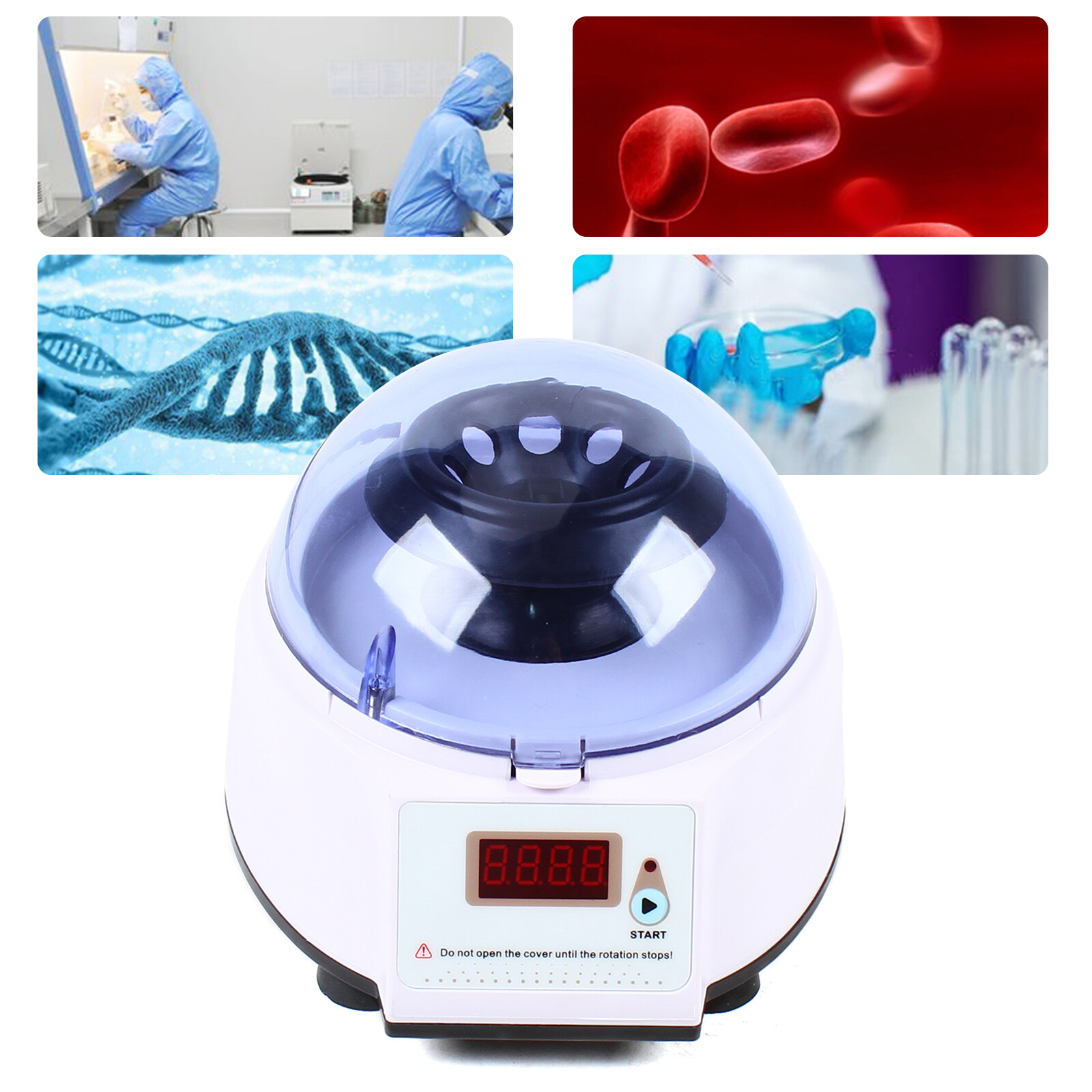
The Plasma PRP Microcentrifuge is the small-counter solution at $52.71, the lowest listed price in this group. Its 16 x 19 x 13 cm body makes it easy to tuck beside a pipette station, and the included two-rotor set handles 0.2/0.5/1.5/2.0 mL tubes plus PCR tube strips at 4000 rpm. If most of your work is quick small-volume spins, this covers it without taking over the bench. The trade-off is the lack of a timer, so runs are manual and you'll need to monitor spin time yourself. For a busy lab where runs must be repeatable, that manual step can become a bottleneck.
Desktop 800-1 Electric Centrifuge Machine
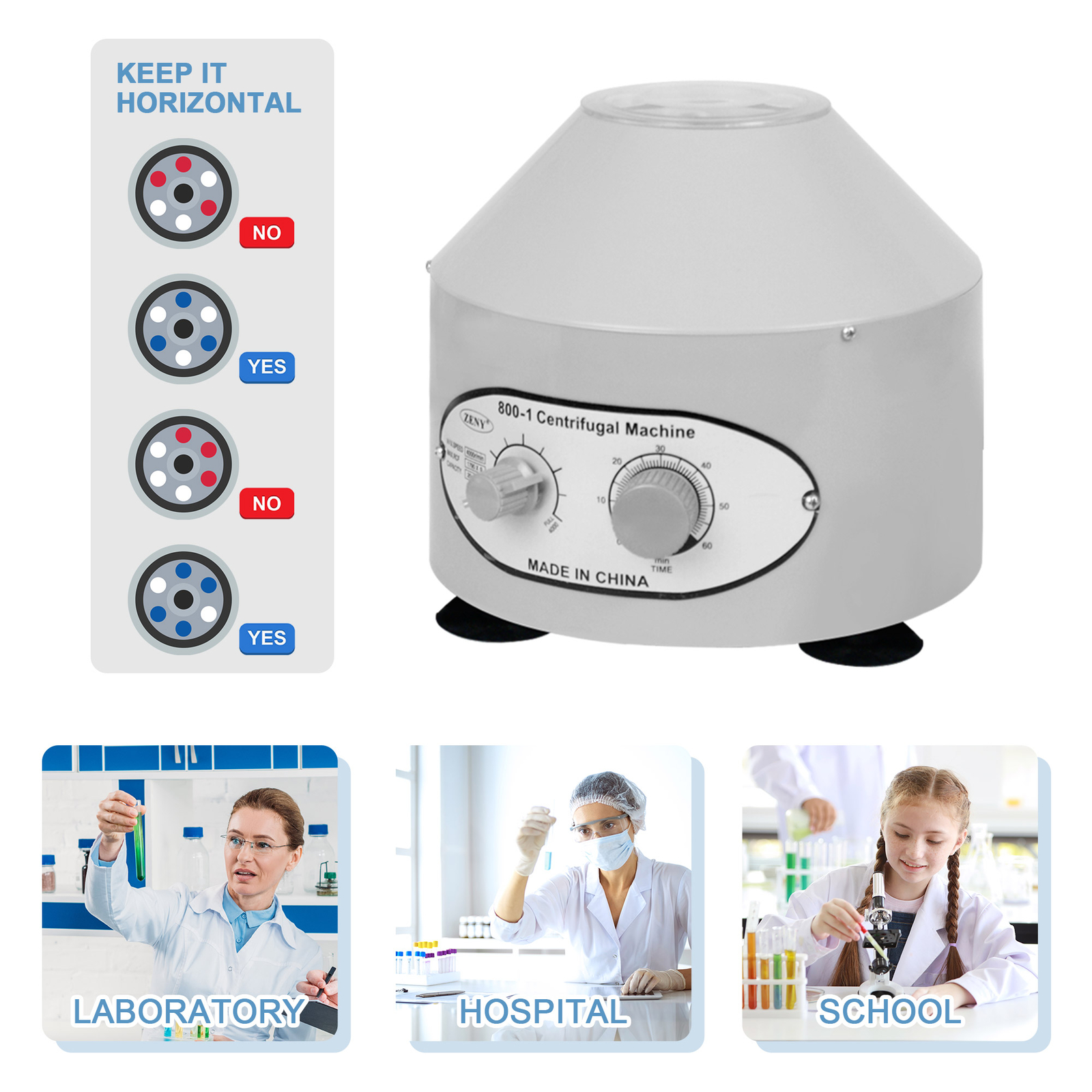
The Desktop 800-1, at $56.19, is the straightforward choice when you want an actual timer on a desktop centrifuge. The 4000 rpm speed is aimed at standard separation of solid particles from liquids, and its intended use is a medical laboratory. The timer is the standout feature here because it lets you set a spin length and move on to other work. The limitation is the lower-speed positioning: it's best for routine separation and emulsions rather than micro-volume quick spins. If your samples are standard tubes and you value reproducibility on the clock, this desktop model is the one to focus on.
VEVOR Mini Centrifuge Machine
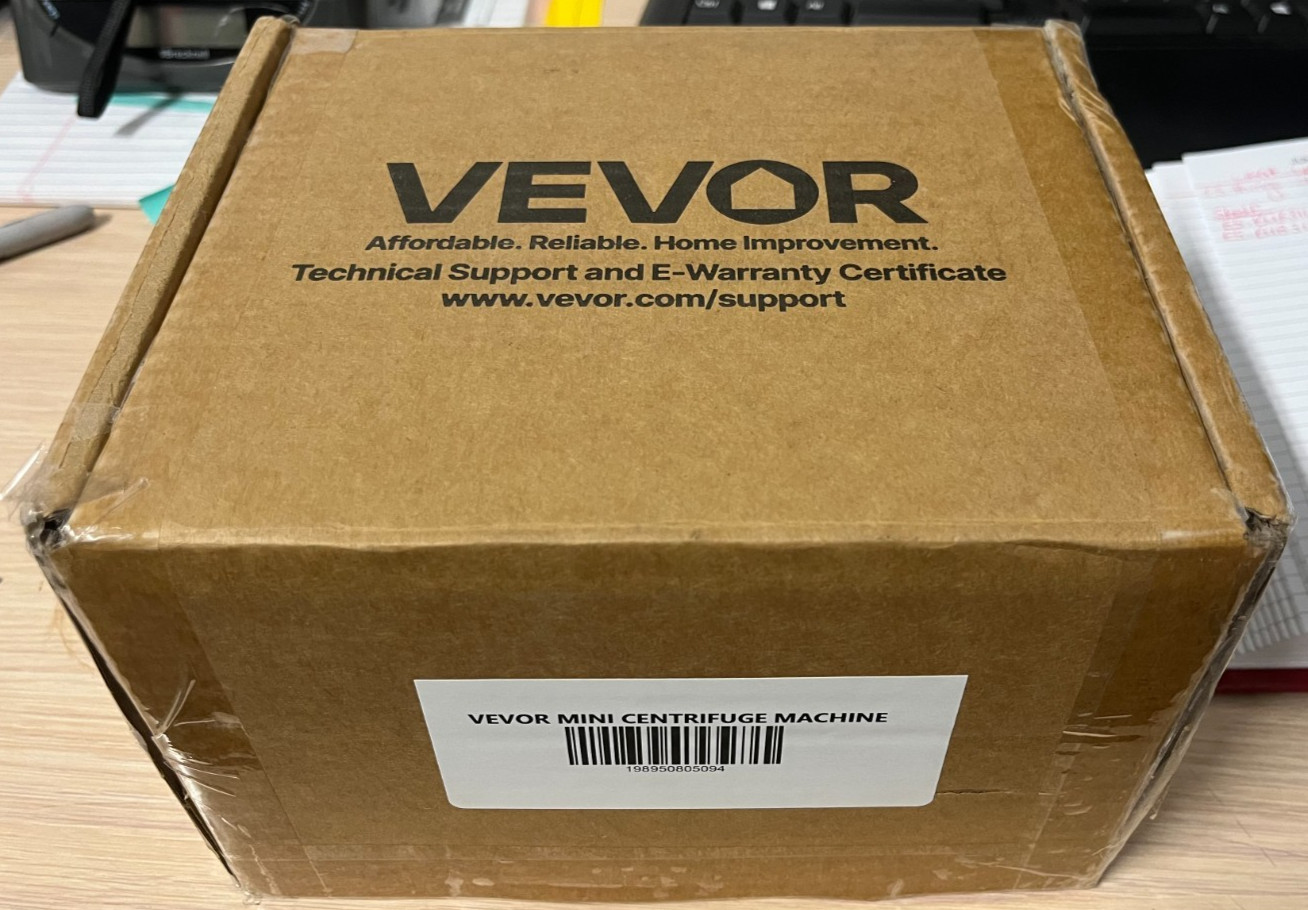
The VEVOR Mini Centrifuge Machine is the fixed-speed option at $55.00. It spins at 7000 rpm and generates a stated 3013xg RCF, making it a strong choice for small tubes that need faster pelleting. The 2-in-1 rotor accepts 0.2 mL strip tubes as well as 1.5/2 mL microtubes. The unit is new-open-box, and the warranty is not valid through this transaction. Because speed is fixed, you can't adjust it for gentler samples; that's the main limitation to weigh against the high centrifugal force in such a small footprint.
Final recommendation by use case
For a used bench centrifuge with counterweight-assisted tube balancing, the Clay Adams Dynac 0101 is the one to start with. For crowded counters and small-volume tubes, the Plasma PRP Microcentrifuge keeps things simple. For routine medical lab separation, the Desktop 800-1 offers a practical timer-equipped body. For microtubes that need a strong stated RCF, the VEVOR Mini's 3013xg is the deciding factor. Match the rotor to your tubes and the control to your workflow, and the choice becomes clear.