When you're shopping for lab equipment like centrifuges, mixers, and shakers, the first decision is whether you're separating or mixing. A centrifuge spins liquids to pull solids out of suspension, while a vortex mixer uses rapid oscillation to blend small volumes. The Desktop Electric Lab Laboratory Centrifuge Machine and the 5000RPM Mini Vortex Shaker represent these two approaches, and understanding their strengths will help you pick the right one for your daily routine.
Quick Verdict
For separation tasks like isolating cells or particles from liquid, the centrifuge is the clear choice. For mixing paints, nail polish, or small lab reagents, the vortex shaker is the simpler tool. If you can only have one, think about which task dominates your workflow.
At a Glance
| Feature | Desktop Centrifuge | 5000RPM Mini Vortex Shaker |
|---|---|---|
| Listed price | USD 60.00 | USD 49.99 |
| Max speed | 4,000 RPM | 5,000 RPM |
Where Each Product Wins
Choose the Centrifuge for Separation Work
The Desktop Electric Lab Laboratory Centrifuge Machine stands out for separation workflows. It comes with a six-tube rotor that accepts 20ml tubes, and those six tubes are included. The timer can be set for up to 60 minutes or run continuously, giving you control over spin duration. Its relative centrifugal force of 1790×g is suited to pulling down cells and particles from liquid. If your daily work involves such separation, this machine addresses the need directly.
Choose the Vortex Mixer for Quick Mixing
The 5000RPM Mini Vortex Shaker is built for mixing small volumes quickly. Its touch activation starts the brushless motor as soon as you press a sample cup or tube, and the ABS and silicone construction is easy to wipe down. It also operates quietly, which is a plus on a busy bench. At $49.99, it is the lower-priced tool in this head-to-head, making it an accessible addition for paint, polish, or reagent mixing.
Product Notes
Desktop Electric Lab Laboratory Centrifuge Machine
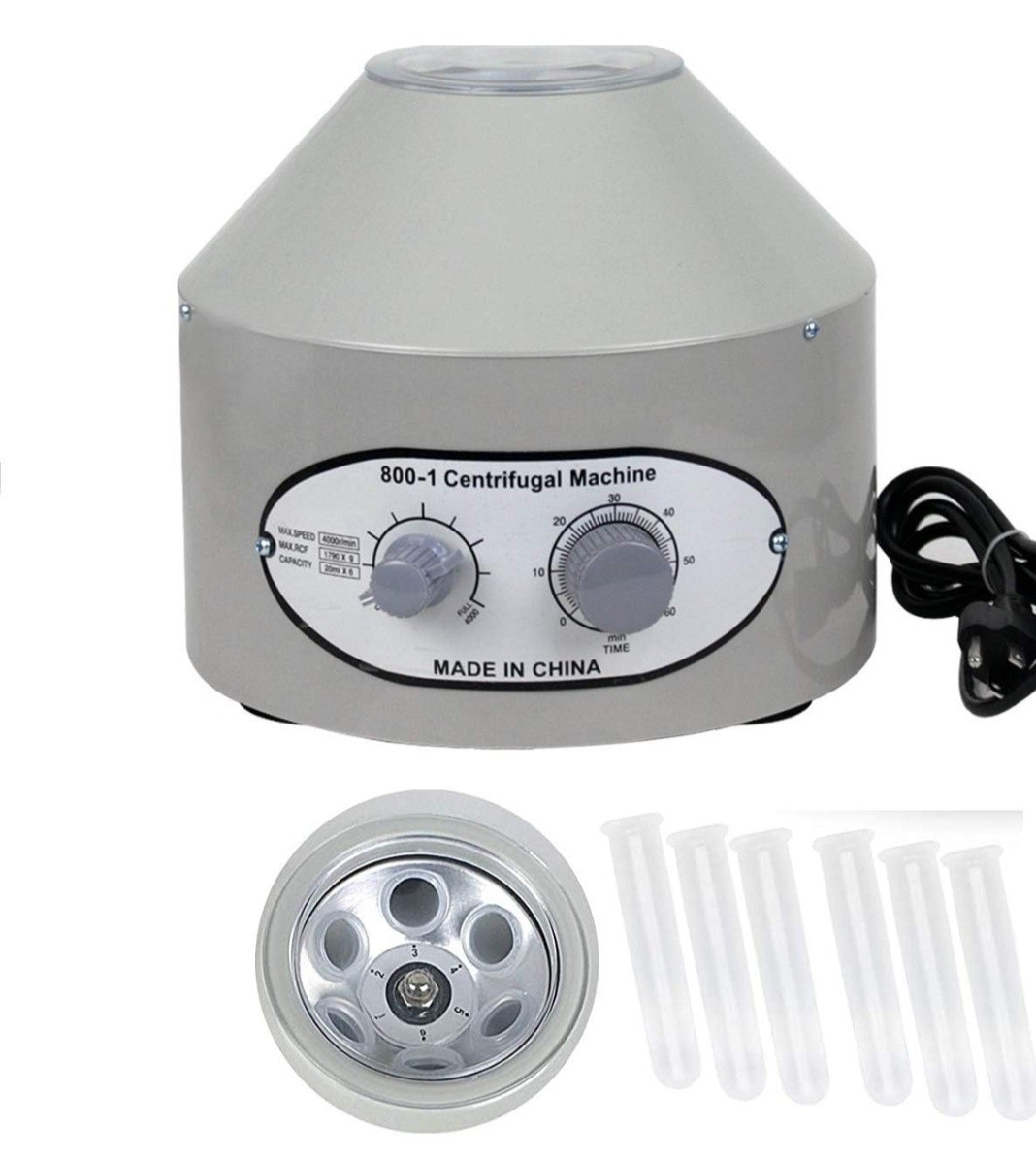
This centrifuge is built for separation work in chemistry and medical labs. The six included tubes remove the need to order extras right away, and the timer ranges from zero to 60 minutes or can be left on without a limit. The six-tube rotor lets you process multiple samples in one run, which benefits workflow efficiency. It draws 110V AC power. However, it is a dedicated spinning machine; it will not provide the oscillating motion of a vortex mixer. If your workflow also includes quick mixing of paints or nail polish, you will likely need a separate tool.
5000RPM Mini Vortex Shaker
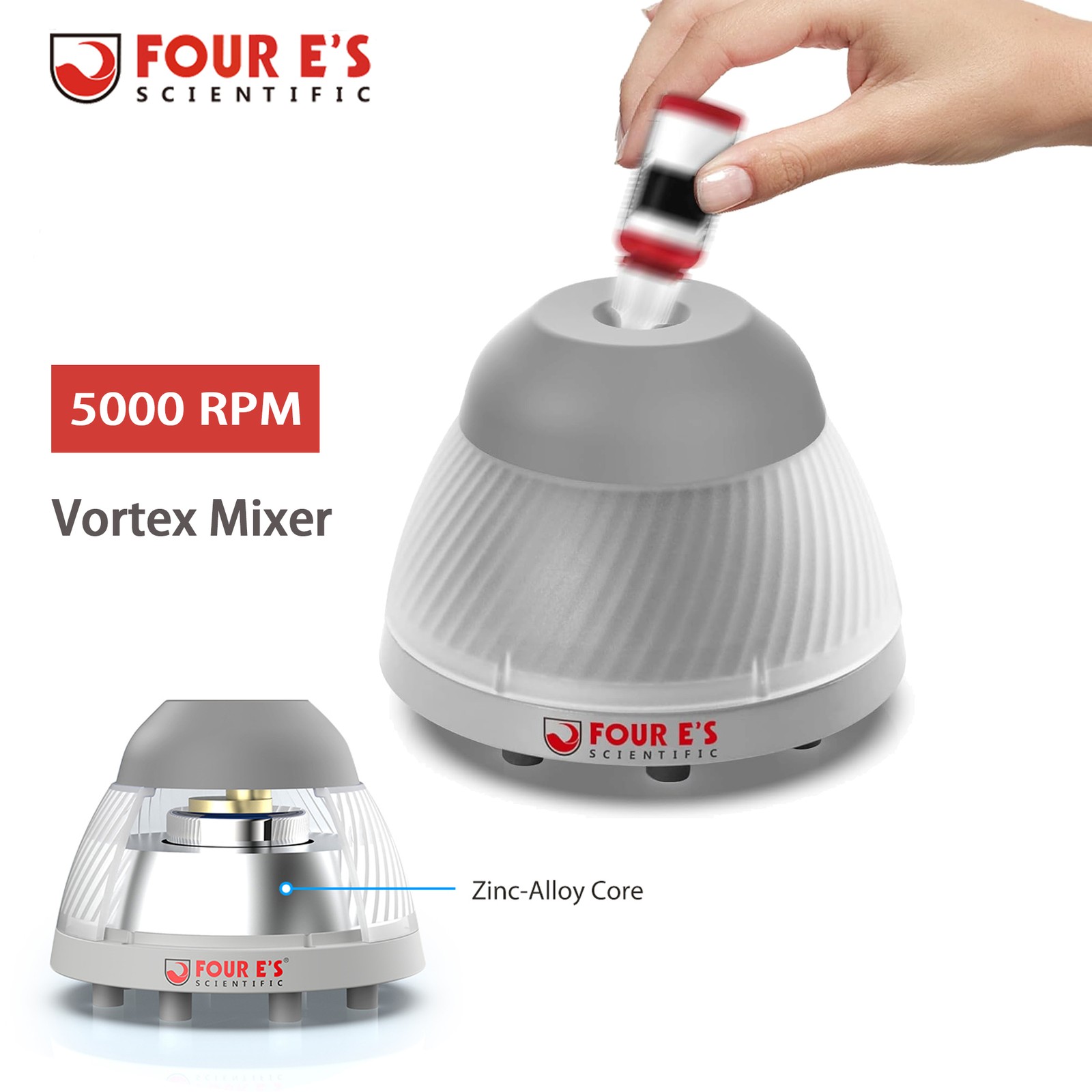
The 5000RPM Mini Vortex Shaker suits quick mixing on any lab bench. Its touch activation and brushless motor make it simple to blend small samples, and the ABS and silicone body cleans up easily. It activates by touch, so you simply press the sample cup against the top and it starts. The quiet operation reduces noise during mixing. The higher top speed is an advantage when working with thicker materials. The tradeoff is that it doesn't separate samples by density; centrifugation requires a different machine. For many labs, this shaker serves as a fast companion to a centrifuge.
Final Choice by Use Case
If your primary need is separating cells, particles, or layered liquids, choose the Desktop Electric Lab Laboratory Centrifuge Machine. If you mostly mix paints, nail polish, or small liquid samples, the 5000RPM Mini Vortex Shaker is the right fit. For comprehensive lab work, consider both.