When you're doing RF network, cable, and telecom testing, the key is knowing whether a signal is present and at what strength. Two tools take different paths to that answer: one is a computer-connected unit, the other is a direct-inspection probe. At $155.54 versus $29.99, the price gap is significant. Which one belongs on your bench? The answer depends on the frequencies you're dealing with, whether you need to document results, and how much setup you're willing to do.
Quick Verdict
The power meter is the stronger choice for precise, high-frequency measurements, especially if you want to log data and share results from a computer. It's the tool you'll reach for when a job demands accuracy and repeatability. The probe is the lower-priced pick for simple signal demodulation tasks where you don't mind working without software and just need to confirm a signal is present. It's the kind of tool that's easy to pack in a field kit.
Comparison
| Feature | For V7.0 RF Power Meter | Dynascan PR-23 Probe |
|---|---|---|
| Price | $155.54 | $29.99 |
| Condition | New | Used |
| Type | RF Power Meter | RF Demodulator Probe |
| Interface | Type-C (5V power and data) | Leads and clips |
| Measurement focus | RF power and amp gain | Signal demodulation |
Where Each Product Wins
The For V7.0 RF Power Meter wins on modern connectivity and the ability to handle high frequencies, which is ideal when you're testing amplifiers and need detailed measurements. It's a portable unit that brings digital control and data sharing to the bench. The Dynascan PR-23 wins on price and simplicity, giving you a direct, hands-on way to inspect signals without extra electronics. It's a made-in-USA probe.
For V7.0 RF Power Meter
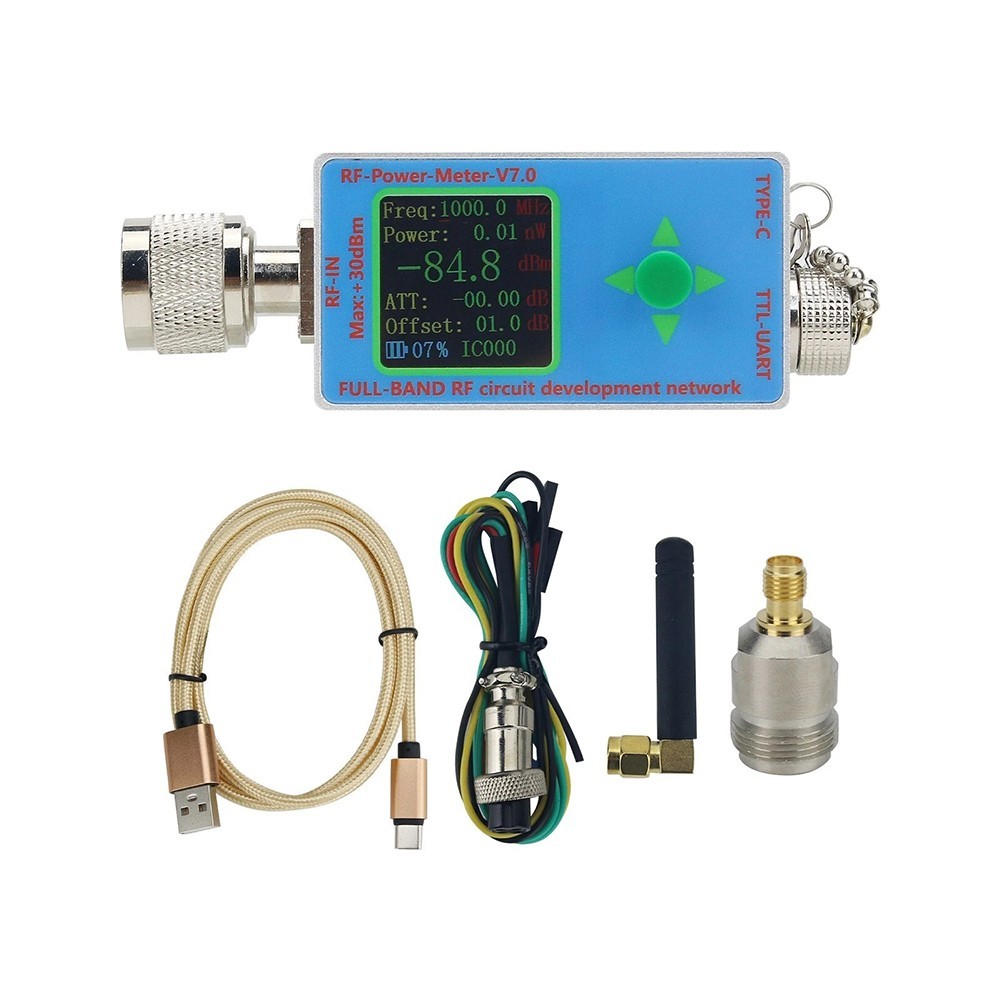
When your RF network and telecom work involves high-frequency signals, the For V7.0 RF Power Meter is the one to reach for. It supports RF signal acquisition up to 10GHz and uses a Type-C interface that delivers 5V power and fast data communication with a computer. The built-in digitally programmable attenuator and multiple high-dynamic acquisition modes (up to 500kbps) make it a solid choice for measuring amplifier gain. The accompanying software lets you configure the meter, record measurements, and share data, which is a big plus when you're documenting telecom installs or comparing amplifier performance over time. The trade-off is the setup: you'll need to spend time with that software to unlock the full capabilities, so it's not a plug-and-play tool if you prefer immediate analog-style readouts.
Dynascan PR-23 RF Demodulator Probe
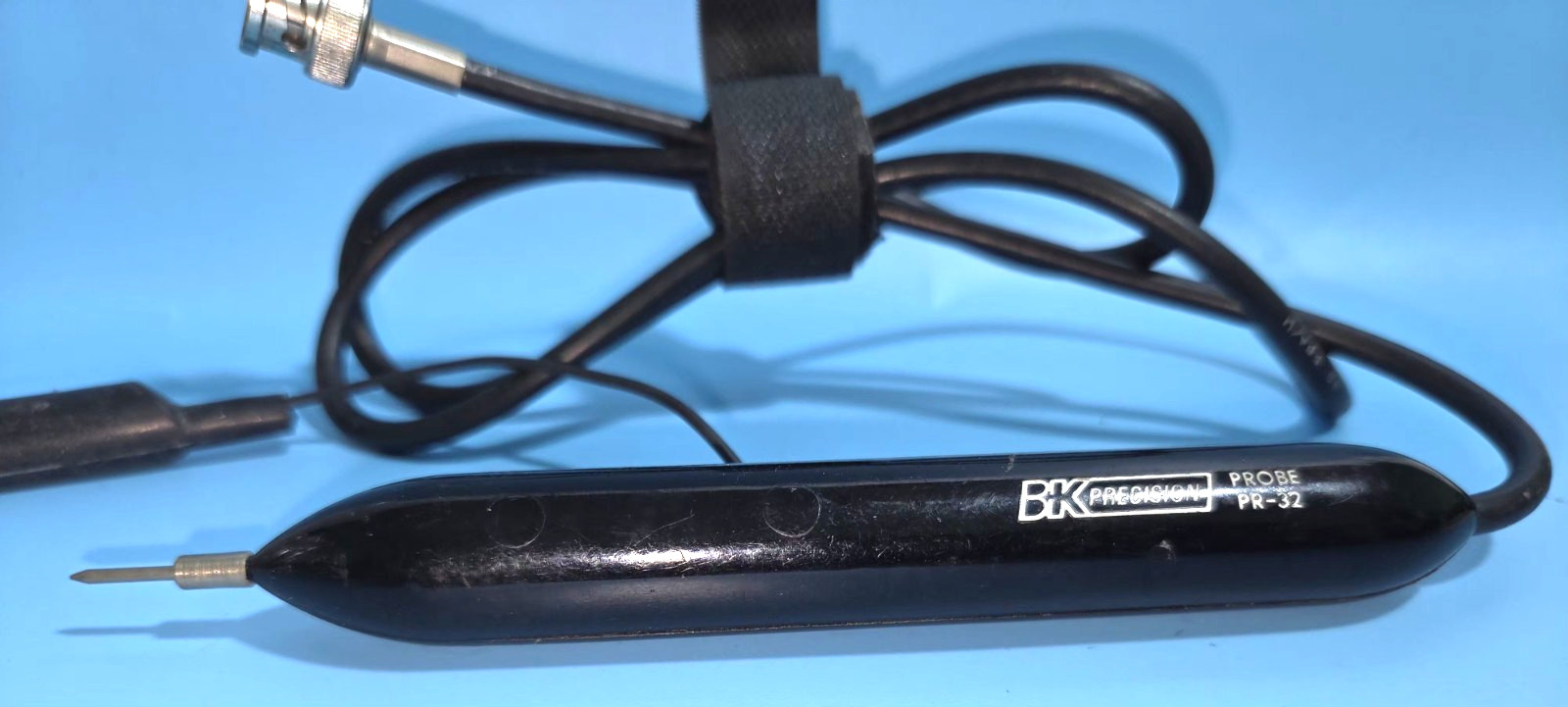
The Dynascan PR-23 RF Demodulator Probe is a straightforward vintage tool that comes with leads and clips already attached. It's pre-owned, made in the USA, and designed for measuring and inspecting electronic devices by demodulating RF signals. Because it's vintage, it offers a simple, hands-on approach. If you're working on older circuits or just need to trace a carrier wave without firing up a computer, this probe offers a direct way to start. The main limitation is its used condition: you're buying a piece of pre-owned test gear, so its performance depends on how it was treated before you got it. That's a reasonable trade-off for a tool that can handle basic signal inspection.
Final Choice by Use Case
Pick the For V7.0 RF Power Meter if your tests require high-frequency power measurements, amplifier gain verification, or data documentation. Pick the Dynascan PR-23 if you want a simple probe for quick demodulation checks and you're comfortable with pre-owned test gear. For most bench work with modern RF equipment, the power meter is worth the investment. For occasional checks and tight budgets, the probe is a practical companion.