Choosing a microscope for lab imaging usually starts with a simple question: do you need a high-resolution camera system for serious capture, or a flexible close-up scope for everyday viewing? In the microscopes lab imaging space, the HAYEAR Industrial Microscope Camera and the 1600X USB Digital Microscope answer that question in very different ways. The HAYEAR includes HDMI/USB2.0 output and a C-Mount lens, while the 1600X is a digital magnifier for a wide range of educational and inspection tasks. One carries a much higher price than the other, but the right choice depends on how you plan to use the image.
Quick Verdict
In short, the HAYEAR camera is for people who treat the microscope as part of an imaging workflow. The 1600X USB microscope is for people who want a dependable magnifier for a mix of quick checks and lessons. Neither choice is wrong; the right one simply matches the tool to the task.
Comparison at a Glance
| Product | Price | What It Offers |
|---|---|---|
| HAYEAR 4K 51MP Industrial Microscope Camera | USD 256.88 | HDMI/USB2.0 output, 51MP resolution, 180X C-Mount lens |
| 1600X Zoom 8LED HD USB Microscope | USD 15.83 | 0-1600X zoom, 8 white LEDs, USB connection for Windows XP/7/8/10 |
Where Each Product Wins
HAYEAR for high-resolution output work
If your work is about capturing and storing a high-quality image, the HAYEAR is the more purpose-built output device. It suits industrial inspection and detailed documentation.
1600X for varied everyday viewing
If you need one flexible scope for many everyday subjects, the 1600X is the practical all-around choice. Its wide application list and simple USB design make it easy to reach for in different situations.
Product Notes
HAYEAR 4K 51MP Industrial Microscope Camera
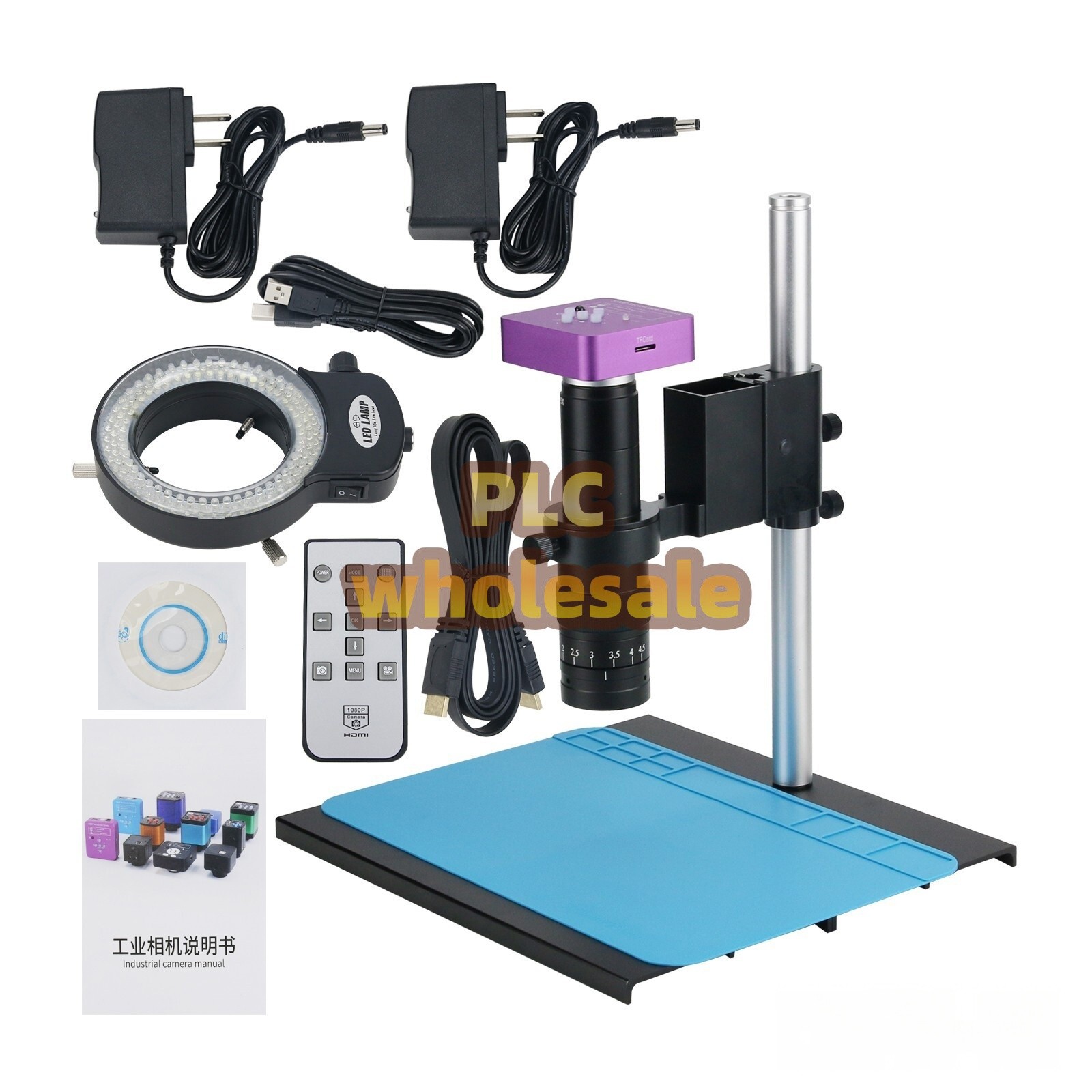
This is the more specialized tool of the two. It's positioned as an industrial microscope camera, so it's meant for jobs where the image needs to be captured and examined in detail rather than just viewed through a lens. Choose it when your workflow is documentation-heavy or inspection-oriented. The main limitation is that same focus: if you only need a quick close-up for a classroom demo or a coin check, you're carrying more capability than the task requires. The price gap between this unit and a basic USB magnifier is considerable, and that higher price makes sense for dedicated imaging work, not casual viewing.
1600X Zoom 8LED HD USB Microscope
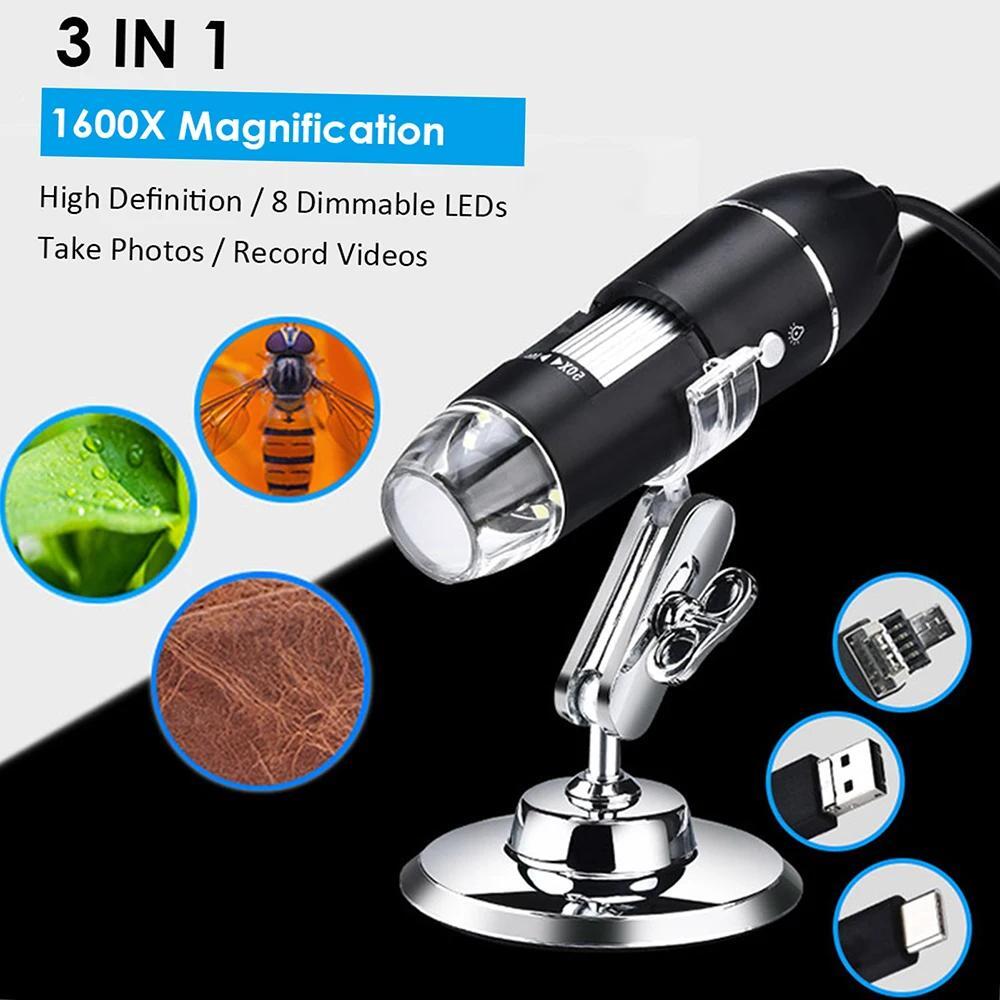
If you want one tool to reach for again and again, this digital magnifier covers a lot of ground. It's designed for biological and chemistry work, education, skin and hair exams, plant dissecting, textile, jewelry, coin, printing, and PCB or PCBA inspection. That broad range is the main reason to choose it. It also includes eight white LEDs for illumination, which is useful when you're looking at varied surfaces. The limitation is the operating system: compatibility is for WIN7, WIN8, WIN10, and XP, so it fits Windows-based setups. At USD 15.83, it also sits in a much lower price tier than the HAYEAR.
Final Choice by Use Case
Match the choice to your use case. Go with the HAYEAR when your main goal is a detailed, reviewable image in an industrial or documentation setting. Go with the 1600X when you want a versatile digital microscope for classrooms, hobbies, and everyday inspections at a much lower price.