When you need to connect a meter or scope to a circuit, the choice of test leads and probes can be the difference between a clean reading and a frustrating session. Are you better off with a two-probe oscilloscope kit that clips onto components, or a set of silicone-insulated test leads for general bench work? Here's how the JINHAO oscilloscope probe kit and the Fluke TL224 SureGrip test leads stack up.
Quick verdict
For oscilloscope users who need two clip-style probes with ground leads, the JINHAO kit is the practical choice at $17.99. For test and measurement work where you want the flexibility of silicone leads from a brand known for high-quality, durable products, the Fluke TL224 at $25.00 is worth considering. Decide based on what you'll connect them to.
Quick comparison
| Product | Price | What it is | Key specs |
|---|---|---|---|
| JINHAO Oscilloscope Probe Kit | $17.99 | Two oscilloscope probes with mini alligator clip and ground lead | 1X and 10X attenuation, DC-6MHz at 1X, 100MHz at 10X, 120cm cable |
| Fluke TL224 SureGrip Silicone Test Leads | $25.00 | Silicone-insulated test leads | SureGrip design, silicone insulation |
Where the JINHAO kit wins
- You need two probes at once for comparing signals.
- You want a 1X/10X switch and the full bandwidth at 10X.
- The included ground lead and clip make it easy to attach to components.
Where the Fluke TL224 wins
- You're doing general test and measurement with standard leads rather than scope probes.
- You prefer silicone-insulated leads with a SureGrip shape.
- You want a lead set from a brand known for durable, reliable test tools.
JINHAO Oscilloscope Probe Kit
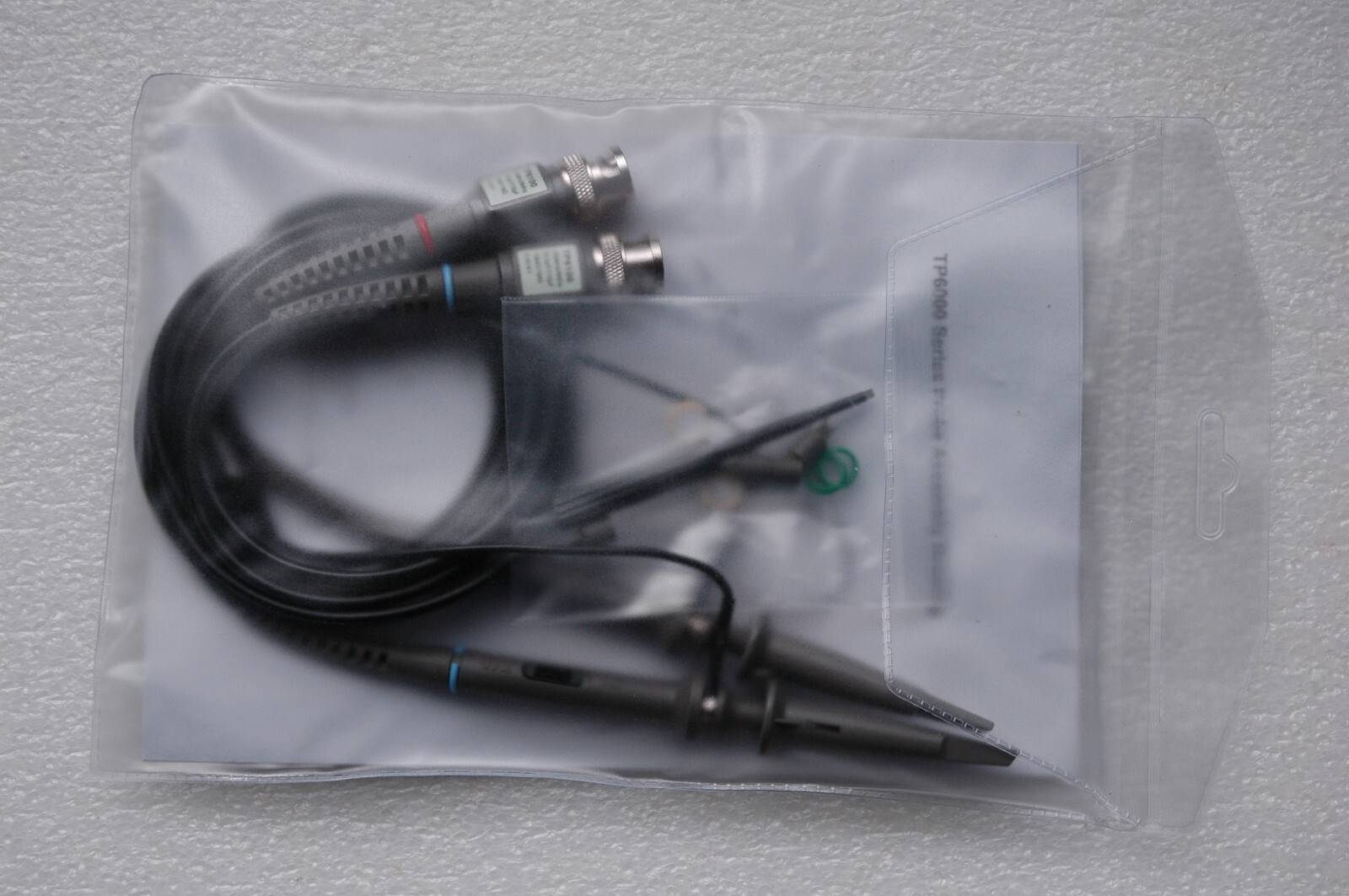
If your bench setup centers on an oscilloscope, this kit gives you two clip-style probes with ground leads, so you can look at two points in a circuit at the same time. The probe switch lets you go between 1X and 10X, with the 10X position reaching 100MHz and a maximum input of 600VDC+Peak AC. That makes it a strong fit for signal tracing and waveform checks. The 120cm cable gives you decent reach across a workbench. On the downside, this is a scope probe kit, not a general-purpose meter lead. If you mainly need leads to plug into a multimeter for everyday resistance or voltage checks, the clip-on scope probes will feel less natural. You also need to pay attention to the 1X voltage limit of 300VDC+Peak AC.
Fluke TL224 SureGrip Silicone Test Leads
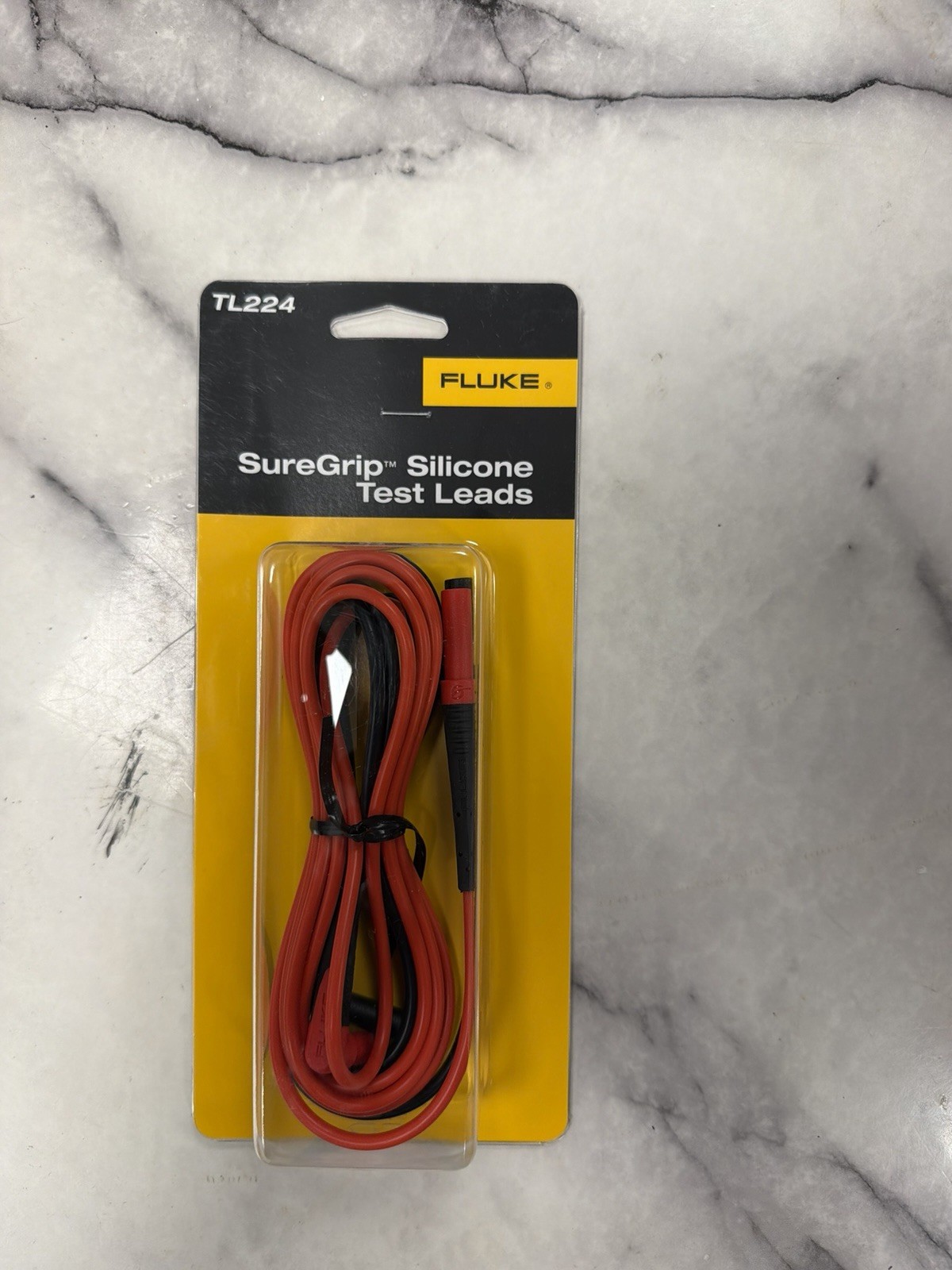
The Fluke TL224 is a more conventional test lead set, with silicone insulation and a SureGrip shape that makes it comfortable to handle for longer sessions. It's a good choice when you're moving between meters and general test points and don't need oscilloscope-style probes. The silicone insulation is a useful property in a test lead, and the SureGrip shape is designed for comfortable handling. Fluke's reputation for high-quality, durable products adds confidence to the purchase. The trade-off is that you don't get the 1X/10X switching, the 100MHz bandwidth, or the clip-and-ground-lead setup that the JINHAO kit includes. If your work is mostly scope-oriented, the TL224 won't replace a proper probe set. It's the right tool when standard test leads are what the job calls for.
Final choice by use case
Choose the JINHAO oscilloscope probe kit if you're outfitting a scope and want two probes with clip and ground leads for signal measurement. Choose the Fluke TL224 SureGrip silicone test leads if you want a straightforward set of silicone-insulated leads for multimeter and general bench work. Both are new, and both have their place; the right one depends on the tool you're connecting.