When shopping for data acquisition recorders, you're really choosing between two different project paths. Do you want to build a custom data-acquisition circuit from bare components, or do you want a ready-to-run recorder that logs GPS and telemetry data the moment you power it up? That decision separates the two products in front of you: a multi-chip data acquisition system set and a complete GPS speed meter and telemetry logger.
Quick verdict
If your project calls for embedding data acquisition into your own board, the MAX197 chip set is the low-cost, low-risk starting point. If you need a portable GPS speed meter and telemetry logger for lap timing, drag racing, or vehicle data logging, the Racebox Micro GPS Speed Meter & Telemetry Data Logger is the more capable turnkey tool. The two sit at opposite ends of the price spread, so the right choice comes down to whether you want to build or buy.
Comparison at a glance
| Consideration | MAX197 chip set | Racebox Micro |
|---|---|---|
| Price | USD 15.00 | USD 129.99 |
| What you get | 5 new MAX197BCNI/MAX197BENI data acquisition system chips | GPS speed meter and telemetry data logger with 25Hz GNSS receiver, Bluetooth, NMEA and RaceBox Protocol support, API docs, standalone storage |
| Condition | New | New |
| Best for | Custom data-acquisition boards | Lap and drag timing, telemetry logging |
Where each product wins
The MAX197 chip set wins on component cost and quantity. For a custom acquisition board, the new chips give you the core data acquisition components to integrate with your own circuitry. It's the obvious pick for embedded engineers or hobbyists who already have a design and just need the chips.
The Racebox Micro wins on turnkey capability and measurement precision. With ten-centimeter precision, it's a complete instrument for lap and drag timing. The standalone storage means it can log independently. If you don't want to build a recorder, this is the product that saves you the engineering.
Product notes
5pcs New MAX197BCNI MAX197BENI data acquisition system imported chip
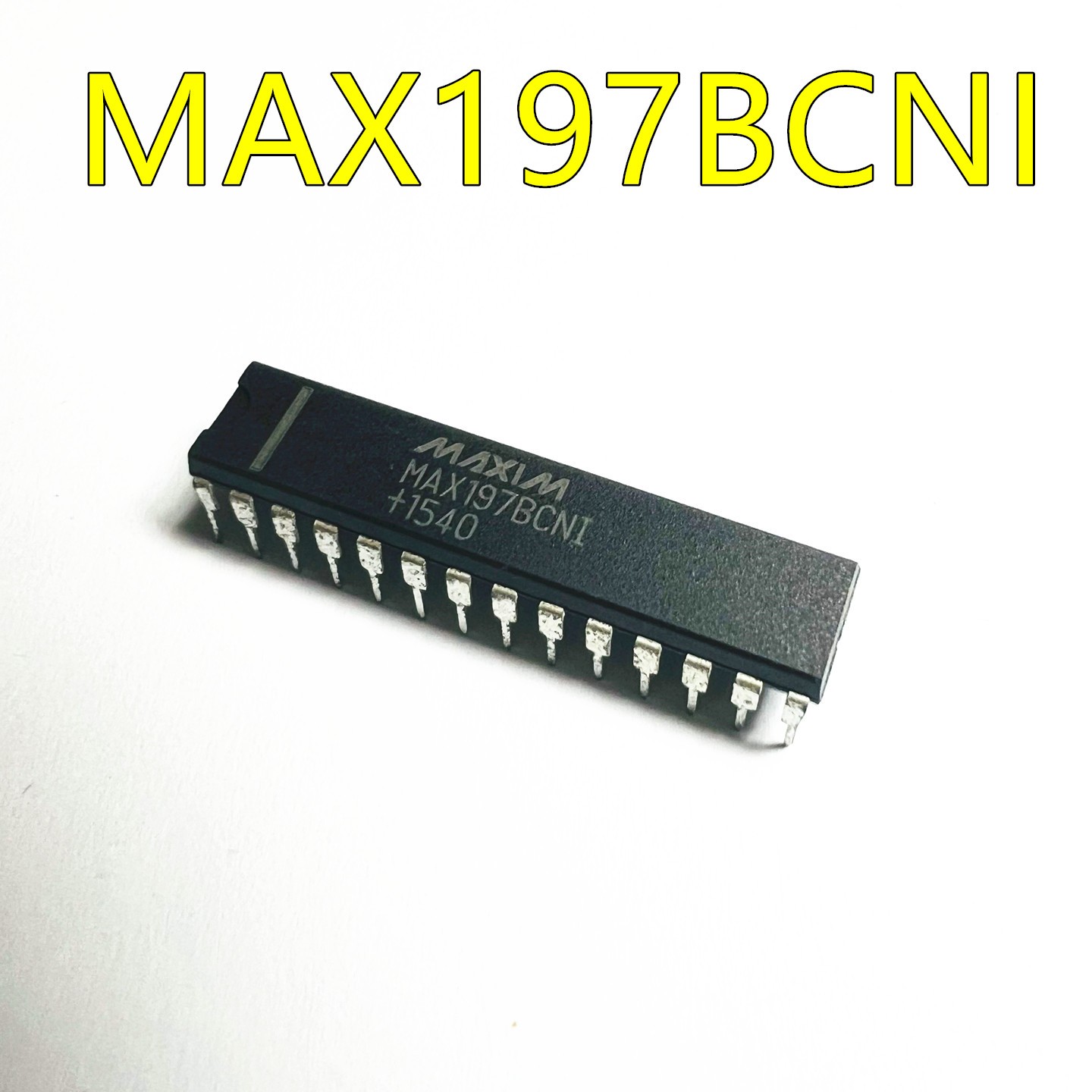
The MAX197 set is a raw component purchase. You get a set of MAX197BCNI/MAX197BENI data acquisition system chips, which is a practical quantity if you're prototyping or need spares for an existing design. The part numbers in the title point to a classic data acquisition system chip, so it's a sensible starting block for an embedded data acquisition front end. The tradeoff is that these are chips, not a finished data logger. You have to integrate them into a board and provide the surrounding circuitry to make them useful. If you're not ready to design a PCB, this set will sit unused. It's the right choice only when you have a clear build plan and want a low-cost source of data acquisition ICs.
Racebox Micro GPS Speed Meter & Telemetry Data Logger [BOX001]
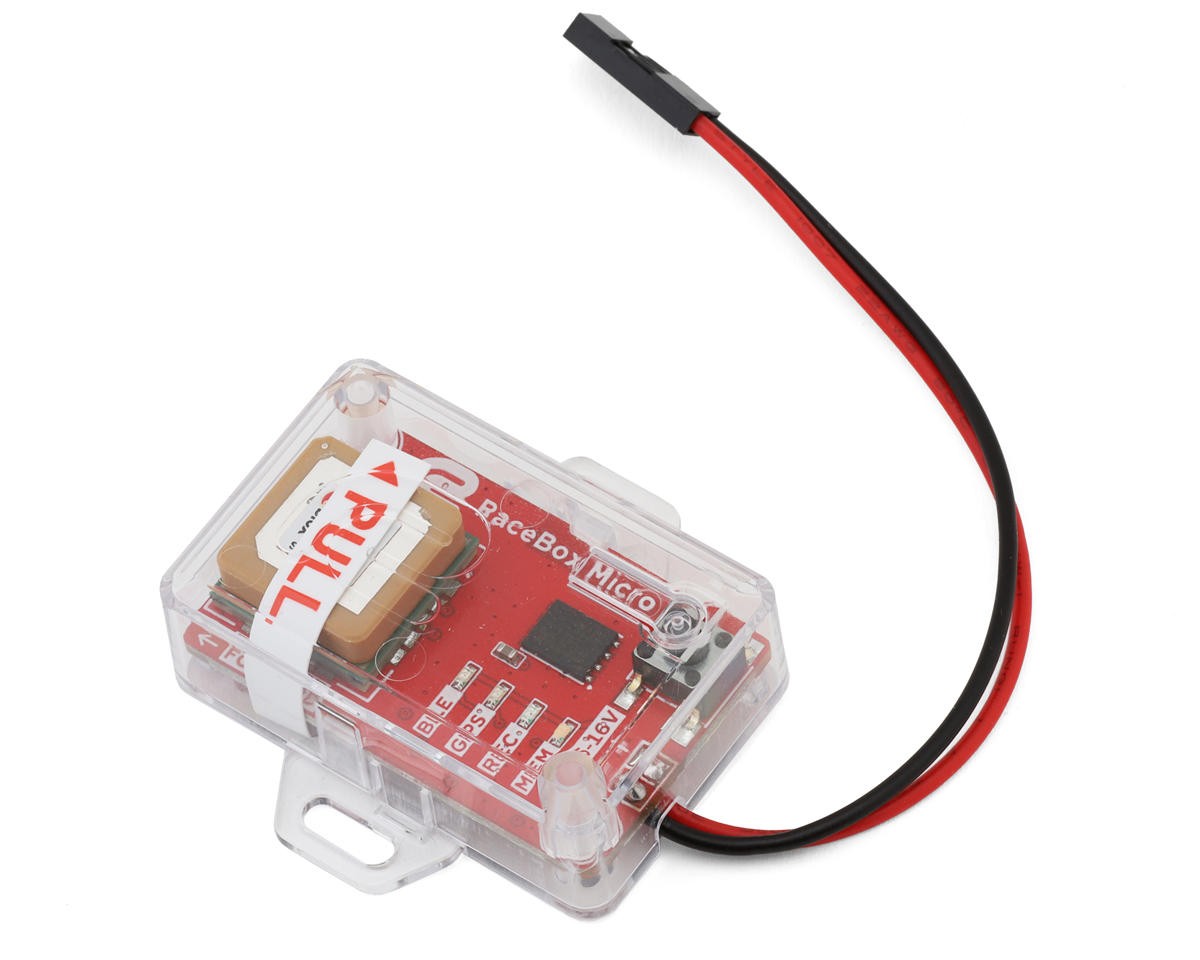
The Racebox Micro is the complete package. It's a standalone GPS speed meter and telemetry data logger that pairs a 25Hz GNSS receiver with ten-centimeter measurement precision. It supports both the RaceBox Protocol and NMEA over Bluetooth, so you can send live data to a phone or other compatible device. The standalone storage allows logging without a separate computer, and the API documentation opens the door to custom apps and integrations. It's made in Bulgaria and identified by model number BOX001. The limitation is the higher price. At USD 129.99, this is a much bigger investment than the MAX197 chip set, and that investment only pays off if you actually need a turnkey GPS telemetry recorder. For someone who just needs an acquisition chip for a board, the Racebox Micro brings far more than required and at a substantially higher cost.
Final choice by use case
Choose the MAX197 chip set if you're building a data-acquisition circuit and want a batch of MAX197BCNI/MAX197BENI chips for your own board. It's the lower-priced option and gives you a complete set of data acquisition chips to work with.
Choose the Racebox Micro if you want a ready-to-run GPS speed meter and telemetry logger for lap timing, drag racing, or vehicle data logging. It delivers the GNSS precision and standalone recording that the chip set can't provide without significant additional work.