Quick Verdict
If you are shopping in the centrifuges, mixers, and shakers category, you will find two very different bench tools: a clinical centrifuge that spins samples down and a vortex stirrer that mixes liquids up. The decision is not about which is better overall; it is about which action your bench needs most. For clinical labs that need consistent fluid-particle separation, the Medline 642M is the centrifuge to pick. For studios, hobby benches, and anyone mixing paints or polishes, the LABHOUSE Vortex Stirrer is the mixer to pick, and it carries the lower list price.
Comparison at a Glance
| Product | Price | Core Specs | Best For |
|---|---|---|---|
| Medline 642M Single-Speed Clinical Lab Centrifuge | USD 109.99 | Single-speed clinical centrifuge | Clinical labs and fluid-particle separation |
| LABHOUSE Vortex Stirrer Mixer 3 Speed Paint Nail Polish Lab Mixer | USD 47.95 | 3-speed vortex mixer | Paint, nail polish, inks, adhesives, and hobby mixing |
Where Each Product Wins
The Medline 642M wins when the goal is clinical separation. It is built as a clinical lab centrifuge. The LABHOUSE wins when the goal is mixing variety. Its low-noise operation and stable benchtop design make it a better fit for paints, pigments, nail polish, adhesives, and laboratory samples that need to be stirred rather than spun. The two tools are not interchangeable: a centrifuge separates, while a mixer blends.
Product Notes
Medline 642M Single-Speed Clinical Lab Centrifuge
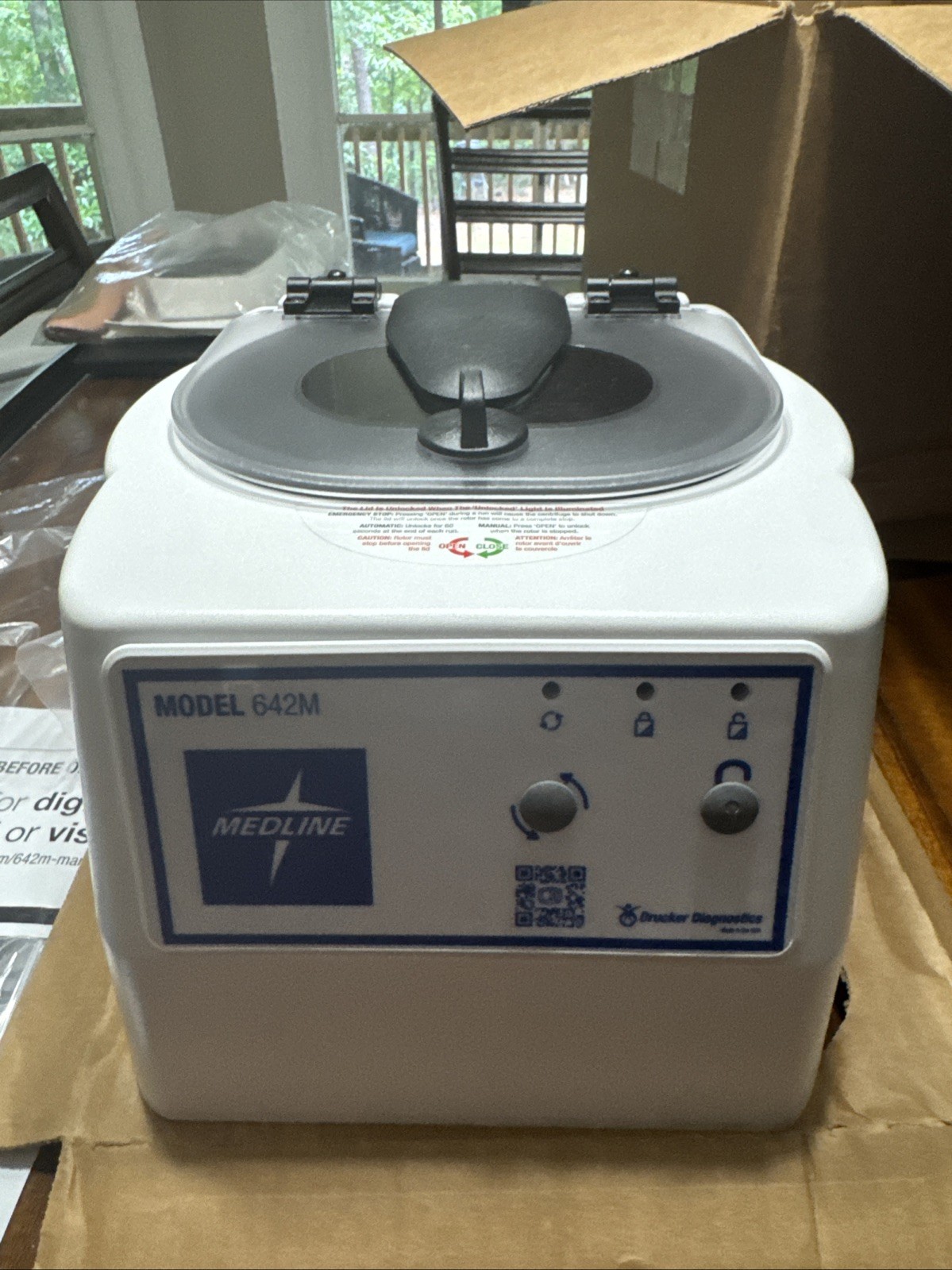
Choose the Medline 642M when your daily work depends on reliable centrifugal separation. As a single-speed clinical centrifuge, it keeps the process straightforward: you do not have to program speeds, and the run is designed to stay consistent. The unit is in new open-box condition, and the product name says it has been tested and is working, so it should be ready for the bench without extra setup. Its durable build and United States origin add confidence for clinical environments. The limitation is that this is a separation tool, not a mixing tool. If you need to blend paint, polish, or pigments, the centrifuge will not do that job. It also sits on the higher side of the price range, so it makes sense primarily for labs that actually need centrifugal force.
LABHOUSE Vortex Stirrer Mixer 3 Speed Paint Nail Polish Lab Mixer
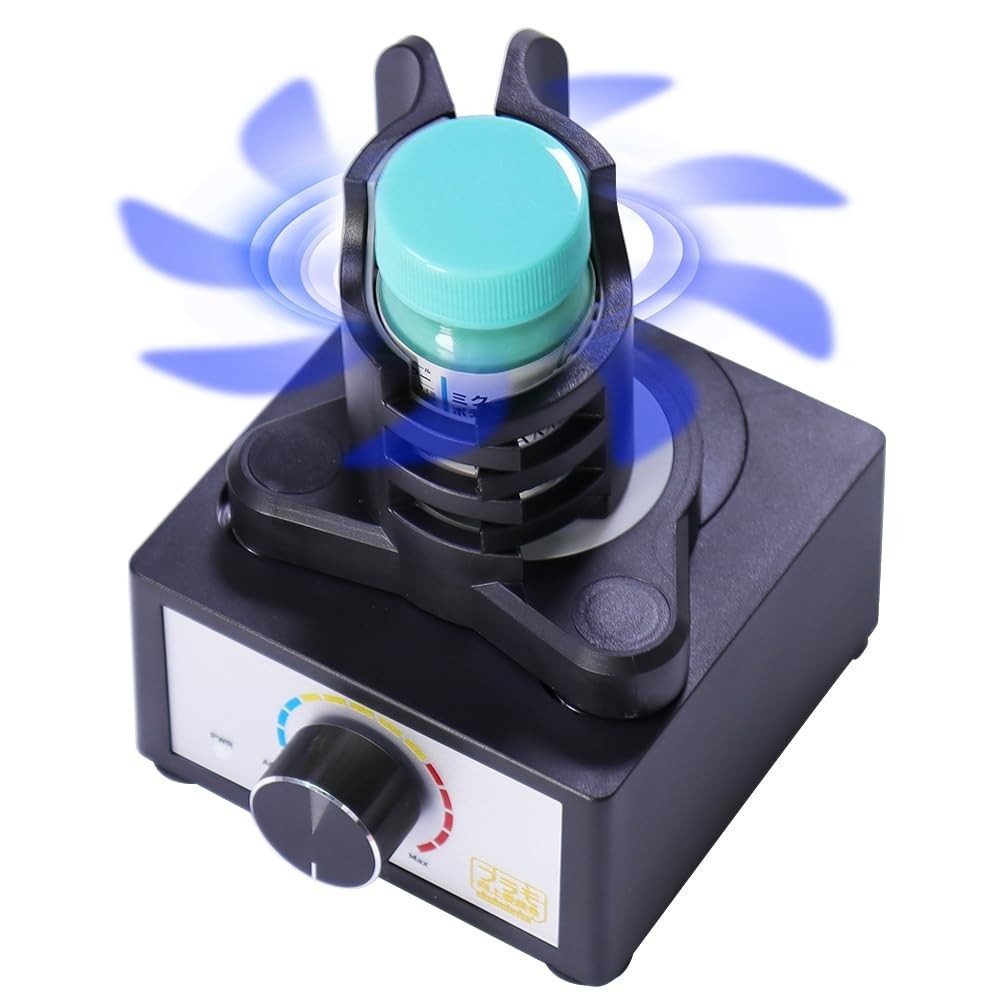
If your bench is more studio than clinic, the LABHOUSE is the more natural fit. The three-speed adjustment lets you shake things up gently for nail polish or more aggressively for inks and adhesives, and the low-noise, stable design keeps it comfortable for hobby work. The contents are new and unused, even though the outer box shows minor shelf wear. That makes it a practical pick for paint, acrylics, model paints, pigments, and laboratory samples that simply need mixing. The limitation to remember is that this is a vortex mixer, not a centrifuge. It will not separate fluids and particles by spinning them down, so it cannot cover the Medline's main use. If you need true centrifugation for clinical samples, a mixer, even one with three speeds, is not the substitute.
Final Choice by Use Case
- Clinical lab and medical use: Go with the Medline 642M Single-Speed Clinical Lab Centrifuge at $109.99 when you need centrifugal separation for fluids and particles. Its new open-box condition and US origin fit clinical expectations.
- Paint, polish, and hobby mixing: Go with the LABHOUSE Vortex Stirrer Mixer at $47.95 when your main task is mixing paints, inks, nail polish, adhesives, or hobby samples.
- If budget is the deciding factor: The LABHOUSE costs $62.04 less than the Medline. For mixing-heavy work, the lower-priced mixer is the sensible buy; for clinical separation, the centrifuge's higher price is justified by its role.