Choosing between these two used detectors means choosing what you want to detect. The Ocean Optics USB2000 USB Spectrometer and the Vintage Bismatron ARC Atomic Research Corp Geiger Counter Radiation Survey Meter both fit in a spectroscopy analysis and detection workspace, but one is an optical instrument and the other is a radiation meter. The decision starts with which type of measurement matters for your projects.
Quick verdict
If you need to read optical spectra, the Ocean Optics USB2000 is the practical choice at $450 and is in excellent condition. If you're drawn to historical scientific hardware, the Bismatron ARC Geiger Counter at $528 is a rare vintage Geiger counter and a strong collectible.
Side-by-side comparison
| Ocean Optics USB2000 | Bismatron ARC Geiger Counter | |
|---|---|---|
| Listed price | USD 450.00 | USD 528.00 |
| Price bar | ||
| Condition | Used, excellent condition | Used vintage unit |
| Core purpose | Optical spectroscopy | Radiation survey |
| Standout detail | USB spectrometer | Ten original Victoreen 6306 tubes |
Where each unit wins
- Ocean Optics USB2000 wins for optical measurement. It is an optical spectrometer from its title and a direct match for spectrum measurement.
- Bismatron ARC Geiger Counter wins for historical collecting. This Atomic Research Corp instrument was made in Colorado Springs during the early Atomic Age and is the kind of rare survivor that belongs on a study shelf or restoration bench.
Product notes
Ocean Optics USB2000 USB Spectrometer, excellent condition
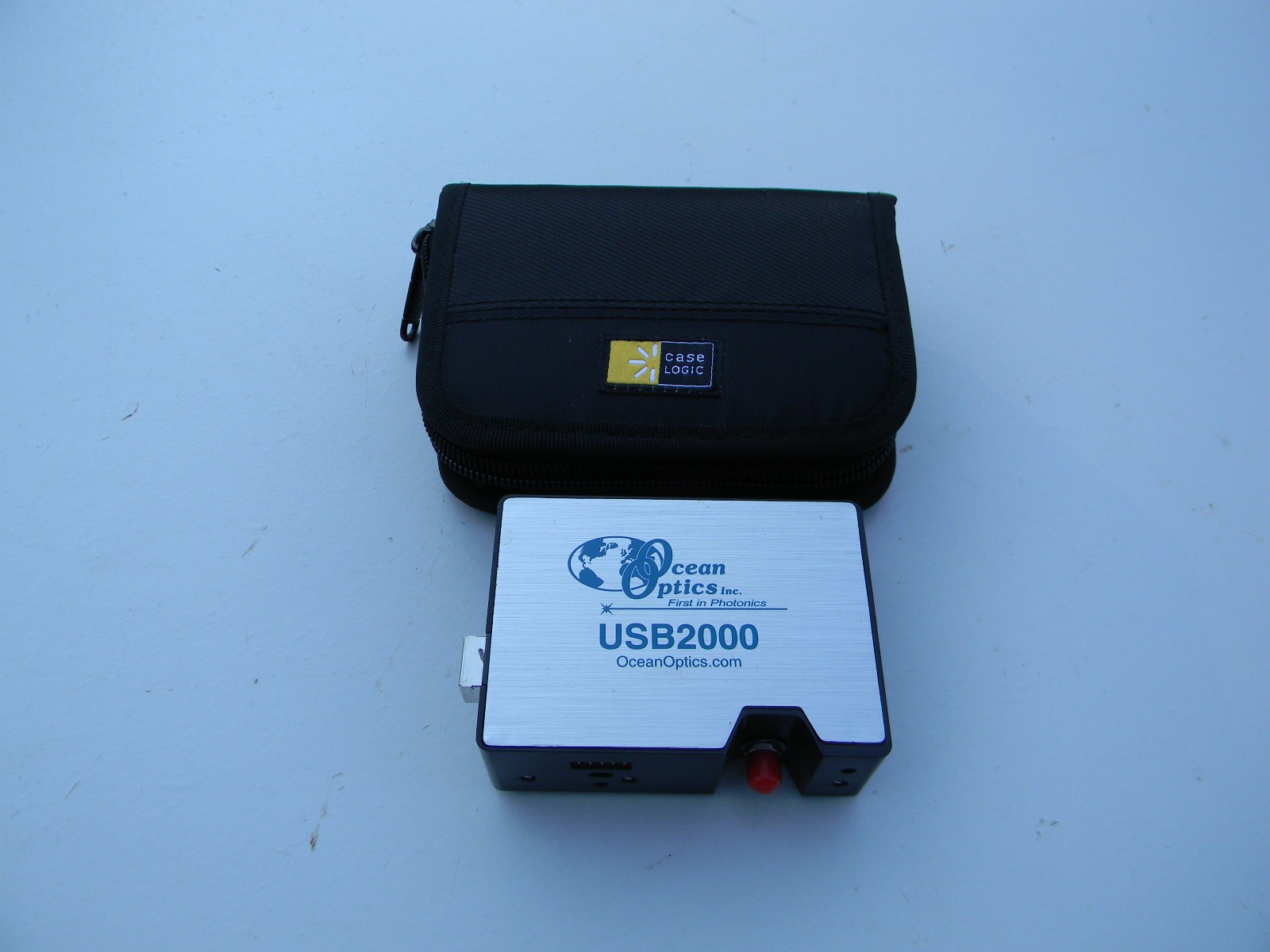
The Ocean Optics USB2000 is the option to reach for when you are setting up a light-analysis workstation. It is a USB spectrometer, so it fits naturally alongside a computer, and it is classed as an optical spectrometer, which points to spectrum measurement rather than radiation counting. That combination makes it the simpler choice for lab-style spectroscopy. The flip side is that its scope is narrow: it is not built to survey radiation, so anyone who needs Geiger-style detection will have to look elsewhere. For the price in this comparison, you are getting a specialty tool for light, not a multi-detector.
Vintage Bismatron ARC Atomic Research Corp Geiger Counter Radiation Survey Meter
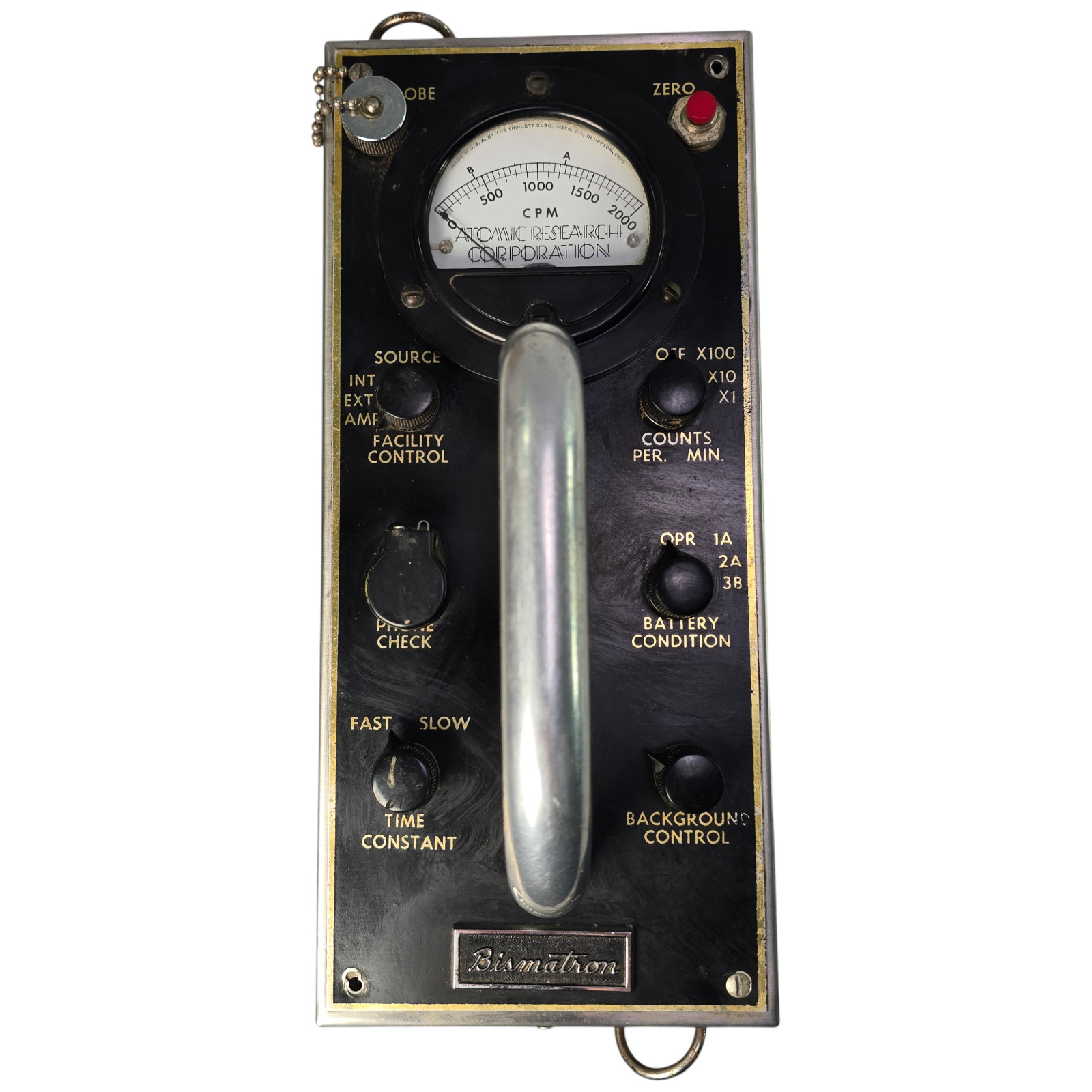
The Bismatron ARC Geiger Counter appeals to a completely different buyer. It is an Atomic Research Corporation radiation detector from the 1950s, and comparable examples are scarce on the collector market. That makes it a compelling candidate for display, study, or restoration rather than routine lab work. The practical limitation is that it is not an optical spectrometer; it will not help you analyze light spectra. If your priority is a rare piece of scientific history, this is the more interesting purchase. If your priority is everyday spectroscopy, the Ocean Optics USB2000 is the better match.
Final choice by use case
Choose the Ocean Optics USB2000 when your immediate task is spectroscopy and light analysis; it is the less expensive unit in this pair. Choose the Vintage Bismatron ARC Geiger Counter when you are building a collection, studying early scientific hardware, or restoring a rare Atomic Age device; its originality and complete tube set make the higher asking price defensible.