Need to mix samples without turning your bench into a guessing game? Two very different tools tend to show up together when you shop for lab mixing equipment: a digital orbital shaker and a mini vortex mixer. One is built for longer shaking; the other for quick blending. The right pick is not about which one has more numbers attached; it is about which one matches the tasks you actually run. If you only want to blend a bottle of nail polish before opening it, waiting for an orbital cycle is overkill. If you need a flask to sit in mild motion for a while, a quick vortex burst won't do the job. The two solve different problems, so the choice comes down to your process more than the price gap.
Quick verdict
If you need controlled oscillation for lab work, the Digital Orbital Shaker Oscillator Adjustable 40-200 RPM Lab Oscillating Shaker is the one to build around. If your job is mixing paints, nail polish, or similar small batches, the 5000RPM Mini Vortex Shaker Lab Vortex Mixer Paint Shaker is the practical bench companion.
Side-by-side comparison
| Digital Orbital Shaker | Mini Vortex Shaker | |
|---|---|---|
| Listed price | $259.99 | $49.99 |
| Speed range | 40-200 RPM, adjustable | 5000 RPM |
| Control style | Digital panel with speed and time control | Touch activation |
| Motor | DC brushless motor | Brushless motor |
| Mixing focus | Gentle shaking across different industries | Paints and nail polish |
| Build notes | Compact design for incubator or other lab equipment | ABS and silicone materials |
Where each product wins
The Digital Orbital Shaker wins for jobs that need a consistent, gentle cycle rather than a quick burst, while the Mini Vortex wins for on-the-spot blending where you want to handle one small mix and move on. That means the choice is tied less to brand or flash and more to the rhythm of your workload.
Product notes
Digital Orbital Shaker Oscillator Adjustable 40-200 RPM Lab Oscillating Shaker
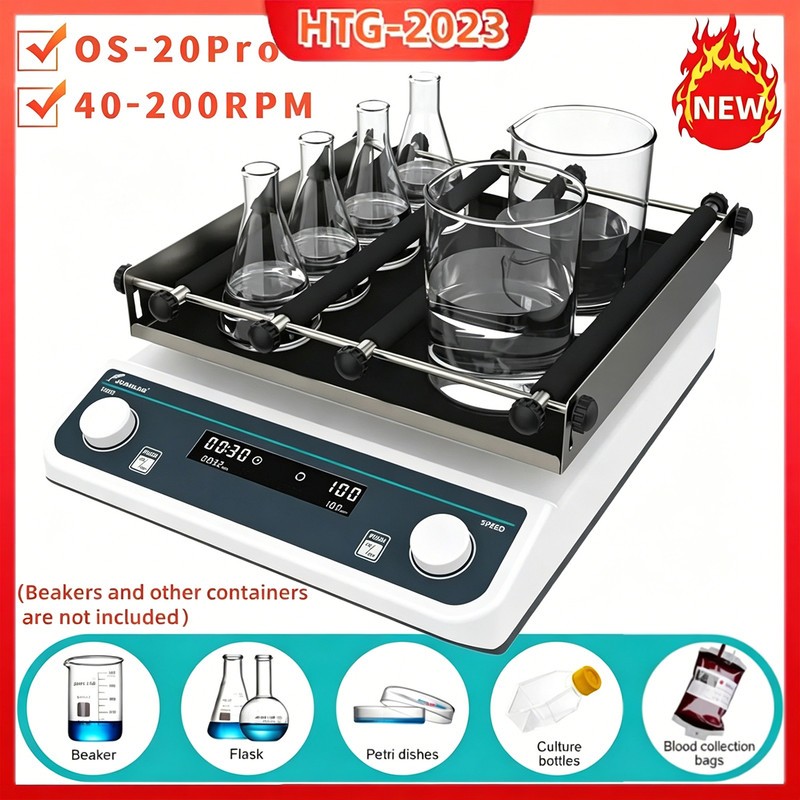
The JOANLAB OS-20Pro gives you more control than a quick spin. The digital panel handles speed and time, so you can set a slower pace or move up to 200 RPM without guesswork. The DC brushless motor is quiet and stable, and the compact design lets it sit inside an incubator, oven, or other lab equipment, which expands where you can use it. The real trade-off is the listed price: at $259.99, this is a bigger commitment than a simple mixer. If your work is mostly quick, high-speed batches, you may be paying for oscillation and digital timing you do not need.
5000RPM Mini Vortex Shaker Lab Vortex Mixer Paint Shaker for Paints Nail Polish
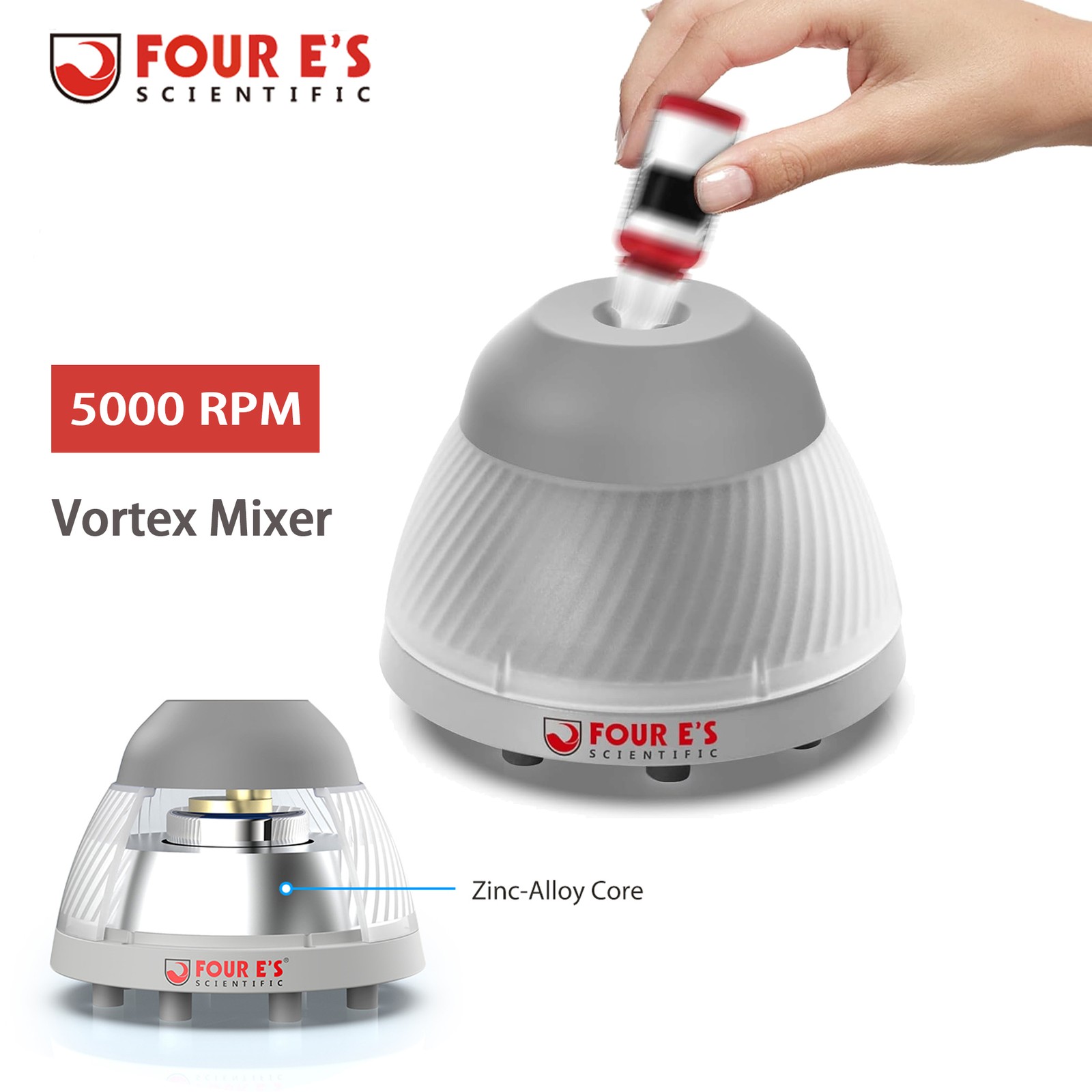
This one is built for speed and simplicity. The 5000 RPM motor is aimed at paints and nail polish, and the package is a single vortex mixer, so it arrives as a straightforward, focused tool. The ABS and silicone materials are easy to clean, which helps when you are moving between pigments or polish colors. Touch activation keeps the workflow short and hands-on, so the mixer runs when you press. That also shapes its best use: it is ideal for on-demand blends rather than long, unattended shaking cycles. If your bench routine is one small batch at a time, the 4E's Scientific mini vortex is the no-nonsense choice.
Final choice by use case
Choose the Digital Orbital Shaker when your bench routine centers on longer shaking runs. Choose the Mini Vortex Shaker when your bench routine centers on quick, direct mixes that you want to finish fast. The two solve different problems, and the one that fits your process is the one that will feel like the right buy.