In the centrifuges, mixers, and shakers aisle, the first decision is not about brand or color - it is about the job. A centrifuge spins samples down to separate or pellet; a vortex mixer shakes them up to blend or resuspend. The Plasma PRP Microcentrifuge and the 5000RPM Mini Vortex Shaker solve opposite bench problems. Before you buy, think about the last five protocols you ran: did they need a pellet or a homogeneous mixture? Here is how to pick.
Quick verdict
Quick answer: get the centrifuge if your bench work is about spinning things down - separating plasma, pelleting cells, or concentrating samples. Get the vortex mixer if your work is about shaking things up - resuspending reagents, blending samples, or homogenizing liquids. The two are not interchangeable; pick the one that matches the bottleneck in your current workflow.
Comparison at a glance
For a quick side-by-side, the price gap is about $2.72. The bigger difference is function, not cost.
| Tool | Price | Speed | Best suited for |
|---|---|---|---|
| Plasma PRP Microcentrifuge | USD 52.71 | 4000 rpm | Spinning down micro tubes |
| Mini Vortex Shaker | USD 49.99 | 5000 rpm | Blending and resuspending on demand |
Where each wins
Plasma PRP Microcentrifuge wins when the goal is separation: you want to pellet cells, precipitate DNA, or prep PRP from micro samples. It is the tool for protocols that leave a solid pellet at the bottom of the tube. If you process blood, PCR reactions, or cell culture samples, this is the direction you want.
Mini Vortex Shaker wins when the goal is homogenization: you want to mix paints and nail polish, resuspend a pellet, or blend small liquid volumes. It is the tool for protocols that end with an even liquid mixture. It is a flexible bench-side helper when you need a quick mix between runs.
Product notes
Plasma PRP Microcentrifuge
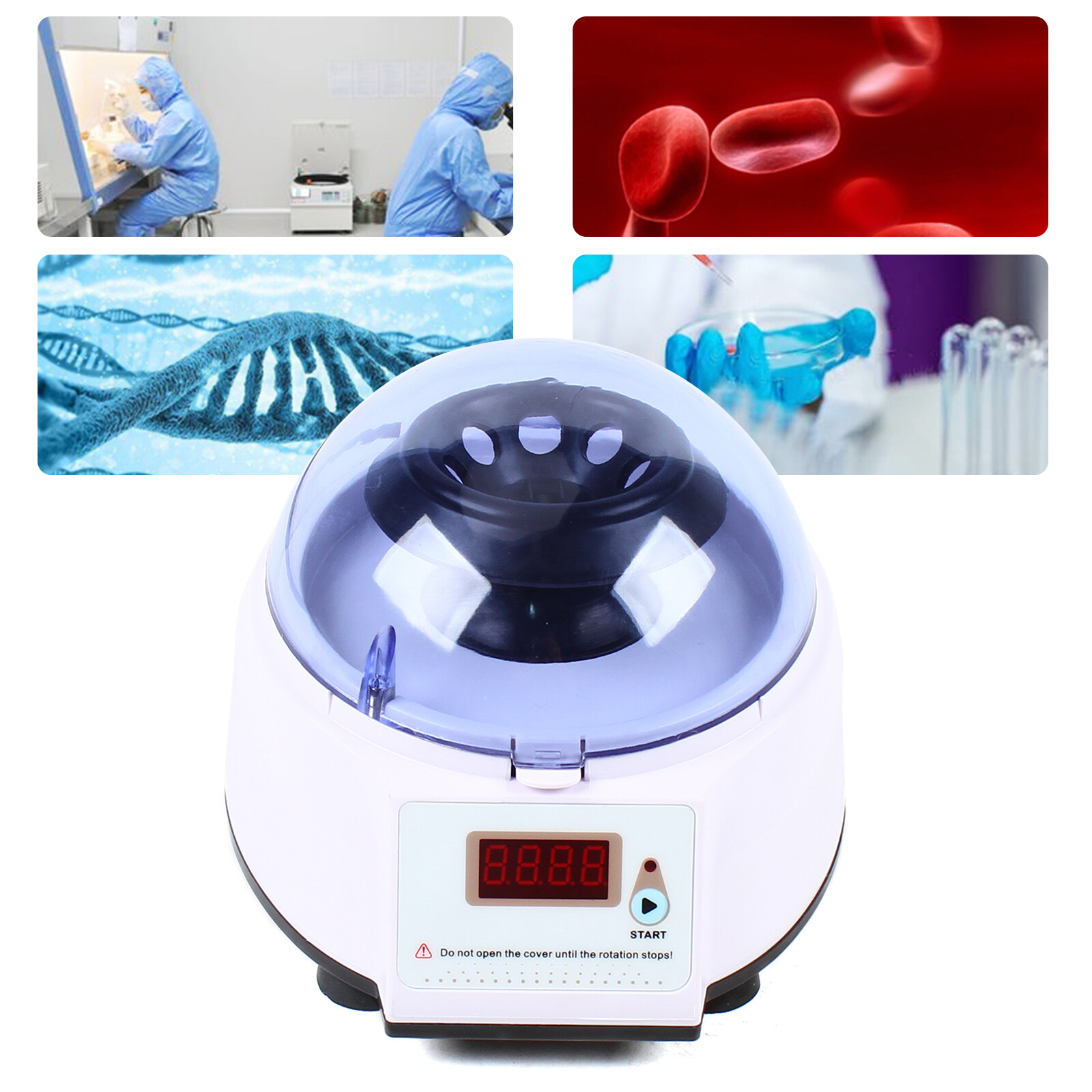
This centrifuge earns its place when your protocol ends in a pellet. It is a conventional lab centrifuge with an angle rotor that accepts 0.2, 0.5, 1.5, and 2.0ml tubes in an 8-place format, plus a second rotor for 0.2ml PCR tubes in an 8x2 layout. The LCD display keeps run status visible, and the compact design keeps noise low and maintenance simple. The package includes one centrifuge and a set of rotors, so you have two rotor options from the start. The limitation is the 4000 rpm top speed: it is fine for everyday micro sample spins, but not for protocols needing much higher g-force. Timing control isn't included, so you will run it manually. For routine pelleting work, that is an acceptable trade-off.
Mini Vortex Shaker
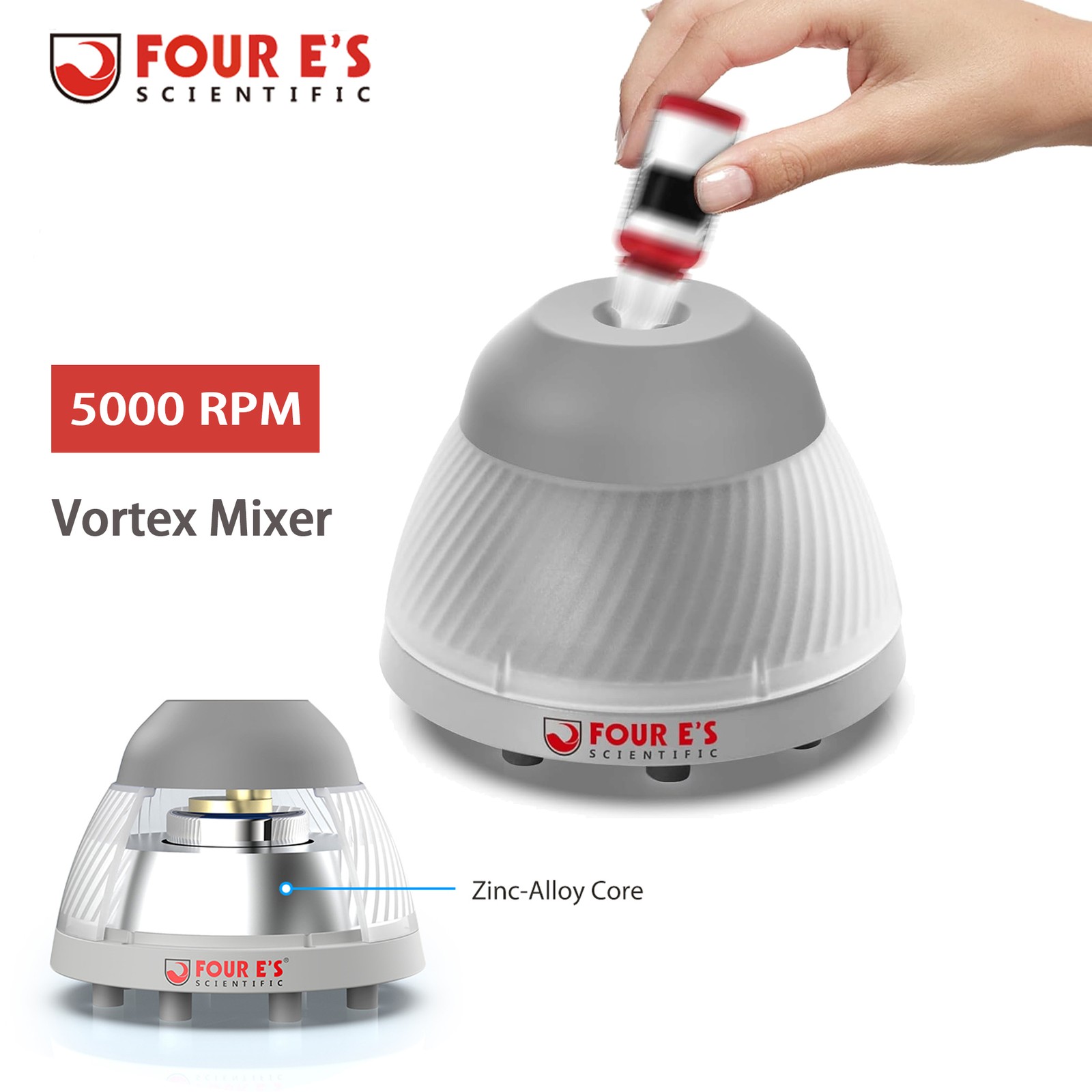
If mixing is your bottleneck, the Mini Vortex Shaker is the one to grab. Touch activation starts the motor when you press a tube or small container against the cup, and it stops when you lift the item - so you don't have to adjust controls for every mix. The brushless motor keeps operation quiet, while the ABS and silicone body makes cleanup straightforward after spills. It is compact enough for any lab bench, and the package is one ready-to-use vortex mixer. For paints, nail polish, and quick resuspension, this is the quicker, more direct tool. Its limitation is functional: it handles mixing, not the pelleting work of a centrifuge. If you also need to pellet samples, you will need a separate centrifuge.
Final choice by use case
Choose the Plasma PRP Microcentrifuge if: your daily routine is separation - PRP preparation, DNA/RNA work, or spinning down micro tubes.
Choose the Mini Vortex Shaker if: your daily routine is mixing - resuspending reagents, blending small volumes, or shaking up samples on demand.
If you need both? These tools complement each other. Start with the one that solves the bigger bottleneck today; add the other when your workflow requires it.