Choosing a centrifuge for your lab or clinic often comes down to one question: do you need a compact microcentrifuge for small tubes, or a desktop model that can handle larger tubes and timed runs? In the centrifuges mixers shakers category, the Plasma PRP Microcentrifuge and the Desktop Electric Lab Laboratory Centrifuge Machine take two different approaches. The Plasma PRP is the lower-priced, palm-friendly option for microtubes and PCR strips. The Desktop Electric is a larger unit for 20 mL tubes with a timer and speed control. Both are sold as new units and use 110V/60Hz power, so the decision can focus on sample size and run control. Here's how they compare.
Quick verdict: Choose the Plasma PRP Microcentrifuge for small-volume bench work and choose the Desktop Electric Lab Centrifuge for larger sample volumes and more repeatable runs.
| Product | Listed Price | Tube Capacity | Timer | Best For |
|---|---|---|---|---|
| Plasma PRP Microcentrifuge | USD 52.71 | 0.2/0.5/1.5/2.0 mL x 8, plus PCR strip capacity | No timing control | Microtube, PCR, and PRP-style small samples |
| Desktop Electric Lab Centrifuge | USD 60.00 | 20 mL x 6 tubes | 0-60 min or continuous | Larger-volume medical and chemistry work |
Where each product wins: The Plasma PRP Microcentrifuge suits microtube and PCR strip workflows, where its compact body and lightweight design are convenient. The Desktop Electric Lab Centrifuge suits labs that process larger samples and want more control over spin conditions. If your work changes between these two formats, choose the centrifuge that matches your most frequent tube size, not the occasional one.
Plasma PRP Microcentrifuge
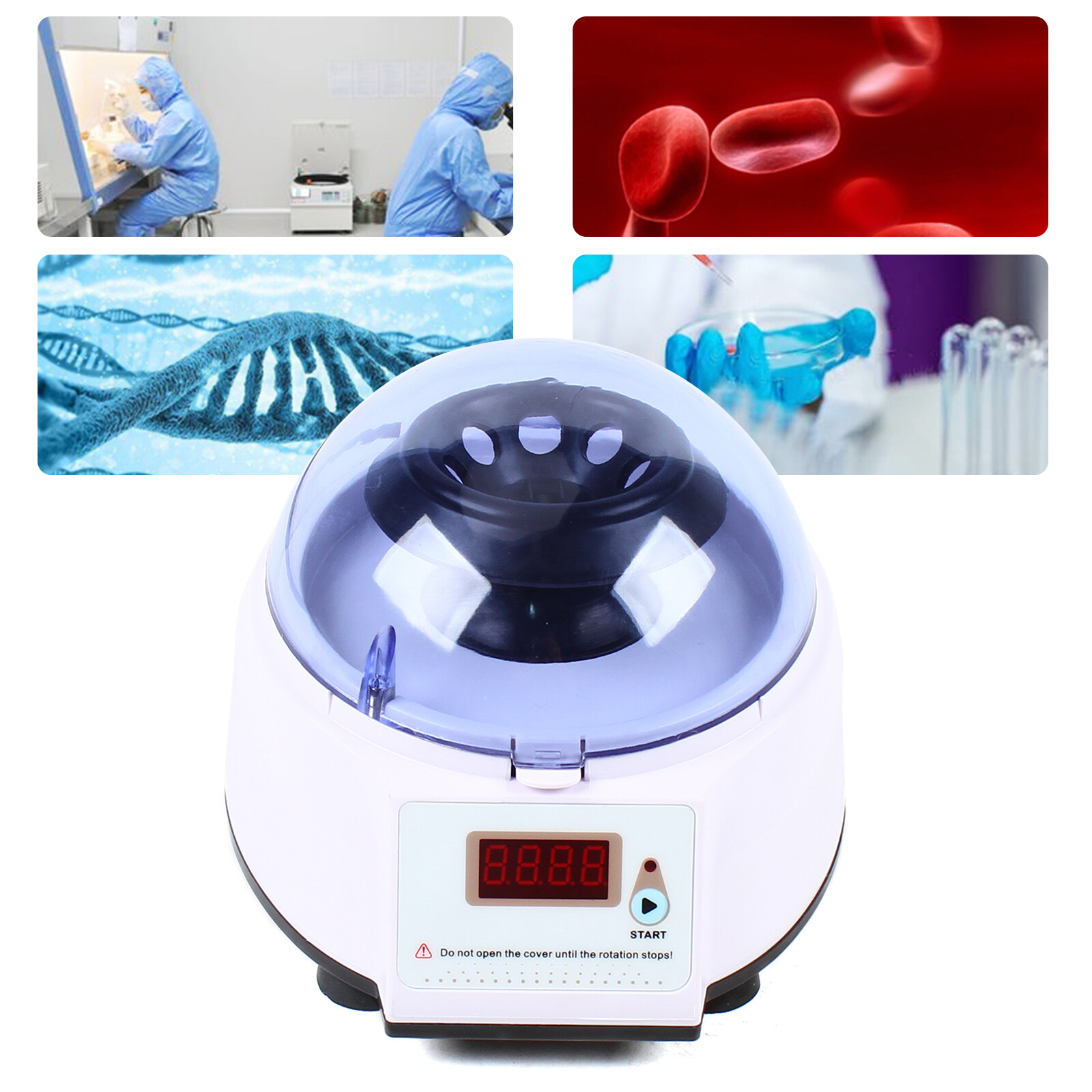
The Plasma PRP Microcentrifuge is built for small samples. Its standard rotor accepts 0.2, 0.5, 1.5, and 2.0 mL tubes, and the PCR strip capacity extends its usefulness for genetic and immunology work. The LCD display and light weight make it easy to place near your workspace, and the list price of USD 52.71 keeps it the lower-cost entry point between these two. If you are doing PRP separation or spinning down microtubes, this compact unit covers the basics without taking up much bench space. The main limitation is that there is no timing control, so runs are not automated. It also cannot accommodate 20 mL tubes, so larger-volume work would need a different centrifuge.
Desktop Electric Lab Centrifuge
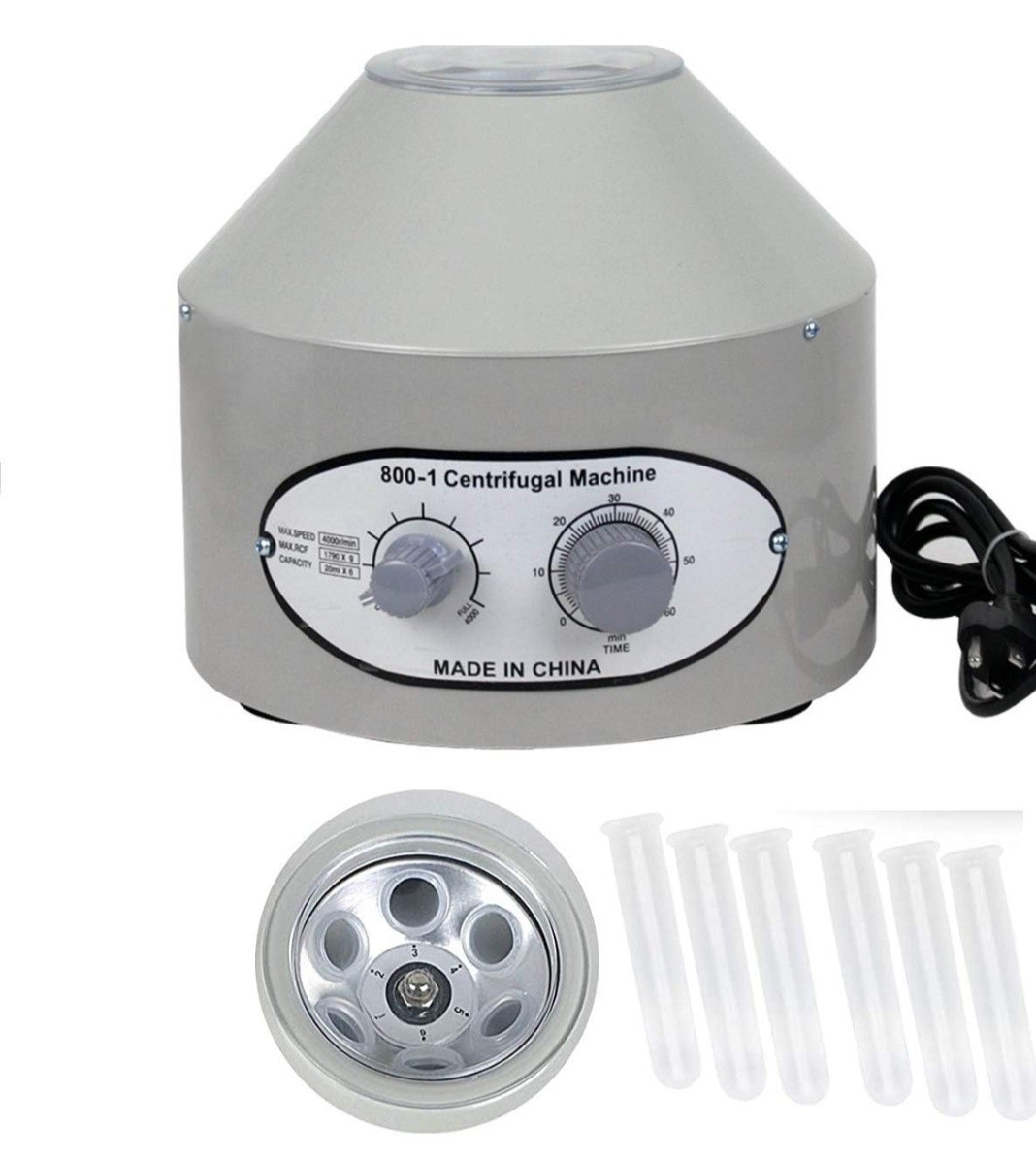
The Desktop Electric Lab Centrifuge is for larger tubes and more controlled spins. It comes with six 20 mL tubes and a speed control, and the timer can be set from 0 to 60 minutes or left to run continuously. That makes it a better choice for workflows where reproducibility matters, such as separating cells or particles in medical and chemistry labs. At USD 60.00, it costs more than the Plasma PRP, but it also gives you a bigger rotor and automated timing. The trade-off is the desktop footprint: the unit is not a palm-size model, and the 20 mL tube format is not aimed at microtube work. If your lab predominantly uses 20 mL tubes, this is the centrifuge to pick.
Final choice by use case: If your samples are microtubes, PCR strips, or PRP preparations, the Plasma PRP Microcentrifuge provides the compact bench option you need. If your work is built around 20 mL tubes and timed runs, the Desktop Electric Lab Centrifuge is the one to choose. Let the tube size and timer requirement drive the decision.