When you're outfitting a small lab bench, the first question isn't which brand to buy-it's which tool actually solves the task in front of you. In the centrifuges mixers shakers space, two very different helpers often end up on the same shortlist: a portable medical centrifuge for spinning small samples and an electric overhead stirrer for mixing larger batches. They don't compete for the same job, so the right choice comes down to your most frequent workflow.
Quick Verdict
If your samples need to be separated into layers-think blood or small liquid volumes-the Portable Medical Lab Centrifuge is the bench tool you want. If your work is about stirring and homogenizing larger volumes, including thicker liquids, the 160W Electric Adjustable Overhead Stirrer is the better fit. Matching the tool to the task matters more than anything else here.
At a Glance
| Product | Price | Best for | Key Specs |
|---|---|---|---|
| Portable Medical Lab Centrifuge | USD 69.44 | Spinning small samples at up to 4000 rpm | 6 x 20 ml tubes, adjustable speed and time |
| 160W Electric Adjustable Overhead Stirrer | USD 135.00 | Mixing up to 40 L of liquid | 100-2000 rpm, up to 10000 mPa·s |
Where Each Product Wins
- Choose the Portable Medical Lab Centrifuge when your process is separation: small tubes, high spin speeds, and a compact footprint. It's the one to reach for when you need to spin down components before analysis or prep small samples before analysis.
- Choose the 160W Electric Adjustable Overhead Stirrer when your process is blending: large vessels, thicker liquids, and an adjustable motor stand. Its height range makes it easier to work in taller containers.
Portable Medical Lab Centrifuge
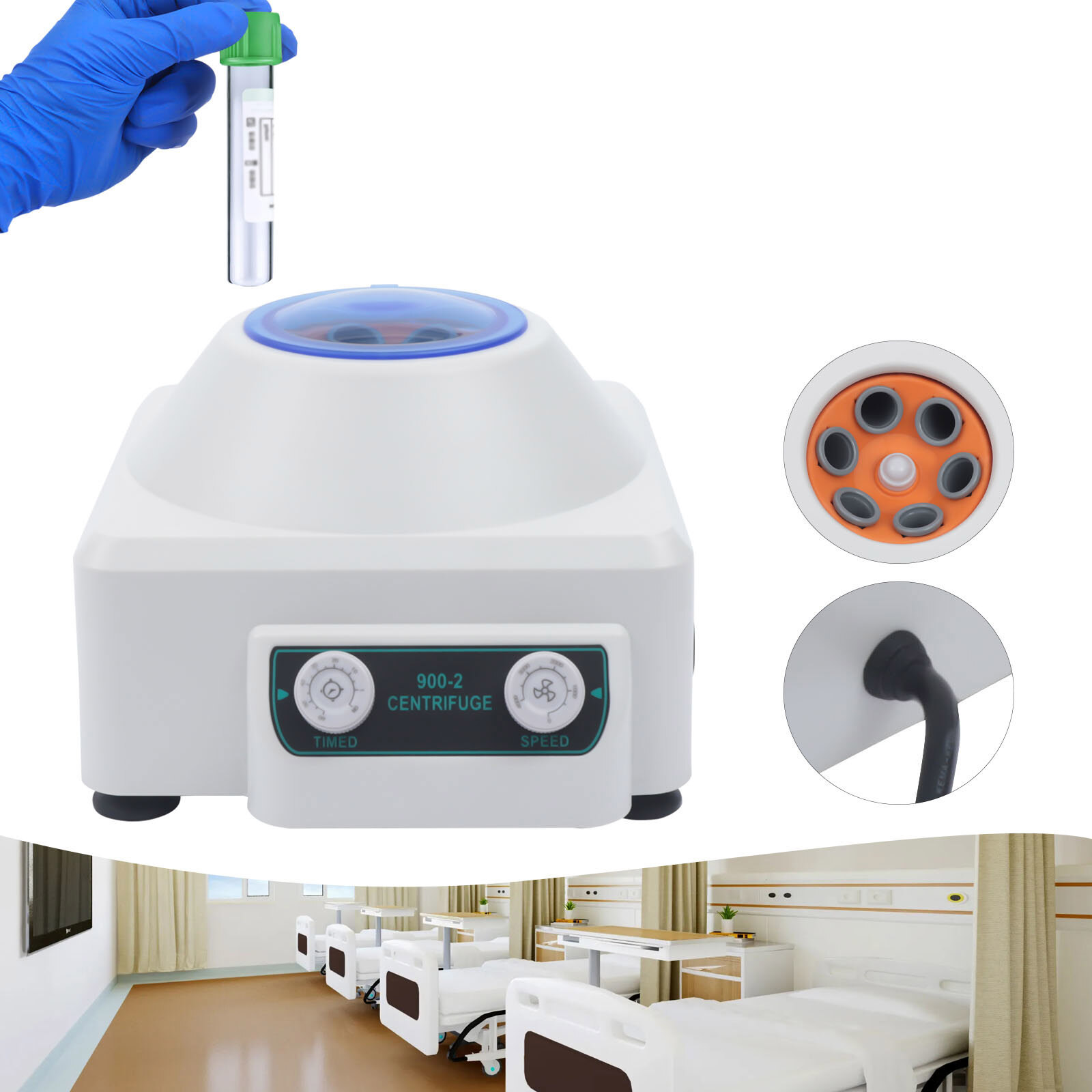
The Portable Medical Lab Centrifuge is a small, lightweight centrifuge that spins six 20 ml tubes at up to 4000 rpm. It uses a high-strength ABS turntable, which helps keep tubes from being damaged, and it has step-less speed and time knobs so you can adjust each spin instead of settling for a preset cycle. If your regular task is PRP preparation or separating small liquid samples, the low-noise, easy-to-clean design makes it a practical everyday companion for a bench where space is tight. The trade-off is scope: this is a centrifuge, so its strengths are in separation, not in mixing. Sticking to six 20 ml tubes means you're covered for small-batch work, but you'll need a different approach when volumes grow or when your process requires active stirring.
160W Electric Adjustable Overhead Stirrer
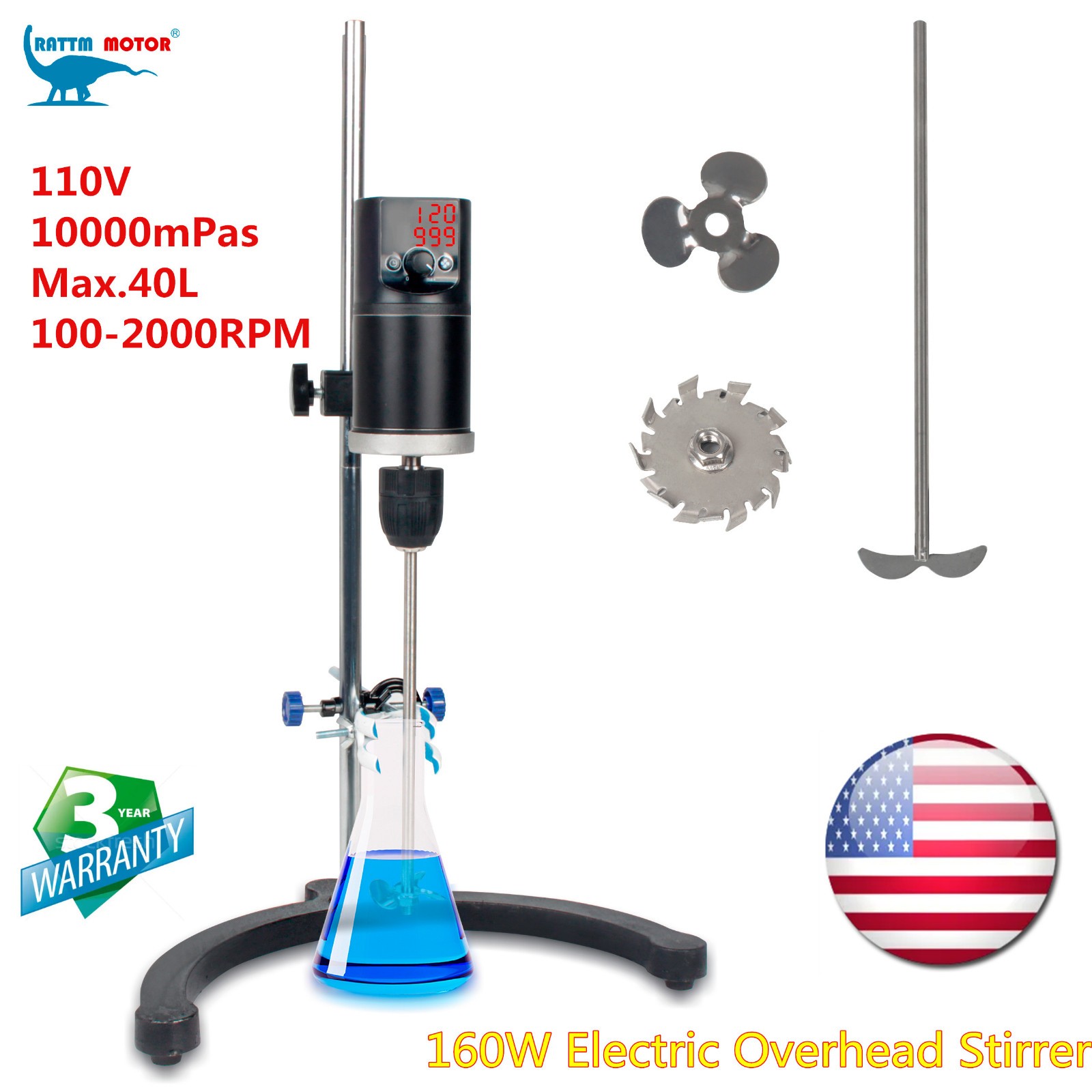
The 160W Electric Adjustable Overhead Stirrer is built for mixing tasks that a handheld unit can't handle. It can handle up to 40 L of liquid, works with viscosities up to 10000 mPa·s, and offers a wide 100-2000 rpm speed range. The motor stand's adjustable height-from 11.8 to 23.6 inches-gives you flexibility when you're working in deeper or taller vessels, and the 100W motor output gives it enough muscle for thicker mixtures. The limitation is its specialized role: this is an overhead stirrer, so its strengths are in mixing, not centrifugal separation. Weighing 11.9 pounds, it also takes up more space than the portable centrifuge. If your daily work is all about blending and homogenizing, the overhead stirrer earns its keep; if you mostly need to spin samples down, it's not the right tool.
Final Choice by Use Case
Use the Portable Medical Lab Centrifuge when your samples are small, your tubes are 20 ml, and the goal is separation-blood work or spinning down liquids before analysis. Use the 160W Electric Adjustable Overhead Stirrer when you're mixing larger volumes, working with high-viscosity liquids, or need an adjustable stirring height. If you can only bring one tool to the bench, choose the one that matches the step you perform most often.