When to Choose a Centrifuge vs a Stirrer
Choosing between a centrifuge and a magnetic stirrer isn't just about picking a machine; it's about matching the tool to the task. Centrifuges spin samples at high speed to separate components by density, while magnetic stirrers use a rotating bar to mix liquids without making direct contact. If you're setting up a small lab, a medical aesthetics practice, or a home brew station, the right choice determines whether your workflow is smooth or frustrating.
Quick Verdict
If you need to separate blood, PRP, or vaccine organics, the 8x15ml Medical Beauty PRP Lab Blood Centrifuge Machine is the clear choice. If you need to stir yeast starters, solutions, or low-viscosity liquids, the Magnetic Stirrer 3000 RPM Lab Mixer does the job at a much lower price.
Comparison at a Glance
| PRP Blood Centrifuge | Magnetic Stirrer | |
|---|---|---|
| Price | $178.32 | $27.11 |
| Capacity | 8 x 15 ml | up to 3000 ml |
| Max speed | 4000 r/min | 3000 rpm |
| Standout features | Digital display, electronic door lock, automatic balance | Adjustable speed, no heat, wide use |
The price gap is substantial, but the two tools serve different purposes. The centrifuge is built for separation; the stirrer is built for homogenization. Before you decide, think about whether your samples need to be spun apart or mixed together. If you only need to mix liquids, the stirrer's 3000 ml capacity dwarfs the centrifuge's eight 15 ml tubes, but the centrifuge can separate what the stirrer cannot.
Where Each Product Wins
- The centrifuge wins for blood and PRP separation, vaccine organics, and any task that needs centrifugal force. It also offers digital speed control, an electronic door lock, and automatic balance for safer, more consistent runs.
- The stirrer wins for home brew, food processing, school labs, and general mixing. Its adjustable stirring speed up to 3000 rpm and 3000 ml capacity make it flexible, and the no-heat design keeps your setup simple.
Product Notes
8x15ml Medical Beauty PRP Lab Blood Centrifuge Machine
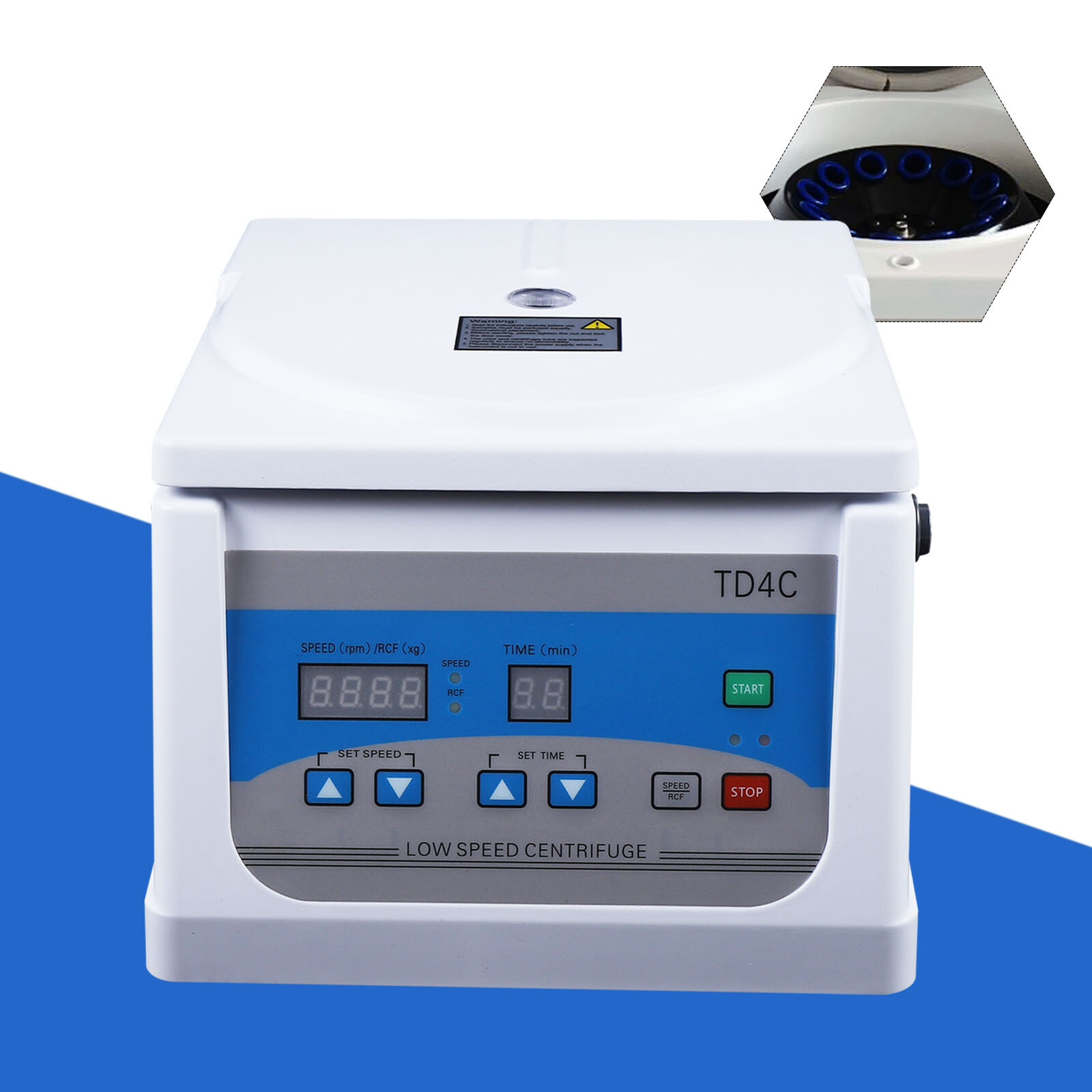
This tabletop centrifuge is built for clinical and lab work that demands separation. It uses a brushless DC motor with microcomputer control, a digital display, electronic door lock, and overspeed protection. The automatic balance feature means you don't have to manually balance tubes, and the 8 x 15 ml capacity suits standard blood or PRP tubes. The maximum speed of 4000 r/min generates enough force for blood and vaccine organics. The tradeoff: it's the higher-priced option in this pairing, and its capacity is limited to eight 15 ml tubes, so it's not a bulk sample processor. If your work revolves around PRP, blood separation, or vaccine samples, this is the right tool.
Magnetic Stirrer 3000 RPM Lab Mixer
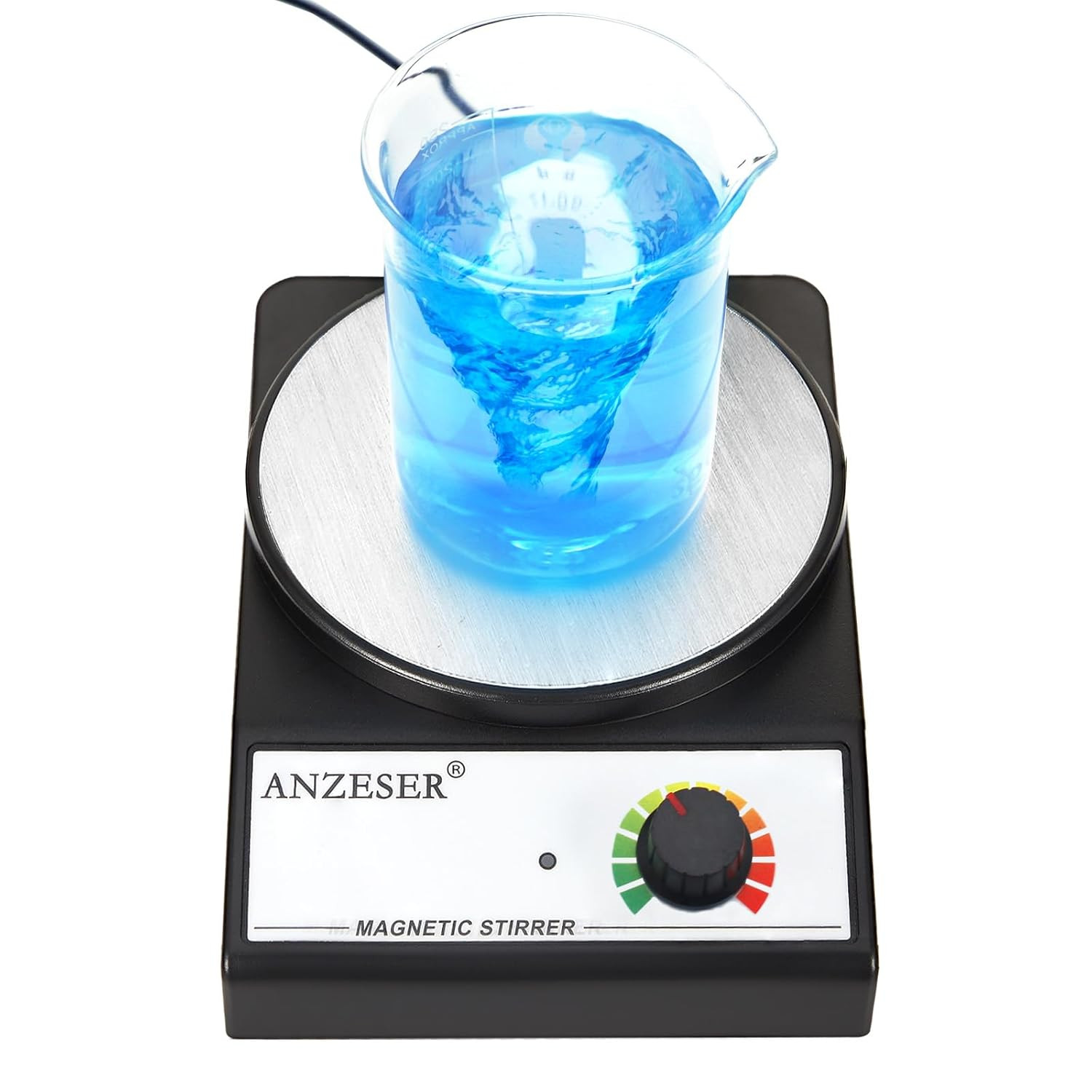
For mixing liquids gently and efficiently, this stir plate offers adjustable speed up to 3000 rpm and a maximum 3000 ml capacity. It's a practical choice for home brew yeast starters, school labs, food processing, and agricultural mixing. The no-heat design is a plus when temperature control isn't needed, and the slim 19 x 7.16 x 1.37 inch profile takes up little bench space. On the downside, it's not meant for high-viscosity liquids like epoxy resins, so you'll want the centrifuge if your application involves spinning down particulates rather than stirring a homogeneous mixture. This is the more affordable of the two, making it a low-risk entry into lab mixing.
Final Choice by Use Case
If you're preparing PRP or blood samples in a medical chemistry lab, choose the 8x15ml Medical Beauty PRP Lab Blood Centrifuge Machine. If you're stirring yeast starters, mixing solutions, or need an economical stir plate for classroom or home brew use, choose the Magnetic Stirrer 3000 RPM Lab Mixer.