When you're outfitting a lab, a centrifuge and a mixer can look like similar tools. Both spin, both hold samples, and both take up bench space. But the 8×15ml Medical Beauty PRP Lab Blood Centrifuge and the Digital Jar Test Apparatus 4 Paddle solve very different problems. One separates blood and vaccine components by spinning at low speed; the other stirs four water samples at once for flocculation testing. The right choice depends entirely on the tests your lab runs, and the price gap makes the decision even more loaded.
Quick Verdict
If your day involves blood draws, PRP preparation, or vaccine separation, the low-speed centrifuge is the focused, no-frills workhorse. If you work in water treatment, environmental testing, or any lab that performs coagulation and flocculation trials, the Digital Jar Test Apparatus is the purpose-built mixer you need. Neither product is a universal lab tool; they simply serve different workflows.
At a Glance
| Product | Listed Price | Rotor / Speed | Best Use |
|---|---|---|---|
| 8×15ml PRP Centrifuge | $178.32 | Fixed-angle 8×15ml, 0-4000 RPM | Blood, PRP, vaccine separation |
| Digital Jar Test Apparatus | $749.99 | 4 independent paddles, digital speed control | Flocculation / coagulation water testing |
Where Each Product Wins
- The PRP centrifuge wins for budget-conscious buyers and for clinics that need low-speed separation of blood products. Its compact desktop size and advertised automatic balancing make it a simple addition to a med-spa or clinical bench.
- The Digital Jar Test Apparatus wins for water professionals. Four independent stirring paddles allow side-by-side flocculant comparisons, and the digital speed control keeps trials repeatable.
- The real differentiator is how you use the tool: one separates by centrifugal force, the other mixes multiple samples simultaneously.
Product Notes
8×15ml Medical Beauty PRP Lab Blood Centrifuge
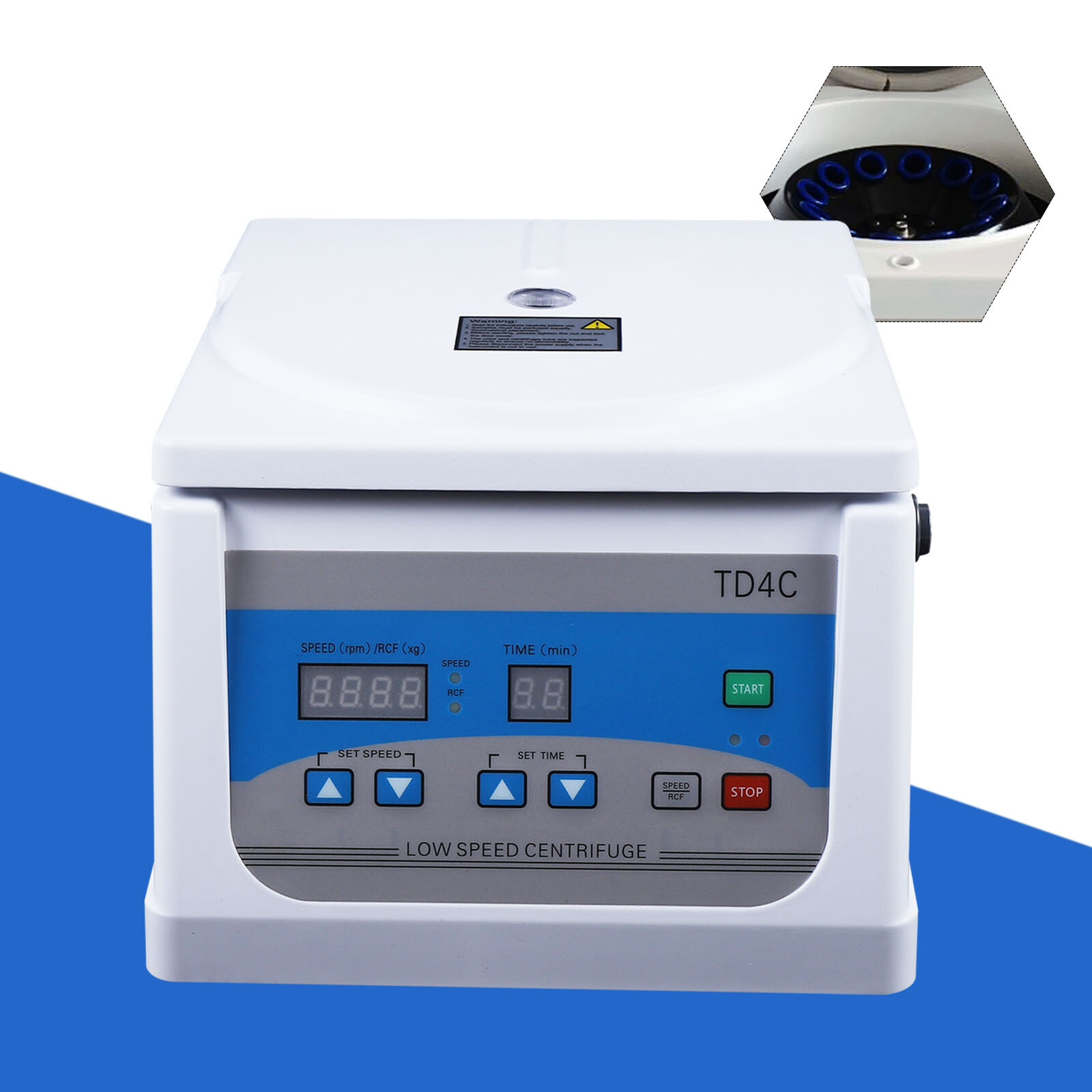
This is a small desktop centrifuge aimed squarely at medical beauty and clinical labs. It uses a brushless DC motor with a microcomputer controller, digital display, electronic door lock, and overspeed protection. The fixed-angle rotor accepts eight 15ml samples, and the unit is designed so you don't have to balance each tube manually-a big convenience when you're processing PRP. At $178.32, it's the less expensive way to bring dedicated blood separation into your lab. The limitation is the speed ceiling: it tops out at 4000 RPM and 1880 xg, so it won't handle the high-force spins required for molecular work like DNA precipitation or subcellular fractionation. If your protocol is blood-based and low-speed, this is a practical choice; if you need high g-force, you'll outgrow it.
Digital Jar Test Apparatus 4 Paddle
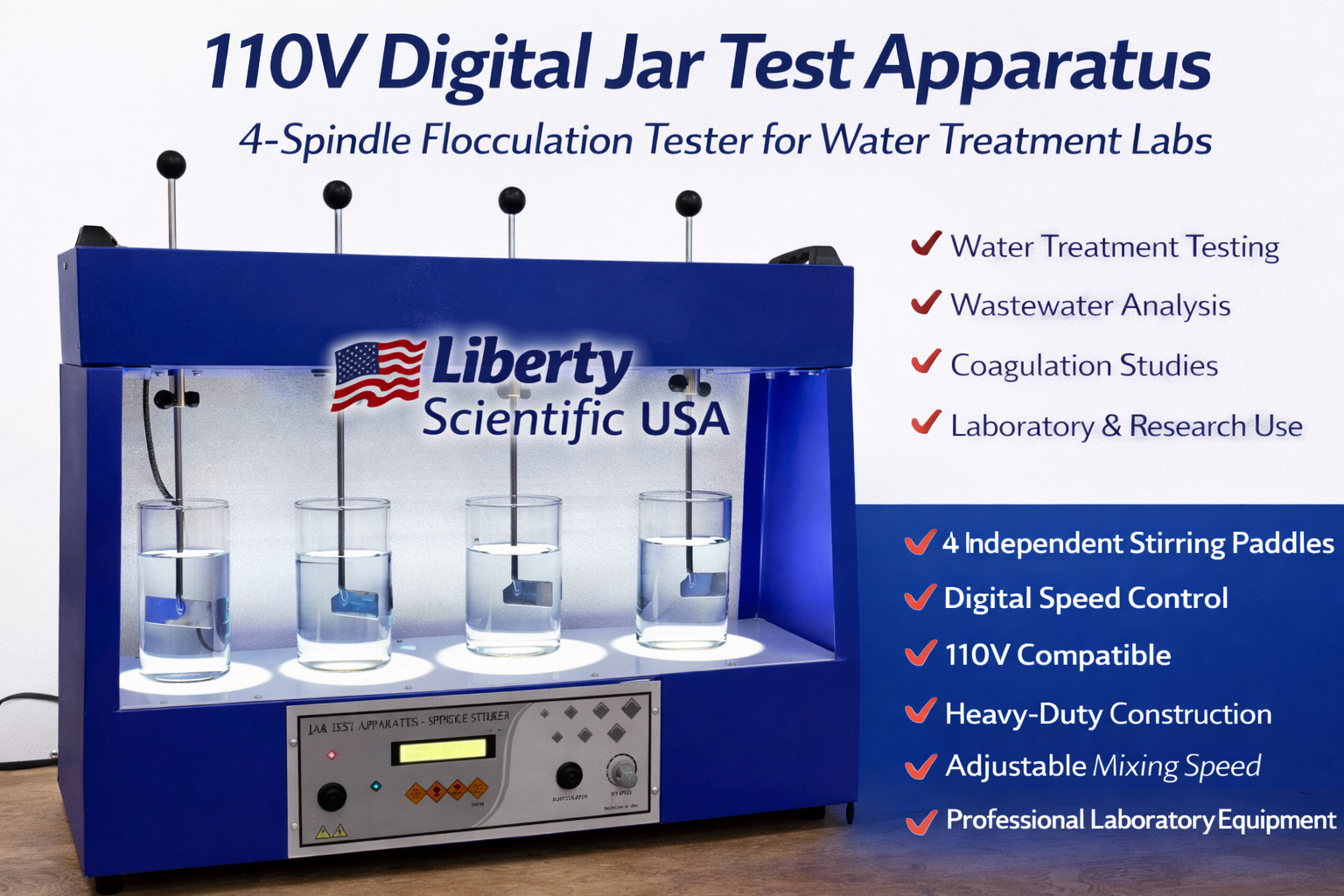
This Liberty Scientific USA unit is a serious piece of water-testing equipment. It runs on 110V and has four independent stirring paddles, each with digital speed control and a display, so you can test different coagulant doses or mixing regimes in one session. The heavy-duty metal body is built for regular bench use, and the design is aimed at biological labs, medical labs, and water treatment facilities alike. The $749.99 price is a significant step up, but you're paying for repeatability: digital control means you can reproduce the same stirring speed for every jar, which is essential for credible flocculation data. The obvious limitation is that it's a mixer, not a centrifuge-it can't separate blood or other liquids by density. If your lab doesn't do jar testing, this is a lot of money for a stirrer; if you do, the four-paddle format is exactly what many protocols require.
Final Choice by Use Case
Choose the 8×15ml PRP centrifuge when your priority is blood, PRP, or vaccine separation and you want a compact, straightforward machine that doesn't demand a huge budget. Choose the Digital Jar Test Apparatus when water treatment trials and flocculation testing are central to your work, and you need consistent multi-sample mixing. If both workflows are in your lab, the smarter sequence depends on your immediate workload: start with the tool that solves today's bottleneck, then add the other when the need is real.