In the centrifuges mixers shakers category, choosing between a larger-tube PRP centrifuge and a compact microcentrifuge comes down to one question: what tubes are you spinning? Both run at 4000rpm and are compact enough for a small bench, but the sample formats point them at different workloads. The real tiebreaker is whether you need bigger tubes or the convenience of a smaller unit. For a clinic or small lab, either unit can handle routine spins; the stronger choice depends on whether your samples are large-volume tubes or tiny strips.
Quick verdict
If your bench mostly handles bigger tubes, the Portable Medical Lab Centrifuge is the more suitable buy. If your samples are small, the Plasma PRP Microcentrifuge is the better match. That is the core difference to weigh before you choose.
Comparison table
| Feature | Portable Medical Lab Centrifuge | Plasma PRP Microcentrifuge |
|---|---|---|
| Price | USD 69.44 | USD 52.71 |
| Speed | 4000rpm | 4000rpm |
| Tube capacity | 6 x 20ml | 0.2/0.5/1.5/2.0ml x 8 plus 0.2ml PCR x 16 |
| Rotor setup | ABS centrifuge turntable | Two rotor formats |
| Controls | Adjustable speed and time knobs | LCD display |
| Notable extras | Alarm, easy-to-clean body | Palm centrifuge design, low noise |
Where each product wins
Portable Medical Lab Centrifuge: This one takes the larger-samples slot. It keeps operation straightforward and adds a practical alarm, making it a dependable choice for routine spins. If you frequently run these larger samples, this is the model that gives you the extra room you need.
Plasma PRP Microcentrifuge: This one takes the compact-flexibility slot and is a strong match for small-tube workflows. For labs that switch between standard microtubes and strip tubes, this is the more convenient bench partner. It is also the easier of the two to live with when bench space is scarce.
Product notes
Portable Medical Lab Centrifuge
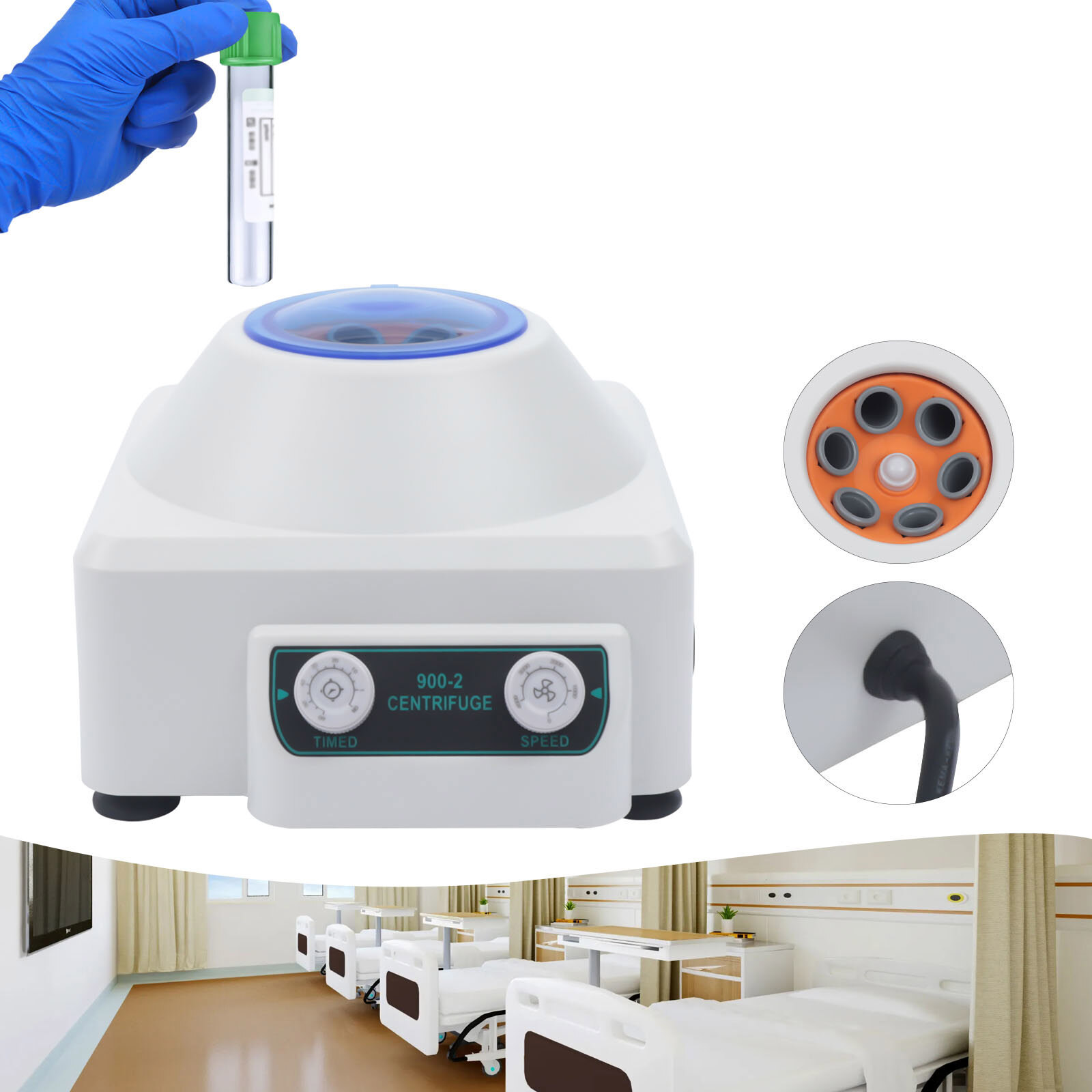
The Portable Medical Lab Centrifuge is built for larger spins, so it suits larger samples and other bigger workloads. The adjustable speed and time knobs give you direct manual control, and the alarm signals the end of a run, which helps when you are moving between bench tasks. The high-strength ABS turntable is a practical touch, and the unit stays light enough to move around or store between uses. The easy-to-clean body is another reason this model suits routine clinic work. One limitation: the design is aimed at bigger samples, so micro-volume users are working around a format they do not need. If most of your work is in small tubes, this larger unit is more than the job requires.
Plasma PRP Microcentrifuge
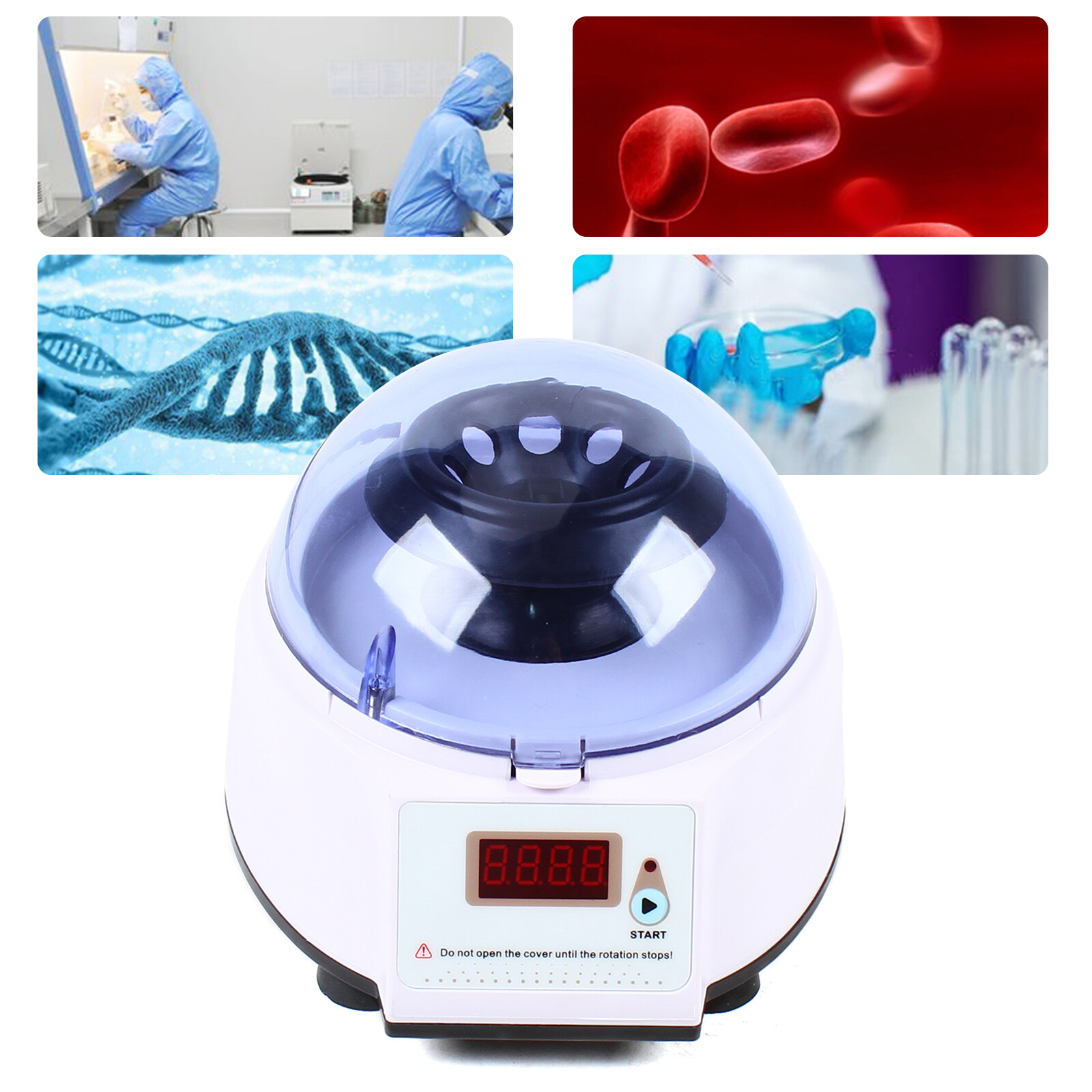
The Plasma PRP Microcentrifuge is the lower-priced option and the better fit for micro-volume work. The two rotor formats cover 0.2/0.5/1.5/2.0ml tubes and 0.2ml PCR tubes, which makes it easy to switch between standard microtubes and PCR strips without changing your whole setup. The LCD display is easier to read than plain knobs, and the palm-centrifuge form factor keeps it compact and low-noise, a real plus on a crowded bench. The main limitation is timing: no timing control is included, so you cannot set a timed cycle on the machine itself. For consistent timed spins, plan to handle that separately. If your work is quick spins for small samples, this is the one that fits.
Final choice by use case
- For PRP-style workloads: Portable Medical Lab Centrifuge.
- For quick small-tube spins: Plasma PRP Microcentrifuge.
- Mixed workloads: let your most common tube format be the tiebreaker.