When you're refreshing lab heating cooling vacuum equipment, the first fork in the road is between a controlled lab oven and a rotary evaporator. These are not interchangeable tools, so the right choice comes down to the work you do: dry heating or solvent evaporation.
Quick Verdict
The Quincy Lab 10GC is the right oven for labs that need steady controlled heat. The Taishi rotary evaporator is the right tool if your process actually calls for rotary evaporation. The two are priced differently, and that difference matches their different jobs.
At a Glance
| Product | Price | Best For |
|---|---|---|
| Quincy Lab 10GC Lab Oven | $269.99 | Controlled heating |
| Taishi 2L Rotary Evaporator | $516.99 | Rotary evaporation |
Where Each Product Wins
Quincy Lab 10GC wins for controlled-heat labs. It is an oven built for biological and medical lab use, and it keeps the process straightforward without extra connections.
Taishi Rotary Evaporator wins for evaporation workflows. It is the only one of the two that can perform rotary evaporation, so if that is your protocol, the rotovap is the class of tool you need.
Product Notes
Quincy Lab 10GC Lab Oven
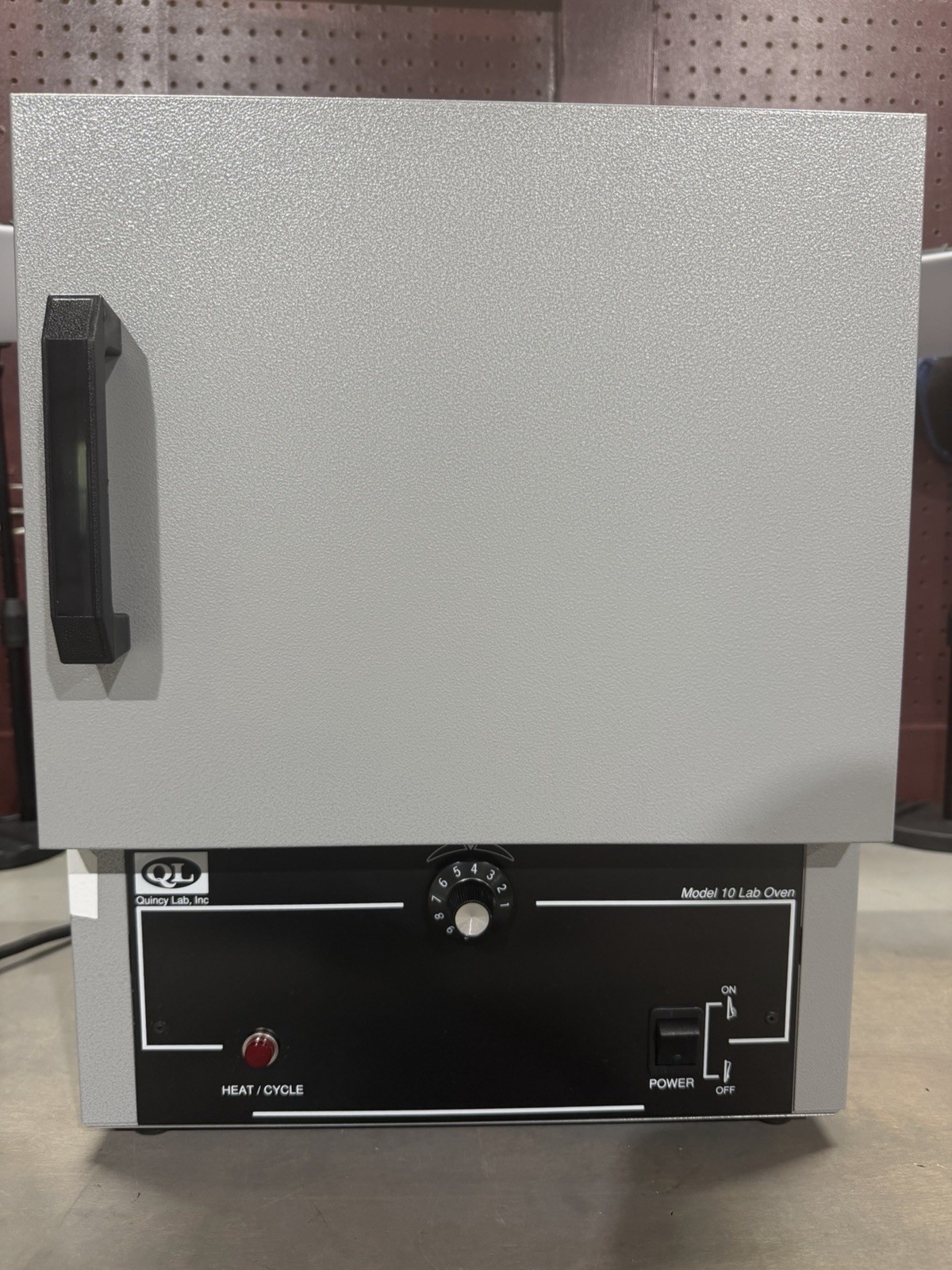
The Quincy Lab 10GC is a 115V lab oven with a stated purpose for biological and medical laboratories. For a bench that needs steady, controlled heat for experiments and research routines, this oven gives you a simple, dedicated tool rather than a multi-purpose evaporation system. It is in new open-box condition, which means the unit is new but the packaging was opened; inspect it before you build your workflow around it. Its limitation is scope-this is an oven, not a rotary evaporator, so solvent removal under vacuum is outside what it can do. If you need oven-type heating and want to avoid the complexity of pump and chiller connections, the 10GC is a straightforward match.
Taishi 2L Rotary Evaporator
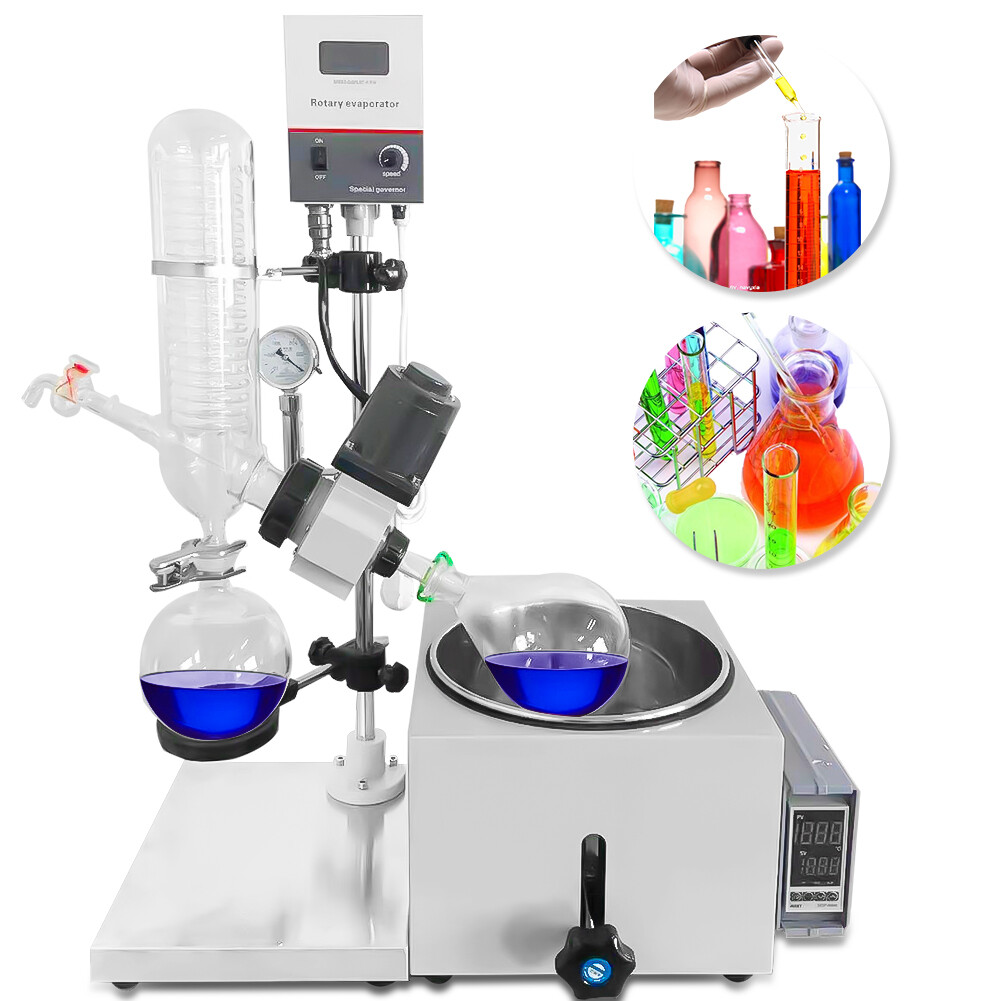
The Taishi rotary evaporator is the more specialised of the two, built for rotary evaporation rather than general oven heating. It uses a manual lifting mechanism, a stainless steel bracket, and high-temperature-resistant glass, which are the parts you interact with during a rotovap run. It connects to a vacuum pump and chiller, so this unit is meant to sit inside a larger evaporation setup. That is also its main limitation: if you do not already have those connections, the rotovap alone will not complete the job. Choose it when your work is solvent removal, concentration, or reduced-pressure evaporation and you want a dedicated rotovap with hands-on manual control.
Final Choice by Use Case
Choose the Quincy Lab 10GC Lab Oven for a lab that needs controlled oven heating. Its $269.99 price and simple 115V design make it the lower-cost route.
Choose the Taishi 2L Rotary Evaporator for solvent-removal procedures that need rotary evaporation. Its $516.99 price brings manual lifting and a stainless steel bracket that a lab oven cannot offer.