If you're shopping in the spectroscopy analysis detection space, you're likely weighing a ready-to-use radiation detector against an optical spectrometer sold as a learning project. The Thermo RadEye PRD and the B&W Tek optical spectrometer target very different users, so the right choice depends on your specific application. One is a safety instrument you can carry in your pocket; the other is a bench-top component that demands assembly.
Quick Verdict
For dependable radiation detection, choose the Thermo RadEye PRD. For a low-cost, hands-on optical spectroscopy project, choose the B&W Tek optical spectrometer.
Price and Condition at a Glance
| Product | Price | Condition | Best for |
|---|---|---|---|
| Thermo RadEye PRD | USD 995.00 | Seller refurbished | Radiation detection and dose tracking |
| B&W Tek Optical Spectrometer | USD 199.99 | Used | Budget spectrometer learning project |
Where Each Product Wins
The Thermo RadEye PRD wins if you need a compact, calibrated gamma/photon detector with high-sensitivity source detection, count rate monitoring, dose rate measurement, and accumulated dose tracking. It also supports switching between R-based and Sv-based units before shipment, which is convenient for users in different regions. All menus are unlocked, and it includes a one-year guarantee.
The B&W Tek optical spectrometer wins if you want to explore spectroscopy on a budget. It was originally used for Raman spectroscopy in medical devices and is considered more suitable for general spectroscopy, making it a flexible learning tool. The sealed unit includes the essential optical components, though you'll need to supply the power and interface.
Product Notes
Thermo RadEye PRD
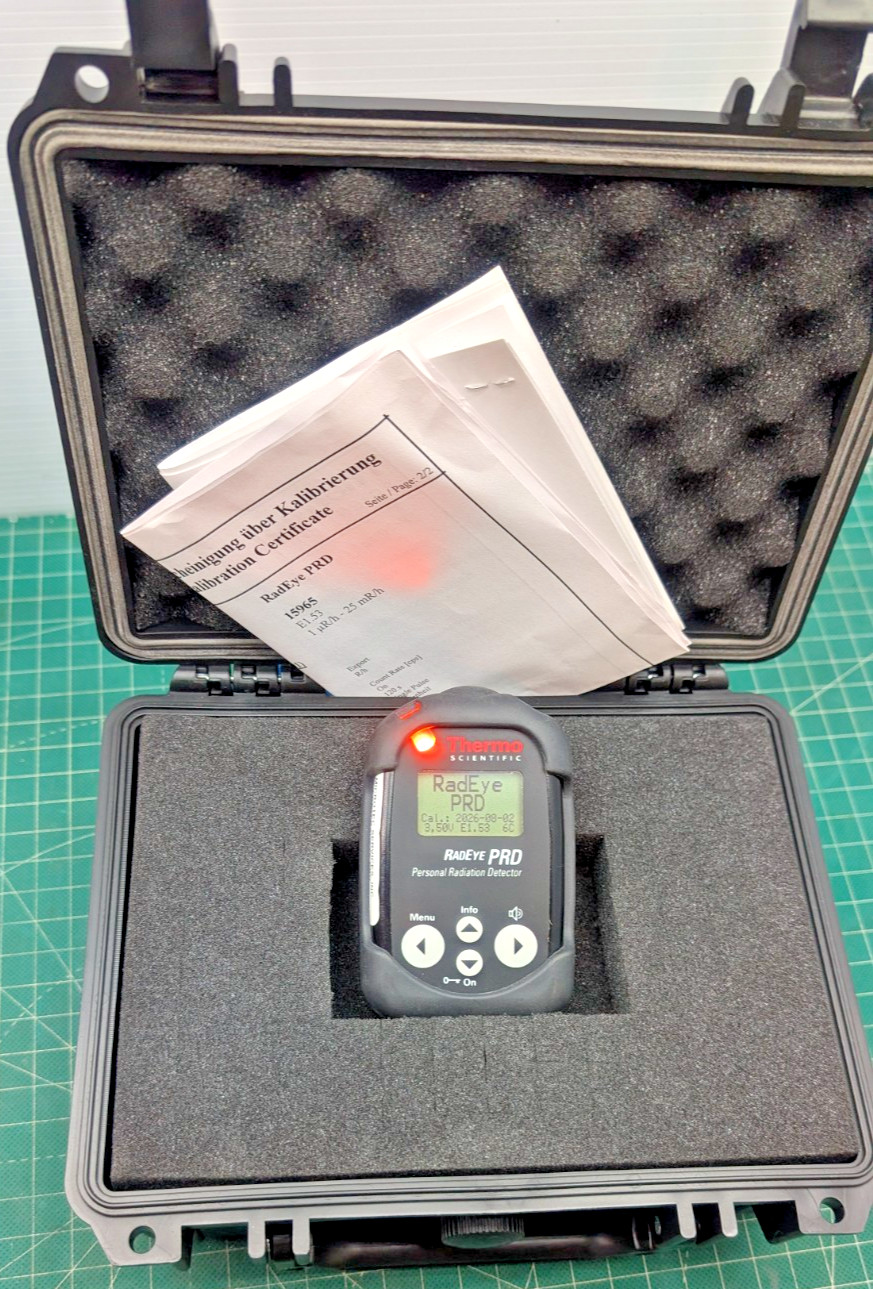
The RadEye PRD is a compact personal radiation detector that arrives professionally calibrated by an independent third party, so you can rely on its readings for high-sensitivity source detection, count rate monitoring, dose rate measurement, and accumulated dose tracking. All menus are unlocked, and the unit can be switched between R-based and Sv-based units before shipment. This makes it a practical choice for anyone who needs a dependable radiation safety tool immediately. The main drawback is the price: at USD 995.00, it's roughly $795 more than the alternative. Also, it's strictly a radiation detector, not an optical spectrometer, so if your work is purely optical spectroscopy, you'd be paying for capabilities you won't use.
B&W Tek Optical Spectrometer
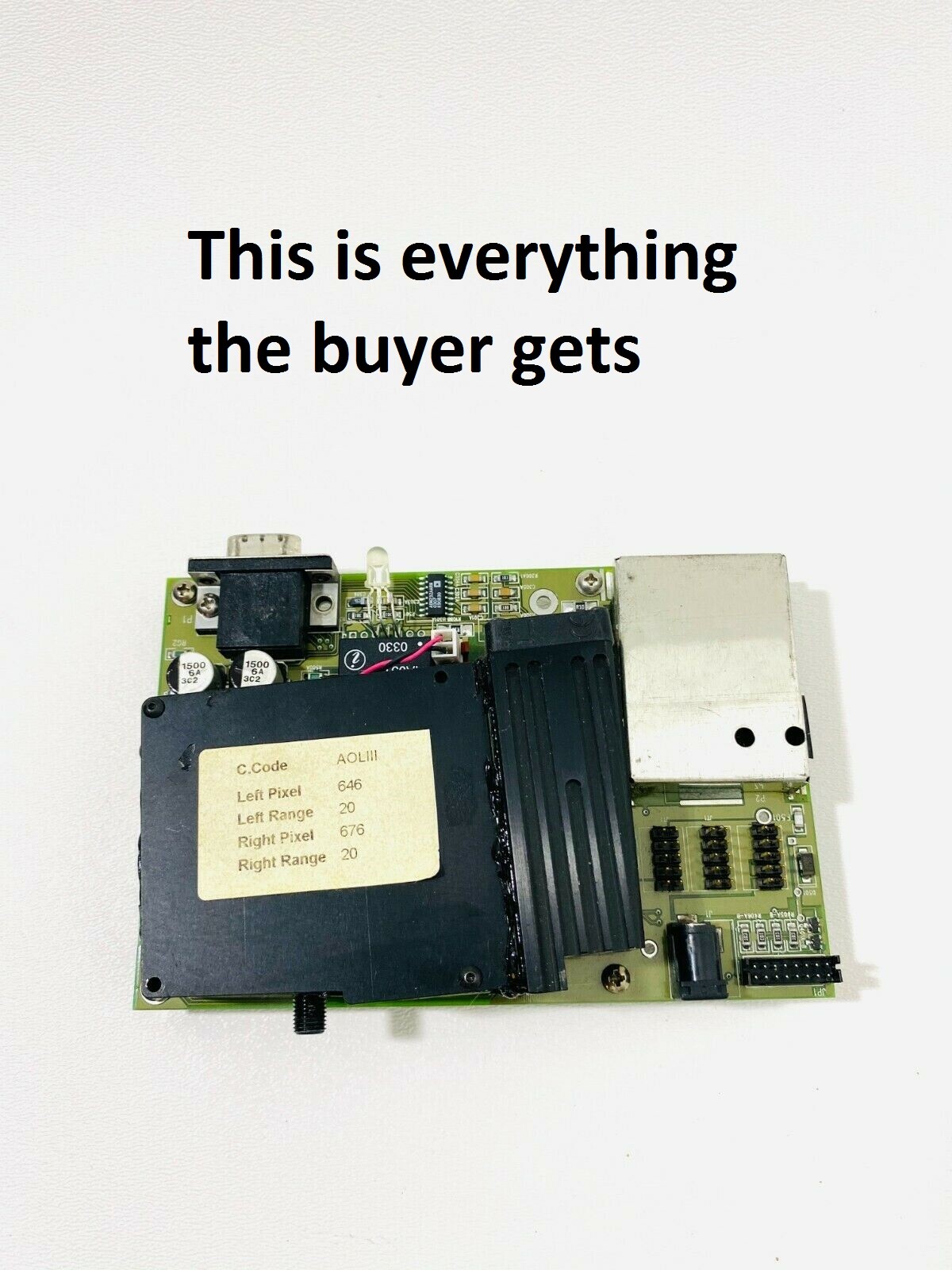
The B&W Tek optical spectrometer was originally built into medical devices for Raman spectroscopy and is described as more suitable for general, non-Raman spectroscopy. It arrives sealed, with the internal components visible in the product photo. For USD 199.99, it's an inexpensive entry into optical spectroscopy, but you'll need to supply a standard 5V AC adapter and a serial-to-USB adapter if you plan to run it through a USB port. This is not a turnkey instrument; it's a learning project that requires patience and a willingness to experiment. If you need precise measurements, this isn't the right tool, but for education and hobby use, it offers a lot of potential.
Final Choice by Use Case
If you need a ready-to-use radiation detector for personal safety, count rate monitoring, or dose tracking, the Thermo RadEye PRD is the clear choice. Its one-year guarantee makes it a dependable tool for professional or safety-conscious users.
If you're a student, hobbyist, or educator looking for a budget-friendly spectrometer project to learn optics and spectroscopy, the B&W Tek optical spectrometer is the more practical pick. You'll spend more time setting it up, but you'll gain hands-on experience for a fraction of the cost. Just remember to factor in the cost of the required adapter and cable.