Choosing between two detection instruments often comes down to the kind of signal you are chasing. The Thermo RadEye PRD is a compact gamma/photon personal radiation detector for field and safety work. The Ocean Optics USB2000 is a USB optical spectrometer for measuring light in a lab or bench setup. They share the broad category of spectroscopy analysis detection, but they are not substitutes. One answers whether ionizing radiation is present; the other answers what the light spectrum looks like. Here is how to match either one to the work you actually do.
Quick verdict: If your priority is personal radiation safety, source detection, and dose-rate awareness, the Thermo RadEye PRD is the instrument to buy. If your work involves optical spectra, the Ocean Optics USB2000 delivers a straightforward USB connection and a ready-to-use optical spectrometer. In short: choose the detector for radiation, choose the spectrometer for light.
| Consideration | Thermo RadEye PRD | Ocean Optics USB2000 |
|---|---|---|
| Listed price | $995 | $450 |
| Instrument type | Compact gamma/photon personal radiation detector | USB optical spectrometer |
| Condition | Seller refurbished | Used, excellent condition |
| Key details | 2026 calibration, all menus unlocked, 1-yr guarantee | Used only a handful of times |
Where the RadEye PRD wins: It is built around radiation detection-source detection, count-rate monitoring, dose-rate measurement, and accumulated dose tracking. The included calibration and guarantee make it a more complete package for someone who needs confidence in the readings. It is the better fit when you need a portable personal radiation detector rather than a light-measuring tool.
Where the USB2000 wins: It is the more direct option for optical spectroscopy. It connects over USB and is described as having been used only a handful of times, so you get a clean, ready-to-use spectrometer that fits easily on a desk or in a computer-based measurement setup.
Thermo RadEye PRD (2026 Calibrated, All Menus Unlocked)
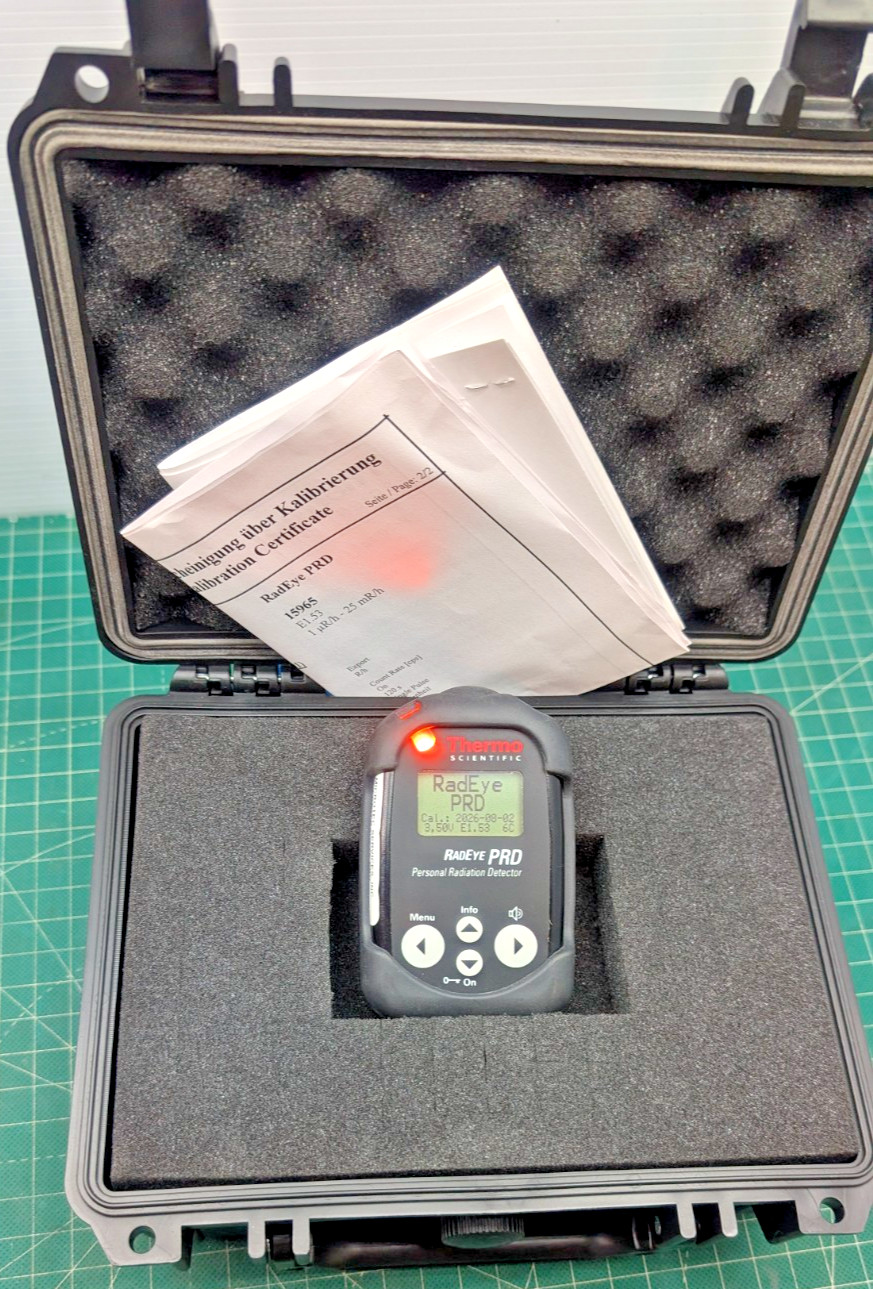
This is the standard RadEye PRD model, designed for high-sensitivity source detection, count-rate monitoring, dose-rate measurement, and accumulated dose tracking. The refurbished unit comes with all menus unlocked and a one-year guarantee, which makes it a strong pick if you need a portable personal radiation detector that is ready to use. The limitation is straightforward: you are paying for radiation-detection capability and calibration, not for optical spectrometry. If your task is gamma/photon detection, this is the one; if you need to measure light spectra, it is the wrong tool.
Ocean Optics USB2000 USB Spectrometer, excellent condition
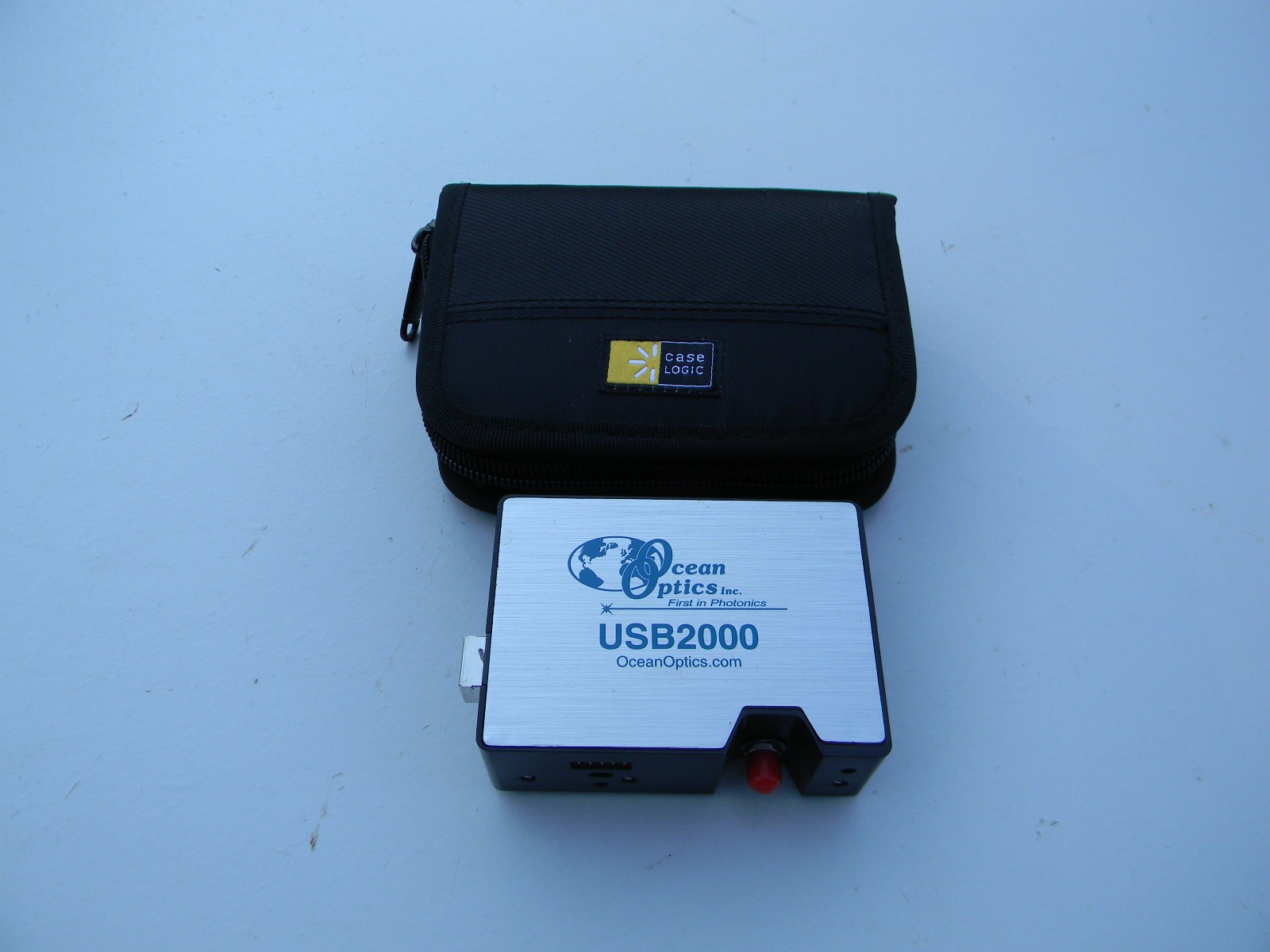
The Ocean Optics USB2000 is an optical spectrometer described as having been used only a handful of times. It connects over USB, making it a simple way to add spectrum analysis to a computer-based setup. If your work is about measuring light-emission, absorption, or wavelength content-this is the more direct tool at $450. The limitation is that it is a used instrument and is not designed for personal radiation detection; it measures optical spectra, not gamma radiation. If you need a compact spectrometer for lab or bench work, this is the one to build around.
Make the call by use case: Choose the Thermo RadEye PRD when you need to detect gamma sources, monitor count rate, or track dose rate in the field. Choose the Ocean Optics USB2000 when your work revolves around optical spectra and you want a direct path into spectroscopy analysis detection. The two tools answer different questions, so let the signal you need to measure be the deciding factor.