Choosing between these two detection instruments comes down to the job you have in front of you. Both sit in the spectroscopy analysis detection space, but they are not two versions of the same tool: the Industrial Scientific Tango TX1 is a single-gas monitor for industrial use, while the Vintage Bismatron ARC Geiger Counter is a used Atomic Age radiation survey meter. Both are made in the United States, but they are separated by far more than the $403.01 gap between their listed prices of USD 124.99 and USD 528.00.
Quick verdict
Pick the Tango TX1 if you need a practical handheld gas detection instrument for industrial environments. Pick the Bismatron ARC if you are interested in a rare, display-worthy piece of radiation detection history. These products solve different problems, so the right answer depends on whether your priority is carrying a monitor on the job or studying a Cold War-era instrument.
At a glance
| Instrument | Listed price | Price bar | Condition | Detection type |
|---|---|---|---|---|
| Industrial Scientific Tango TX1 | USD 124.99 | New - Open box | Single gas monitor | |
| Vintage Bismatron ARC Geiger Counter | USD 528.00 | Used | Geiger counter radiation survey meter |
Where each product wins
- Tango TX1 wins for active industrial gas monitoring. It is a handheld single-gas monitor from Industrial Scientific, which makes it the more work-ready option.
- Bismatron ARC wins for Atomic Age collecting and restoration. The ARC Bismatron was made by a short-lived manufacturer, and this example still carries its complement of ten factory-marked Victoreen 6306 shielded vacuum tube assemblies.
Product notes
Industrial Scientific Tango TX1
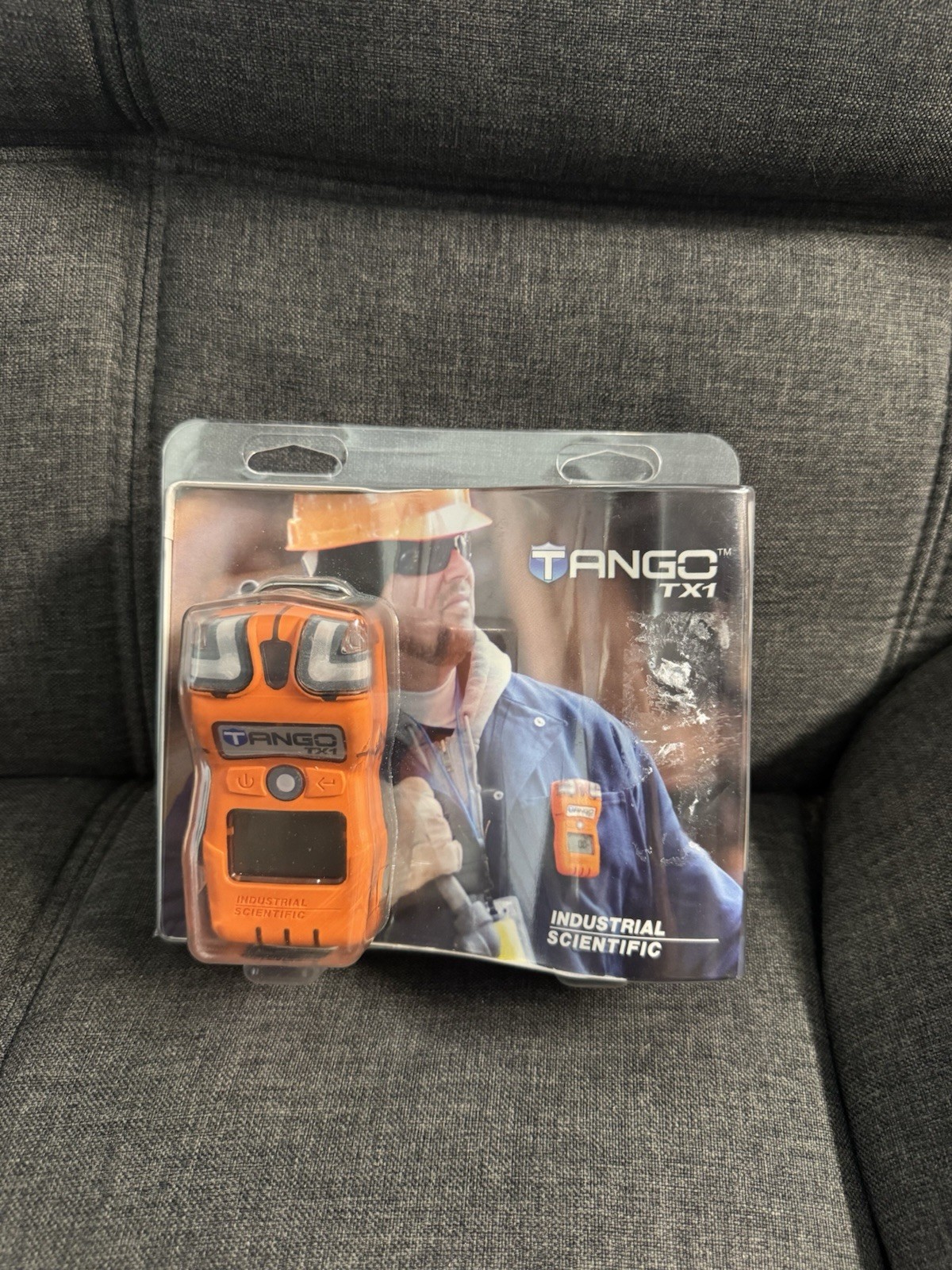
If your work environment calls for a handheld gas detector, the Tango TX1 is the one to put in your kit. This single-gas monitor is made in the United States, and the model name points to a device that is focused on one measurement job rather than trying to do everything. The handheld format makes it practical for carrying through industrial spaces, and the Industrial Scientific model designation gives you a specific point of reference for what you are buying. The limitation is the same focus: a single-gas monitor tracks one gas at a time, so sites with multiple gas hazards would need more than one unit or a different instrument. It is a purpose-built tool, not a multi-gas workstation.
Vintage Bismatron ARC Geiger Counter
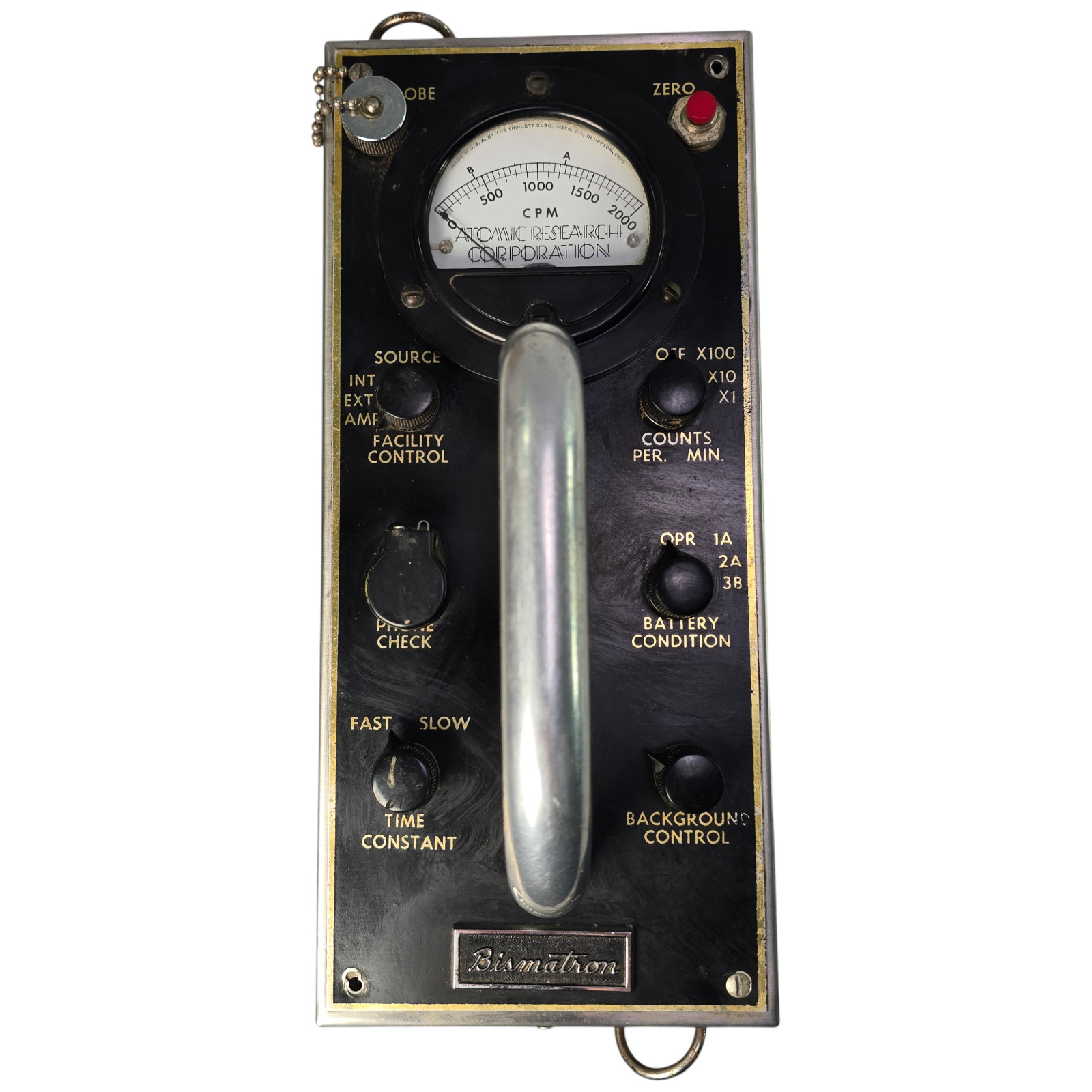
For someone who values scientific history, the Bismatron ARC is the more memorable find. Atomic Research Corporation built this Geiger counter during the 1950s Atomic Age in Colorado Springs, and surviving examples appear infrequently on the collector market. This one includes ten factory-marked Victoreen 6306 shielded vacuum tube assemblies, making it a strong candidate for display, study, or restoration. The complete complement of tubes is a concrete detail that will appeal to a restorer or a museum-minded collector. Because this is a vintage 1950s unit, its appeal is built around preservation, not everyday field use. It is a piece to study and preserve rather than a go-to detector for routine surveys.
Final choice by use case
Go with the Tango TX1 for active gas detection work in industrial settings. Go with the Vintage Bismatron ARC Geiger Counter for collectible, historical, or restoration-focused radiation detection. The two instruments belong to the same broad detection category, but their ages and purposes point you to very different buyers.