Testing, Measurement, and Inspection: Myths vs. Facts
Calibration, precision, inspection, and measurement uncertainty are frequently misunderstood. This article separates common myths from evidence-based facts to support clearer quality practices.
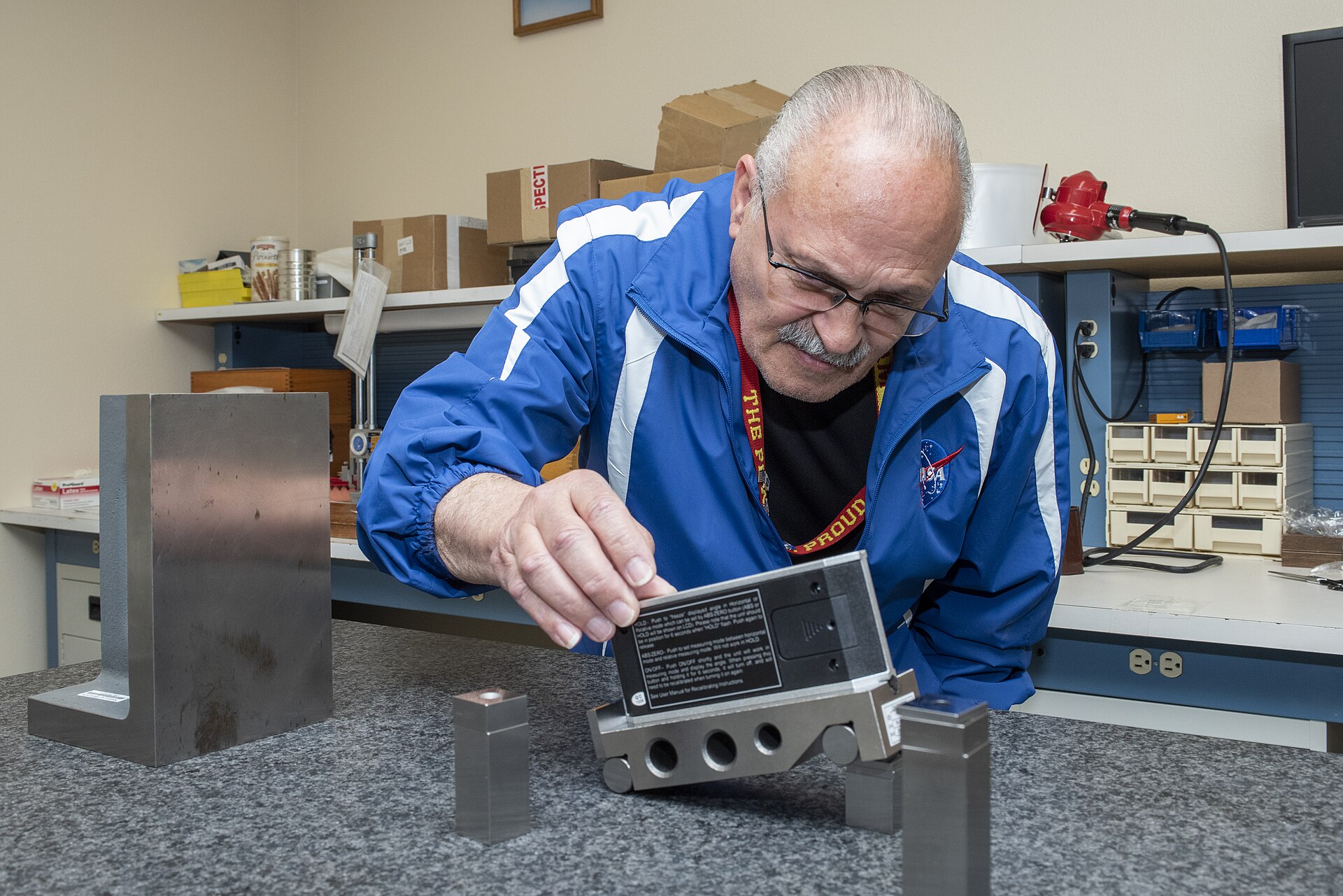
Cover: This image or video was catalogued by Neil A. Armstrong Flight Research Center of the United States National Aeronautics and Space Administration (NASA) under Photo ID: AFRC2019-0098-02. · Wikimedia Commons · Public domain
Question: What are common myths about testing, measurement, and inspection—and what are the facts?
Myth: Calibration is only needed when an instrument appears to be wrong
Fact: Measurement devices can drift gradually without being obvious. Planned calibration compares instrument readings with reference standards and helps detect drift before bad data affects decisions. Calibration decisions are usually based on risk, device use, and historical performance.
Myth: Accuracy and precision mean the same thing
Fact: Accuracy describes how close a result is to the true or accepted reference value, while precision describes how consistently results repeat. A measurement process can be very precise but still inaccurate if a systematic bias is present. Both attributes matter for dependable measurement.
Myth: Inspecting more will improve the product
Fact: Inspection can separate conforming items from nonconforming ones, but it does not by itself improve the process that created the items. Effective quality management uses measurements and inspection results as feedback to reduce variation and prevent defects from occurring.
Myth: Taking many measurements guarantees the true value
Fact: Repeating measurements can reduce random effects, but it does not eliminate bias or calibration errors. A trustworthy measurement statement includes an uncertainty analysis and, where possible, traceability to recognized measurement standards.