
Photos from current listings. Actual item, color, and included accessories may vary.
Calibration Equipment Buying Guide
Calibration equipment covers the reference standards, test instruments, and certified weights used to verify and adjust measurement accuracy in scales, watches, electronics, and lab instruments. The primary trade-off is between traceable certified references with documented tolerances and uncertified or vintage gear whose accuracy is unknown. Buy certified weights and calibrators with stated ASTM/OIML classes and valid certificates for any regulated or safety-critical work; skip uncertified lots only for rough shop-floor checks.
Median $90.00
Key takeaways
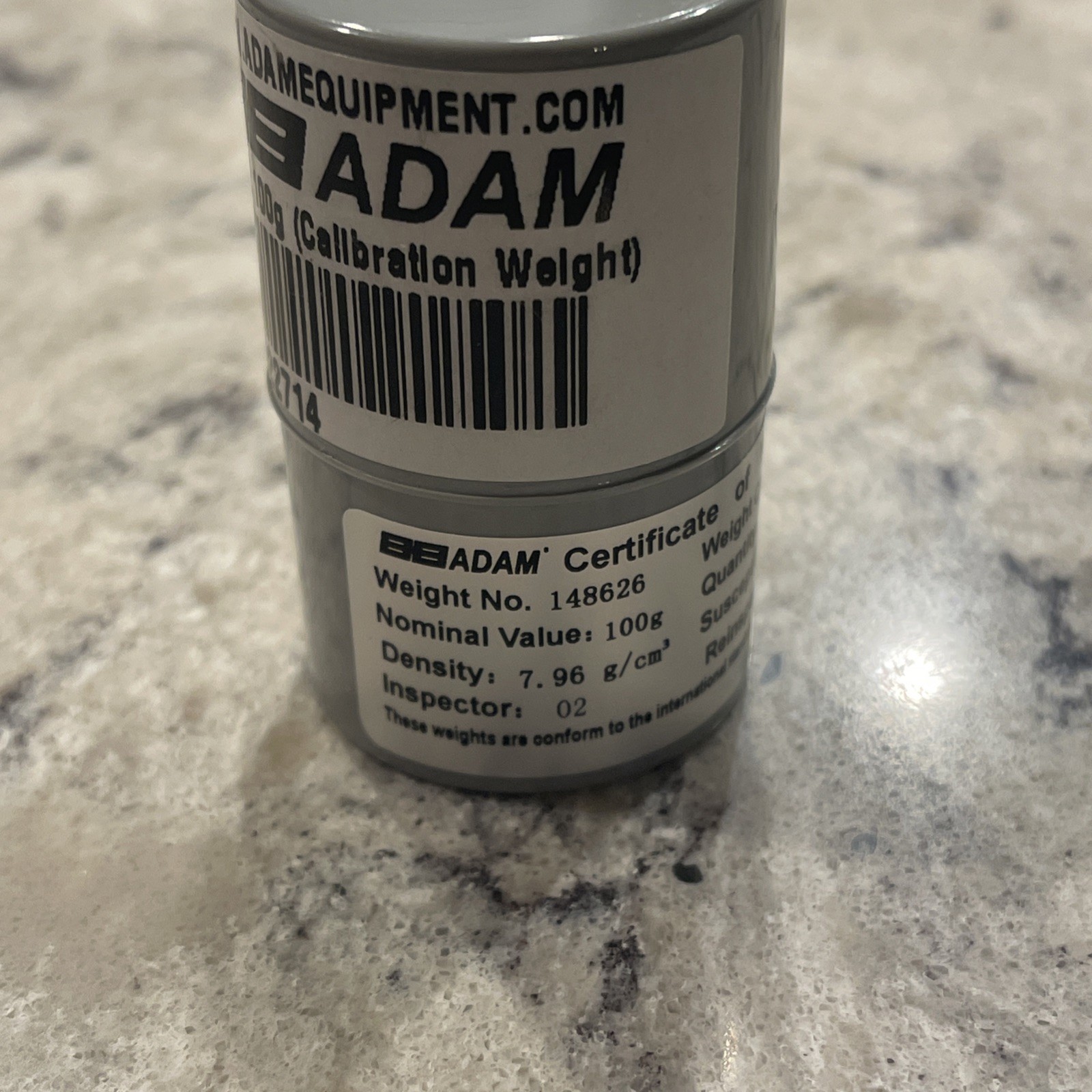
- Calibration weights follow OIML R111 or ASTM E617 classes: OIML E1/E2/F1 and ASTM 0-3 are the tight-tolerance grades used for verifying balances and scales.
- A calibration certificate states the weight's measured value, uncertainty, and traceability to a national standard—without one, a weight is an unchecked mass, not a reference.
- Electronic test calibrators (e.g., Fluke 5500A/5520A, Ametek/Jofra) output traceable DC/AC voltage, current, and resistance to verify multimeters and loop instruments.
At a glance
- Category
- Calibration Equipment & Standards
- Last updated
- Nov 28, 2026
Current offers
Highlights
- Calibration weights follow OIML R111 or ASTM E617 classes: OIML E1/E2/F1 and ASTM 0-3 are the tight-tolerance grades used for verifying balances and scales.
- A calibration certificate states the weight's measured value, uncertainty, and traceability to a national standard—without one, a weight is an unchecked mass, not a reference.
- Electronic test calibrators (e.g., Fluke 5500A/5520A, Ametek/Jofra) output traceable DC/AC voltage, current, and resistance to verify multimeters and loop instruments.
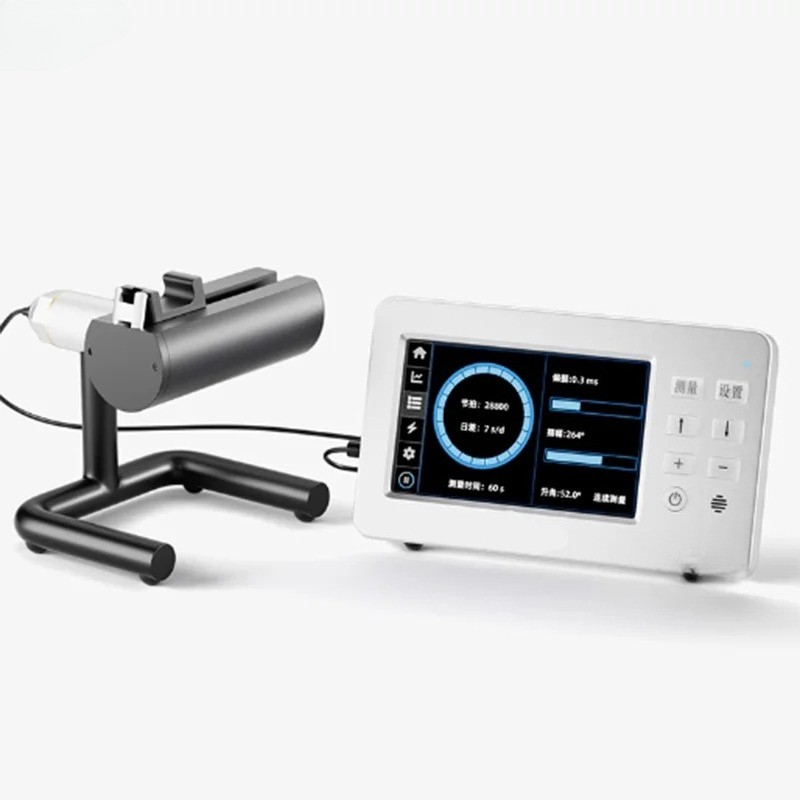
- Mechanical watch timing requires a dedicated timegrapher measuring rate (s/day), amplitude, and beat error; generic test gear cannot substitute.
Best use cases
- Lab or pharmacy balance verification: buy an OIML F1 or ASTM 1-2 stainless weight set covering the balance's range with a current certificate; skip uncertified eBay weight lots.
- Field multimeter and loop calibration: choose a portable multifunction calibrator with NIST-traceable output for 4-20 mA and DC voltage; skip bench-only units if you work on-site.
- Watchmaking or repair bench: pick a timegrapher with rate, amplitude, and beat-error readout; skip generic 'watch calibration instruments' that only demagnetize or time without measurement.
- Shop-floor rough checks: an ASTM 3 or OIML M-class weight is adequate for verifying a shipping scale's repeatability; do not use it as a primary reference for regulated trade.
Buying tips
- Match weight class to the balance's readability: OIML F1/ASTM 1 for 0.1 mg–1 mg balances, F2/ASTM 2 for 10 mg–1 g, M1/ASTM 3 for bench and floor scales.
- Size the weight set to cover at least 80% of the instrument's capacity plus the minimum increment—e.g., a 1 mg–200 g set verifies a 200 g analytical balance across its range.
- For electrical calibration, confirm the calibrator's output ranges cover your instrument's lowest and highest ranges (mV DC through 1000 V, µA through 20 A) and that it includes a current certificate.
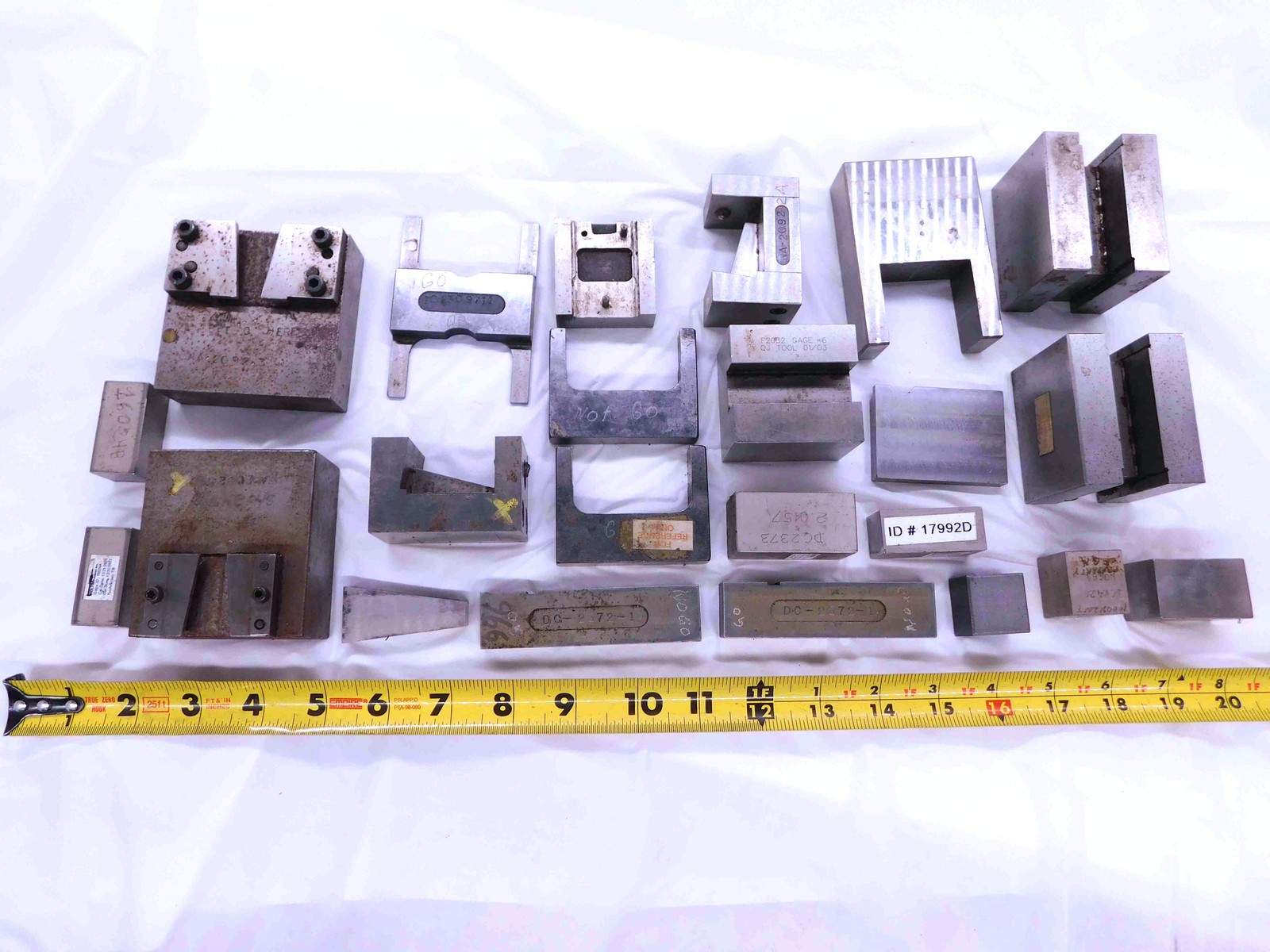
- For gage blocks, buy a single grade and size set (e.g., Grade AS-2, 0.5–100 mm) rather than mixed unmarked lots; mixed lots lose traceability and cannot be recertified as a set.
Specs
| Reference Grade | OIML E1-F2 / ASTM 0-3 / M-class |
|---|---|
| Certificate | ISO 17025 or NIST-traceable |
| Calibrator Output | DCV/ACV, mA, ohms, TC/RTD |
| Watch Timing | Rate, amplitude, beat error |
Related searches
What to check before buying
- Balance or scale capacity and readability (e.g., 220 g × 0.1 mg) determine the weight class and maximum weight you need; measure before buying.
- Confirm your instrument's input type: thermocouple type (K, J, T), RTD (PT100), 4-20 mA loop, or voltage/current—the calibrator must match.
- Check the certificate's issue date and accreditation (ISO/IEC 17025 or NIST-traceable); expired certificates require recertification before use.
- For watch timing, verify the timegrapher supports your movement's beat rate (e.g., 28,800 vph) and provides rate, amplitude, and beat-error readings.
FAQ
Data sources: eBay / Amazon listings and product attribute feeds. Updated Nov 28, 2026.
Some links on this page are affiliate links. If you buy after clicking one, we may earn a commission at no extra cost to you. This does not change which products appear here or their order. Affiliate disclosure.