
Photos from current listings. Actual item, color, and included accessories may vary.
Data Acquisition Card Buying Guide
A data acquisition (DAQ) card is the interface module that converts real-world analog and digital signals into a digital stream a PC or chassis can log, and its defining trade-off is sample rate versus resolution: high-throughput cards trade bit depth and channel count, while high-resolution cards cap bandwidth. Choose a card whose front-end architecture, bus, and isolation match your signal types and channel count; skip general-purpose multifunction cards only when you need dedicated high-voltage isolation or simultaneous per-channel sampling.
Median $225.00 · New & pre-owned listings
Key takeaways
- Resolution vs speed: 12-16 bit cards reach MS/s throughput for vibration and transient capture; 18-24 bit delta-sigma cards cap at kS/s but deliver microvolt-level DC accuracy.
- Sampling architecture: multiplexed cards share one ADC across channels (lower cost, channel-to-channel skew); simultaneous-sampling cards use per-channel ADCs and are mandatory for phase-sensitive or multi-axis work.
- Bus and form factor: PCIe/PCI cards give highest sustained throughput inside a desktop; USB and Ethernet modules suit portable or remote racks; PXI/PXIe suits high-channel-count synchronized systems.
At a glance
- Category
- Data Acquisition & Recorders
- Last updated
- Nov 28, 2026
Current offers
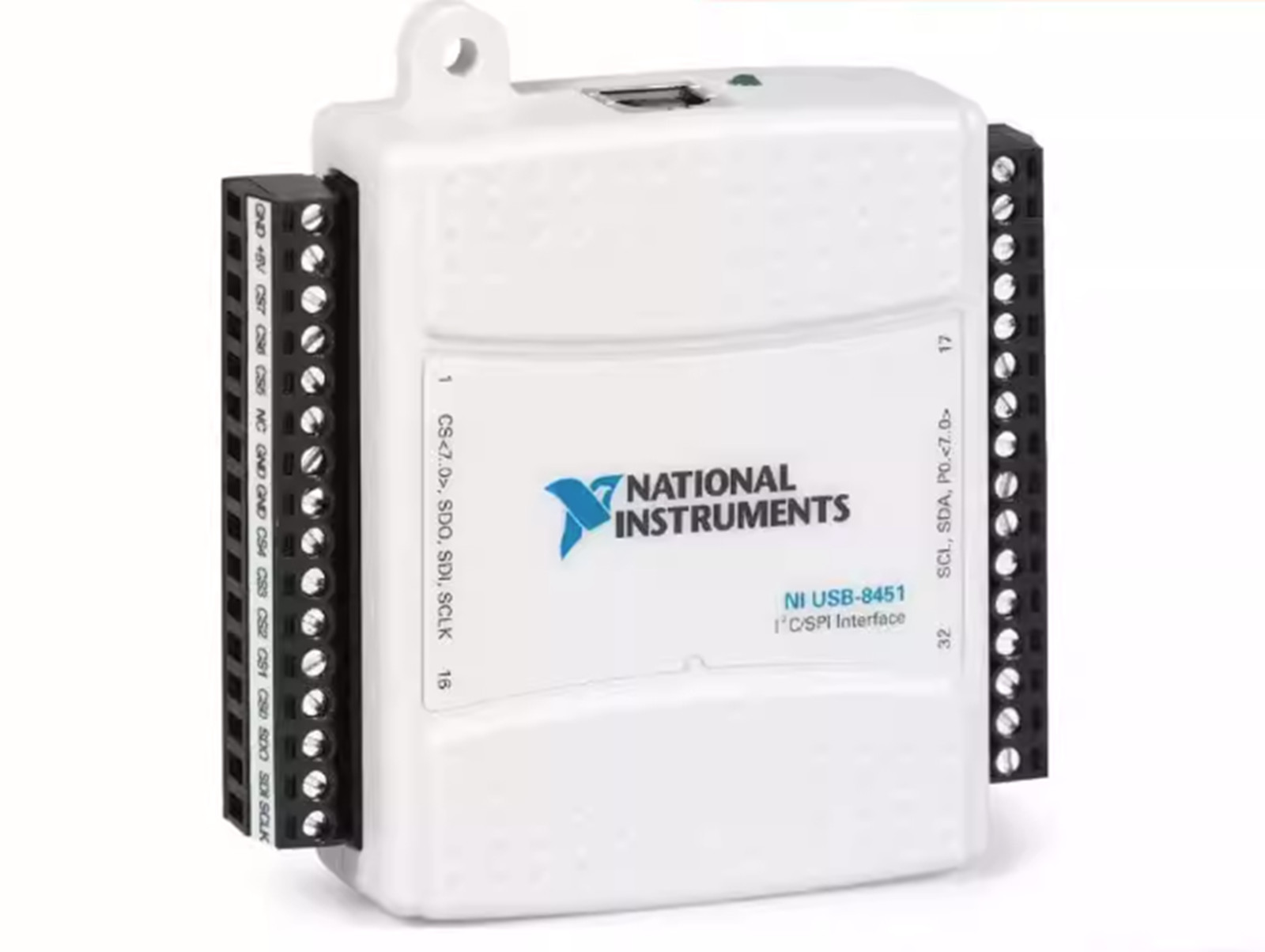 NEW National Instruments NI USB-8451 779553-01 OEM Data Acquisition Card DAQ$219.79New · Last checked Nov 26, 2026View on eBay
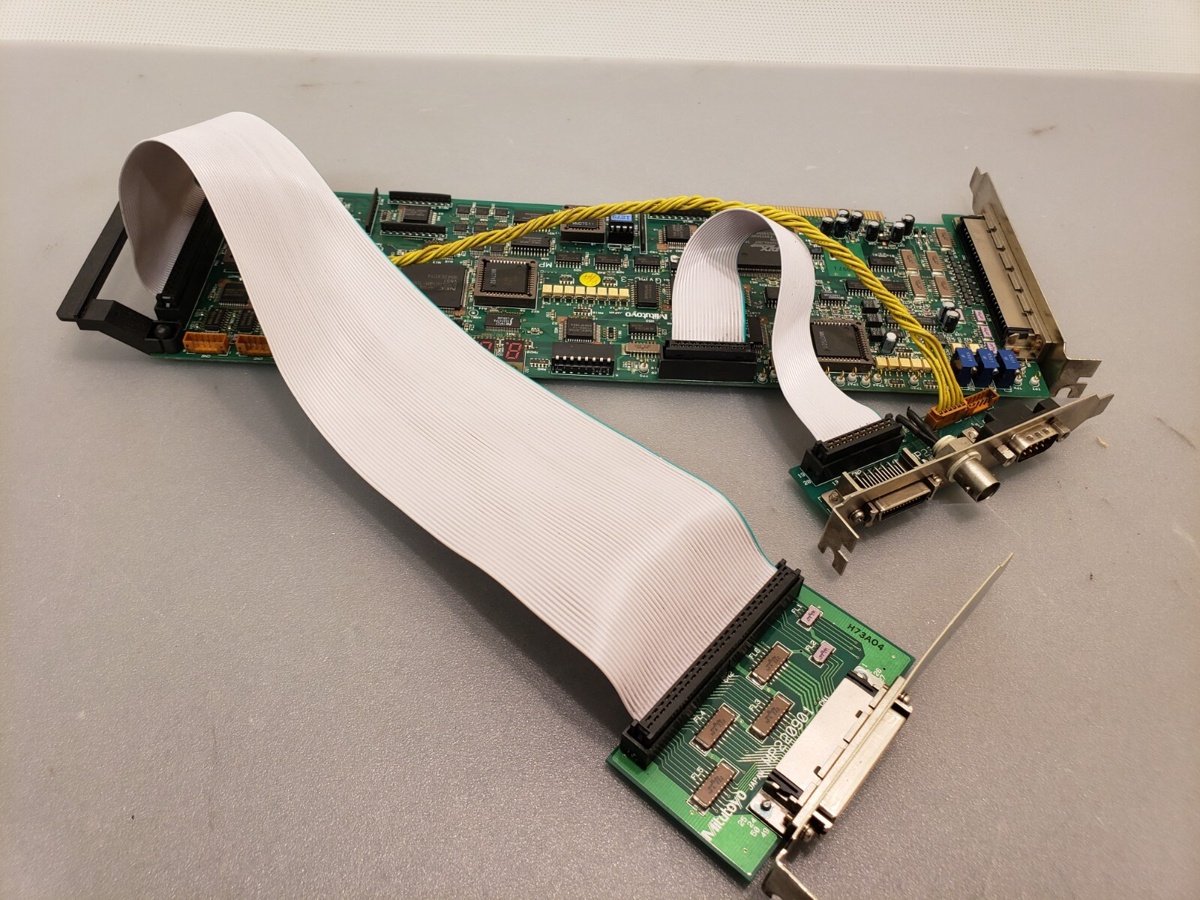 Mitutoyo QVMC-3 Industrial DAQ Data Acquisition Motion Controller Card MP232502$225.00Used · Last checked Nov 26, 2026View on eBay
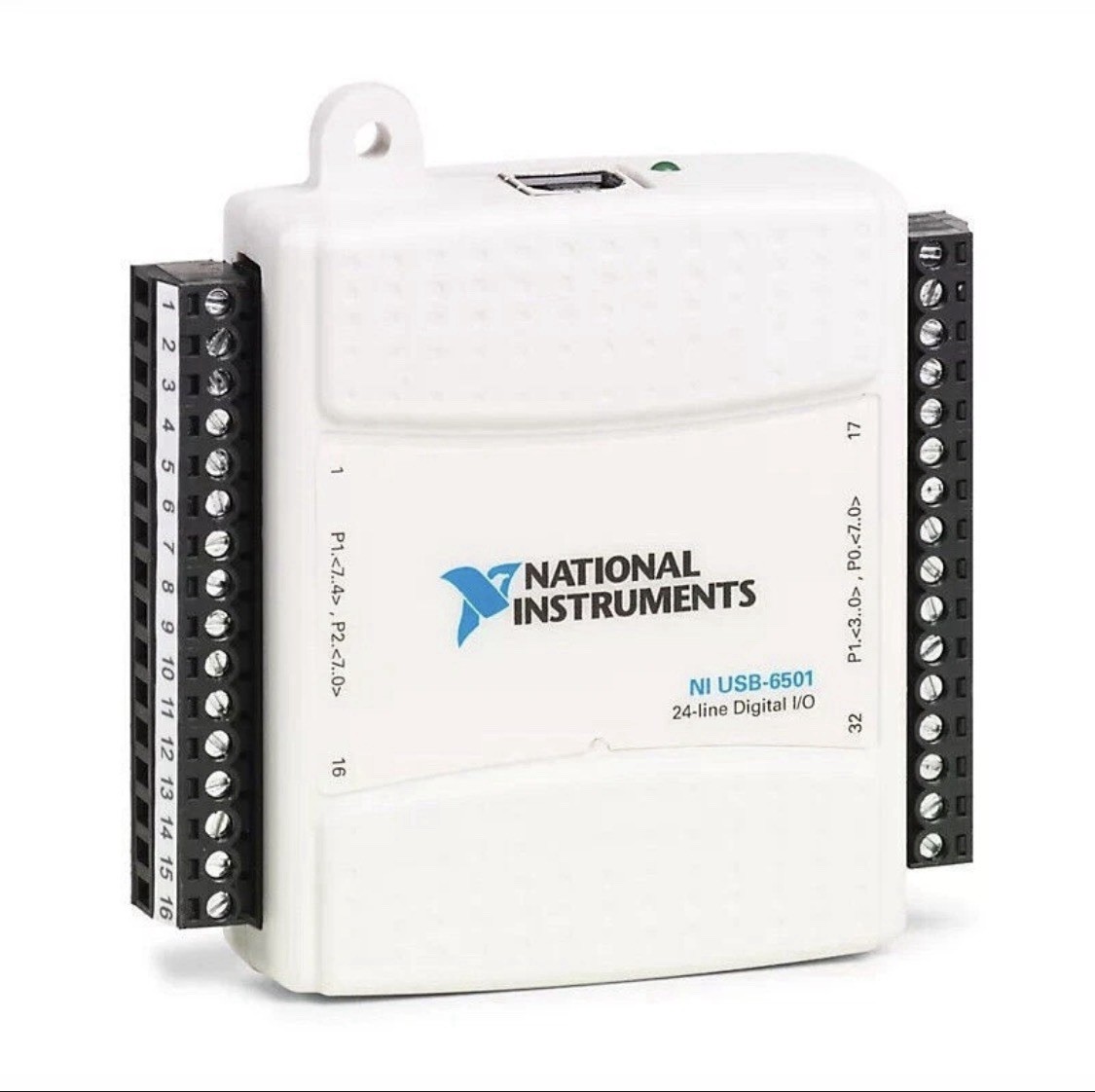 National Instruments NI 192317E-01L USB-6501 Data Acquisition Card DAQ DIO$250.00New – Open box · Last checked Nov 26, 2026View on eBay
Highlights
- Resolution vs speed: 12-16 bit cards reach MS/s throughput for vibration and transient capture; 18-24 bit delta-sigma cards cap at kS/s but deliver microvolt-level DC accuracy.
- Sampling architecture: multiplexed cards share one ADC across channels (lower cost, channel-to-channel skew); simultaneous-sampling cards use per-channel ADCs and are mandatory for phase-sensitive or multi-axis work.
- Bus and form factor: PCIe/PCI cards give highest sustained throughput inside a desktop; USB and Ethernet modules suit portable or remote racks; PXI/PXIe suits high-channel-count synchronized systems.
- Isolation and input range: channel-to-channel or channel-to-ground isolation (250-1000 V) prevents ground loops and protects against common-mode voltage; programmable ±10 V, ±5 V, and 4-20 mA ranges cover most industrial sensors.
Best use cases
- Best fit: multi-channel vibration or acoustic testing needs simultaneous sampling, 16-24 bit, and anti-alias filtering—pick a per-channel ADC card, not a multiplexed logger.
- Best fit: thermocouple or strain-gauge monitoring at low speed favors 24-bit delta-sigma cards with built-in CJC or bridge excitation; skip high-speed 12-bit cards that waste resolution.
- Best fit: remote or portable field logging uses USB/Ethernet DAQ modules with isolation and onboard buffering; skip PCIe cards that require an open desktop chassis.
- Wrong fit: high-voltage (mains, motor phase) capture without isolation—select an isolated card rated for the common-mode voltage, or add external signal conditioning.
Buying tips
- Count channels including spares: buy at least 20% headroom above your current sensor count; expansion via multiplexers adds skew and cost later.
- Match aggregate throughput: required rate = channels × per-channel sample rate; confirm the card sustains that aggregate, since published max rate is often single-channel only.
- Check the input front end: programmable gain, 4-20 mA current inputs, IEPE excitation for accelerometers, and open-thermocouple detection determine sensor compatibility without extra conditioning.
- Verify software and driver support: NI-DAQmx, LabVIEW, Python (nidaqmx), or vendor DLLs; a card without a maintained driver becomes e-waste regardless of specs.
Specs
| Resolution | 12 / 16 / 24-bit |
|---|---|
| Sampling Architecture | Multiplexed vs simultaneous per-channel |
| Bus Interface | PCIe / USB / Ethernet / PXIe |
| Isolation | Channel-to-ground 250-1000 V |
Related searches
What to check before buying
- Confirm your PC or chassis has the required slot (PCIe x1/x4, PXI/PXIe) and that the card's bus sustains your aggregate sample rate.
- Verify sensor output types and ranges (voltage, 4-20 mA, IEPE, thermocouple, RTD) against the card's input configuration and excitation.
- Check isolation rating against your common-mode voltage and grounding scheme to avoid ground loops.
- Confirm connector and cabling: BNC, D-Sub, terminal block, or shielded cable assemblies are often sold separately and affect noise performance.
FAQ
Data sources: eBay / Amazon listings and product attribute feeds. Updated Nov 28, 2026.
Some links on this page are affiliate links. If you buy after clicking one, we may earn a commission at no extra cost to you. This does not change which products appear here or their order. Affiliate disclosure.