
Photos from current listings. Actual item, color, and included accessories may vary.
Data Logger With Display Buying Guide
A data logger with display combines onboard sensing or input channels with a local readout, so you can verify live readings and alarm states without a PC. The core trade-off is between standalone logging depth (channel count, sample rate, memory, battery) and wireless/app convenience, which often sacrifices sample rate or adds cloud dependency. Choose a standalone logger with local memory and a real LCD for unattended, regulated, or remote sites; choose Bluetooth/USB app loggers only for short-range, phone-centric spot checks.
Median $387.50 · Pre-owned listings
Key takeaways
- Display type decides field usability: segment LCD shows live value and min/max without backlight, while dot-matrix LCD adds menu navigation, alarm logs, and multi-channel views but drains battery faster.
- Channel architecture separates classes: single-channel temp/RH loggers (e.g., HOBO UX100 series) versus multi-channel analog/pulse models (UX120-006M 4-channel, UX120-018 plug-load) that need external sensors or current transformers.
- Sample rate and memory are fixed trade-offs: high-rate motion/accel loggers (WT901SDCL 9-axis, 100+ Hz) fill memory fast, while HVAC/RH loggers run 1-minute to 1-hour intervals for months on one battery.
At a glance
- Category
- Data Acquisition & Recorders
- Last updated
- Nov 29, 2026
Current offers
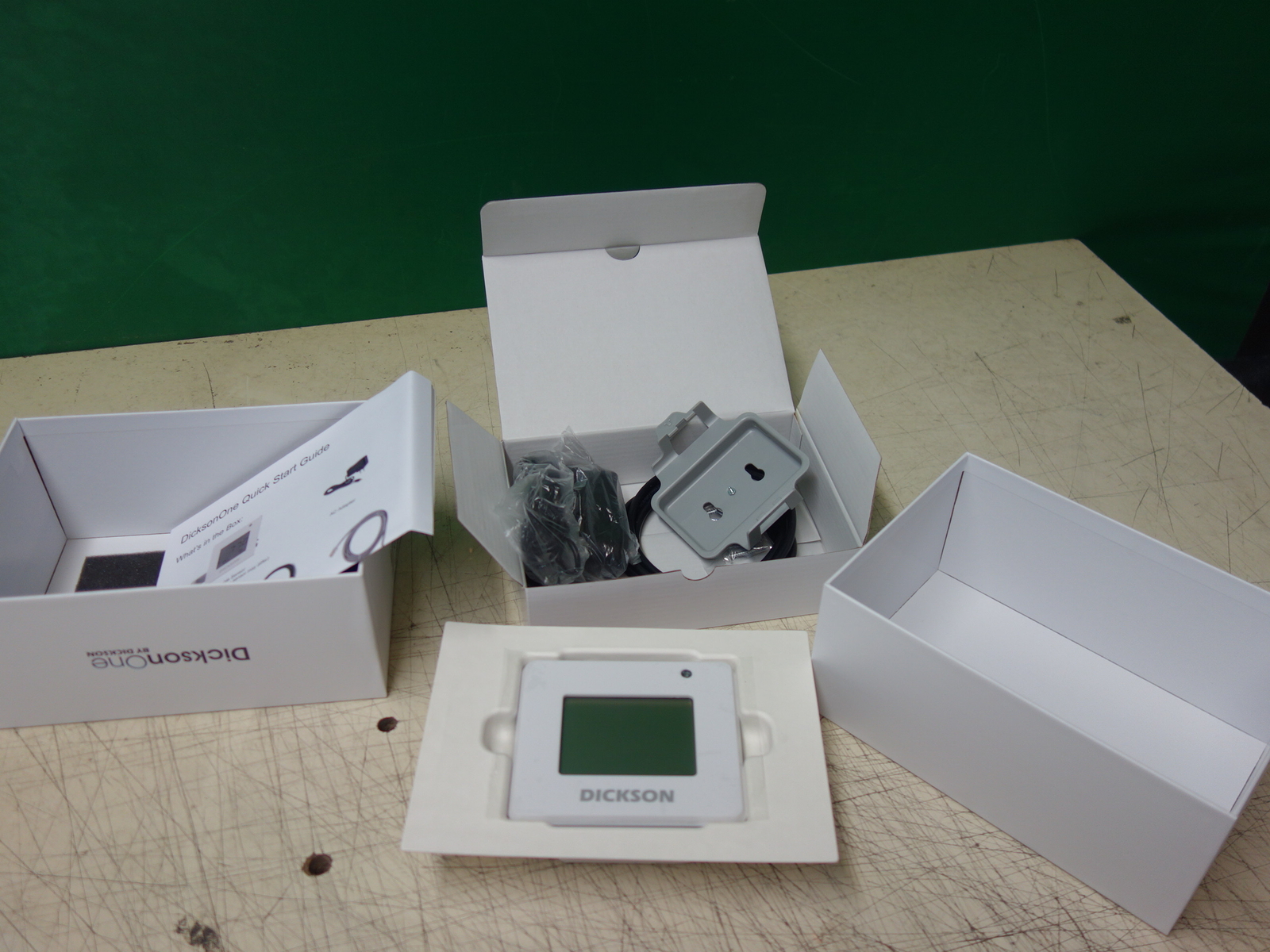 Dickson DWE Data Logger Temperature & Humidity DicksonOne - NEW$119.99Last checked Nov 27, 2026View on eBay
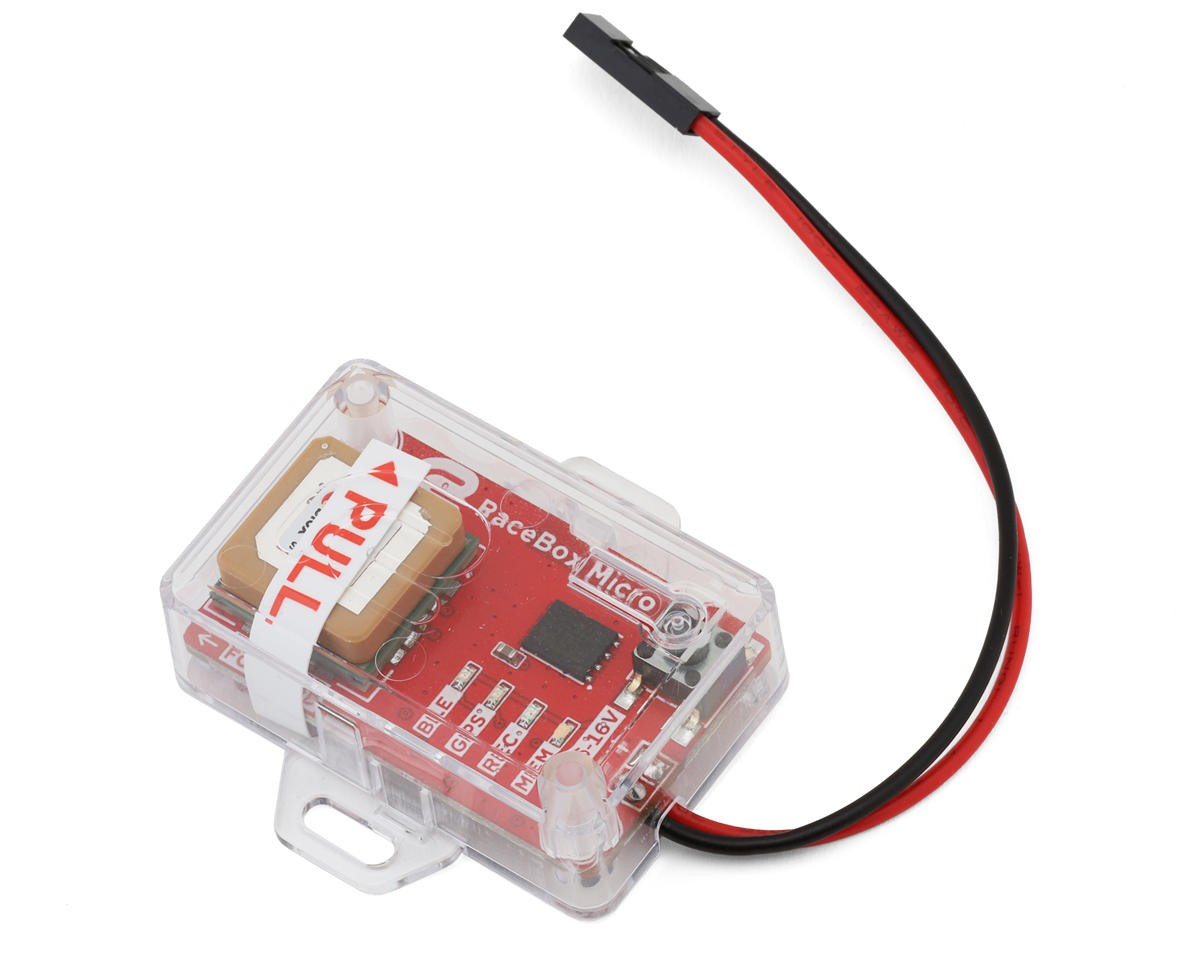 Racebox Micro GPS Speed Meter & Telemetry Data Logger [BOX001]$129.99View on eBay
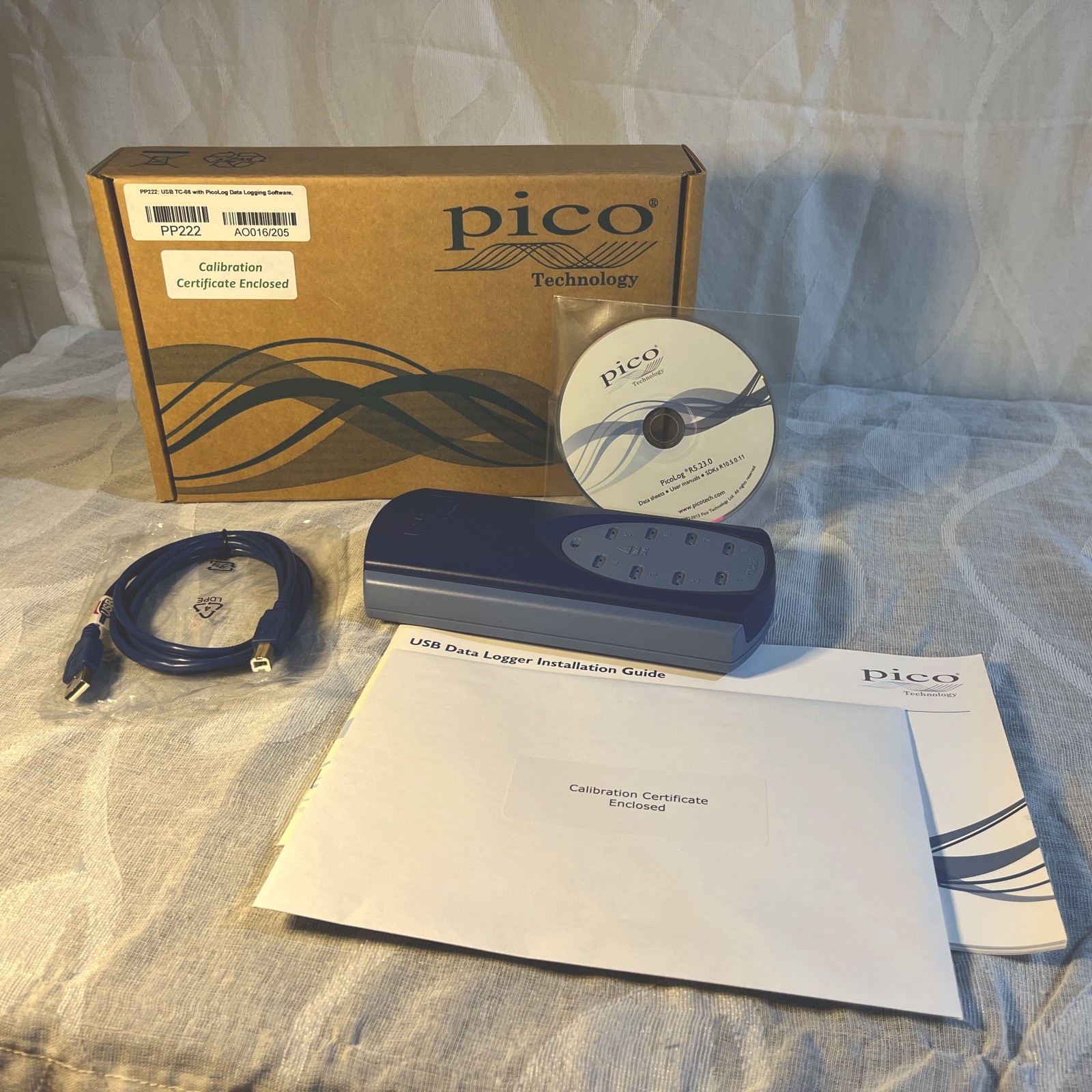 Pico Technology USB TC-08 Thermocouple Data Logger (Model PP222) - New/Open Box$325.00Last checked Nov 17, 2026View on eBay
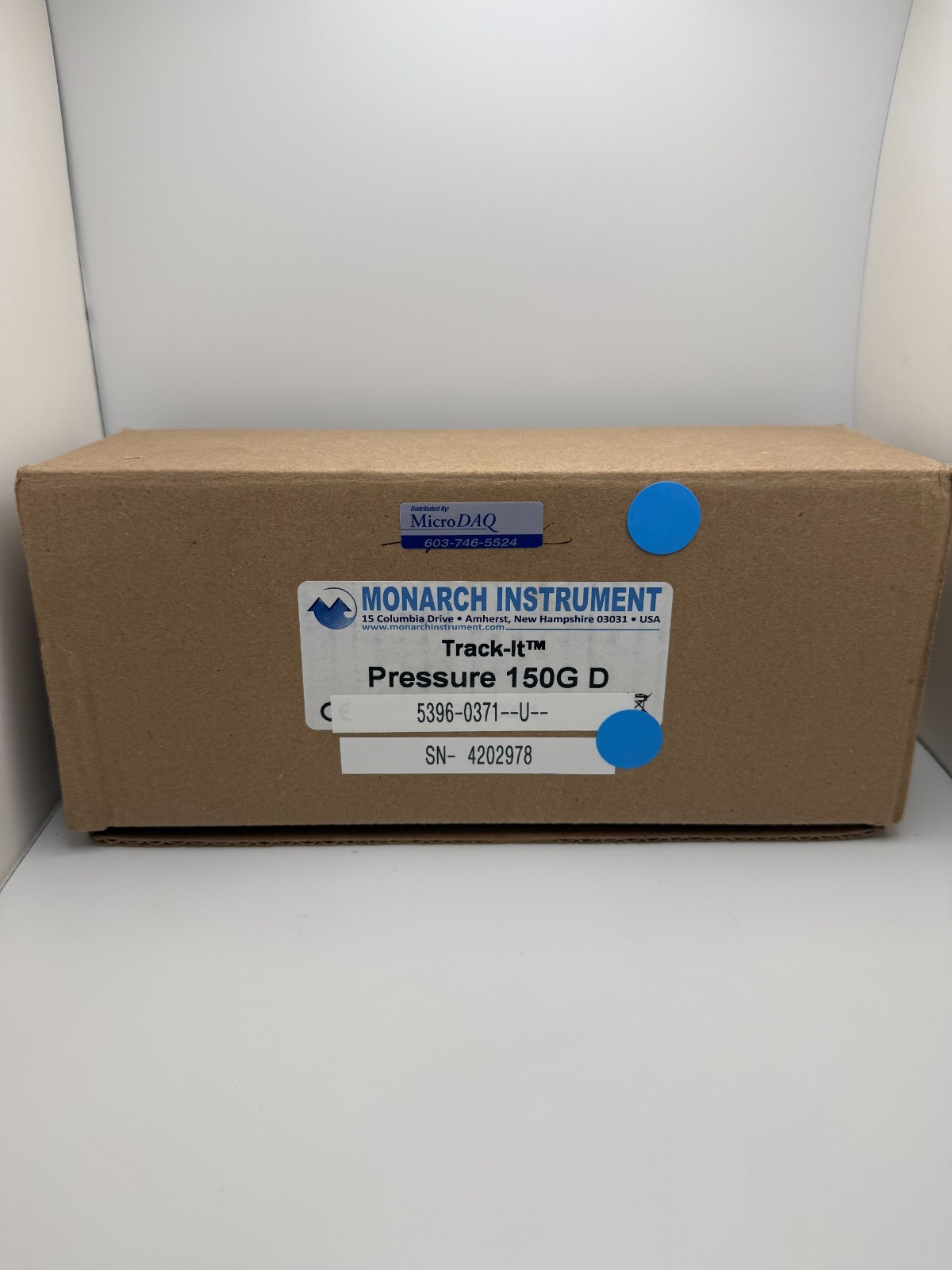 *OPEN BOX* Track-It Gauge Pressure & Temperature Data Logger 0 to 150 PSIG$450.00Last checked Nov 16, 2026View on eBay
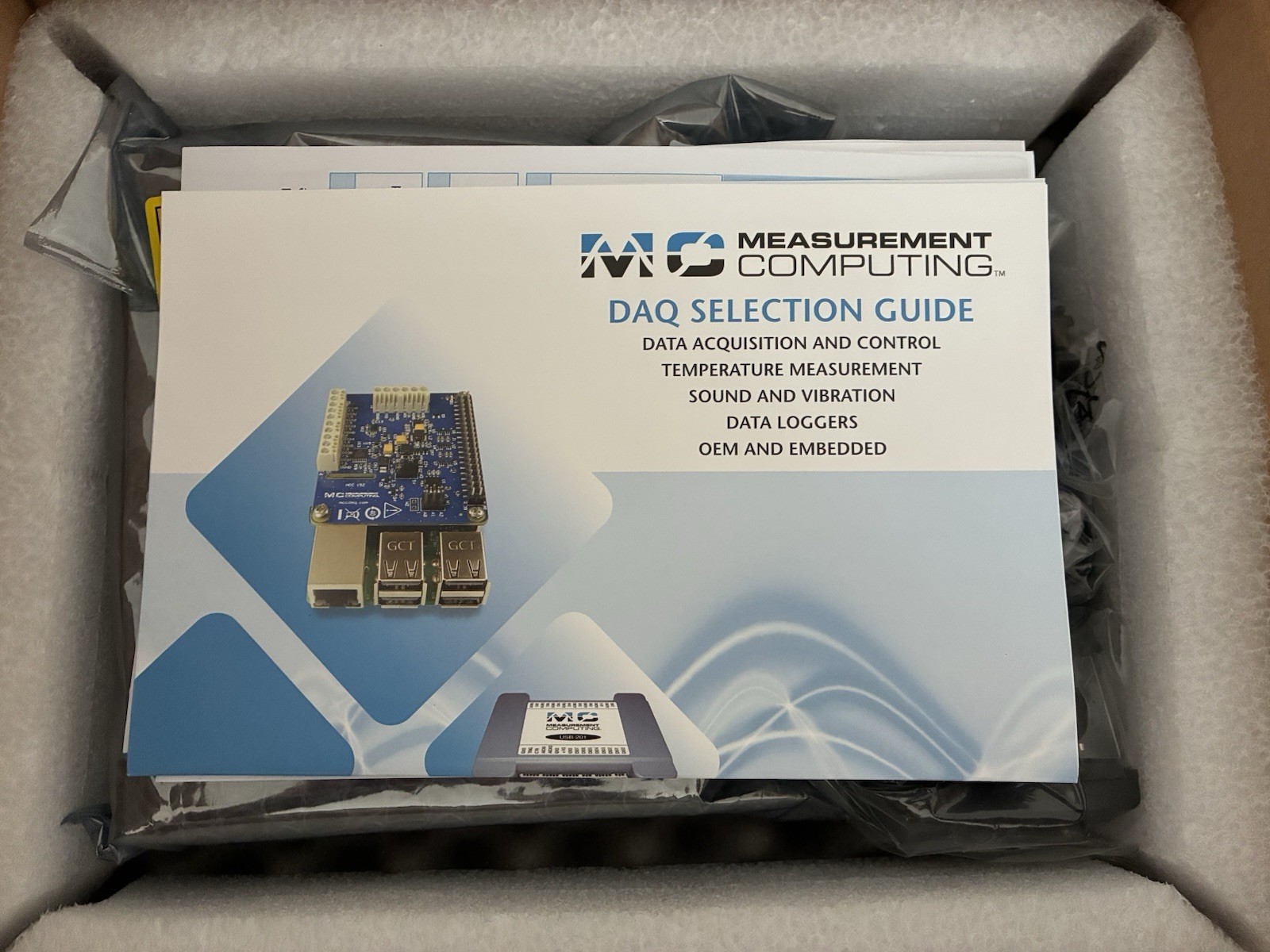 Digilent MCC WebDAQ 904 - Internet Enabled Universal Input Data Logger$1,249.00Last checked Nov 18, 2026View on eBay
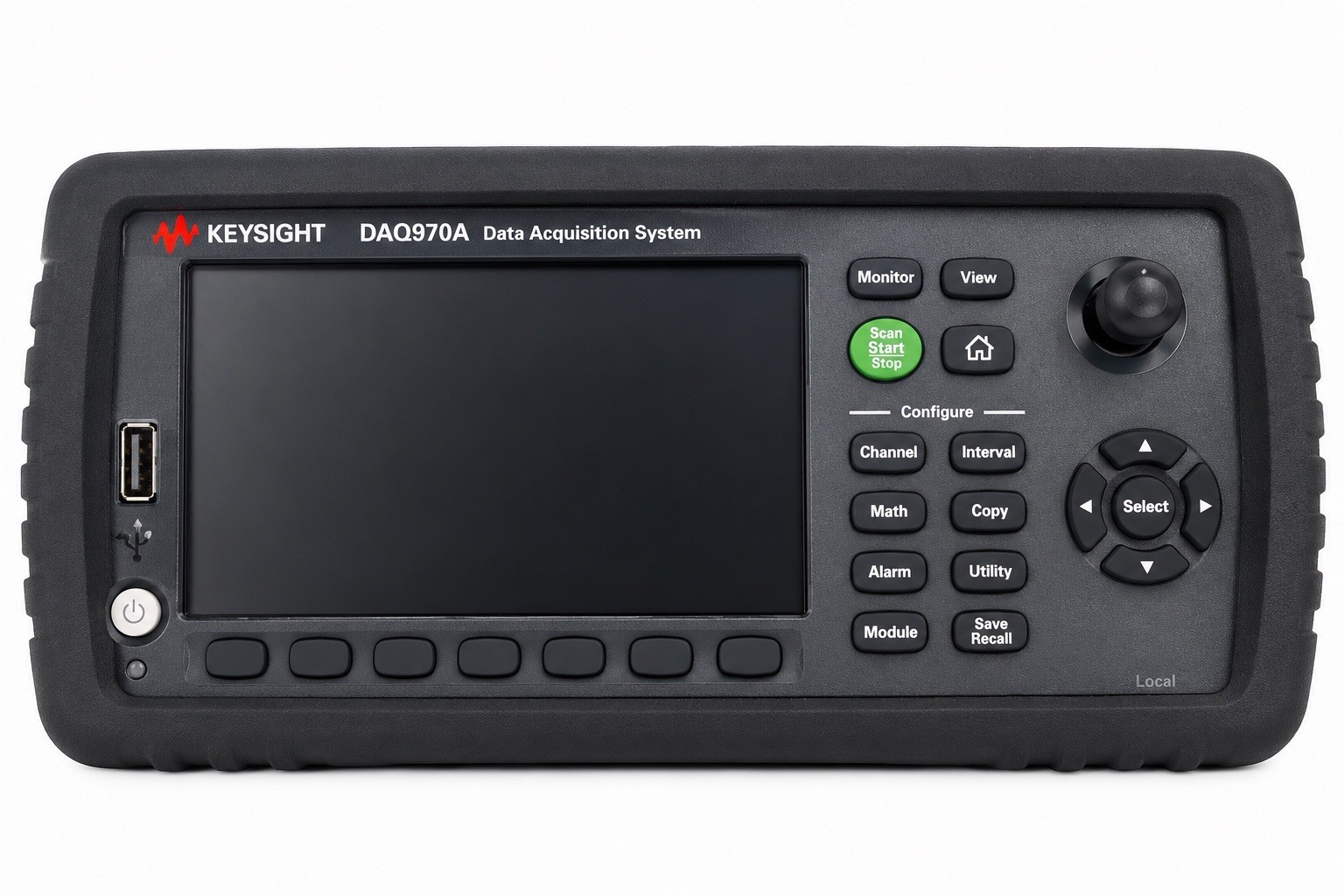 Keysight DAQ970A Data Logger$1,999.00Used · Last checked Nov 26, 2026View on eBay
Highlights
- Display type decides field usability: segment LCD shows live value and min/max without backlight, while dot-matrix LCD adds menu navigation, alarm logs, and multi-channel views but drains battery faster.
- Channel architecture separates classes: single-channel temp/RH loggers (e.g., HOBO UX100 series) versus multi-channel analog/pulse models (UX120-006M 4-channel, UX120-018 plug-load) that need external sensors or current transformers.
- Sample rate and memory are fixed trade-offs: high-rate motion/accel loggers (WT901SDCL 9-axis, 100+ Hz) fill memory fast, while HVAC/RH loggers run 1-minute to 1-hour intervals for months on one battery.
- Wireless generations matter: Bluetooth 5.0 (WT901SDCL-BT50, Inkbird) gives longer range and lower power than Bluetooth 4.0; Wi-Fi/cloud loggers (DicksonOne DWE) add remote alerts but require network provisioning and subscription tiers.
Best use cases
- Cold-chain and HVAC validation: pick a standalone temp/RH logger with LCD, min/max memory, and a downloadable PDF report (HOBO UX100, Dickson DWE) — skip phone-only Bluetooth loggers that lose data if the app is closed.
- Electrical load and energy audits: choose a plug-load logger with display (HOBO UX120-018) for 120 V appliance monitoring; for 240 V or hardwired loads, step up to a current-transformer analog logger instead.
- Machine vibration and motion studies: use a 9-axis accelerometer logger with SD card and Bluetooth (WT901SDCL-BT50) for high-rate triaxial capture; do not use a temp/RH logger for shock or vibration work.
- Laboratory thermocouple profiling: pick a multi-channel thermocouple interface (Pico TC-08, 8 channels, USB) when you need Type K/J/T/R/S accuracy and PC software; skip standalone LCD loggers that lack thermocouple cold-junction compensation.
Buying tips
- Match channel count to sensor count plus one spare: 4-channel analog loggers (UX120-006M) handle 0-5 V/4-20 mA/contact inputs; add a pulse input channel for flow or kWh pulses.
- Check sample-rate vs memory math: a 9-axis logger at 100 Hz fills 1 GB in about 1 hour of 10-byte records, so choose SD-card or 1-minute interval logging for multi-week deployments.
- Verify sensor compatibility before buying: thermocouple loggers need the correct mini-connector type (Type K vs T) and cold-junction range; RH loggers need replaceable or calibrated probes for >±2% RH accuracy.
- Prefer loggers with removable batteries and documented battery life at your interval (e.g., 1 year at 5-minute intervals); sealed coin-cell units are disposable and create long-term replacement cost.
Specs
| Display Type | Segment LCD vs dot-matrix LCD |
|---|---|
| Channel Count | 1 to 8 channels (analog/pulse/TC) |
| Sample Rate | 1 s to 200 Hz (model-dependent) |
| Wireless / Interface | USB, Bluetooth 5.0, Wi-Fi cloud |
Related searches
What to check before buying
- Measure the enclosure and mounting space: DIN-rail, wall-mount, or magnetic-back loggers need clearance for USB/thermocouple plugs and LCD viewing angle.
- Confirm power and plug standard for plug-load loggers: North American 120 V NEMA 5-15 vs 230 V UK/EU Schuko, and maximum load current (typically 15 A).
- Check environmental rating: IP67 or sealed enclosure for outdoor/condensing sites; benchtop lab loggers (Pico TC-08) require dry, stable ambient temperature.
- Verify companion parts: thermocouples, RH probes, current transformers, SD cards, and USB cables are often sold separately and must match the logger’s connector and excitation voltage.
FAQ
Data sources: eBay / Amazon listings and product attribute feeds. Updated Nov 29, 2026.
Some links on this page are affiliate links. If you buy after clicking one, we may earn a commission at no extra cost to you. This does not change which products appear here or their order. Affiliate disclosure.