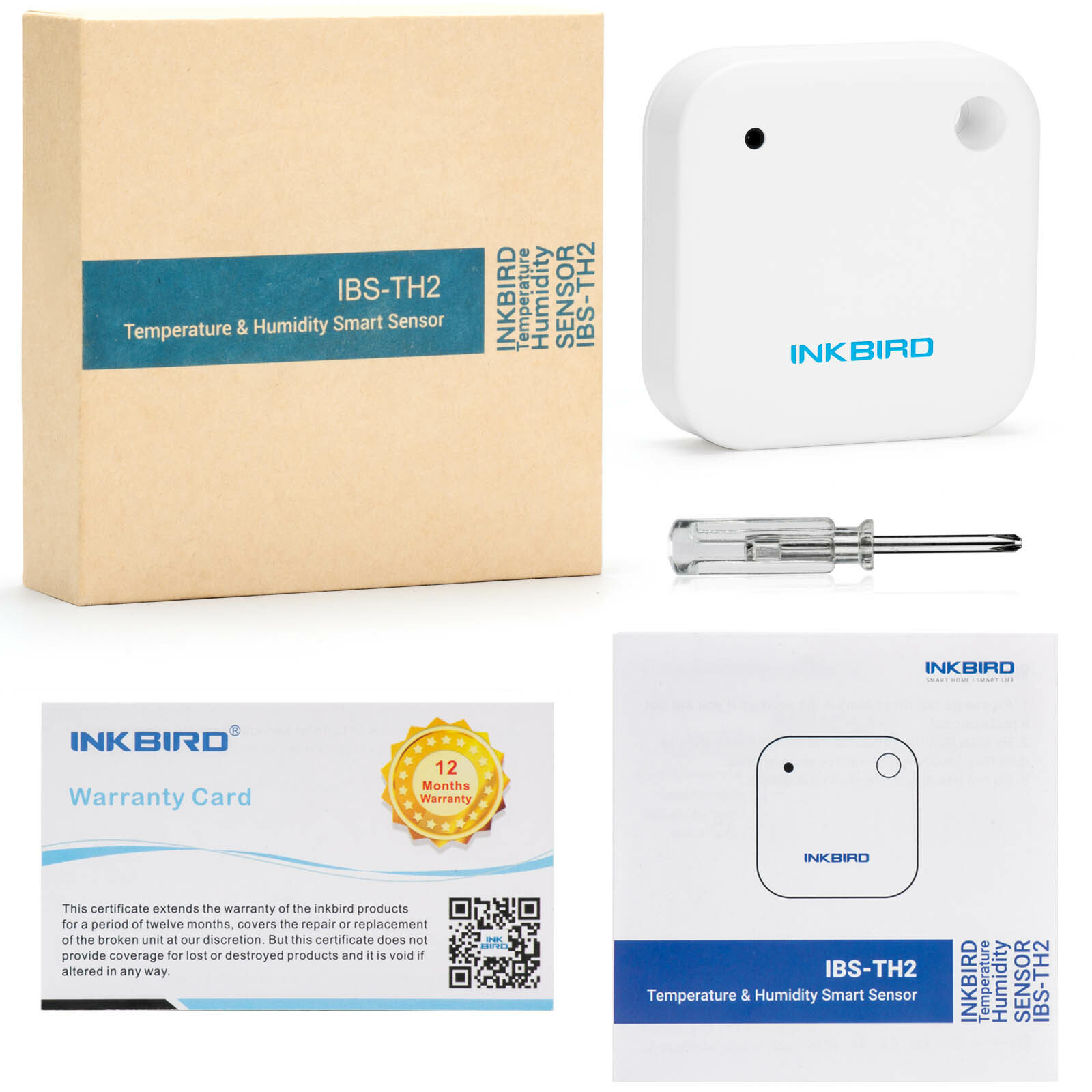

Photos from current listings. Actual item, color, and included accessories may vary.
Data Recorder Buying Guide
Data recorders capture time-stamped sensor or process signals for later analysis, ranging from simple USB temperature/humidity loggers to industrial chartless recorders with Ethernet and PID control. The core trade-off is channel count and input isolation versus standalone logging autonomy: cheap loggers trade accuracy and sample rate for battery-powered convenience, while process recorders add universal inputs and communication at higher cost. The decision rule is to match input type and required sample rate to the recorder's front end—thermocouple/RTD universal inputs and ≥1 Hz logging for process work, simple digital sensors for environmental monitoring.
Key takeaways
- Universal process recorders accept thermocouple, RTD, mA, and V inputs with channel-to-channel isolation; simple USB loggers lock you to one sensor type.
- Battery-powered Bluetooth loggers typically sample every 1–60 seconds and store thousands of points; process recorders log at sub-second rates with mains power.
- Ethernet/USB/RS-485 interfaces on units like Eurotherm Nanodac enable remote polling; standalone loggers need manual download or app sync.
At a glance
- Category
- Data Acquisition & Recorders
- Last updated
- Nov 28, 2026
Current offers
Highlights
- Universal process recorders accept thermocouple, RTD, mA, and V inputs with channel-to-channel isolation; simple USB loggers lock you to one sensor type.
- Battery-powered Bluetooth loggers typically sample every 1–60 seconds and store thousands of points; process recorders log at sub-second rates with mains power.
- Ethernet/USB/RS-485 interfaces on units like Eurotherm Nanodac enable remote polling; standalone loggers need manual download or app sync.
- AMPROBE DM-2 style handhelds combine DMM functions with logging memory—useful for intermittent electrical checks, not continuous multi-channel process trends.
Best use cases
- Pick a Bluetooth/USB temperature-humidity logger for terrariums, cold chain, or server rooms—skip it for any signal above low-voltage DC or fast transients.
- Choose a universal-input process recorder with Ethernet for oven/furnace profiling or pilot-plant trending; skip cheap loggers that lack thermocouple cold-junction compensation.
- Use a handheld DMM-logger like the DM-2 for field electrical troubleshooting with stored readings; skip it when you need simultaneous multi-channel process records.
- For regulatory or audit trails, specify a recorder with timestamped non-volatile memory and alarm logging; skip app-only loggers that overwrite or lack export.
Buying tips
- Match input type first: thermocouple/RTD needs cold-junction compensation; 4–20 mA needs a shunt or current input; AC volts need a true-RMS front end.
- Calculate memory needs: points = sample rate × seconds; a 1-minute interval for 30 days needs 43,200 points per channel—confirm capacity exceeds that with margin.
- Check isolation: non-isolated inputs on multi-channel recorders cause ground loops and corrupted readings when sensors share a common ground.
- Confirm communication and power: Ethernet/RS-485 for permanent installs, USB or Bluetooth for portability; battery life drops sharply at fast sample rates.
Specs
| Input Type | Thermocouple / RTD / mA / V / digital |
|---|---|
| Channels | 1–2 portable; 4–48+ process recorder |
| Logging Interval | 1 s to 60 min depending on model |
| Interfaces | USB / Bluetooth / Ethernet / RS-485 |
Related searches
What to check before buying
- Verify sensor compatibility: thermocouple type (K, J, T), RTD (PT100/PT1000), or voltage/current range must match the recorder's input specification.
- Measure enclosure and DIN-rail space: panel-mount process recorders need 1/8 or 1/4 DIN cutouts; portable loggers need only bench space.
- Check power: mains-powered recorders need the correct voltage and plug standard; battery loggers need specified cell type and expected life at your sample rate.
- Confirm data export: USB mass storage, CSV over Ethernet, or proprietary software—ensure you can retrieve records without a paid license.
FAQ
Data sources: eBay / Amazon listings and product attribute feeds. Updated Nov 28, 2026.
Some links on this page are affiliate links. If you buy after clicking one, we may earn a commission at no extra cost to you. This does not change which products appear here or their order. Affiliate disclosure.