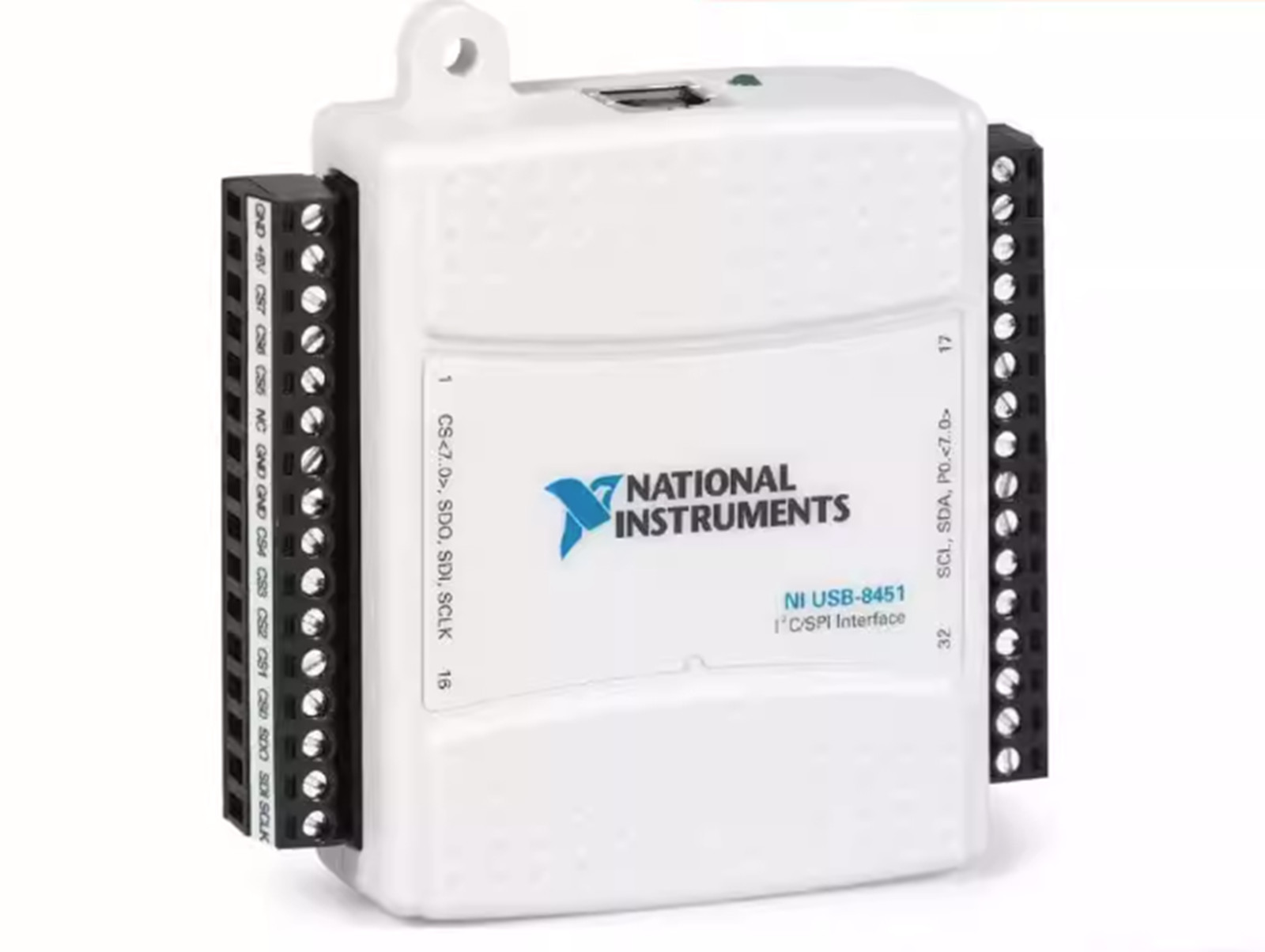

Photos from current listings. Actual item, color, and included accessories may vary.
Ni Card Buying Guide
An NI card is a National Instruments data acquisition (DAQ) module—typically a PCIe/PXIe plug-in board or a USB/cDAQ chassis module—that digitizes analog signals, reads digital I/O, or drives counters with lab-grade accuracy. The primary trade-off is bus/chassis architecture and isolated vs. multiplexed front-end design: isolated simultaneous-sampling modules cost more but eliminate cross-channel ghosting and ground loops, while low-cost multiplexed modules share one ADC and cap aggregate throughput. The decision rule: match the card's bus, channel count, resolution, and isolation to your signal type and sampling rate—never buy a multiplexed low-voltage module for high-impedance or floating sources.
Median $234.89 · New listings
Key takeaways
- NI X Series PCIe (e.g., PCIe-6321/6351) uses a single multiplexed ADC with 16 analog inputs, 250 kS/s aggregate, 16-bit resolution—adequate for slow DC or low-channel-count scans.
- NI M Series and cDAQ simultaneous modules (e.g., NI-9215) dedicate one ADC per channel, delivering true per-channel sample rates up to 100 kS/s and eliminating inter-channel phase skew.
- Isolation grade matters: channel-to-earth isolation (60–250 Vrms) protects against ground loops and common-mode voltages; non-isolated modules are limited to ±10 V and share a common ground.
At a glance
- Category
- Data Acquisition & Recorders
- Last updated
- Nov 28, 2026
Current offers
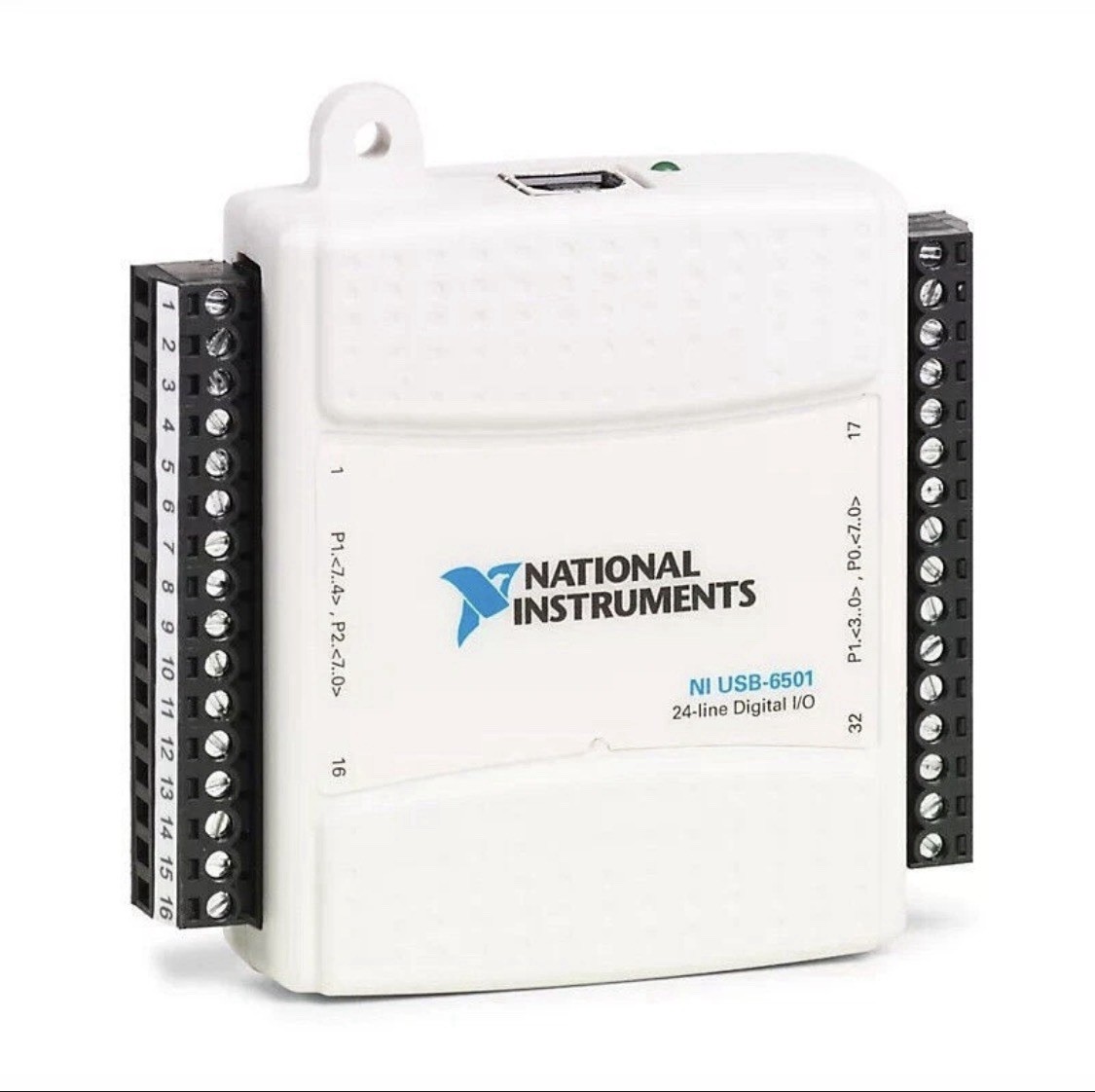
Highlights
- NI X Series PCIe (e.g., PCIe-6321/6351) uses a single multiplexed ADC with 16 analog inputs, 250 kS/s aggregate, 16-bit resolution—adequate for slow DC or low-channel-count scans.
- NI M Series and cDAQ simultaneous modules (e.g., NI-9215) dedicate one ADC per channel, delivering true per-channel sample rates up to 100 kS/s and eliminating inter-channel phase skew.
- Isolation grade matters: channel-to-earth isolation (60–250 Vrms) protects against ground loops and common-mode voltages; non-isolated modules are limited to ±10 V and share a common ground.
- Bus determines latency and expandability: PCIe/PXIe cards require a host chassis (PXIe for PXI systems), USB cDAQ chassis are portable and hot-pluggable, and Ethernet cDAQ supports distributed or remote acquisition.
Best use cases
- Best fit: benchtop vibration or acoustic testing at >50 kS/s per channel—choose a simultaneous-sampling module (NI-9234 for IEPE, NI-9215 for ±10 V) in a cDAQ chassis; skip multiplexed X Series cards that alias high-frequency content.
- Best fit: multi-channel thermocouple or low-voltage DC logging in a control cabinet—pick an isolated thermocouple module (NI-9213, 16-ch, 75 S/s) or isolated voltage module (NI-9229); skip non-isolated PCIe cards that invite ground loops.
- Best fit: portable field diagnostics with a laptop—use a USB cDAQ chassis (e.g., cDAQ-9171) plus the appropriate C Series module; skip PXIe cards that require a costly chassis and embedded controller.
- Wrong fit: high-voltage mains or motor-phase measurement without isolation—never connect a non-isolated ±10 V card directly; specify a channel-to-earth isolated module rated for the common-mode voltage.
Buying tips
- Calculate aggregate throughput: a 16-channel multiplexed card at 250 kS/s gives only ~15.6 kS/s per channel when scanning all inputs; for per-channel rates above 50 kS/s choose simultaneous-sampling modules.
- Verify resolution vs. accuracy: 16-bit cards resolve ~305 µV on a ±10 V range, while 24-bit modules (e.g., NI-9239) resolve sub-µV levels—match bit depth to your smallest signal of interest, not just the headline number.
- Check compatibility: X Series PCIe cards require a PC with an available PCIe slot and NI-DAQmx driver; PXIe modules need a PXIe chassis and controller; cDAQ modules fit only cDAQ chassis (USB, Ethernet, or wireless).
- Counter/timer needs: for encoder, PWM, or frequency measurement, confirm the card has dedicated counter channels (X Series offers 4, M Series 2); analog-only modules cannot substitute.
Specs
| Bus/Form Factor | PCIe / PXIe / USB cDAQ / Ethernet |
|---|---|
| ADC Architecture | Multiplexed vs simultaneous per-channel |
| Resolution | 16-bit / 24-bit delta-sigma |
| Isolation | Channel-to-earth 60-250 Vrms |
Related searches
What to check before buying
- Measure your signal source impedance and common-mode voltage: if either exceeds ±10 V or floats above earth, select an isolated module with adequate channel-to-earth rating.
- Confirm host interface: count available PCIe slots (x1 or larger) for plug-in cards; for cDAQ, verify USB 2.0/3.0 or Ethernet port availability and chassis power.
- Match module form factor to chassis: PXIe modules fit PXIe slots only; cDAQ C Series modules fit any cDAQ chassis but not PXIe; USB DAQ modules are standalone and need no chassis.
- Verify driver and OS support: NI-DAQmx supports Windows and some Linux distributions; check that your OS version and LabVIEW/ Python/C API version are compatible with the specific module.
FAQ
Data sources: eBay / Amazon listings and product attribute feeds. Updated Nov 28, 2026.
Some links on this page are affiliate links. If you buy after clicking one, we may earn a commission at no extra cost to you. This does not change which products appear here or their order. Affiliate disclosure.