
Photos from current listings. Actual item, color, and included accessories may vary.
Portable Data Logger Buying Guide
A portable data logger is a self-contained, battery-powered instrument that records sensor or electrical signals over time for later download and analysis. The core trade-off is channel count and sample rate versus battery life and environmental sealing, since high-speed multi-channel logging drains power and demands robust enclosures. Choose a logger with the exact input type, isolation, and sample interval your sensors require; skip generic voltage-only units if you need thermocouples, RTDs, or 4–20 mA loops.
Median $387.50 · Pre-owned listings
Key takeaways
- Input architecture: universal loggers accept thermocouples, RTDs, 4–20 mA, and 0–10 V; fixed-input models lock you to one sensor family.
- Memory strategy: internal flash of 1–4 million readings suits weeks of 1-minute interval logging; SD-card slots allow longer deployments but add sealing and card-failure risk.
- Battery life scales inversely with sample rate and channel count: a 1-channel 1-minute logger can run 1–3 years on AA lithium, while a 8-channel 1-second logger lasts weeks.
At a glance
- Category
- Data Acquisition & Recorders
- Last updated
- Nov 29, 2026
Current offers
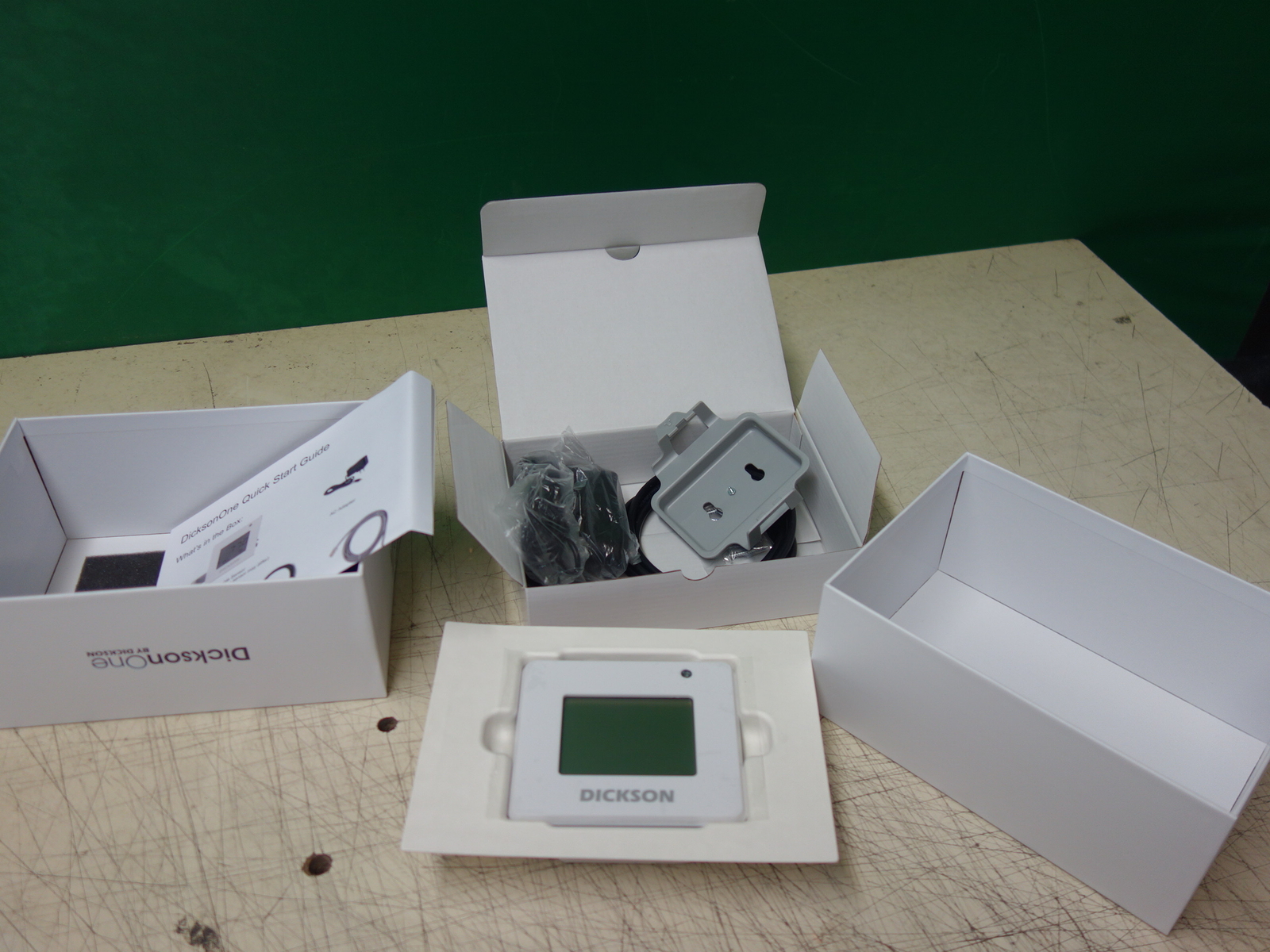 Dickson DWE Data Logger Temperature & Humidity DicksonOne - NEW$119.99Last checked Nov 27, 2026View on eBay
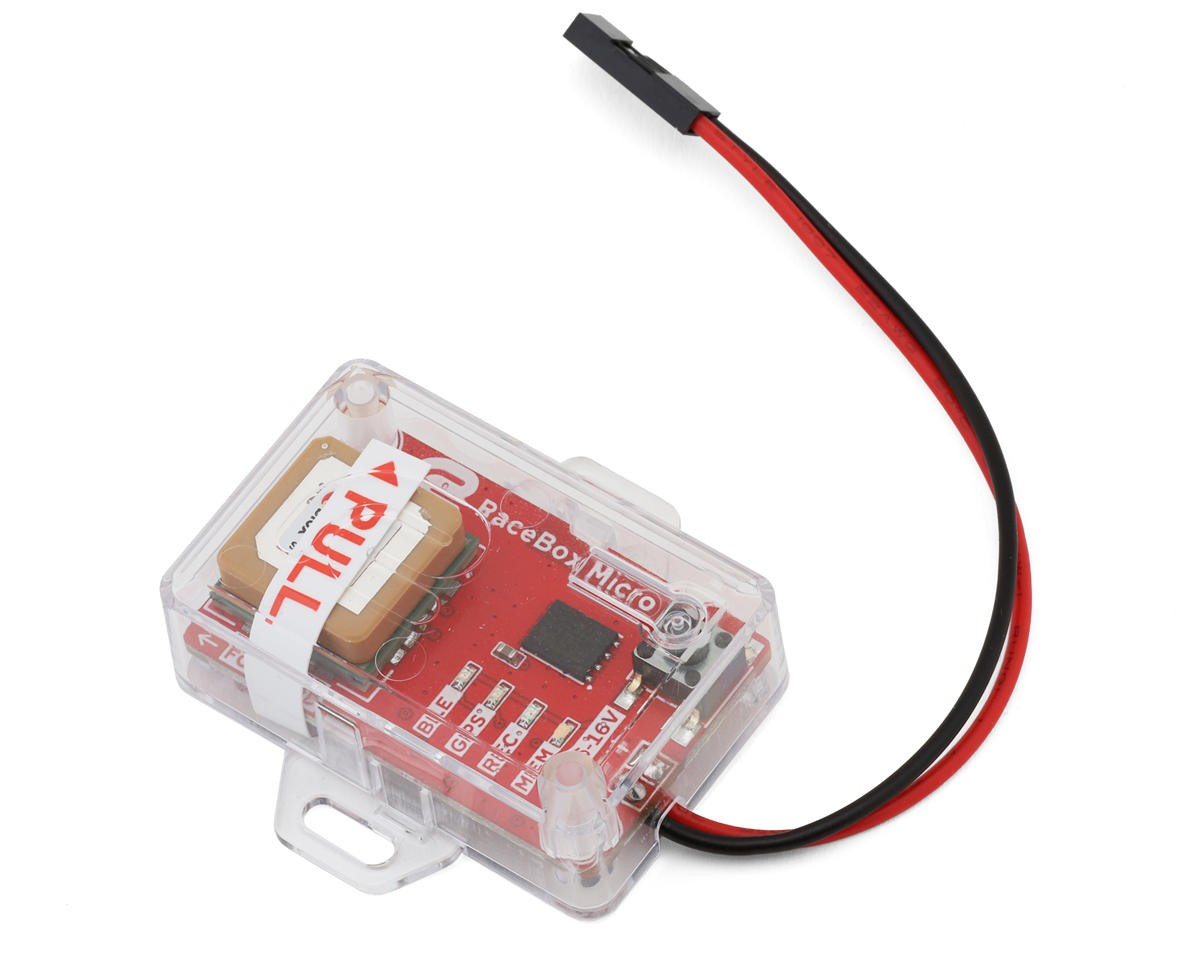 Racebox Micro GPS Speed Meter & Telemetry Data Logger [BOX001]$129.99View on eBay
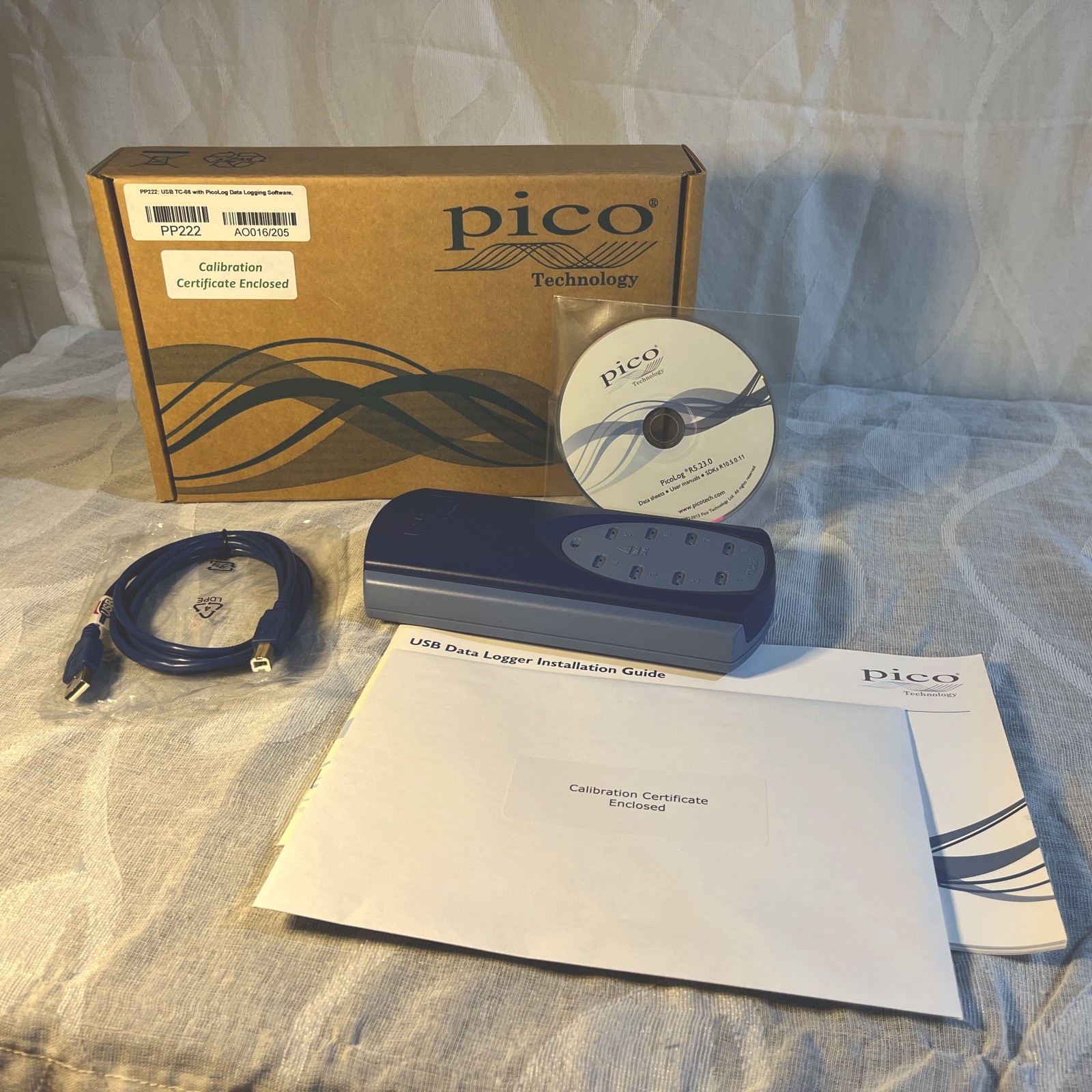 Pico Technology USB TC-08 Thermocouple Data Logger (Model PP222) - New/Open Box$325.00Last checked Nov 17, 2026View on eBay
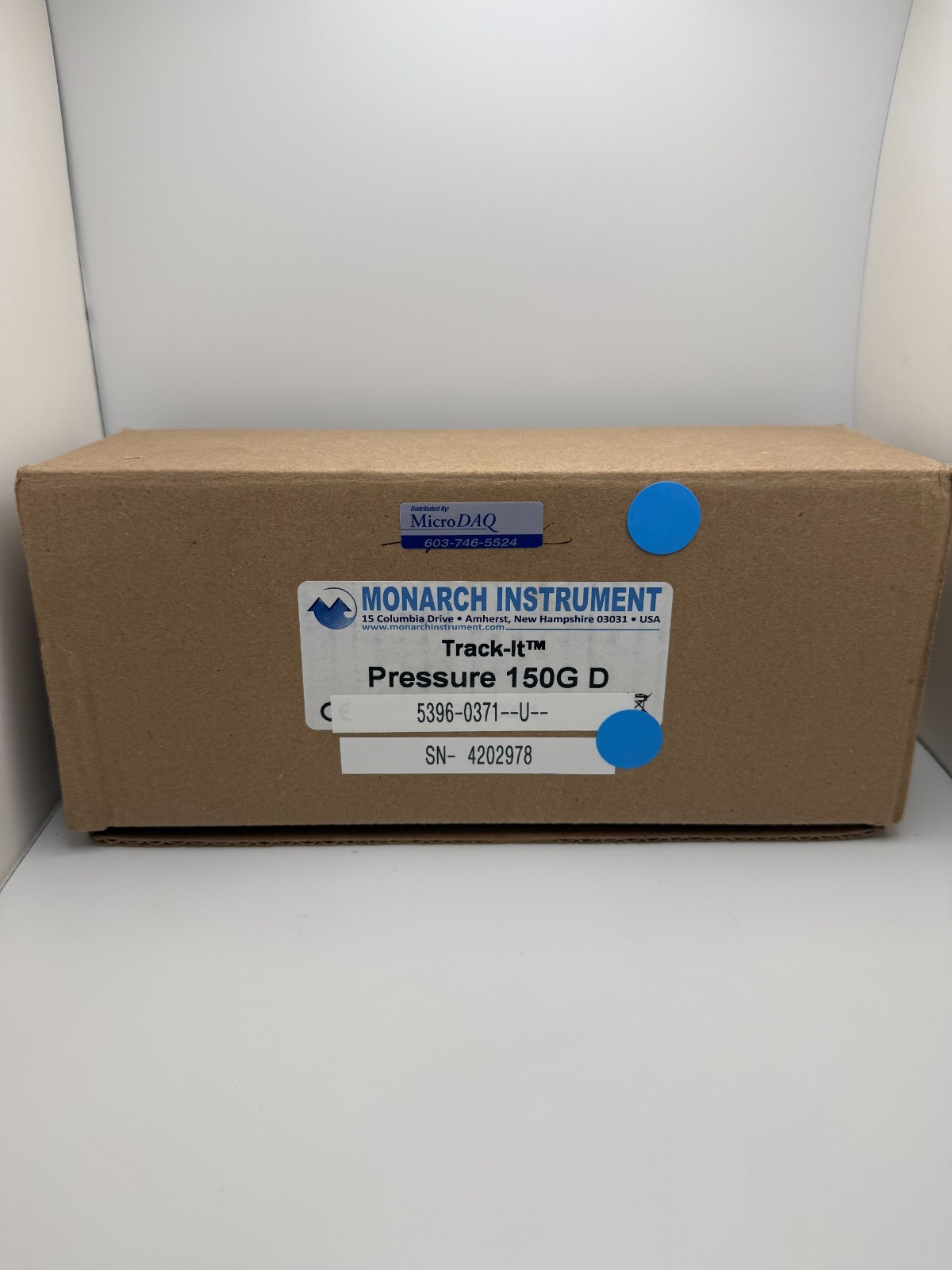 *OPEN BOX* Track-It Gauge Pressure & Temperature Data Logger 0 to 150 PSIG$450.00Last checked Nov 16, 2026View on eBay
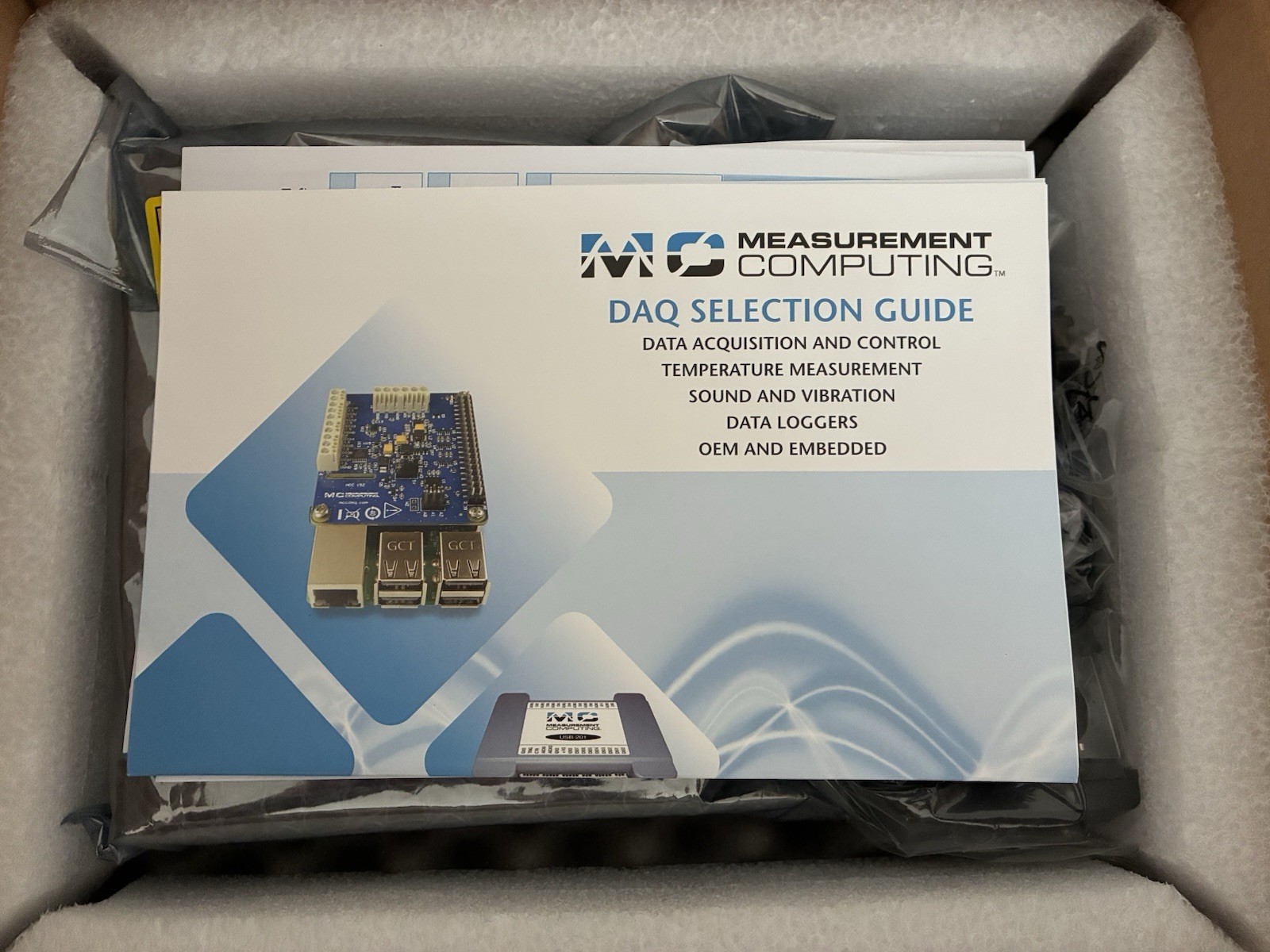 Digilent MCC WebDAQ 904 - Internet Enabled Universal Input Data Logger$1,249.00Last checked Nov 18, 2026View on eBay
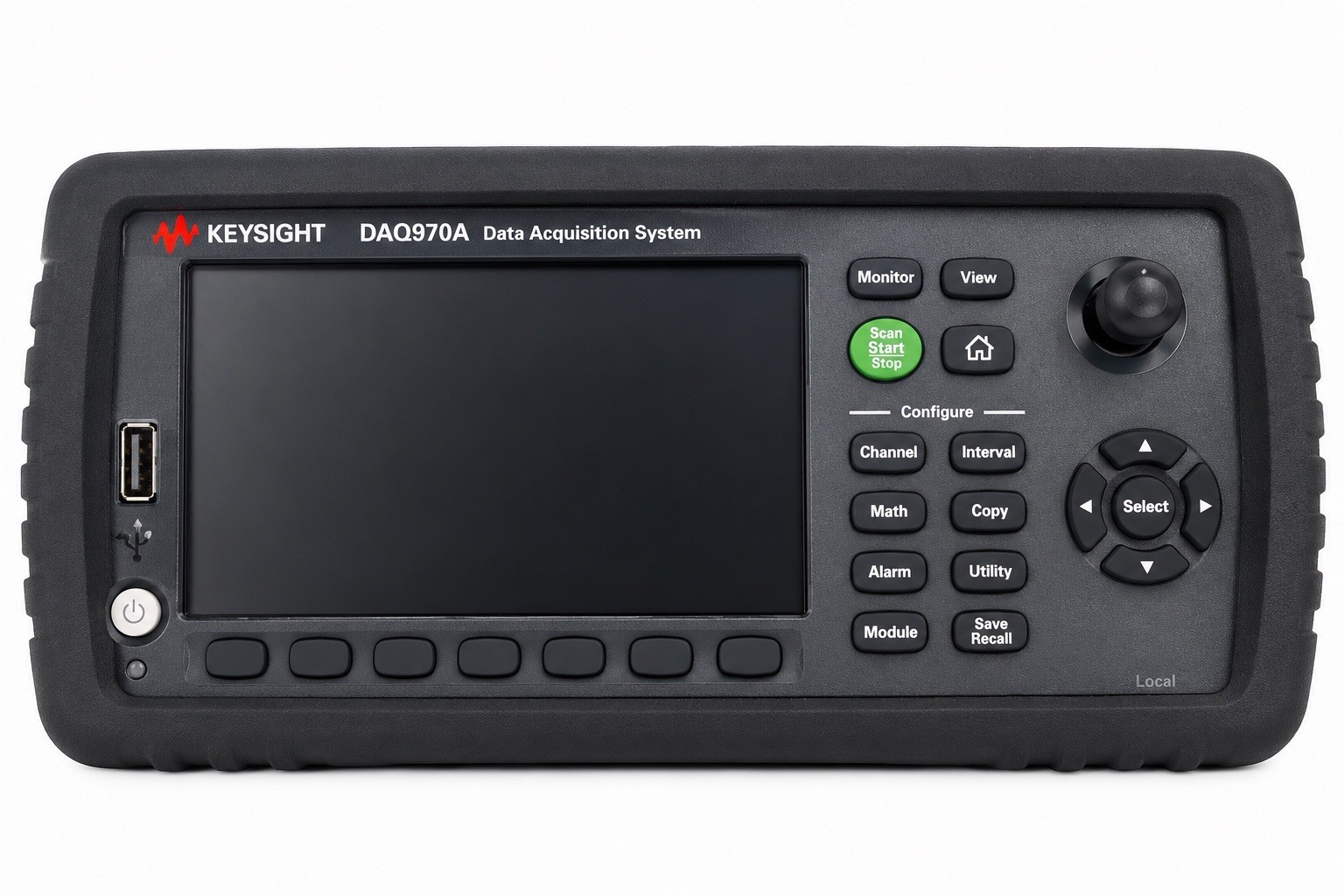 Keysight DAQ970A Data Logger$1,999.00Used · Last checked Nov 26, 2026View on eBay
Highlights
- Input architecture: universal loggers accept thermocouples, RTDs, 4–20 mA, and 0–10 V; fixed-input models lock you to one sensor family.
- Memory strategy: internal flash of 1–4 million readings suits weeks of 1-minute interval logging; SD-card slots allow longer deployments but add sealing and card-failure risk.
- Battery life scales inversely with sample rate and channel count: a 1-channel 1-minute logger can run 1–3 years on AA lithium, while a 8-channel 1-second logger lasts weeks.
- Environmental rating: IP67 sealed loggers survive washdown and outdoor mounting; IP20 units are bench-only and must live in a dry enclosure.
Best use cases
- Best fit: cold-chain and HVAC monitoring — pick a single-channel temperature/humidity logger with internal memory and USB download, and skip multi-channel units that cost more and drain faster.
- Best fit: field research with mixed sensors — choose a universal-input logger with 4–8 channels, thermocouple/RTD support, and IP67 sealing; skip USB-only bench loggers with no battery.
- Best fit: industrial troubleshooting on 4–20 mA loops — select a loop-powered or isolated-input logger rated for 24 V DC loops; skip direct-voltage loggers that lack isolation and can corrupt readings.
- Wrong fit: high-speed vibration or transient capture — portable data loggers sample at seconds-to-minutes intervals; for kHz sampling choose a dedicated DAQ module instead.
Buying tips
- Match input type first: thermocouple loggers need cold-junction compensation; RTD loggers need 2/3/4-wire support; current-loop loggers need a shunt or 4–20 mA input.
- Calculate memory: readings = channels × (deployment hours × 3600 ÷ interval seconds); choose internal memory at least 2× that figure for headroom.
- Check battery chemistry and replacement: AA lithium gives the widest temperature range and longest life; soldered coin cells mean disposable units at end of life.
- Verify download interface: USB-C or USB-micro for PC; Bluetooth or Wi-Fi for phone access; standalone SD card only if the enclosure stays sealed.
Specs
| Input Types | Thermocouple / RTD / 4-20 mA / 0-10 V |
|---|---|
| Channel Count | 1 / 4 / 8 / 16 channels |
| Memory Capacity | 1k to 4M readings internal |
| Environmental Rating | IP20 bench to IP67 sealed |
Related searches
What to check before buying
- Measure the mounting location: confirm the logger body fits the enclosure or bracket and that sensor cables reach the measurement point.
- Confirm environmental exposure: match IP rating to washdown, condensation, or outdoor UV; add a radiation shield for outdoor temperature logging.
- Verify sensor compatibility: check thermocouple type (K, J, T), RTD resistance (PT100/PT1000), and whether 4–20 mA inputs supply loop power.
- Check power and software: confirm battery type is user-replaceable and that free PC software or a mobile app supports export to CSV/Excel.
FAQ
Data sources: eBay / Amazon listings and product attribute feeds. Updated Nov 29, 2026.
Some links on this page are affiliate links. If you buy after clicking one, we may earn a commission at no extra cost to you. This does not change which products appear here or their order. Affiliate disclosure.