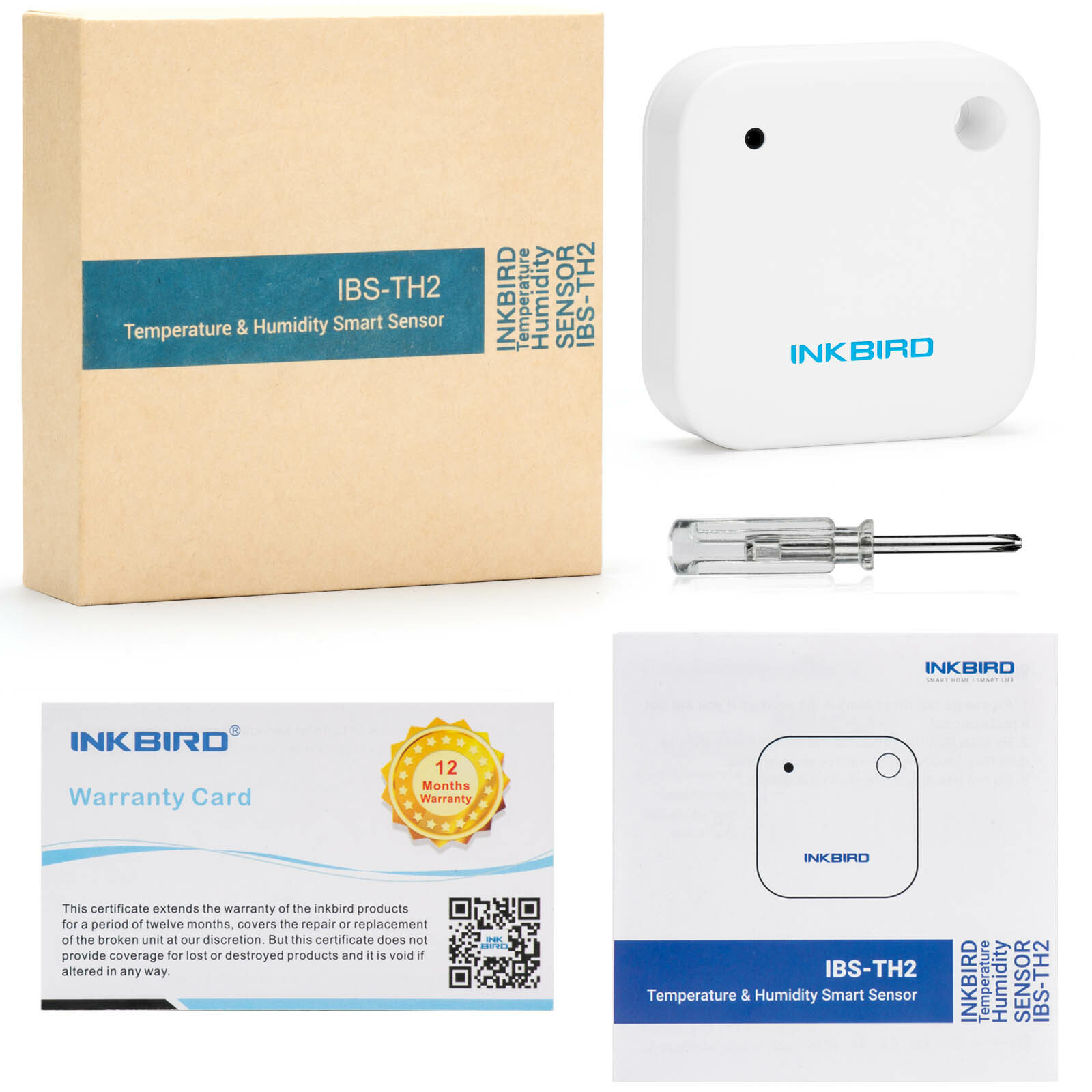

Photos from current listings. Actual item, color, and included accessories may vary.
Temperature And Humidity Data Logger Buying Guide
A temperature and humidity data logger is a self-contained sensor that records ambient conditions over time for later analysis, used everywhere from server rooms to greenhouses. The primary trade-off is between calibration accuracy and logging capacity versus wireless convenience and cloud integration. Choose a unit with documented accuracy (±0.5°C/±3% RH or better) and the right logging interval; avoid uncalibrated toys for any compliance or process-control use.
Median $67.99
Key takeaways
- Accuracy tiers: consumer Bluetooth loggers typically ±0.5°C/±5% RH; professional units reach ±0.2°C/±2% RH with NIST-traceable calibration certificates.
- Logging capacity and interval: internal memory ranges from 8k to 1M+ readings; a 1-minute interval fills 8k points in under 6 days, so match capacity to mission duration.
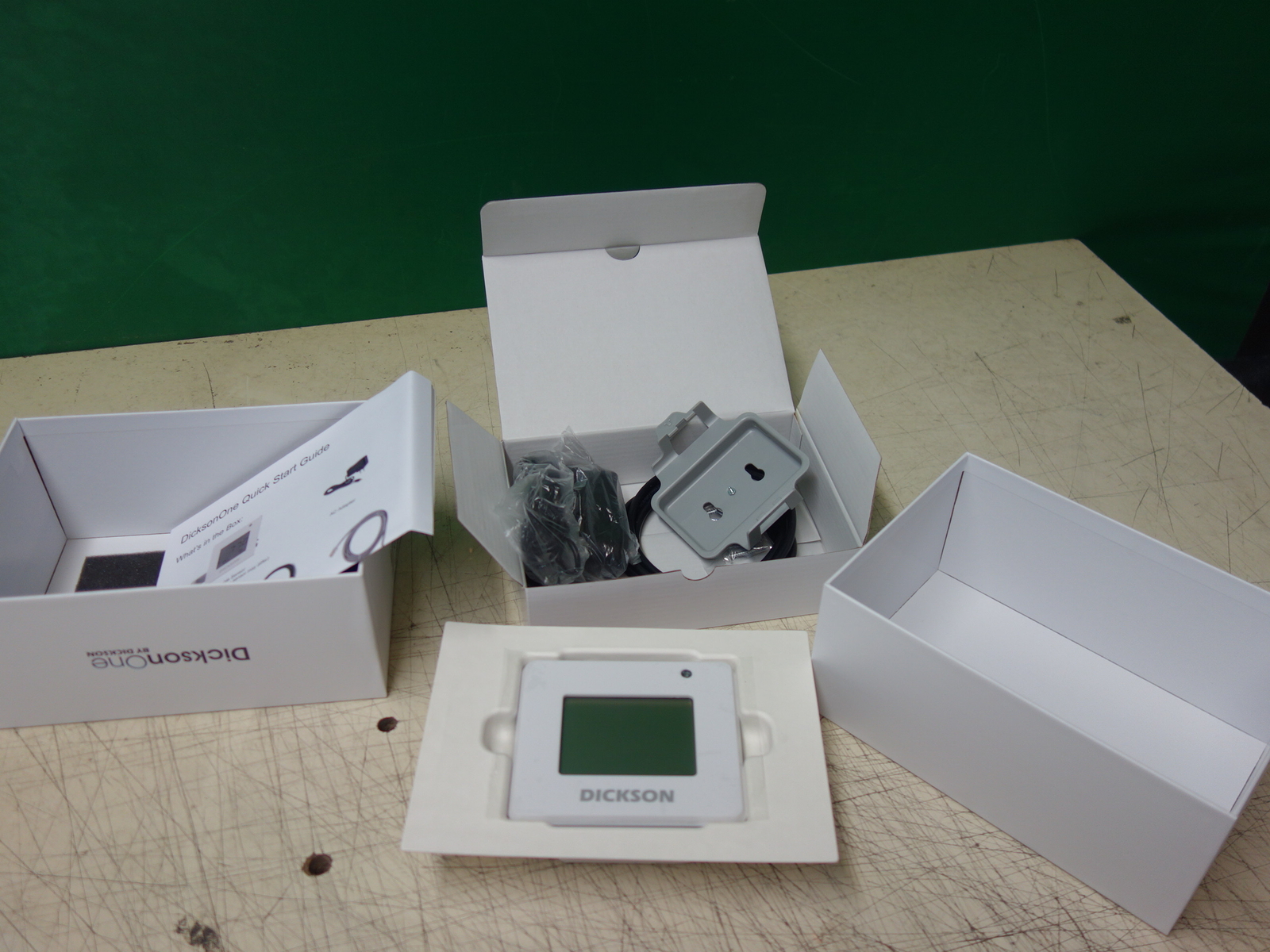
- Wireless architecture: Bluetooth loggers (Inkbird, generic) offer local 30–100 ft range with app export; Wi-Fi/cloud units (DicksonOne) push data off-site but require network and subscription.
At a glance
- Category
- Data Acquisition & Recorders
- Last updated
- Nov 28, 2026
Current offers
Highlights
- Accuracy tiers: consumer Bluetooth loggers typically ±0.5°C/±5% RH; professional units reach ±0.2°C/±2% RH with NIST-traceable calibration certificates.
- Logging capacity and interval: internal memory ranges from 8k to 1M+ readings; a 1-minute interval fills 8k points in under 6 days, so match capacity to mission duration.
- Wireless architecture: Bluetooth loggers (Inkbird, generic) offer local 30–100 ft range with app export; Wi-Fi/cloud units (DicksonOne) push data off-site but require network and subscription.
- Sensor type: integrated digital sensors (SHT, Sensirion) are factory-calibrated; thermistor+capacitive RH designs can drift and need periodic recalibration.
Best use cases
- Best fit for a walk-in cooler or server closet: a Bluetooth logger with ±0.5°C/±3% RH and 1-minute interval, phone-exported CSV. Skip cloud units if no Wi-Fi and you only need local audits.
- Best fit for terrarium or reptile enclosure: a compact Bluetooth logger with 1–5 minute interval and 30-day battery. Wrong fit: a wall-powered Wi-Fi logger with no low-humidity resolution.
- Best fit for multi-room HVAC diagnostics: a multi-channel or gateway system with remote probes and cloud dashboards. Wrong fit: single-point consumer pucks that require manual retrieval per room.
Buying tips
- Match logging interval to memory: readings = duration/interval. For a 30-day audit at 5-minute interval you need 8,640 points; choose a logger with at least 10k internal records.
- Require ±0.5°C/±3% RH minimum for HVAC and food storage; ±0.2°C/±2% RH for calibration-critical labs. Anything listed as ±1°C/±5% RH is a consumer toy.
- Bluetooth range is line-of-sight; drywall and metal shelves cut 30 ft to 10 ft. For walk-in coolers, prefer a logger with external probe or download-after-retrieval design.
- Battery life scales inversely with interval: a 1-minute interval can drain a coin cell in weeks. Choose 5–15 minute intervals for multi-month deployments and check battery type (CR2032 vs AA).
Specs
| Accuracy Grade | ±0.2°C/±2% RH to ±1°C/±5% RH |
|---|---|
| Wireless Type | Bluetooth vs Wi-Fi/cloud vs USB |
| Logging Capacity | 8k to 1M+ readings internal |
| Sensor/Probe | Internal vs external probe, -40 to 125°C |
Related searches
What to check before buying
- Measure the room/enclosure and mounting surface: loggers with magnets or hang holes need ferrous metal or a hook; probe models need a port or gasket pass-through.
- Confirm network: Wi-Fi/cloud loggers require 2.4 GHz SSID and app account; Bluetooth-only units need a phone within 30 ft at download time.
- Check environmental limits: standard units operate 0–50°C and 10–90% RH; for freezers or saunas choose extended-range probes rated to -40°C or condensing humidity.
- Verify export format: CSV is universal; PDF with timestamp and calibration data is required for audits. Ensure the app supports scheduled email reports if remote alerts matter.
FAQ
Data sources: eBay / Amazon listings and product attribute feeds. Updated Nov 28, 2026.
Some links on this page are affiliate links. If you buy after clicking one, we may earn a commission at no extra cost to you. This does not change which products appear here or their order. Affiliate disclosure.