
Photos from current listings. Actual item, color, and included accessories may vary.
Temperature Data Logger Buying Guide
Temperature data loggers are stand-alone recording instruments that capture time-stamped temperature (often with humidity) for cold chain, HVAC, laboratory, and environmental monitoring. The core trade-off is sensor accuracy and calibration traceability versus interface convenience and cost: USB download and fixed internal sensors are the durable baseline, while Bluetooth app-based units trade long-term calibration stability for setup speed. Choose a logger with a documented accuracy spec, a sealed or replaceable sensor, and a download method that fits your compliance workflow; skip any unit that lists no accuracy or logging capacity figures.
Median $119.99
Key takeaways
- Internal-sensor loggers typically hold ±0.5 °C accuracy; external probe or thermocouple models reach ±0.2 °C and are the only tier suitable for validated cold-chain records.
- Logging capacity ranges from 4,000 to 32,000+ points; a 15-minute interval fills 4,000 points in about 41 days, so match capacity to deployment length.
- USB direct-download models (e.g., Dickson DWE) produce tamper-evident PDF/CSV reports without a phone, which matters for audit and GDP compliance.
At a glance
- Category
- Data Acquisition & Recorders
- Last updated
- Nov 28, 2026
Current offers
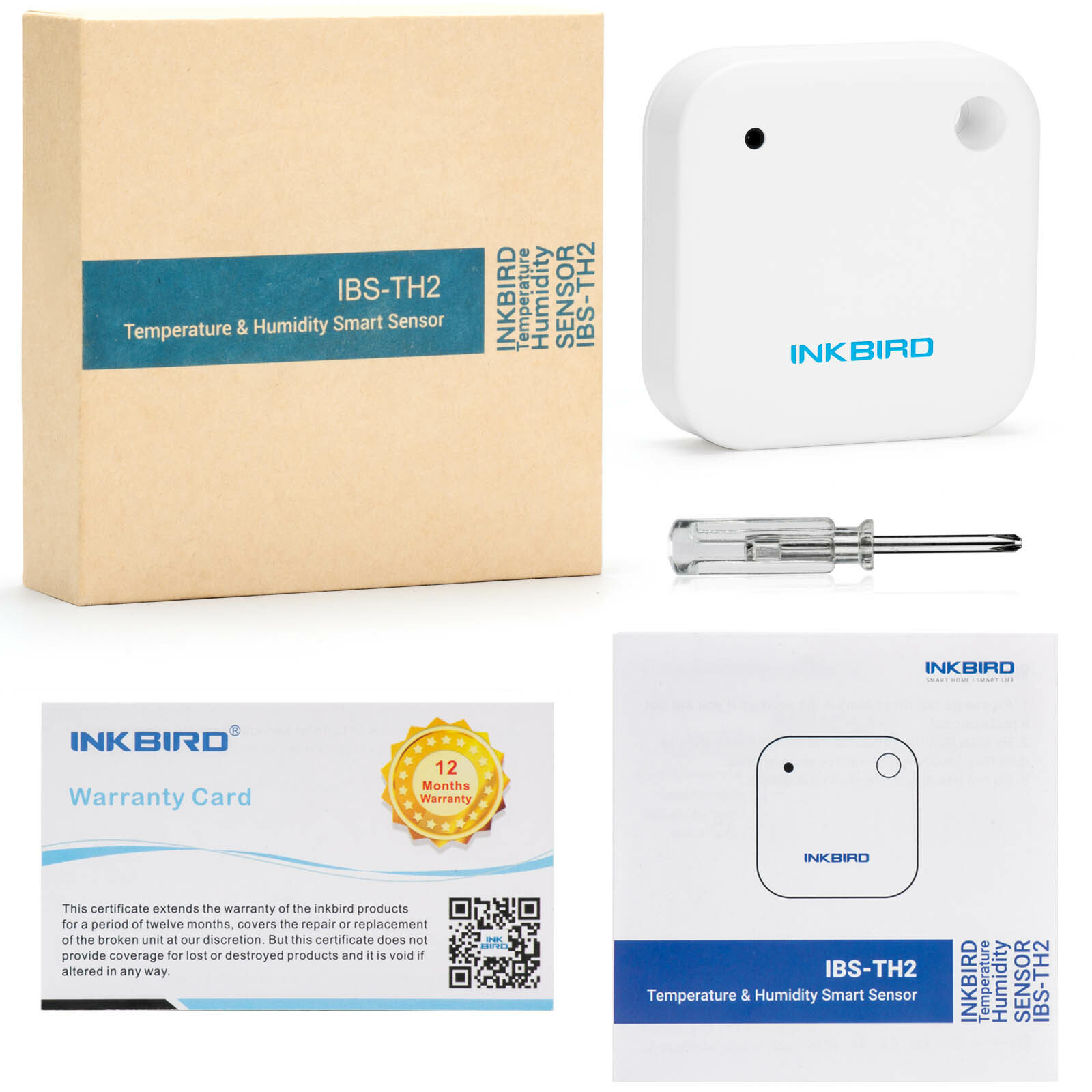 Data Logger Bluetooth Temperature Humidity Thermometer Recorder lizard Terrarium$15.99View on eBay
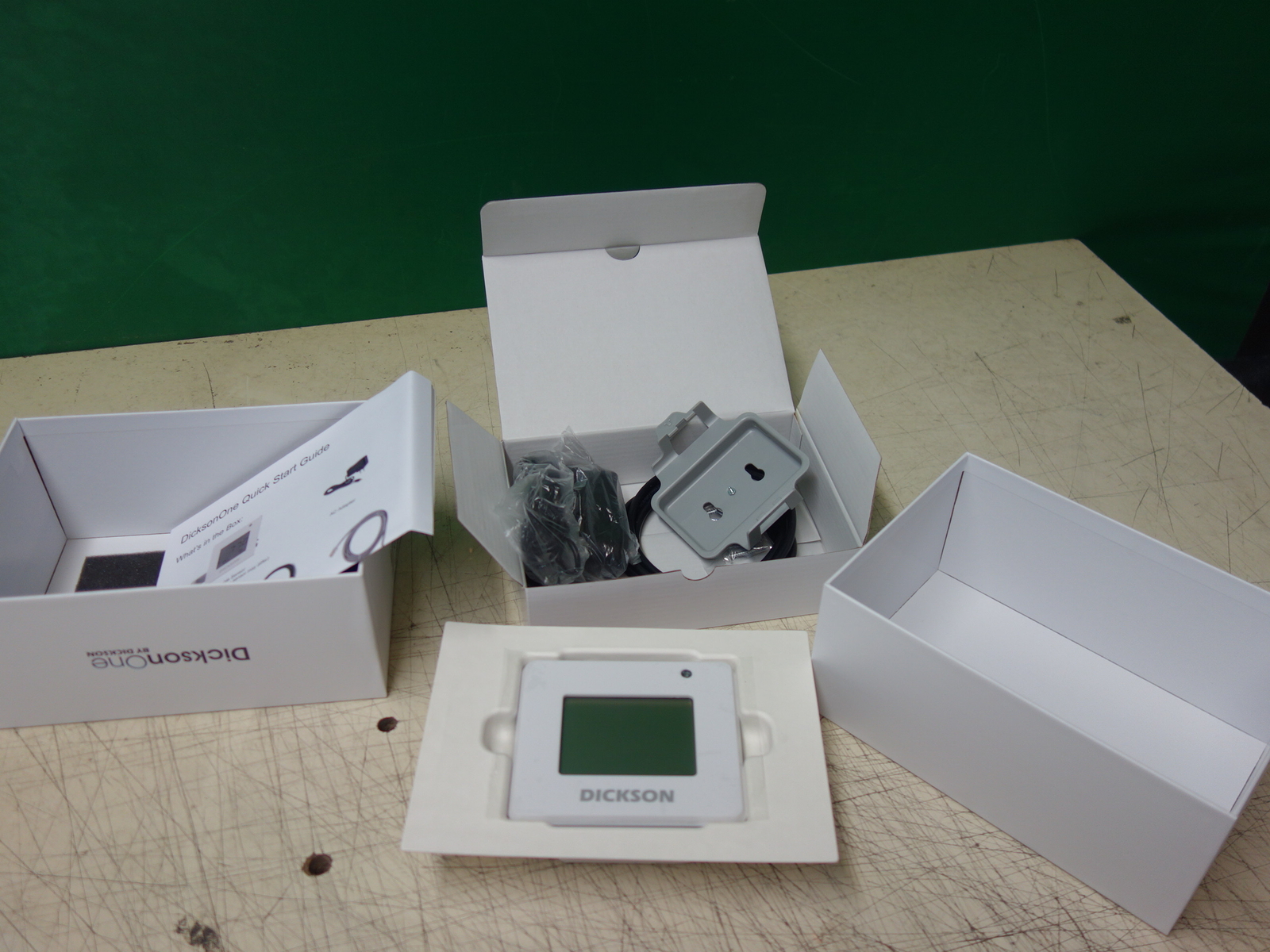 Dickson DWE Data Logger Temperature & Humidity DicksonOne - NEW$119.99Last checked Nov 27, 2026View on eBay
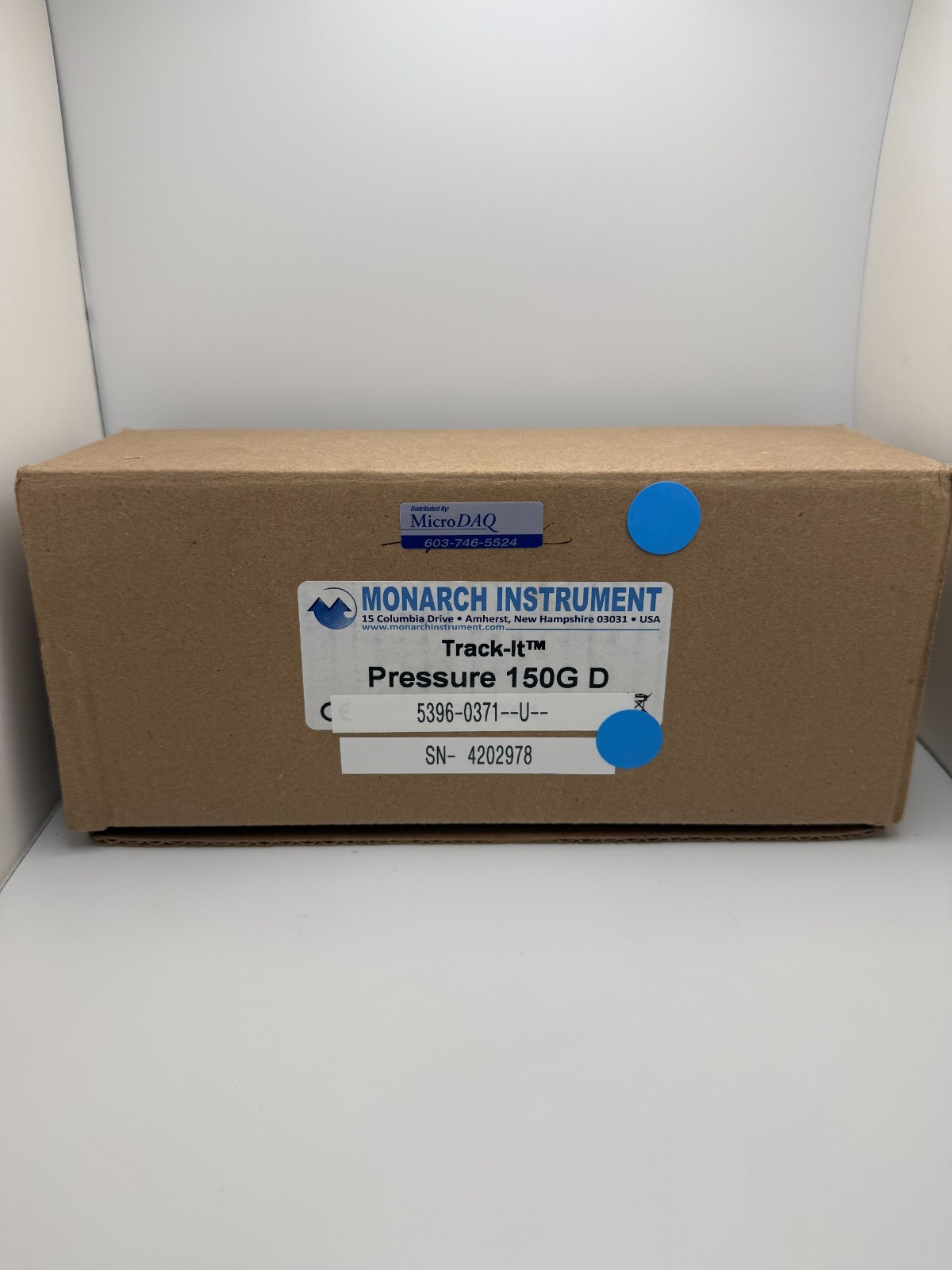 *OPEN BOX* Track-It Gauge Pressure & Temperature Data Logger 0 to 150 PSIG$450.00Last checked Nov 16, 2026View on eBay
Highlights
- Internal-sensor loggers typically hold ±0.5 °C accuracy; external probe or thermocouple models reach ±0.2 °C and are the only tier suitable for validated cold-chain records.
- Logging capacity ranges from 4,000 to 32,000+ points; a 15-minute interval fills 4,000 points in about 41 days, so match capacity to deployment length.
- USB direct-download models (e.g., Dickson DWE) produce tamper-evident PDF/CSV reports without a phone, which matters for audit and GDP compliance.
- Bluetooth app loggers (e.g., Inkbird) simplify setup and alerting but usually lack NIST-traceable calibration certificates and user-replaceable batteries.
Best use cases
- Best fit: vaccine or food cold chain — pick an external-probe USB logger with ±0.2 °C accuracy and a calibration certificate; skip Bluetooth-only units with no exportable audit report.
- Best fit: terrarium or livestock enclosure monitoring — a Bluetooth temperature/humidity logger with phone alerts is sufficient and lowest-friction; skip high-accuracy calibrated models.
- Best fit: HVAC and building diagnostics — choose a multi-channel logger with 1-minute intervals and long battery life; skip single-point units that max out at 15-minute sampling.
Buying tips
- Match logging capacity to interval: points needed = (hours × 60) ÷ interval minutes; a 30-day deployment at 5-minute intervals requires 8,640 points.
- Demand a stated accuracy figure in the datasheet — ±0.5 °C is general-purpose, ±0.2 °C is pharma-grade; no accuracy spec means reject the unit.
- For compliance use, require a NIST-traceable calibration certificate and PDF export; consumer Bluetooth loggers rarely provide either.
- Check battery type: replaceable lithium coin or AA cells allow multi-year service; sealed rechargeable units become e-waste when the cell degrades.
Specs
| Sensor Accuracy | ±0.2 °C probe vs ±0.5 °C internal |
|---|---|
| Logging Capacity | 4,000–32,000+ points |
| Download Interface | USB direct vs Bluetooth app |
| Calibration | NIST-traceable cert vs none |
What to check before buying
- Confirm the logger's operating range covers your environment — standard units run −30 to +70 °C; cryogenic or autoclave use needs specialized probes.
- Measure enclosure or cold-room dimensions to set sensor placement; a single internal sensor reads ambient air, not product core temperature.
- Verify download compatibility: USB loggers need a PC with the vendor's software, while Bluetooth units need a phone app and stay within roughly 10 m.
- Check IP rating for wet or outdoor placement — IP67 is the minimum for washdown or condensation-prone sites.
FAQ
Data sources: eBay / Amazon listings and product attribute feeds. Updated Nov 28, 2026.
Some links on this page are affiliate links. If you buy after clicking one, we may earn a commission at no extra cost to you. This does not change which products appear here or their order. Affiliate disclosure.