
Photos from current listings. Actual item, color, and included accessories may vary.
Temperature Data Logger With Probe Buying Guide
A temperature data logger with probe is a standalone recording instrument that captures time-stamped temperature readings via an external sensor, used for cold-chain, HVAC, lab, and terrarium monitoring. The core trade-off is internal-sensor convenience versus external-probe accuracy and placement flexibility, and the decisive rule is whether the unit logs autonomously with downloadable history versus merely displaying live readings over Bluetooth.
Median $119.99
Key takeaways
- External probe loggers separate sensor from electronics, enabling measurement in chambers, ducts, or soil while the logger body stays in ambient conditions within its own rating.
- Bluetooth app loggers stream and export CSV history but depend on phone range and app support; standalone USB/PDF loggers record autonomously and generate tamper-evident reports without any app.
- Thermocouple and RTD probe loggers deliver wider range and higher accuracy than thermistor types, which are cheaper but typically limited to roughly -40 to 125 °C.
At a glance
- Category
- Data Acquisition & Recorders
- Last updated
- Nov 28, 2026
Current offers
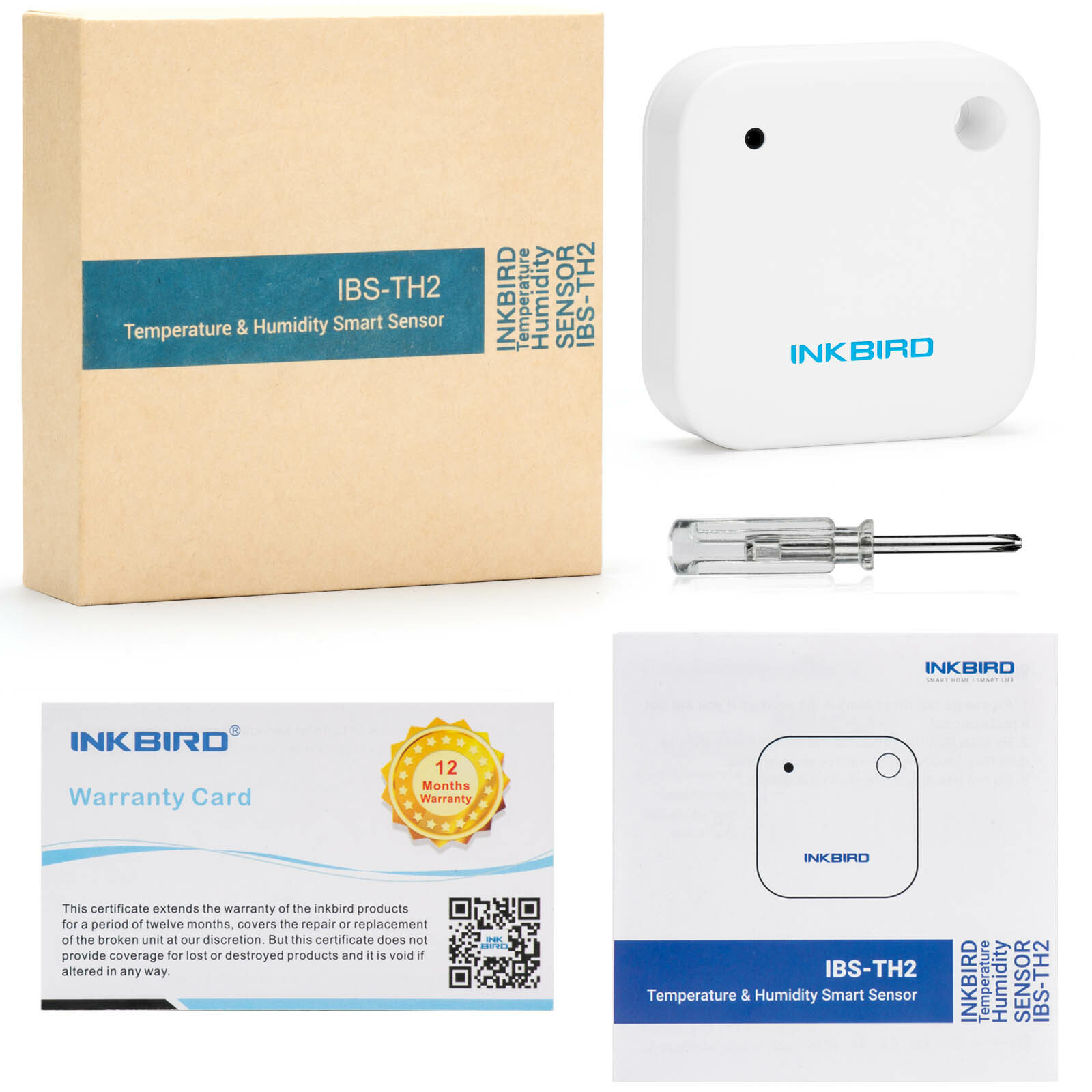 Data Logger Bluetooth Temperature Humidity Thermometer Recorder lizard Terrarium$15.99View on eBay
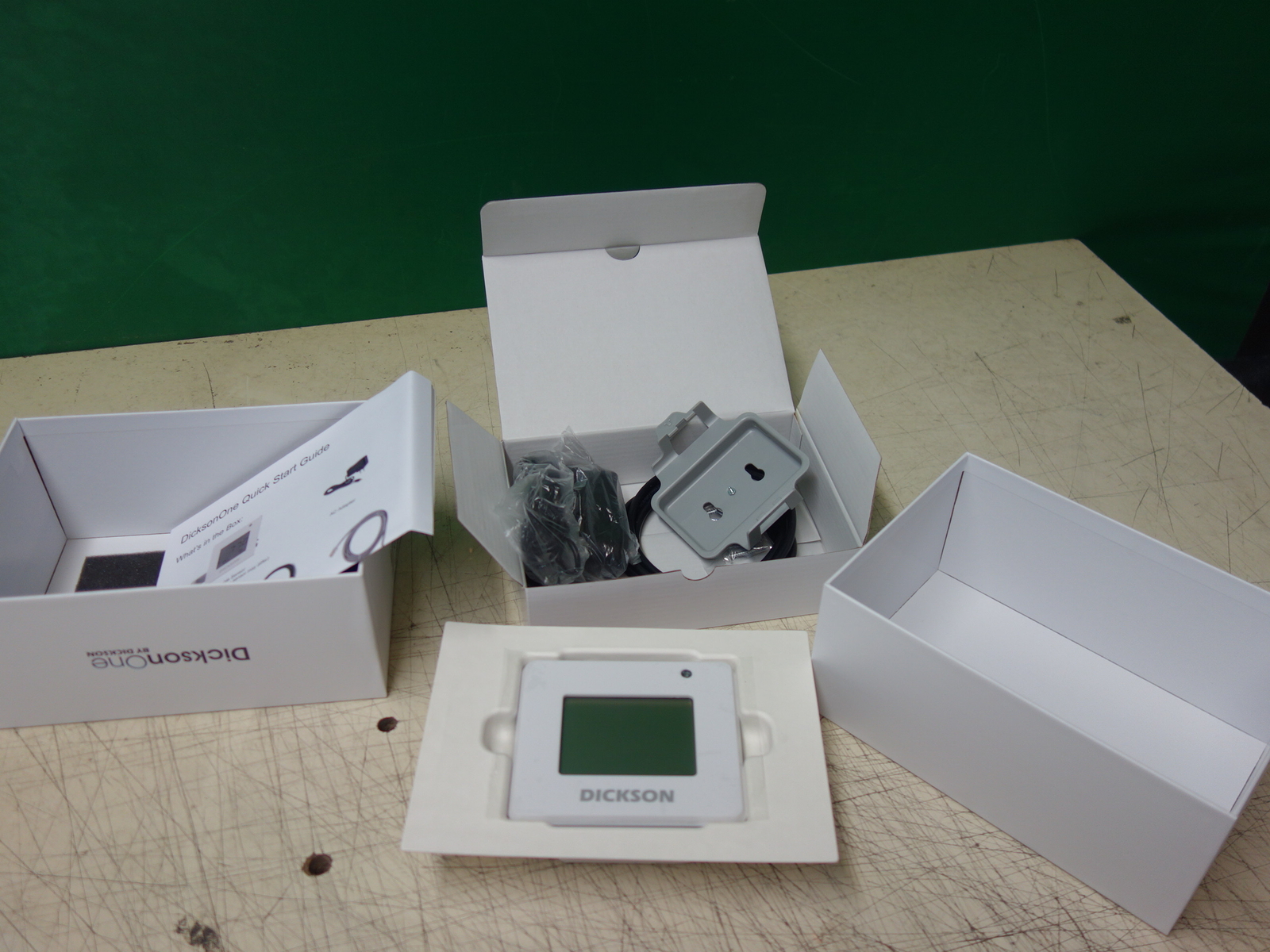 Dickson DWE Data Logger Temperature & Humidity DicksonOne - NEW$119.99Last checked Nov 27, 2026View on eBay
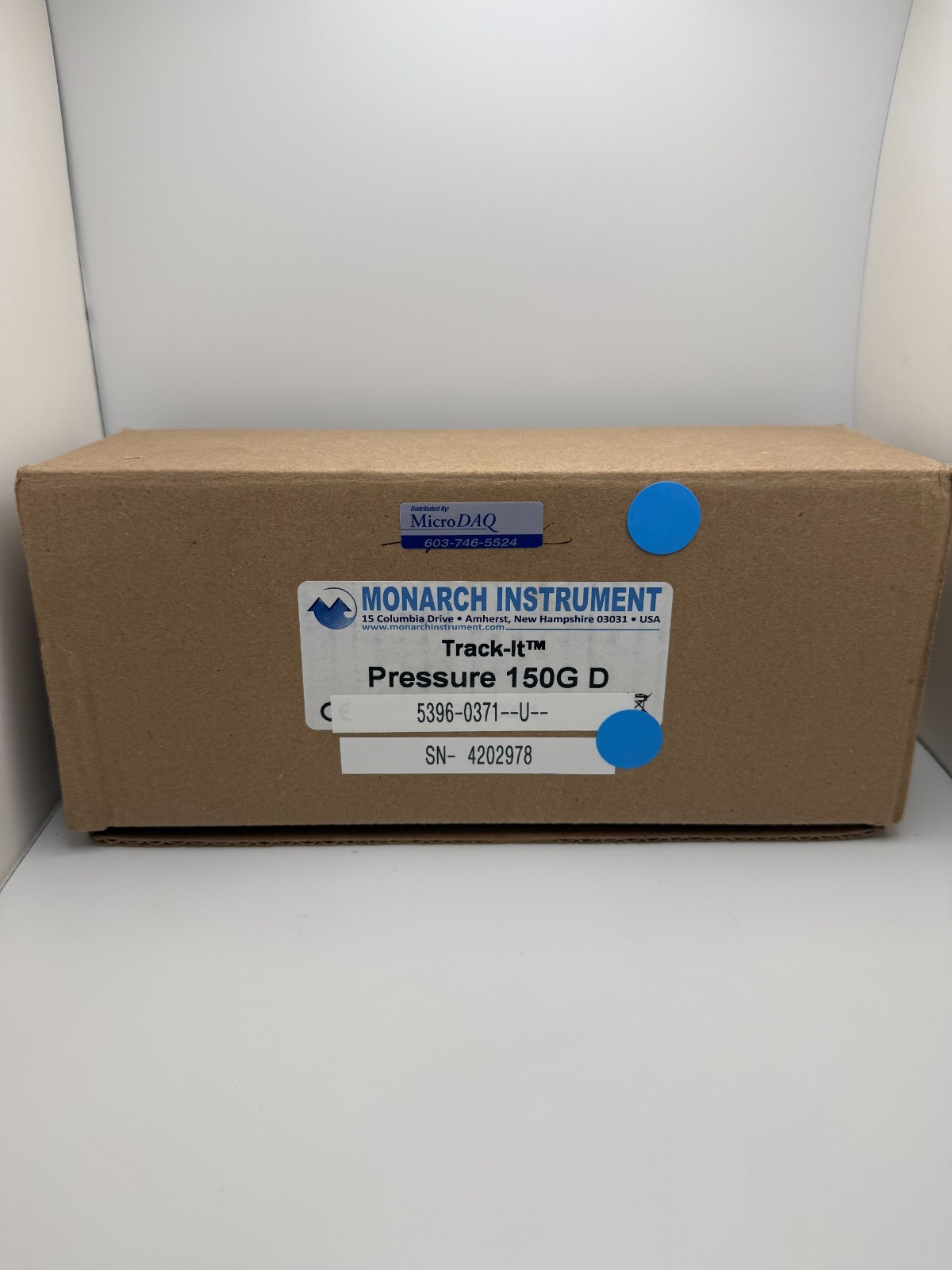 *OPEN BOX* Track-It Gauge Pressure & Temperature Data Logger 0 to 150 PSIG$450.00Last checked Nov 16, 2026View on eBay
Highlights
- External probe loggers separate sensor from electronics, enabling measurement in chambers, ducts, or soil while the logger body stays in ambient conditions within its own rating.
- Bluetooth app loggers stream and export CSV history but depend on phone range and app support; standalone USB/PDF loggers record autonomously and generate tamper-evident reports without any app.
- Thermocouple and RTD probe loggers deliver wider range and higher accuracy than thermistor types, which are cheaper but typically limited to roughly -40 to 125 °C.
- Memory depth and sample interval define mission length: a 32,000-point logger at a 1-minute interval covers about 22 days, so match capacity to deployment duration.
Best use cases
- Best fit: cold-chain and pharmaceutical shipments — choose a standalone USB or PDF logger with a calibrated probe and alarm thresholds; skip app-only units that require a phone nearby.
- Best fit: HVAC duct and refrigeration diagnostics — pick a wired probe logger with a logging interval of 1 minute or faster and downloadable trend data; skip display-only thermometers.
- Best fit: terrarium and incubator monitoring — use a Bluetooth temperature-humidity logger with an external probe and alarm push; skip single-point internal-sensor pucks.
- Wrong fit: high-temperature kiln or autoclave work — standard thermistor probe loggers are not rated; specify a thermocouple logger with matching probe and connector instead.
Buying tips
- Match probe type to range: thermistor for ambient and cold chain, RTD for lab accuracy, thermocouple for extremes above roughly 125 °C or below -40 °C.
- Confirm probe cable length and connector standard (typically 2.5 mm or 3.5 mm jack or mini-thermocouple plug) reaches your measurement point without extension.
- Calculate logging capacity: sample interval × readings needed; choose a logger with at least 2× the points required for the full mission plus margin.
- For compliance use, select loggers that export CSV or signed PDF reports with time-stamp and alarm flags; Bluetooth-only live viewers without export cannot serve as records.
Specs
| Sensor Type | Thermistor / RTD / Thermocouple |
|---|---|
| Probe Range | -40 to 125 °C typical; wider with TC |
| Logging Interval | 1 s to 24 h, user-set |
| Data Export | USB CSV / PDF / Bluetooth app |
Related searches
What to check before buying
- Measure the distance from logger mounting point to probe tip and confirm cable length plus connector type match.
- Verify the logger body's own operating temperature and humidity rating for where the electronics will sit, separate from probe range.
- Check that the probe sheath material (stainless, PTFE, or bare bead) suits the medium — liquid, air duct, soil, or surface.
- Confirm battery type and expected life at your chosen sample interval, and whether battery replacement requires recalibration.
FAQ
Data sources: eBay / Amazon listings and product attribute feeds. Updated Nov 28, 2026.
Some links on this page are affiliate links. If you buy after clicking one, we may earn a commission at no extra cost to you. This does not change which products appear here or their order. Affiliate disclosure.