
Photos from current listings. Actual item, color, and included accessories may vary.
Temperature Logger With Probe Buying Guide
A temperature logger with probe pairs a sealed sensor on a cable or rigid stem with a standalone recording unit, letting you monitor air, liquid, or surface temperatures where the electronics can't go. The core trade-off is sensor accuracy/stability versus logger memory and interface: thermistor probes dominate for tight low-range accuracy, while thermocouple loggers trade absolute accuracy for wide range and fast response. Buy a logger only if it stores timestamped data internally, not just streams; streaming-only Bluetooth units are compromises for any record that must stand up later.
Median $119.99
Key takeaways
- Thermistor probes with ±0.2–0.5°C accuracy dominate food, HVAC, and cold-chain logging; Type K thermocouples span far wider range but often only ±1–2°C.
- Internal flash memory of 10k–1M readings with user-set intervals separates true loggers from Bluetooth thermometers that only stream live data.
- IP67 or IP68 sealing on the probe and cable junction is the deciding durability spec for fridge, freezer, and outdoor use, not the logger body alone.
At a glance
- Category
- Data Acquisition & Recorders
- Last updated
- Nov 28, 2026
Current offers
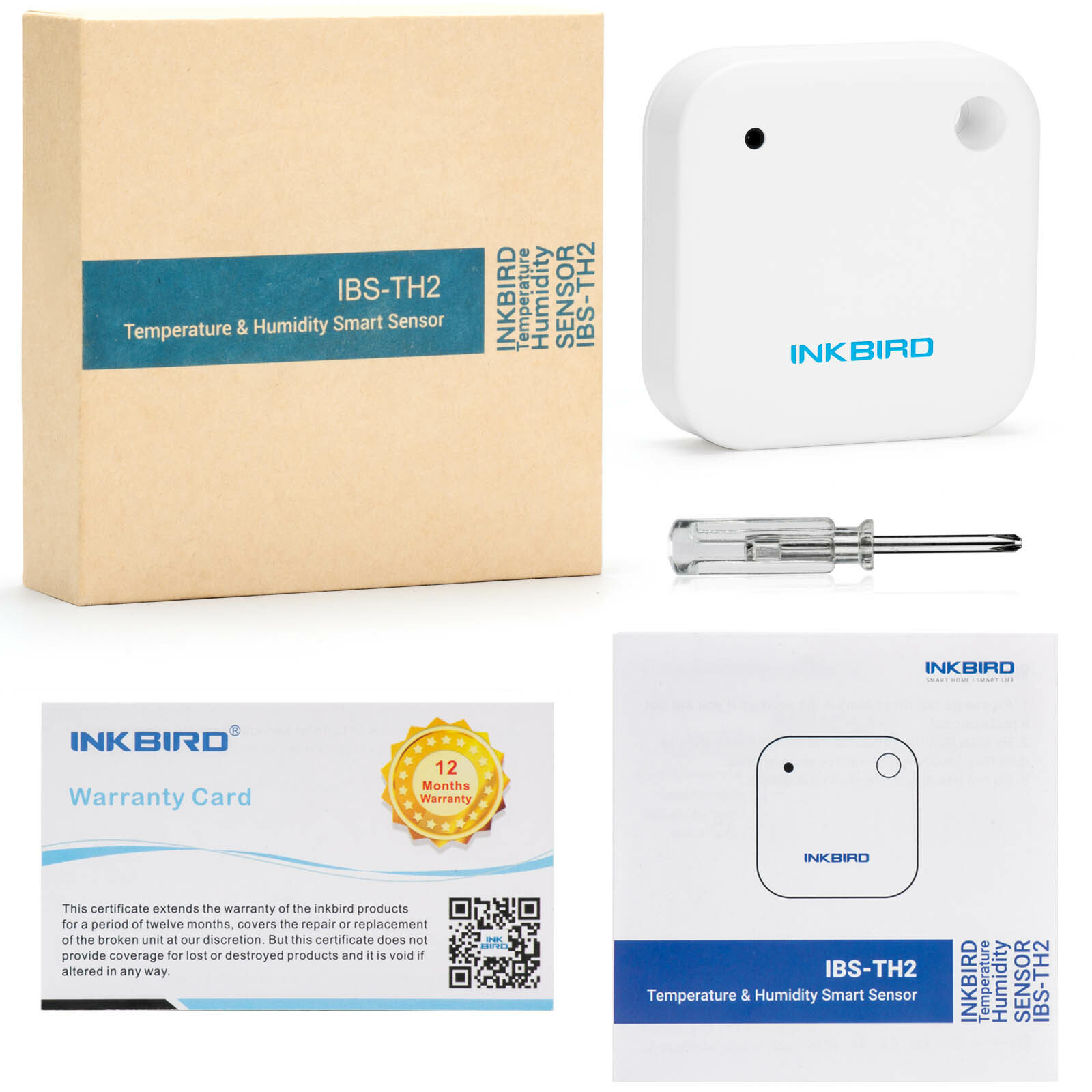 Data Logger Bluetooth Temperature Humidity Thermometer Recorder lizard Terrarium$15.99View on eBay
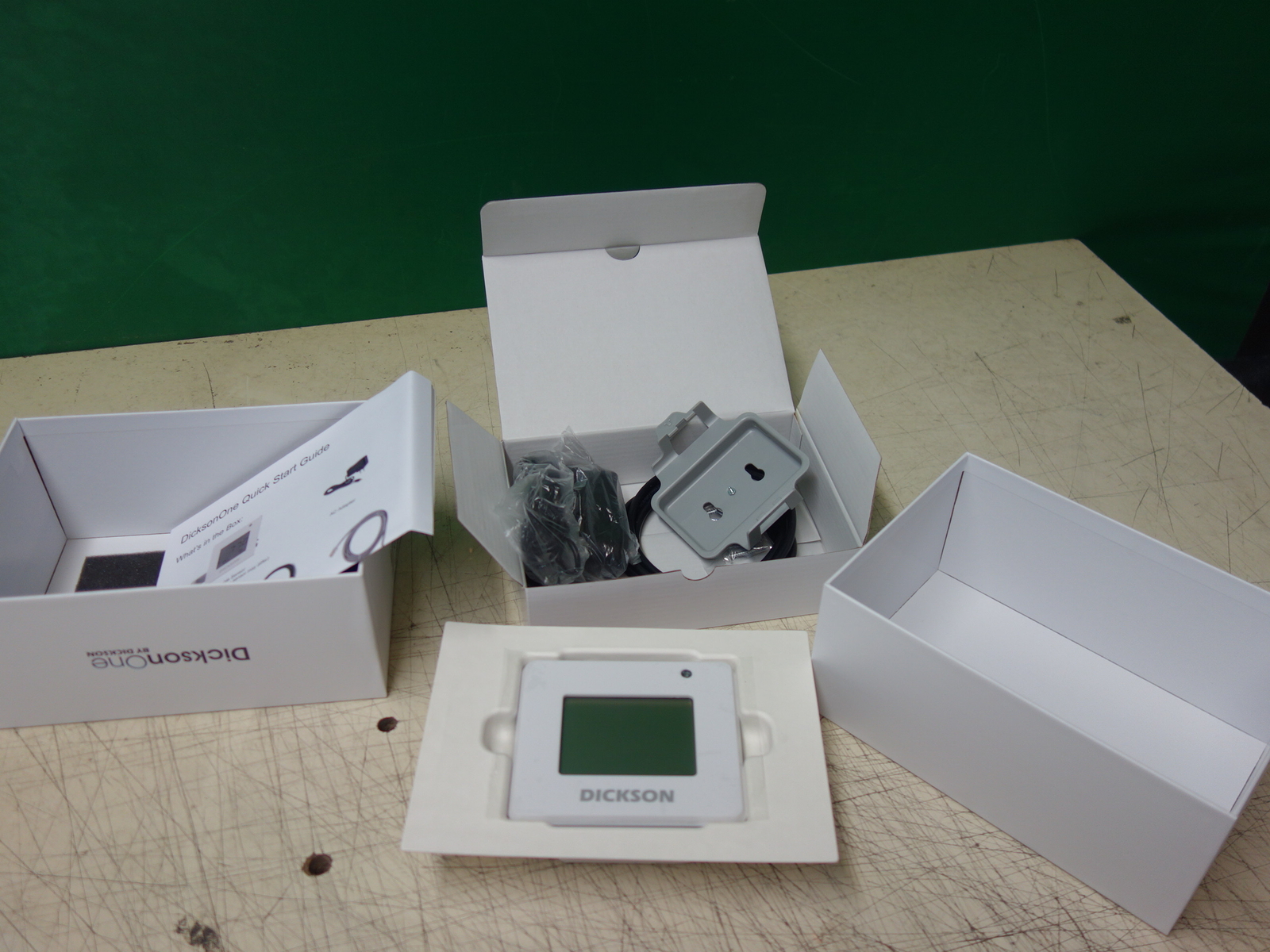 Dickson DWE Data Logger Temperature & Humidity DicksonOne - NEW$119.99Last checked Nov 27, 2026View on eBay
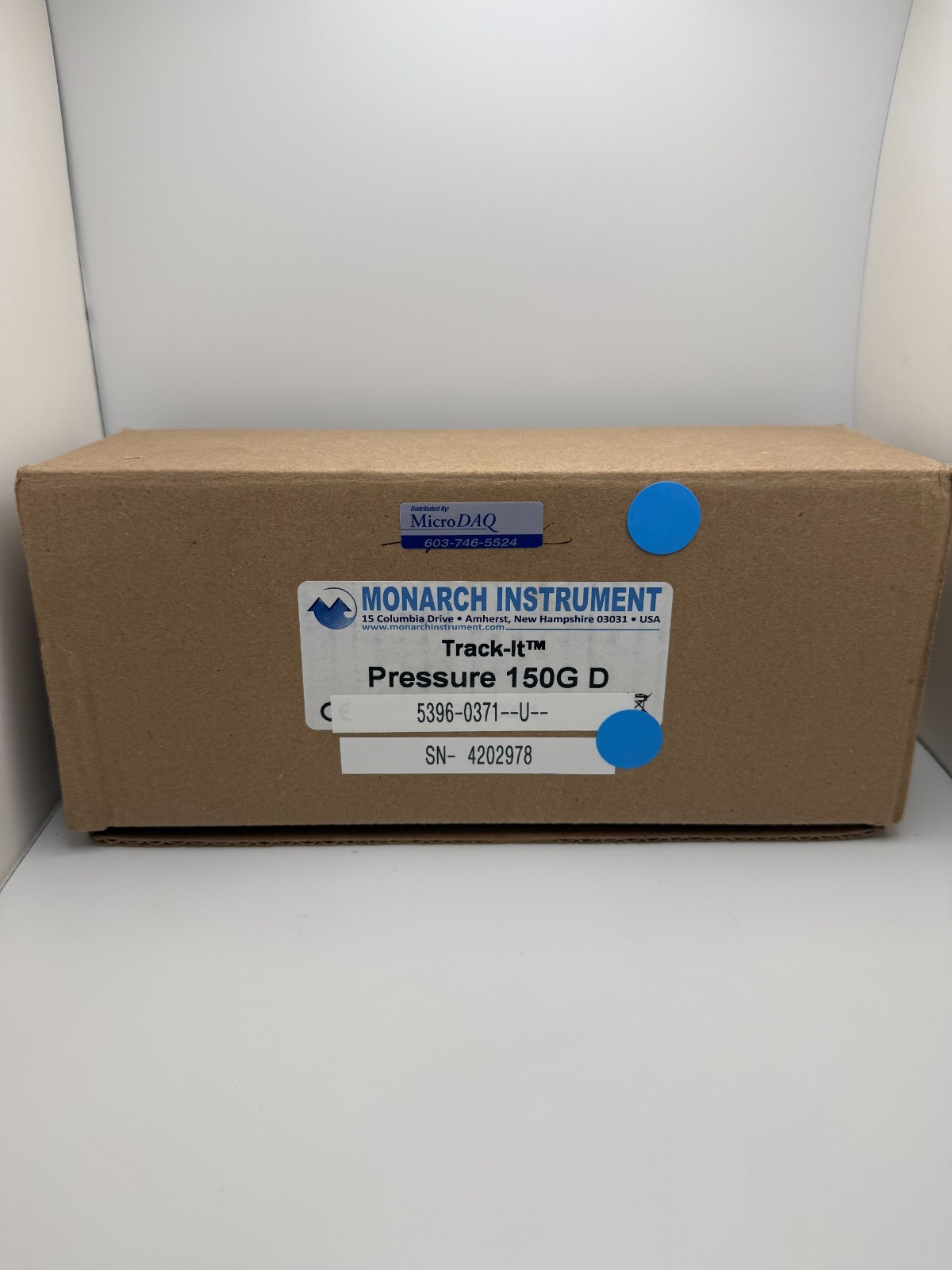 *OPEN BOX* Track-It Gauge Pressure & Temperature Data Logger 0 to 150 PSIG$450.00Last checked Nov 16, 2026View on eBay
Highlights
- Thermistor probes with ±0.2–0.5°C accuracy dominate food, HVAC, and cold-chain logging; Type K thermocouples span far wider range but often only ±1–2°C.
- Internal flash memory of 10k–1M readings with user-set intervals separates true loggers from Bluetooth thermometers that only stream live data.
- IP67 or IP68 sealing on the probe and cable junction is the deciding durability spec for fridge, freezer, and outdoor use, not the logger body alone.
- Single-use PDF loggers (e.g., cold-chain shipping tags) cannot reset or swap probes; reusable units with replaceable probes cost more but survive years of cycles.
Best use cases
- Food safety and cold chain: pick a thermistor logger with ±0.5°C or better accuracy and a sealed, thin-tip penetration probe; skip wide-range thermocouple units that are overkill and less accurate near 0–8°C.
- HVAC duct and ambient monitoring: choose a logger with a remote cable probe and at least 30k readings of memory at 1–15 minute intervals; skip rigid-stem kitchen thermometers that block airflow and read local heat.
- Industrial process checks: pick Type K thermocouple loggers for surfaces or ovens above 150°C; skip thermistor probes, which typically top out near 125–150°C and degrade.
- Terrarium/incubator hobby use: a Bluetooth logger with a small probe and app alerts fits, but skip it if you need legally defensible records—it likely lacks tamper-proof export.
Buying tips
- Match probe type to target: thermistor for ±0.2–0.5°C accuracy from roughly -40 to 125°C; thermocouple Type K for up to 1000°C+ with ±1–2°C accuracy and faster response.
- Size memory by interval: readings needed = logging hours × 60 ÷ interval minutes. A 10k-reading logger at 5-minute intervals covers only ~34 days; choose 30k+ for multi-month runs.
- Check export and alarm features: USB or Bluetooth export to CSV/PDF, high/low alarm thresholds, and a user-replaceable battery are what make the unit a usable long-term instrument.
- Verify probe cable length and jacket material against your application: 1–3 m PVC cables suit fridges and rooms; silicone or PTFE jackets are needed for hot, oily, or outdoor exposure.
Specs
| Probe Type | Thermistor ±0.2–0.5°C vs Type K TC ±1–2°C |
|---|---|
| Temperature Range | -40 to 125°C thermistor; up to 1000°C+ TC |
| Memory Capacity | 10k–1M readings internal flash |
| Sealing Rating | IP67/IP68 probe + logger for wet/cold |
Related searches
What to check before buying
- Measure the probe access path: door gaskets, duct walls, and cable routing decide whether you need a 1 m, 2 m, or 3 m cable or a rigid stem.
- Confirm the logger's sealed rating and operating range against your environment—condensation, washdown, and sub-zero freezers demand IP67+ and a low-temperature-rated battery.
- Check that the app or software supports your OS and exports timestamped CSV/PDF without a paid cloud subscription for the record to be usable.
- Verify probe replaceability and connector type (fixed, mini-plug, or screw terminal) so a damaged probe doesn't scrap the whole logger.
FAQ
Data sources: eBay / Amazon listings and product attribute feeds. Updated Nov 28, 2026.
Some links on this page are affiliate links. If you buy after clicking one, we may earn a commission at no extra cost to you. This does not change which products appear here or their order. Affiliate disclosure.