
Photos from current listings. Actual item, color, and included accessories may vary.
Temperature Recorder Buying Guide
A temperature recorder is a standalone logging instrument that samples and stores temperature over time, with or without humidity, for cold-chain shipping, refrigeration, and process validation. The decisive trade-off is between low-cost Bluetooth/USB loggers with phone-app readout and calibrated chart recorders or validated systems that provide tamper-evident paper trails and audit-ready data. Buy a digital logger with a downloadable PDF/CSV report and a stated accuracy spec for shipping and fridge monitoring; step up to a chart recorder or validated cloud system only when you need permanent physical records or regulatory compliance.
Median $191.24
Key takeaways
- Chart recorders (e.g., Dickson KT6P1) use 6-inch paper charts with selectable 24-hour or 7-day rotation and require the correct pen/chart part number for that model.
- Bluetooth loggers (Inkbird, generic) stream live readings to a phone app; most buffer thousands of points internally and export CSV or PDF without a subscription.
- Validated cloud loggers (DicksonOne DWE) add NIST-traceable calibration certificates, alarm escalation, and audit trails required for GDP and FDA 21 CFR Part 11 workflows.
At a glance
- Category
- Data Acquisition & Recorders
- Last updated
- Nov 28, 2026
Current offers
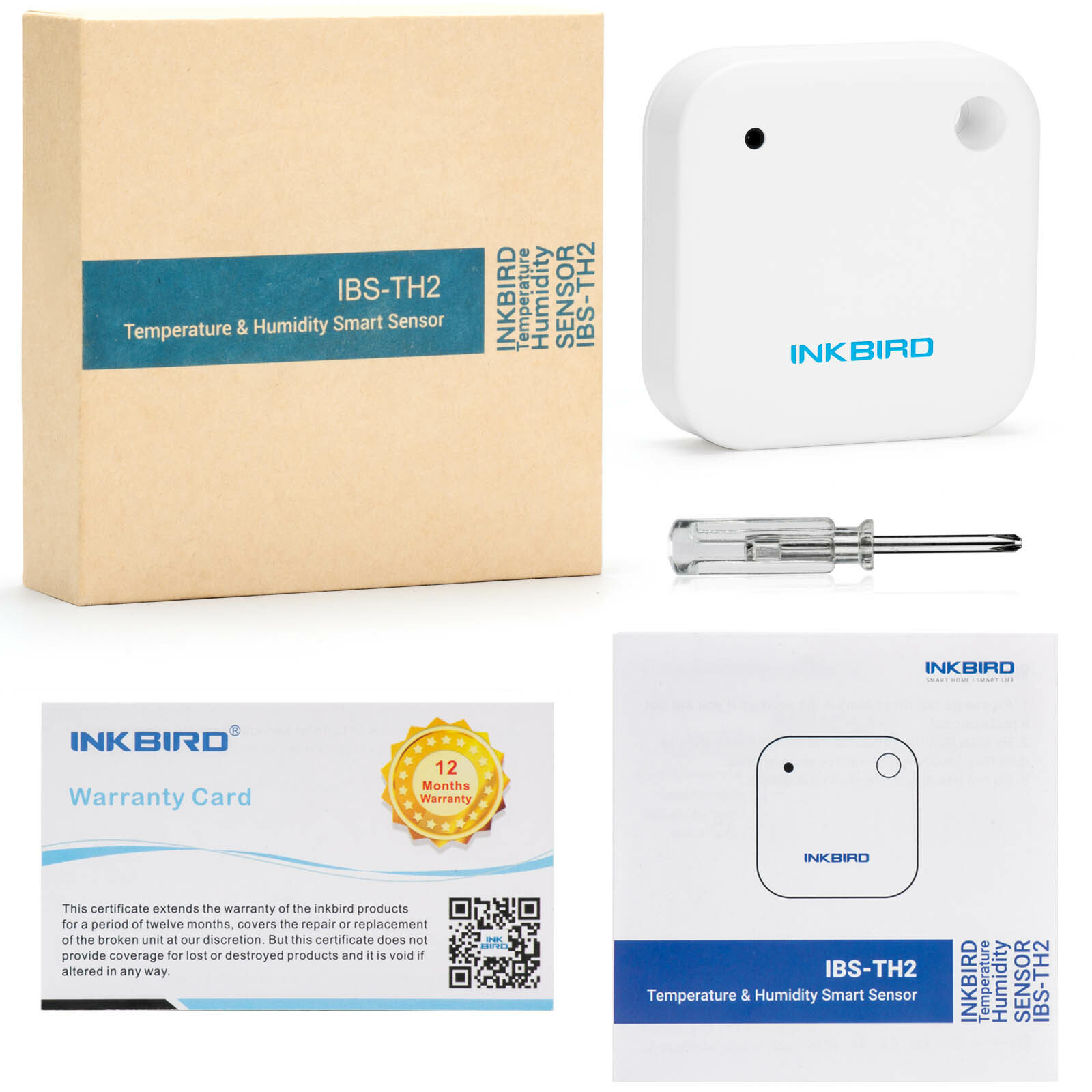 Data Logger Bluetooth Temperature Humidity Thermometer Recorder lizard Terrarium$15.99View on eBay
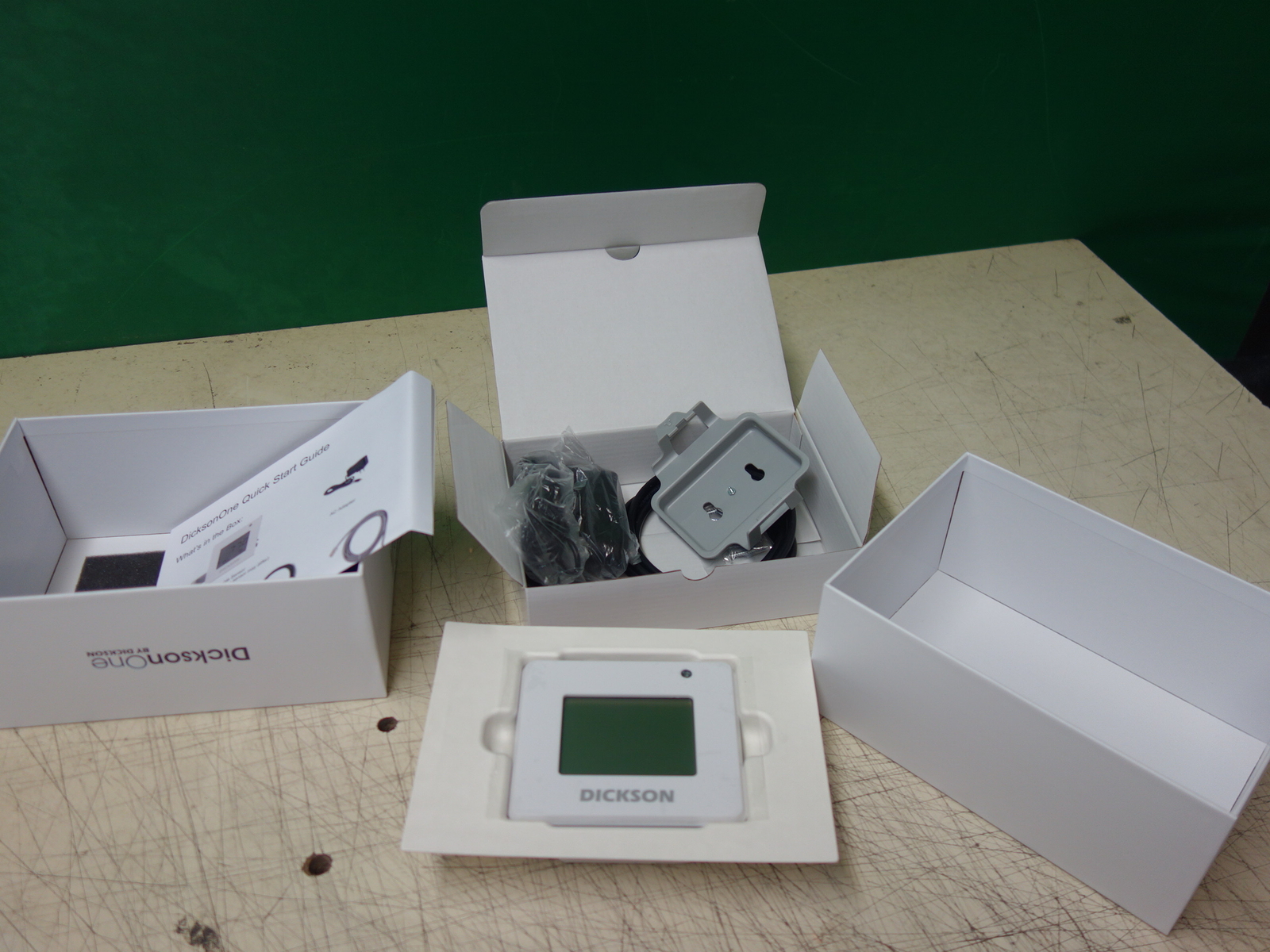 Dickson DWE Data Logger Temperature & Humidity DicksonOne - NEW$119.99Last checked Nov 27, 2026View on eBay
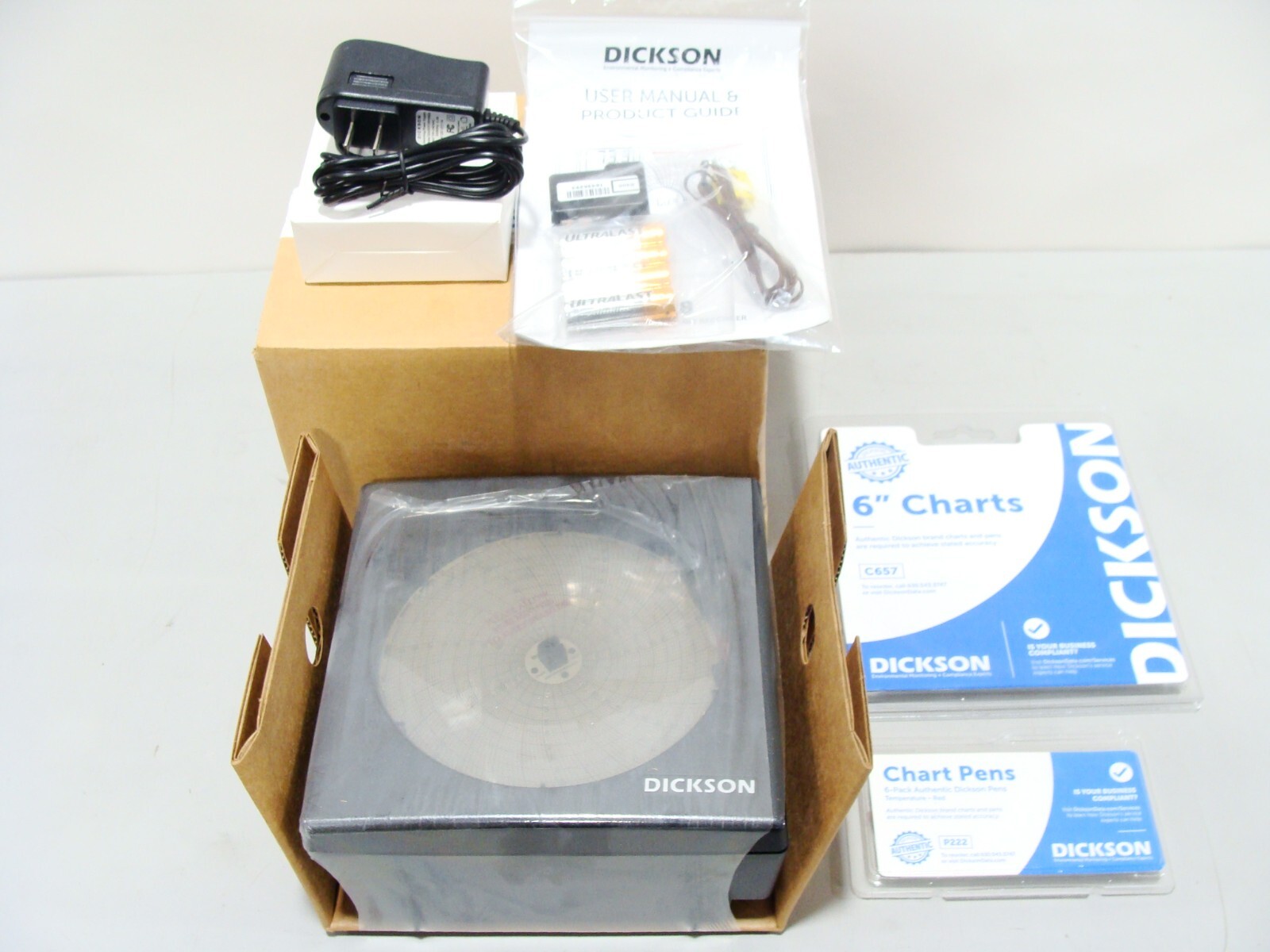 NEW Dickson KT6P1 6" Temperature Chart Recorder 24 Hour 7 Days + R400 C657 P222$262.49Last checked Nov 15, 2026View on eBay
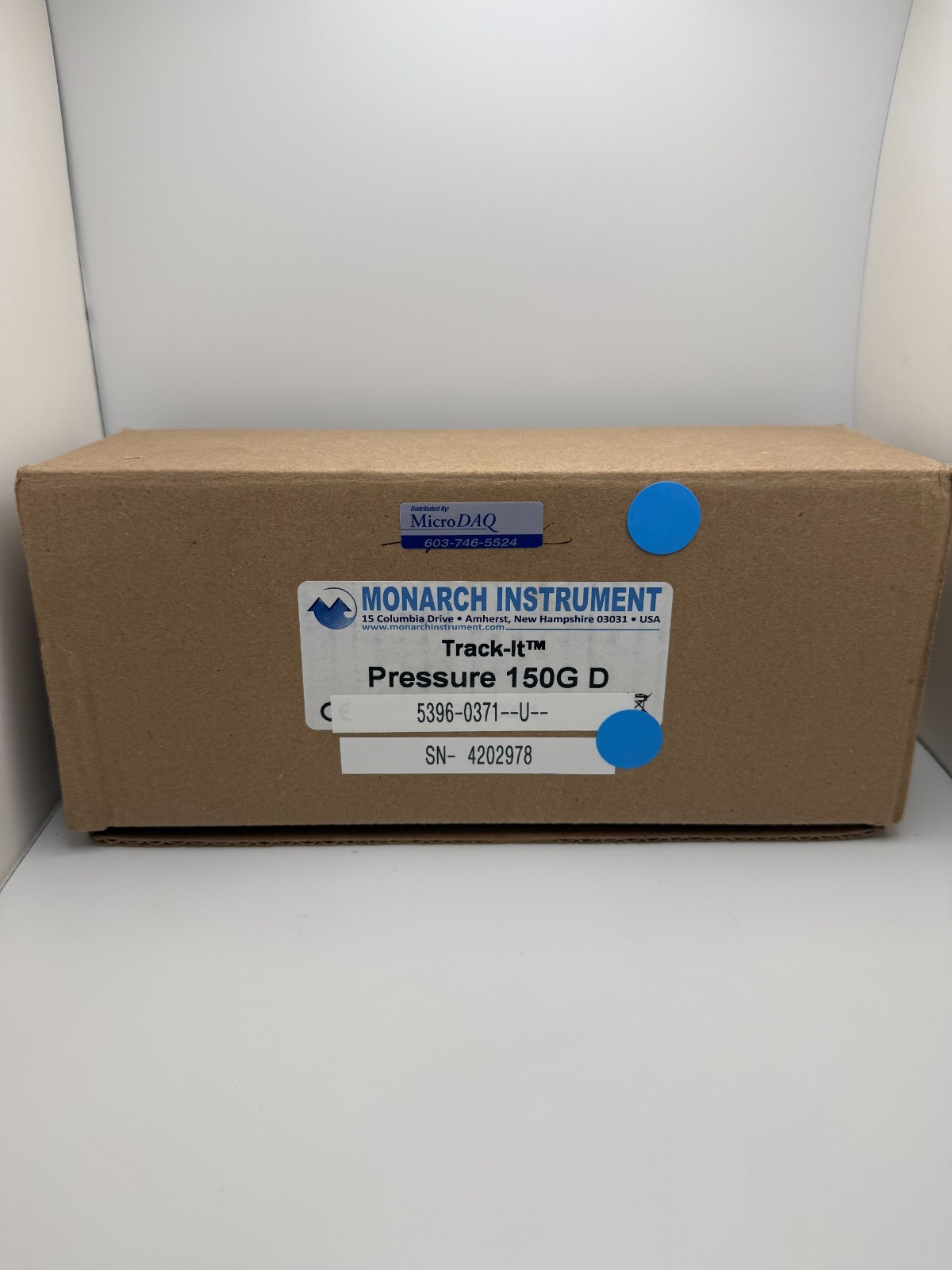 *OPEN BOX* Track-It Gauge Pressure & Temperature Data Logger 0 to 150 PSIG$450.00Last checked Nov 16, 2026View on eBay
Highlights
- Chart recorders (e.g., Dickson KT6P1) use 6-inch paper charts with selectable 24-hour or 7-day rotation and require the correct pen/chart part number for that model.
- Bluetooth loggers (Inkbird, generic) stream live readings to a phone app; most buffer thousands of points internally and export CSV or PDF without a subscription.
- Validated cloud loggers (DicksonOne DWE) add NIST-traceable calibration certificates, alarm escalation, and audit trails required for GDP and FDA 21 CFR Part 11 workflows.
- Pressure-and-temperature loggers (Track-It style) are for pipeline and vessel validation, not ambient room monitoring; they log 0-150 PSIG plus temperature in one unit.
Best use cases
- Cold-chain shipping: pick a single-use or USB/Bluetooth logger with a PDF report and ≥30-day battery; skip chart recorders, which are bulky and need manual chart replacement.
- Refrigerator and freezer monitoring: choose a Bluetooth or Wi-Fi logger rated for -20 °C or lower with alarm push notifications; a paper chart recorder works but requires weekly chart swaps.
- Regulated pharma or food audit: use a validated system with NIST-traceable calibration and audit trail (DicksonOne class); consumer Bluetooth loggers lack the compliance documentation.
- HVAC/process troubleshooting: a dual temperature-humidity logger with fast sample interval (≤1 min) fits; skip pressure loggers unless you are validating compressed gas or liquid lines.
Buying tips
- Match sensor range to your application: standard loggers cover -30 to 70 °C; freezer and dry-ice shipping need -80 °C or lower-rated external probes.
- Check accuracy spec: ±0.5 °C is adequate for fridge and shipping; ±0.2 °C or better is needed for calibration labs and validated processes.
- For chart recorders, confirm the chart time base (24-hour vs 7-day) and the exact pen/chart part number (e.g., R400, C657, P222) before ordering replacements.
- Battery life scales with sample rate: a 1-minute interval drains coin-cell loggers in weeks, while 15-minute intervals last months; choose interval based on shipment duration.
Specs
| Logger Type | Chart recorder / Digital / Cloud |
|---|---|
| Temperature Range | -80 to 70 °C (model dependent) |
| Accuracy | ±0.2 to ±0.5 °C typical |
| Data Export | USB / Bluetooth / PDF-CSV |
Related searches
What to check before buying
- Measure the mounting space: chart recorders need wall clearance for the 6-inch or 8-inch chart door to swing open.
- Confirm your cold-storage temperature range (-20 °C freezer vs 2-8 °C fridge) and that the logger's rated range covers it with margin.
- Check connectivity: Bluetooth loggers need a phone within roughly 10 m; Wi-Fi or cloud loggers need 2.4 GHz network access at the install point.
- Verify calibration certificate availability (NIST-traceable) if the data will be used for regulatory or customer audits.
FAQ
Data sources: eBay / Amazon listings and product attribute feeds. Updated Nov 28, 2026.
Some links on this page are affiliate links. If you buy after clicking one, we may earn a commission at no extra cost to you. This does not change which products appear here or their order. Affiliate disclosure.