
Photos from current listings. Actual item, color, and included accessories may vary.
Ph Meter Buying Guide
A pH meter measures acidity/alkalinity via a glass electrode and reference junction, with accuracy and lifespan dictated by electrode quality, calibration buffer set, and temperature compensation. The critical trade-off is between inexpensive pen-style units with sealed gel electrodes (short life, ±0.1 pH) and modular meters with replaceable probes and ATC (±0.01 pH) that survive real-world use. Choose a replaceable-electrode design with at least two-point calibration and automatic temperature compensation for any application where a 0.1 pH error matters; treat sealed, non-replaceable pens as disposable convenience tools only.
Median $147.99
Key takeaways
- Electrode type determines lifespan: sealed gel pens last 6–18 months, while refillable glass-bulb probes with BNC connectors last years and are replaceable.
- Accuracy tiers: ±0.1 pH pen meters suit general water checks; ±0.01 pH benchtop or modular meters are required for hydroponics, fermentation, and canning safety.
- Automatic temperature compensation (ATC) corrects electrode slope across 0–50 °C; meters without ATC drift up to 0.2 pH between calibration points.
At a glance
- Category
- Spectroscopy, Analysis & Detection Instruments
- Last updated
- Nov 28, 2026
Current offers
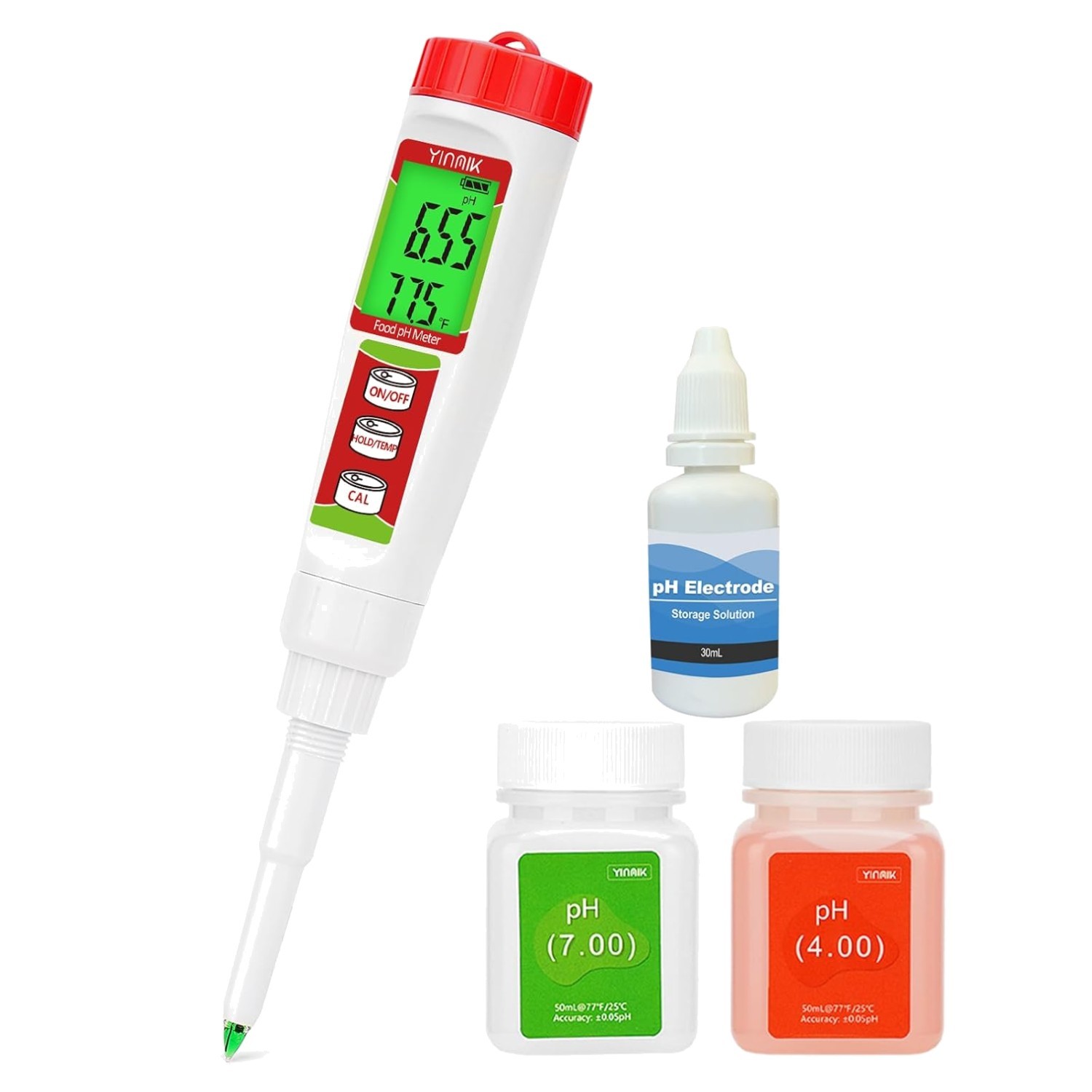 Professional pH Tester with Calibration Kit$64.79Last checked Nov 27, 2026View on eBay
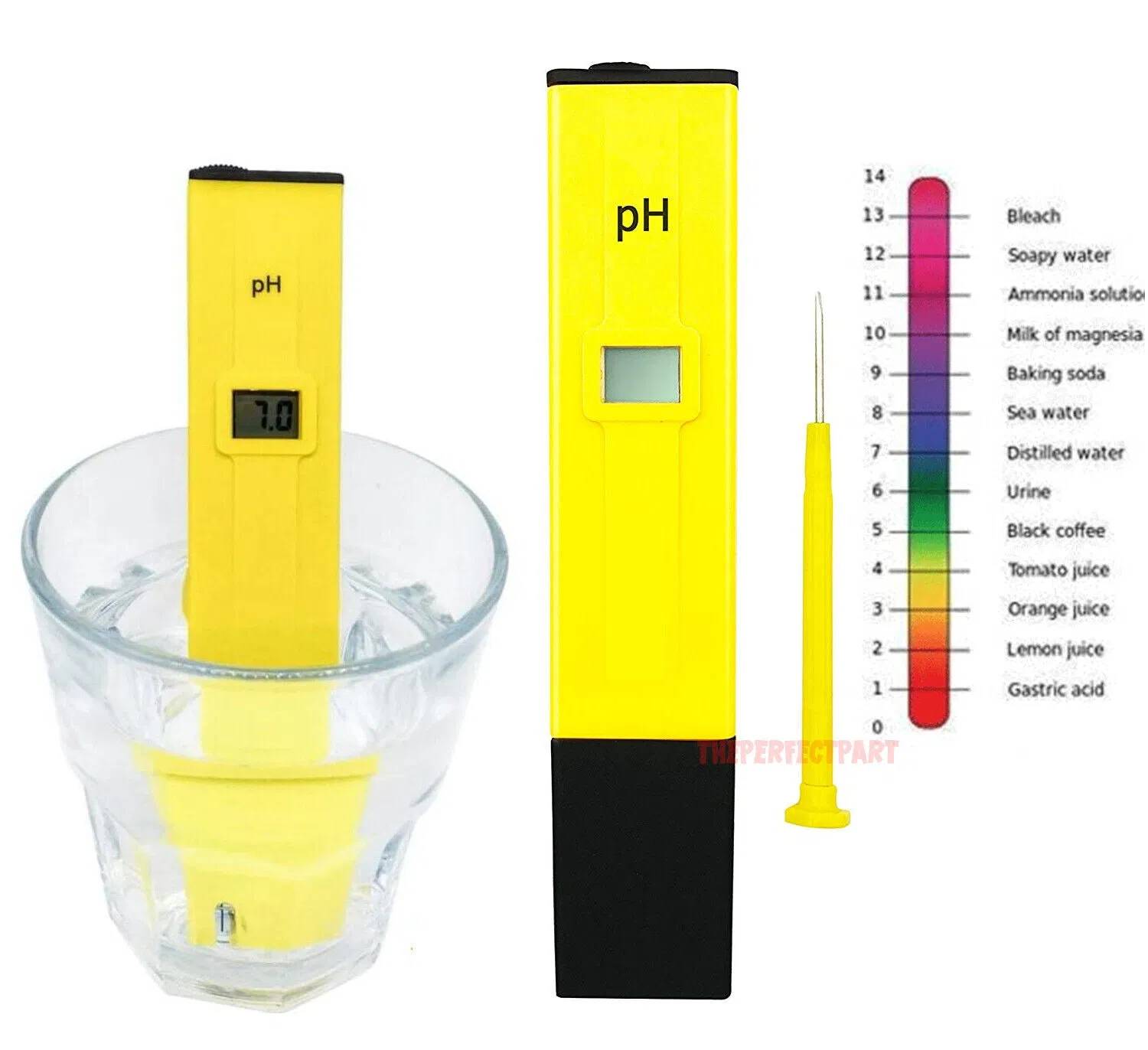 Digital Electric PH Meter LCD Tester Pocket Hydroponics Aquarium Water Test Pen$20.99View on Mallflare
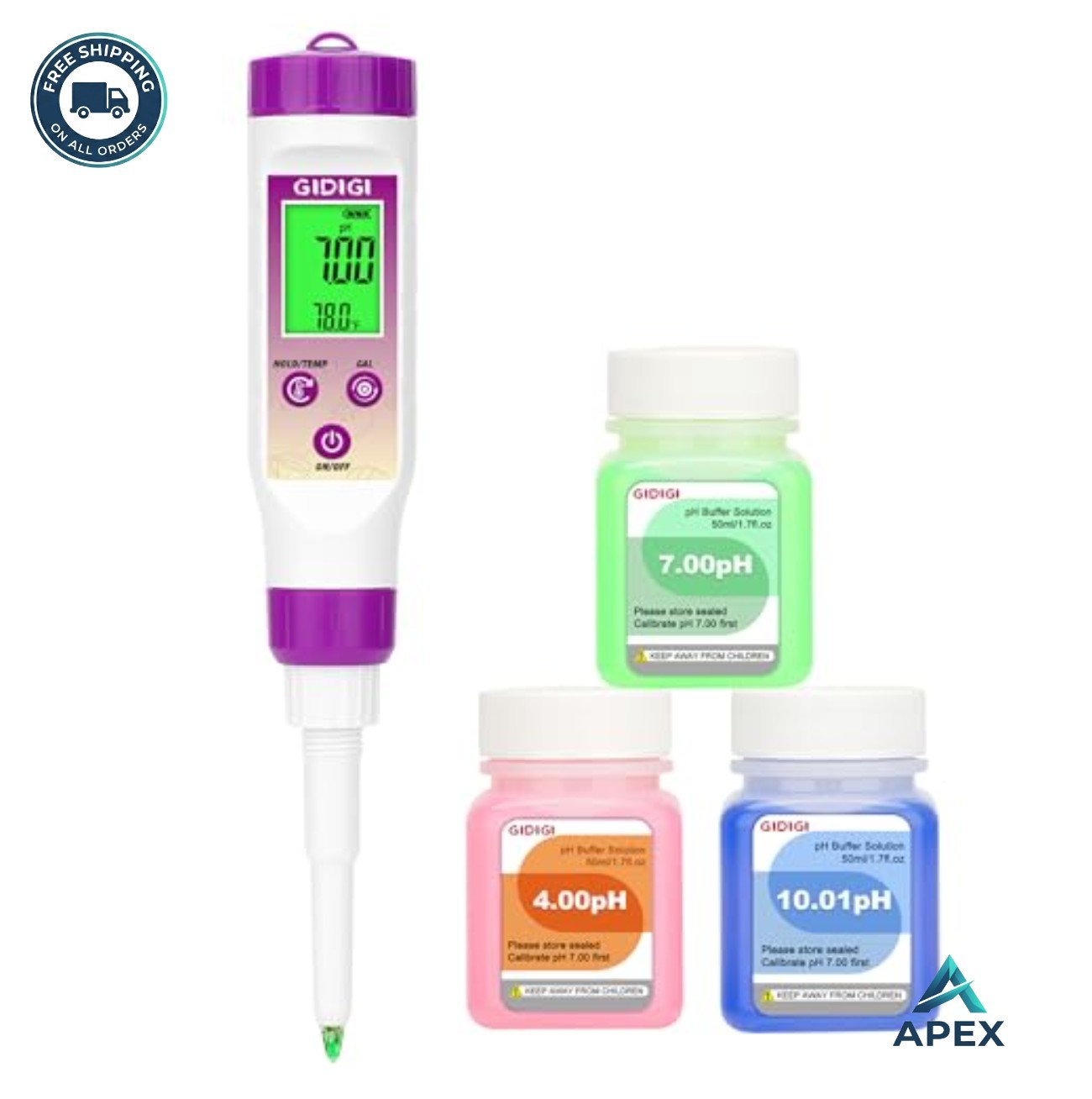 pH Meter for Food Fermentation Spear Probe Replaceable ATC Calibration Kit$77.67View on eBay
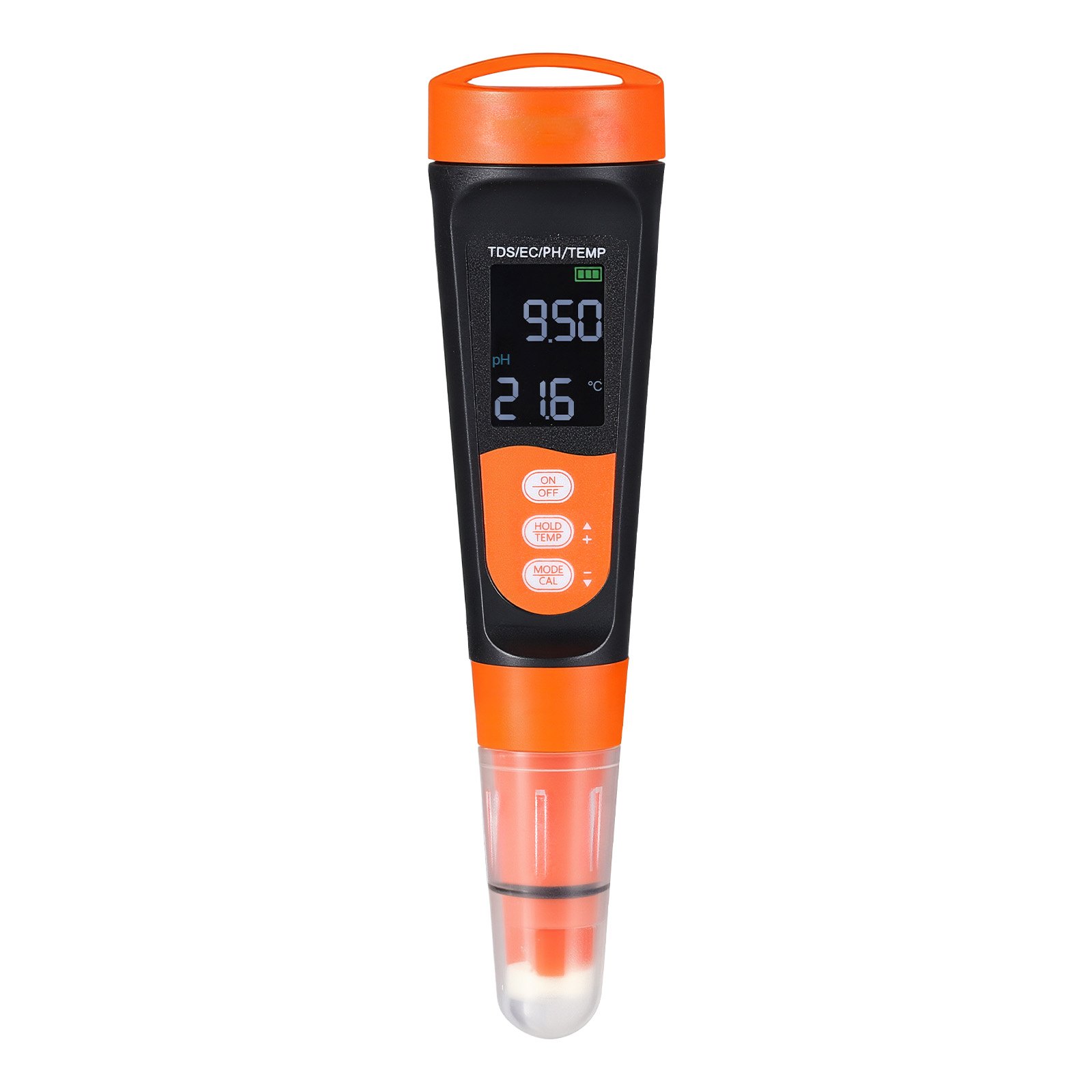 PH Meter, Accurate PH EC Conductivity TDS Ppm Multi-Parameter Measurement, IP68 Waterproof Probe, Pocket Tester Kit With Calibration Powder Packets, VA Display, For Water Quality Testing$147.99View on Mallflare
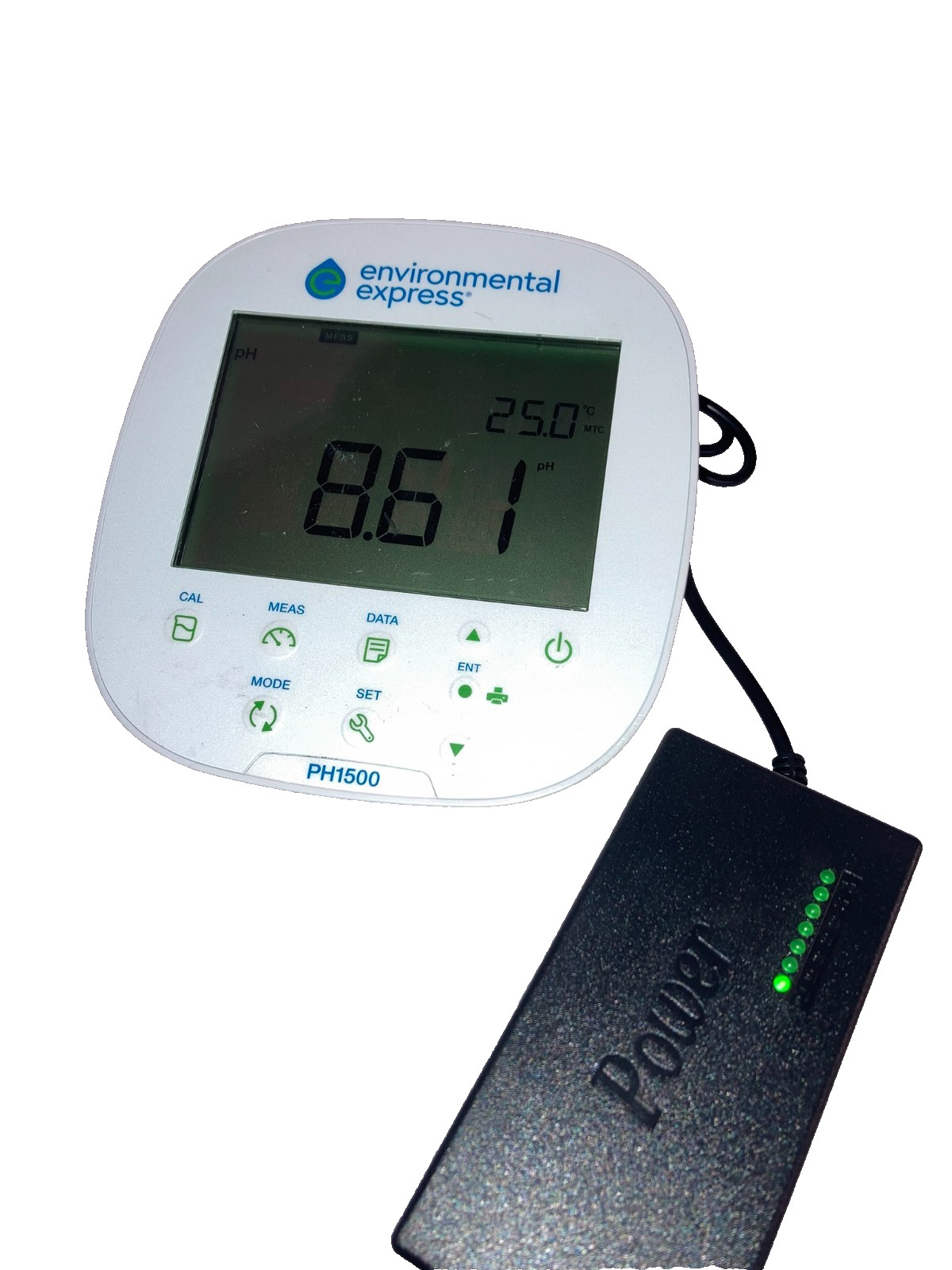 NEW OPEN BOX Environmental Express 1500 pH Benchtop Meter with Power Supply$294.04Last checked Nov 15, 2026View on eBay
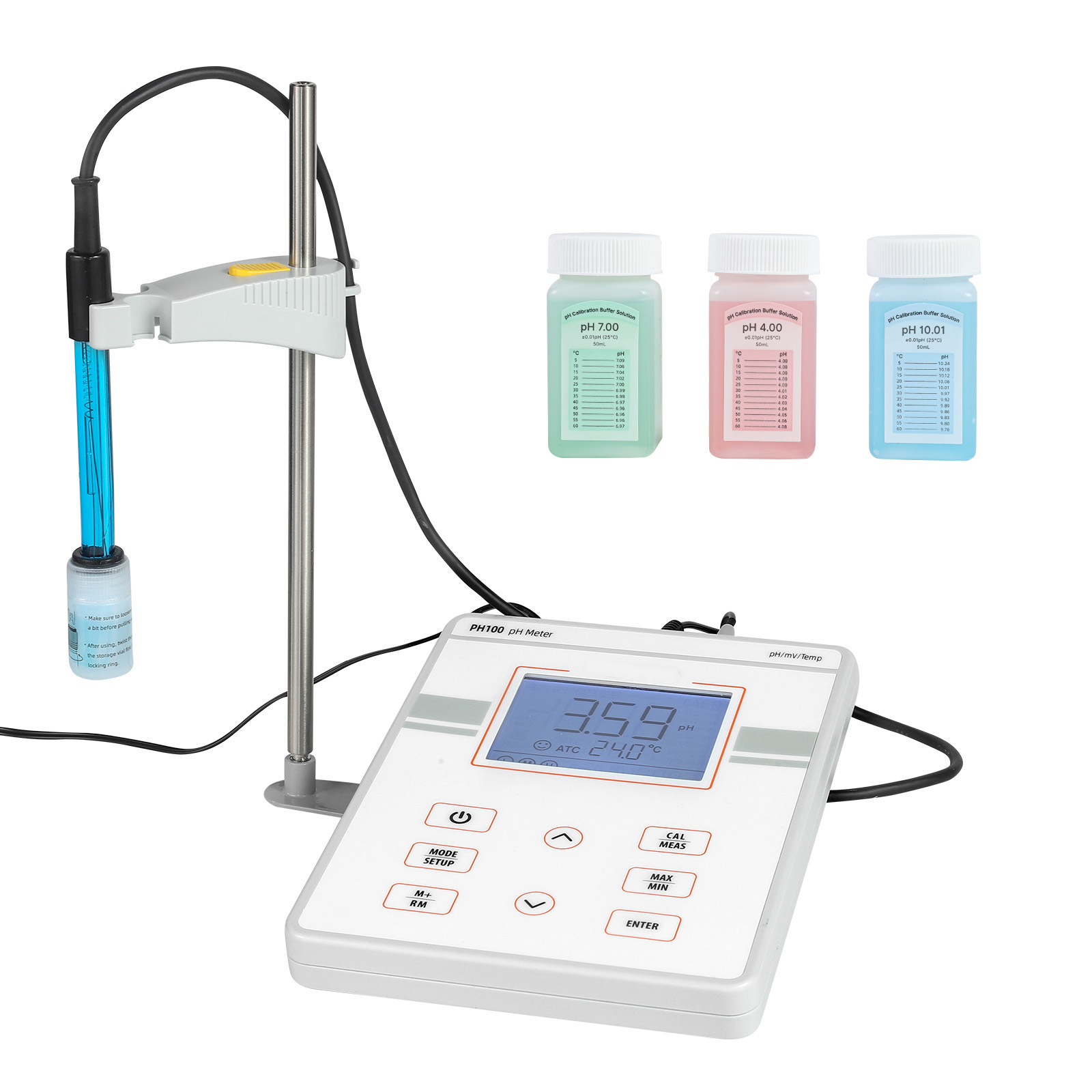 Benchtop PH Meter, 0-14 PH Range, Laboratory Tester Kit With Large Backlit Display, Calibration Solutions, Power Adapter, Stores Up To 50 Readings, For Temperature And Water Quality Testing$372.99View on Mallflare
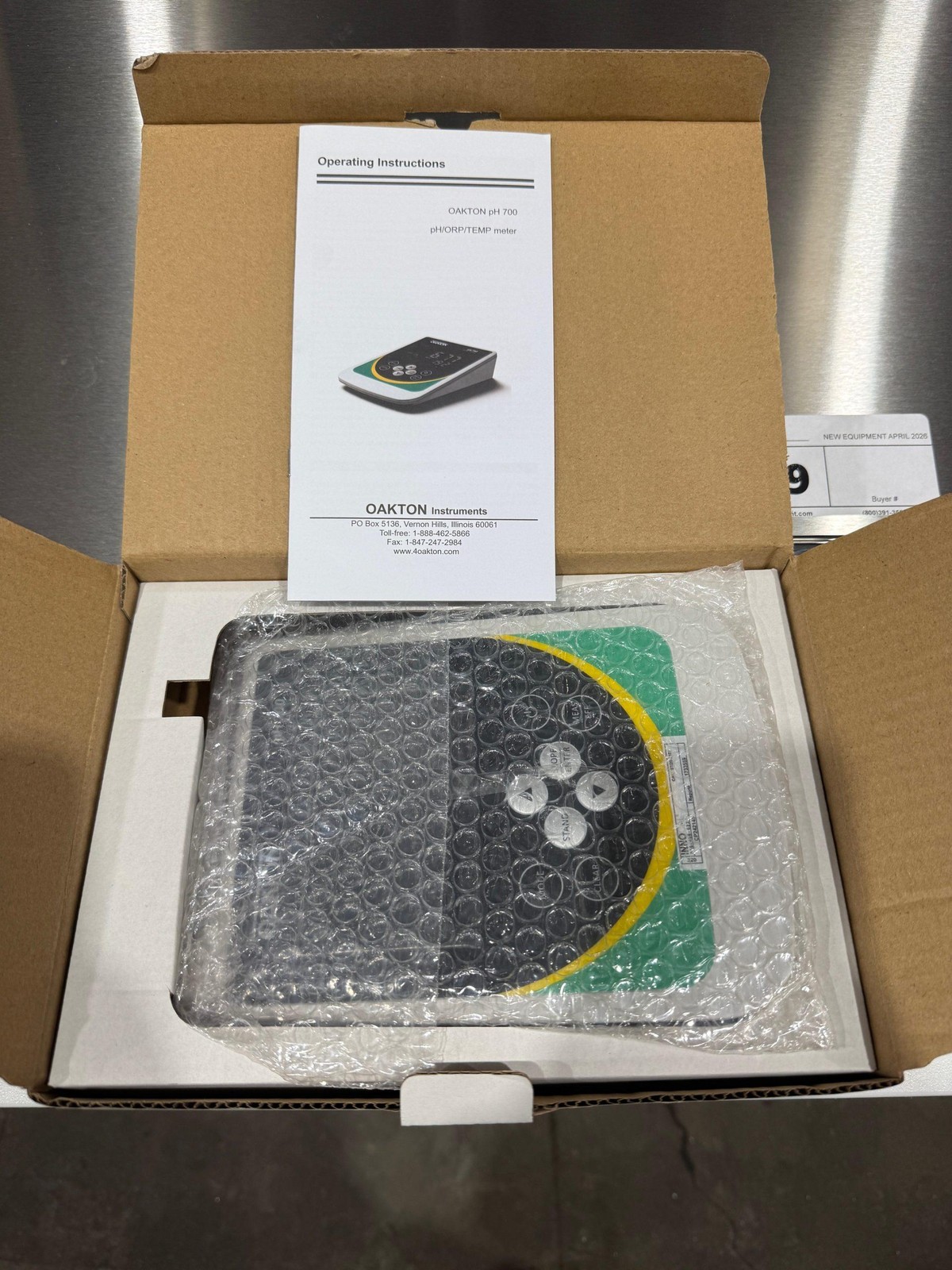 ENVIRONMENTAL EXPRESS OAKTON PH 700 BENCHTOP METER WITH ALL-IN-ONE PH ELECTRODE$695.00Last checked Nov 17, 2026View on eBay
Highlights
- Electrode type determines lifespan: sealed gel pens last 6–18 months, while refillable glass-bulb probes with BNC connectors last years and are replaceable.
- Accuracy tiers: ±0.1 pH pen meters suit general water checks; ±0.01 pH benchtop or modular meters are required for hydroponics, fermentation, and canning safety.
- Automatic temperature compensation (ATC) corrects electrode slope across 0–50 °C; meters without ATC drift up to 0.2 pH between calibration points.
- Soil and semi-solid food require a spear-tip or flat-surface electrode; standard bulb probes read only liquids and fail in soil or mash.
Best use cases
- Hydroponics and aquarium water: pick a ±0.01 pH pen or modular meter with ATC and two-point 4.01/7.00 calibration; skip ±0.1 sealed pens that drift within weeks.
- Soil and composting: choose a dedicated spear-tip soil pH meter with a stainless or hardened tip; standard water pens measure only the slurry, not direct soil contact.
- Food fermentation and canning: use a spear-probe pH meter with ATC and 4.01/7.00 buffers; canning safety requires ±0.01 pH and calibration before each batch—skip pen meters without replaceable probes.
- Benchtop lab or high-volume testing: select a benchtop meter with BNC electrode, magnetic stirrer input, and ±0.01 pH resolution; portable pens are wrong-fit for repeatable lab work.
Buying tips
- Demand a BNC connector and replaceable electrode: a meter is only as good as its probe, and replacement probes cost far less than a new meter.
- Calibrate with fresh 4.01, 7.00, and 10.01 buffers; a meter that cannot store calibration or accept two-point calibration is a disposable tool, not an instrument.
- Match probe style to sample: bulb for clear liquids, spear for soil/semi-solids, flat-surface for paper and skin; never force a bulb probe into soil.
- For hydroponics, require ±0.01 pH resolution and ATC; a ±0.1 pen cannot resolve nutrient solution shifts that affect uptake.
Specs
| Accuracy | ±0.01 pH (lab) vs ±0.1 pH (pen) |
|---|---|
| Electrode | Replaceable BNC vs sealed gel |
| Probe Style | Bulb / spear / flat-surface |
| Temperature Comp | ATC 0–50 °C vs none |
Related searches
What to check before buying
- Confirm your sample type: liquid, soil, or semi-solid—probe geometry must match or readings will be invalid.
- Verify you have fresh calibration buffers (4.01, 7.00, 10.01) and storage solution; a dry electrode loses accuracy permanently.
- Check power: button-cell pens last months; benchtop meters need mains or DC adapter—match your bench power standard.
- Measure your container depth and probe length for soil or fermentation vessels; short pens cannot reach the sample zone.
FAQ
Data sources: eBay / Amazon listings and product attribute feeds. Updated Nov 28, 2026.
Some links on this page are affiliate links. If you buy after clicking one, we may earn a commission at no extra cost to you. This does not change which products appear here or their order. Affiliate disclosure.