
Photos from current listings. Actual item, color, and included accessories may vary.
Alligator Test Lead Buying Guide
Alligator test leads are flexible insulated wires terminated with spring-loaded crocodile clips, used to make temporary, hands-free electrical connections for multimeters, bench supplies, and low-voltage prototyping. The core trade-off is between safety-rated current/voltage capacity and clip/wire build quality—cheap leads use thin PVC wire, loose zinc-plated jaws, and unrated insulation. The decision rule: buy leads whose CAT safety rating, wire gauge, and clip material are explicitly stated; skip any listing that only gives a voltage number with no CAT rating or wire spec.
Median $8.47
Key takeaways
- Safety rating is the primary differentiator: CAT III 1000V / CAT IV 600V leads use double-insulated silicone wire and recessed shrouded banana plugs; unrated 1000V/20A or 1500V/15A listings are hobby-grade only.
- Wire gauge determines current capacity: 18 AWG silicone leads handle 10-15A continuously, 20-22 AWG PVC leads overheat above 5A and should be limited to signal-level work.
- Clip jaw material matters: solid copper or brass jaws with nickel plating hold contact under load; stamped zinc-plated steel jaws oxidize and lose spring tension, causing intermittent readings.
At a glance
- Category
- Test Leads, Probes, Fixtures & Accessories
- Last updated
- Nov 28, 2026
Current offers
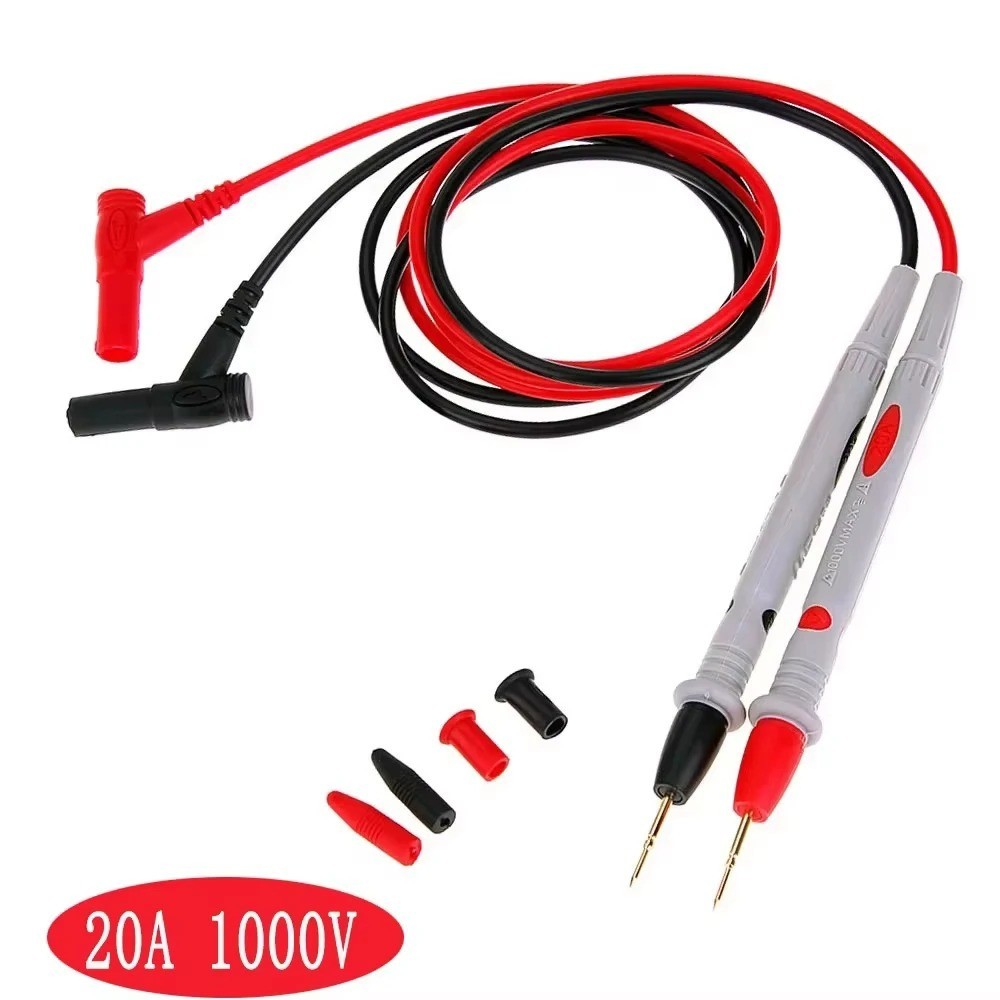 Multimeter Test Leads for Fluke Meter Electrical Alligator Clip Probes 1000V 20A$4.28View on eBay
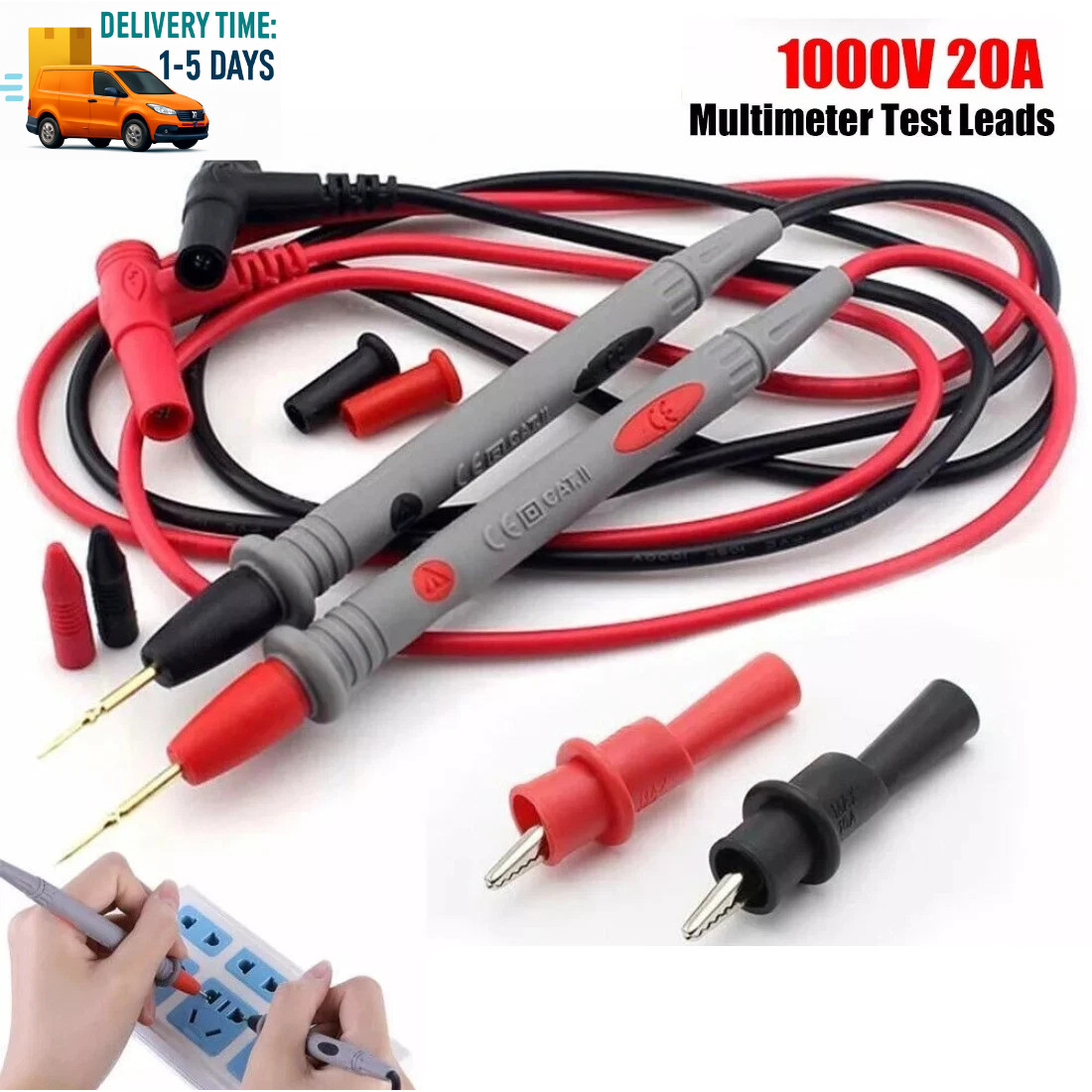 Multimeter Test Leads for Fluke Meter Electrical Alligator Clip Probes 1000V 20A$6.01View on eBay
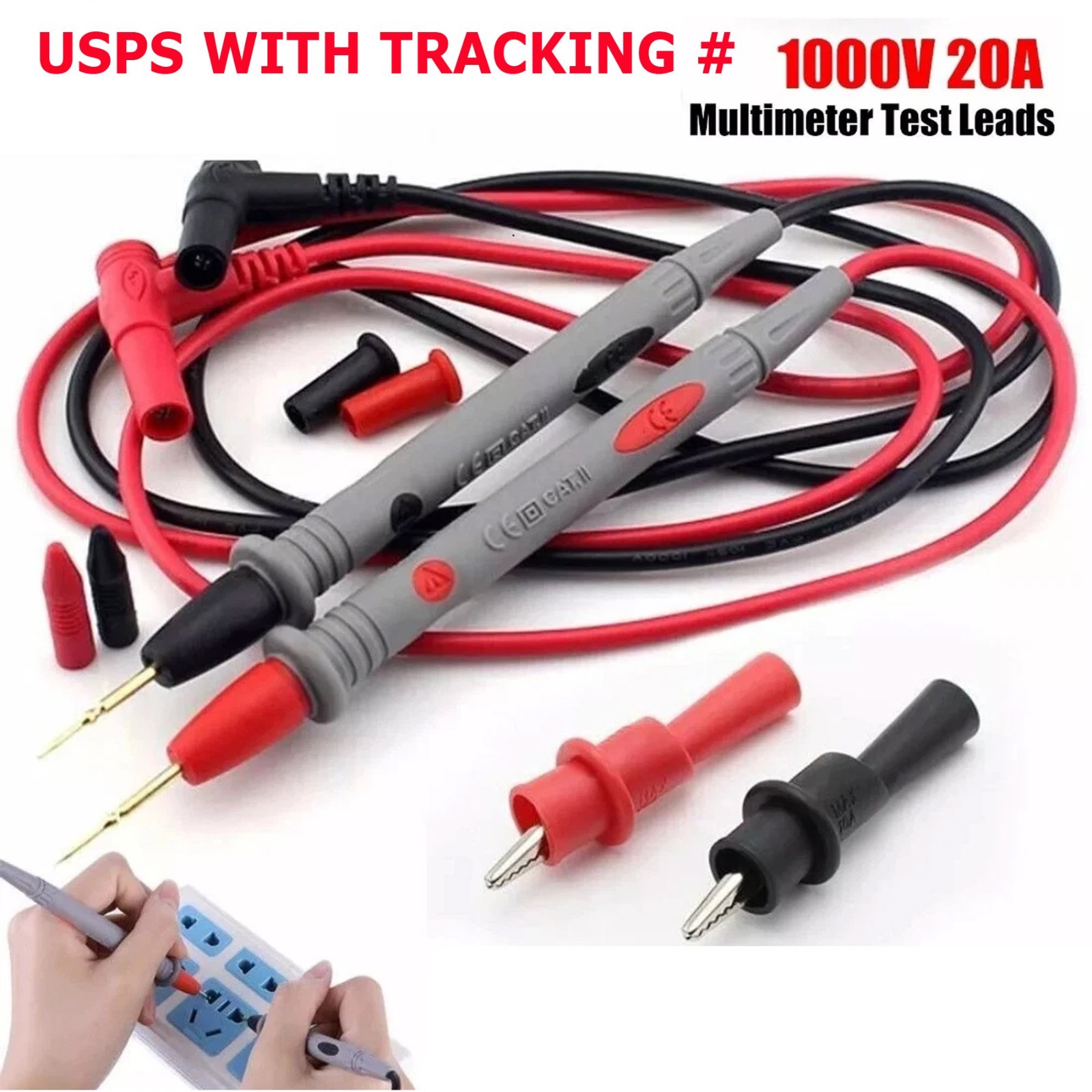 Multimeter Test Leads for Fluke Meter Electrical Alligator Clip Probes 1000V 20A$6.99View on eBay
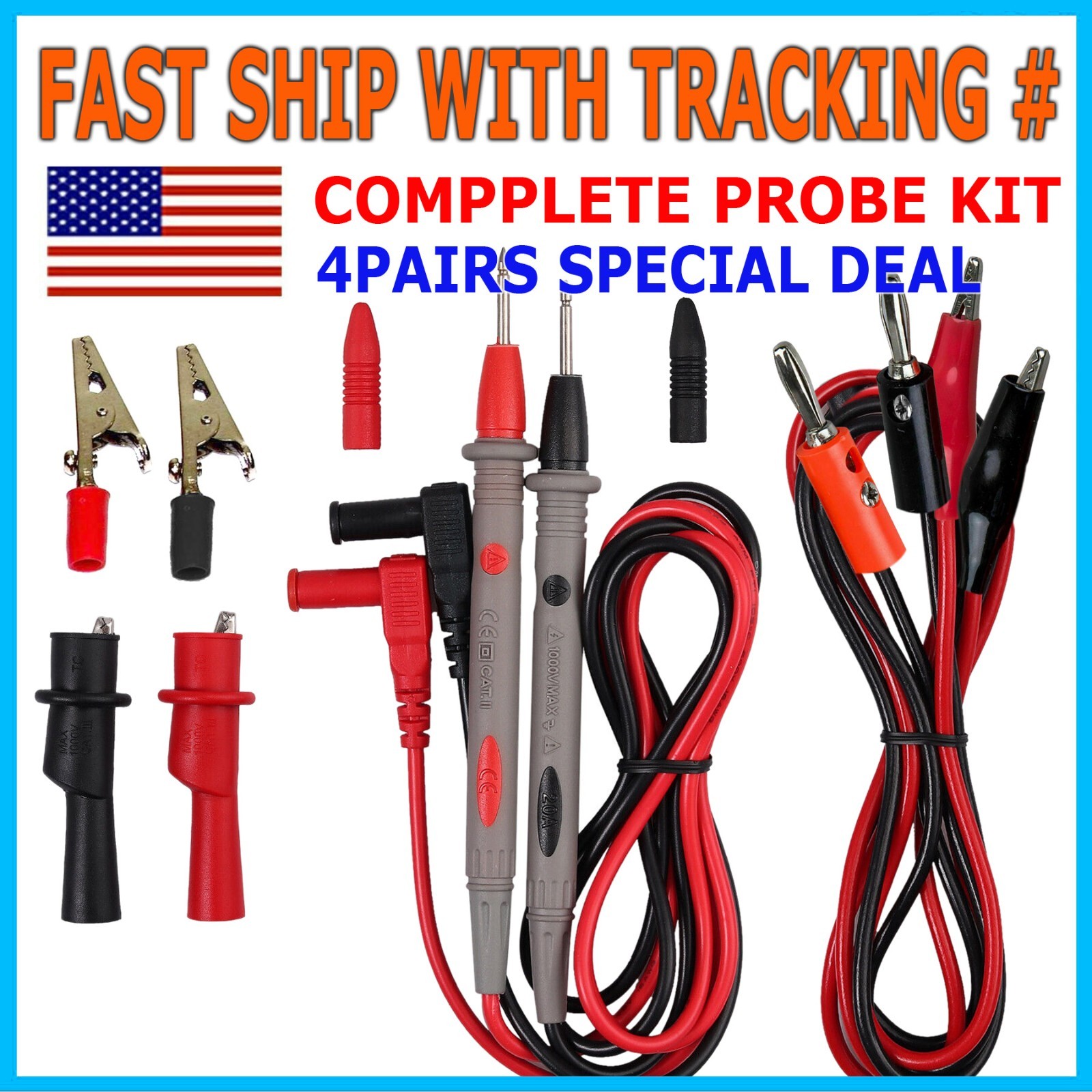 Multimeter Test Leads for Fluke Meter Electrical Alligator Clip Probes 1000V 20A$9.95Last checked Nov 27, 2026View on eBay
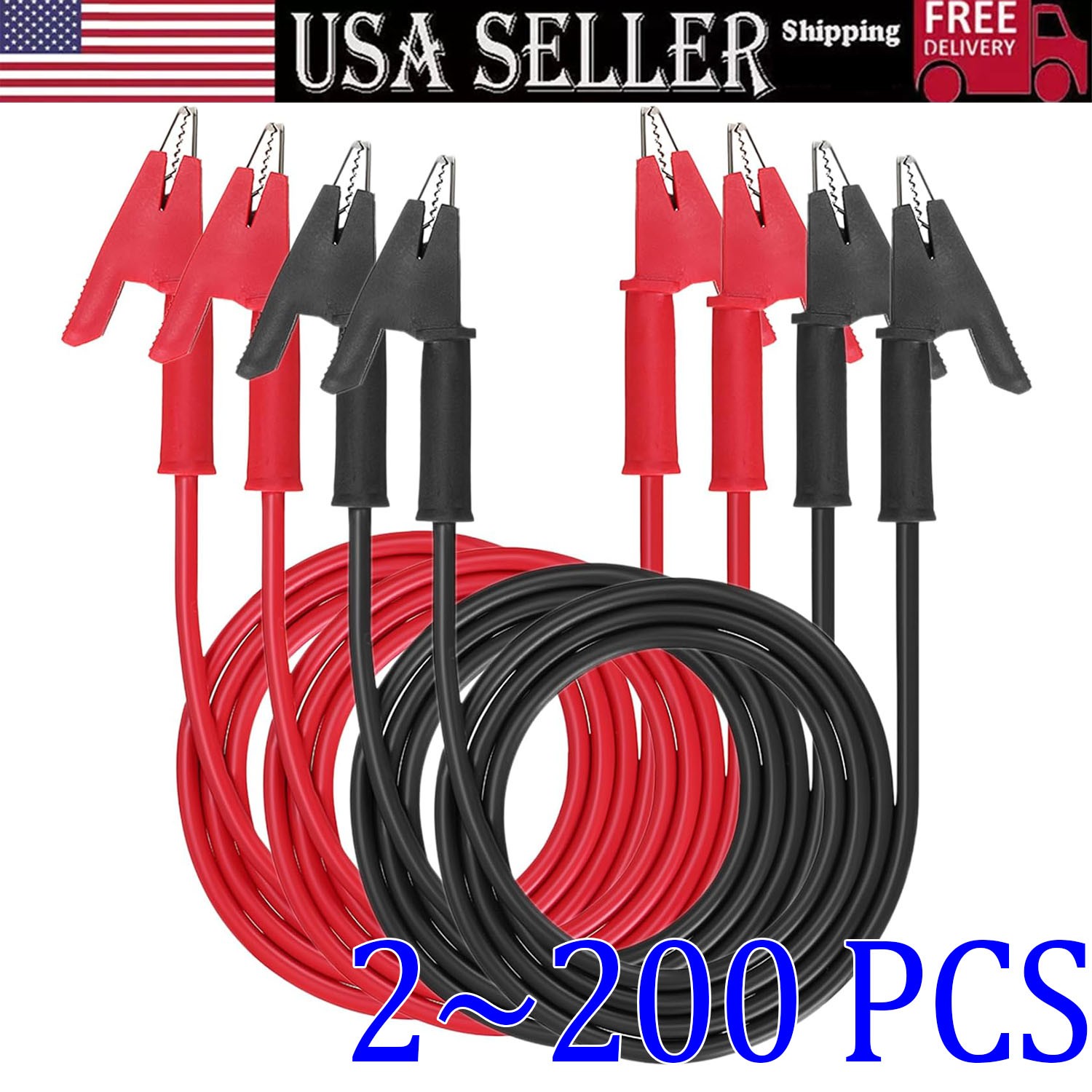 Alligator Clips Electrical Multimeter Test Leads 1500V/15A Jumper Wires Set Lot$45.36View on eBay
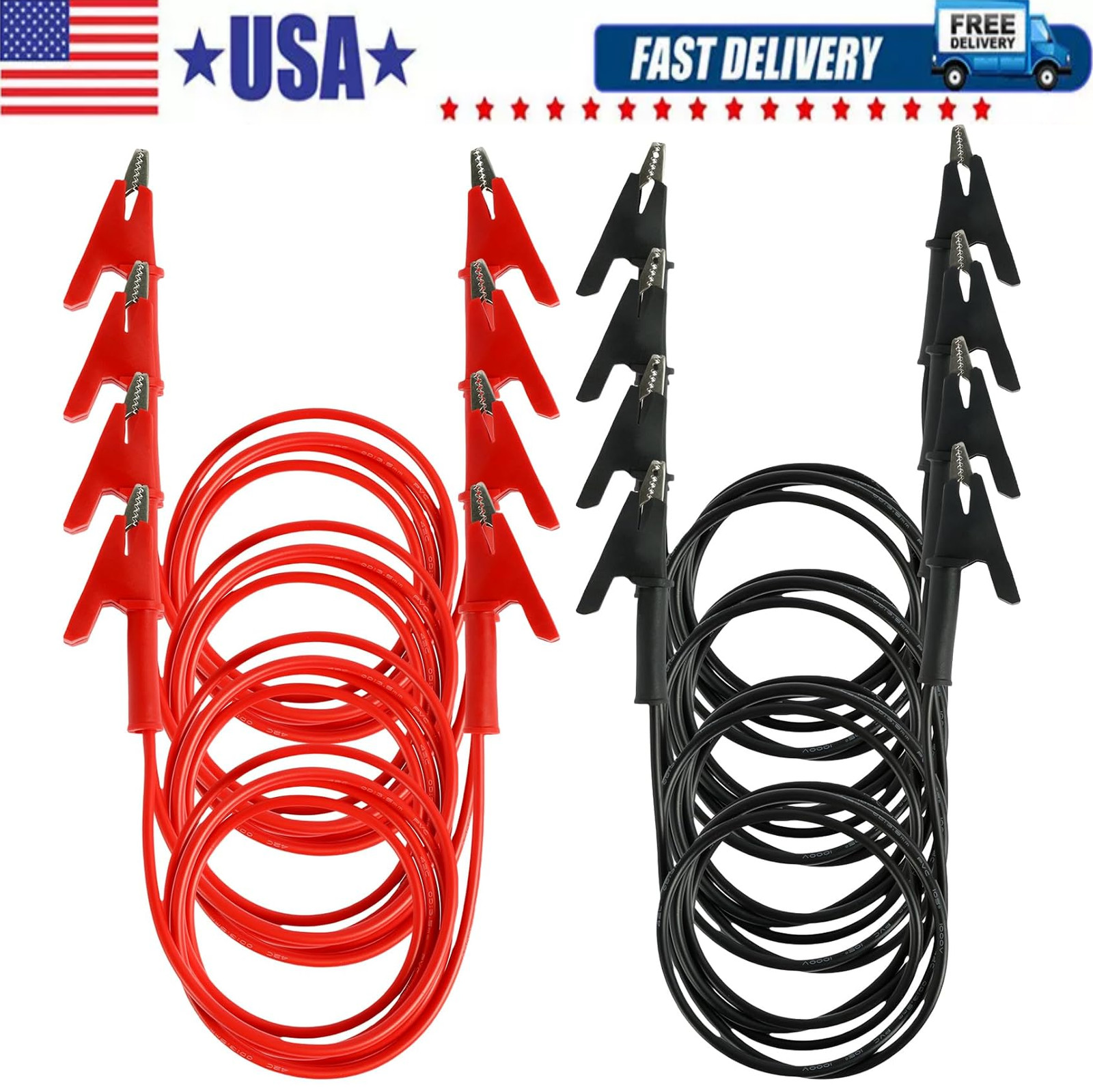 Alligator Clips Electrical Multimeter Test Leads 1500V/15A Jumper Wires Set LOT$631.99Last checked Nov 16, 2026View on eBay
Highlights
- Safety rating is the primary differentiator: CAT III 1000V / CAT IV 600V leads use double-insulated silicone wire and recessed shrouded banana plugs; unrated 1000V/20A or 1500V/15A listings are hobby-grade only.
- Wire gauge determines current capacity: 18 AWG silicone leads handle 10-15A continuously, 20-22 AWG PVC leads overheat above 5A and should be limited to signal-level work.
- Clip jaw material matters: solid copper or brass jaws with nickel plating hold contact under load; stamped zinc-plated steel jaws oxidize and lose spring tension, causing intermittent readings.
- Connector standard: standard 4mm shrouded banana plugs fit most multimeters and bench supplies; Fluke-style leads use the same 4mm interface but add recessed safety shrouds for CAT-rated meters.
Best use cases
- Best fit: CAT III/IV silicone leads with 18 AWG wire for multimeter work on mains panels, HVAC, and industrial equipment—these maintain insulation integrity if accidentally exposed to higher transient voltages.
- Best fit: 20-22 AWG PVC alligator jumper sets with 4mm banana plugs for breadboard prototyping, low-voltage DC testing, and bench supply connections under 30V/5A—cheap and adequate.
- Wrong fit to skip: 1500V/15A no-name jumper sets for any mains or CAT-rated measurement—the voltage claim without a CAT rating is marketing, not a safety certification.
- Wrong fit to skip: leads with unshrouded banana plugs on CAT-rated multimeters—the exposed plug can contact live circuits; use only shrouded 4mm plugs.
Buying tips
- Match the lead's CAT rating to your meter and environment: CAT III 1000V for distribution panels, CAT II 600V for household outlets, CAT IV 600V for outdoor/service entrance—never use a lower CAT lead on a higher-CAT meter.
- Choose 18 AWG silicone-insulated wire for current above 5A or repeated flexing; silicone stays flexible in cold and resists soldering-iron contact, PVC stiffens and melts.
- Confirm clip jaw opening: standard 10-15mm jaw opening grips battery terminals and bus bars; smaller 5mm jaws only fit thin wires and component legs.
- Buy leads with molded strain relief at both clip and plug ends; heat-shrink-only joints fail at the flex point within weeks of regular use.
Specs
| Safety Rating | CAT III 1000V / CAT IV 600V vs unrated |
|---|---|
| Wire Gauge | 18 AWG (10-15A) / 20-22 AWG (under 5A) |
| Insulation | Silicone (flexible, high-temp) vs PVC |
| Clip Jaw Material | Copper/brass nickel-plated vs zinc steel |
Related searches
What to check before buying
- Measure your multimeter's jack spacing and confirm 4mm shrouded banana plugs fit—most handheld meters use 4mm, but some compact models use 2mm pins.
- Check your meter's maximum current range: a 10A-capable meter needs 18 AWG leads; a 2A meter is fine with 20-22 AWG.
- Verify clip jaw opening against your target terminal: battery posts need 15mm+, PCB headers need 5mm or fine-tip probes instead.
- Confirm insulation voltage rating matches your working voltage, not just the listing headline—silicone wire rated 1000V+ is required for any mains-adjacent work.
FAQ
Data sources: eBay / Amazon listings and product attribute feeds. Updated Nov 28, 2026.
Some links on this page are affiliate links. If you buy after clicking one, we may earn a commission at no extra cost to you. This does not change which products appear here or their order. Affiliate disclosure.