
Photos from current listings. Actual item, color, and included accessories may vary.
Multimeter Lead With Alligator Clip Buying Guide
A multimeter lead with alligator clip is a test accessory that clamps onto terminals, wires, or busbars for hands-free voltage, current, or continuity measurements. The core trade-off is between clip bite and insulation safety: cheap vinyl boots and thin 18 AWG wire degrade at high current, while silicone-insulated 1000V CAT III/IV leads with copper jaws maintain grip and arc protection. Buy silicone-insulated, CAT-rated leads with fully shrouded banana plugs and nickel-plated copper clips; skip PVC-insulated, unrated clip sets for anything beyond low-voltage bench work.
Median $8.47
Key takeaways
- Safety ratings split leads into CAT II (household outlets), CAT III (distribution panels), and CAT IV (service entrance); clip insulation and banana plug shrouds must match the meter's CAT rating.
- Conductor gauge determines current capacity: 18 AWG handles 10A continuous, 16 AWG supports 15-20A, while 20-22 AWG clip leads are signal-only and overheat above 5A.
- Silicone insulation stays flexible from -50°C to 200°C and resists soldering sparks; PVC stiffens in cold, cracks with heat, and is not rated for 1000V.
At a glance
- Category
- Test Leads, Probes, Fixtures & Accessories
- Last updated
- Nov 28, 2026
Current offers
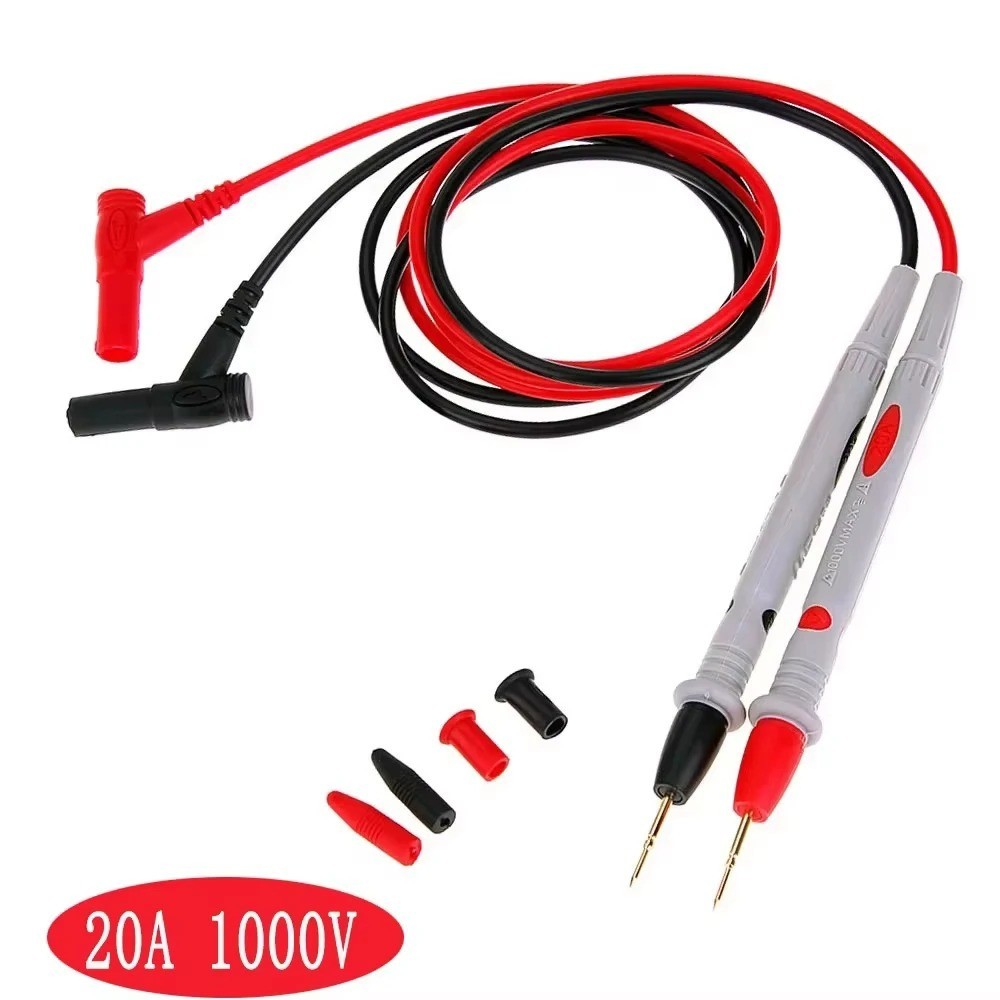 Multimeter Test Leads for Fluke Meter Electrical Alligator Clip Probes 1000V 20A$4.28View on eBay
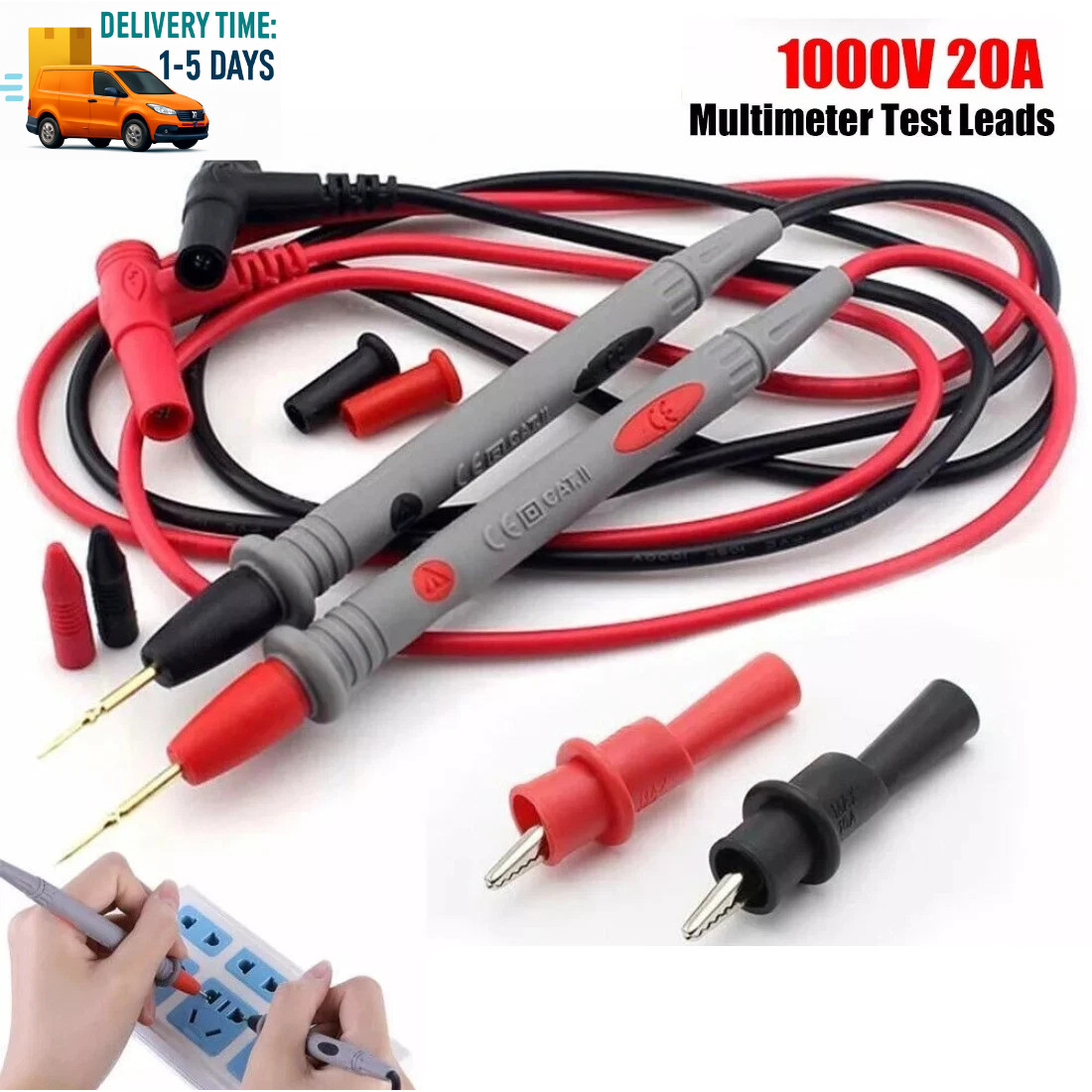 Multimeter Test Leads for Fluke Meter Electrical Alligator Clip Probes 1000V 20A$6.01View on eBay
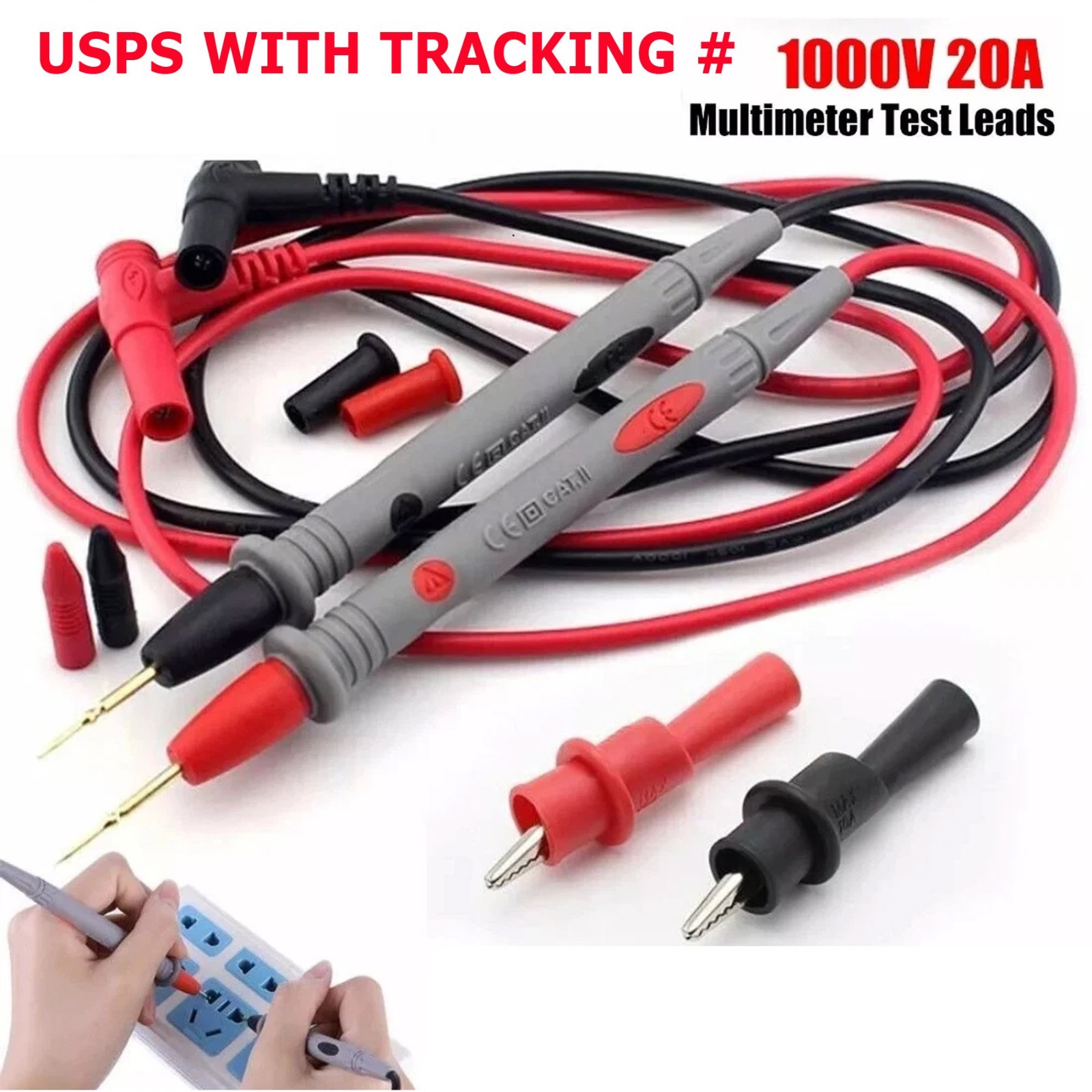 Multimeter Test Leads for Fluke Meter Electrical Alligator Clip Probes 1000V 20A$6.99View on eBay
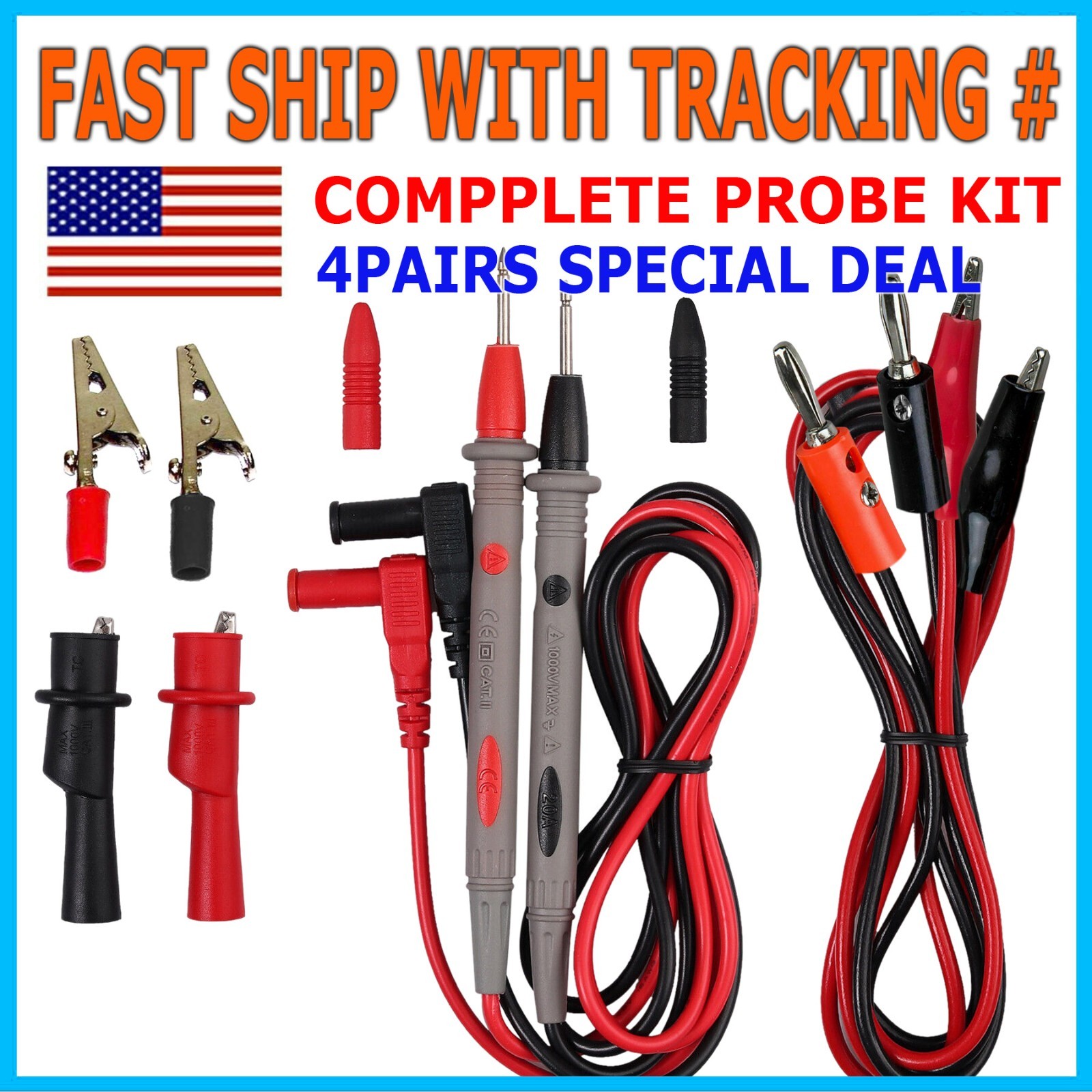 Multimeter Test Leads for Fluke Meter Electrical Alligator Clip Probes 1000V 20A$9.95Last checked Nov 27, 2026View on eBay
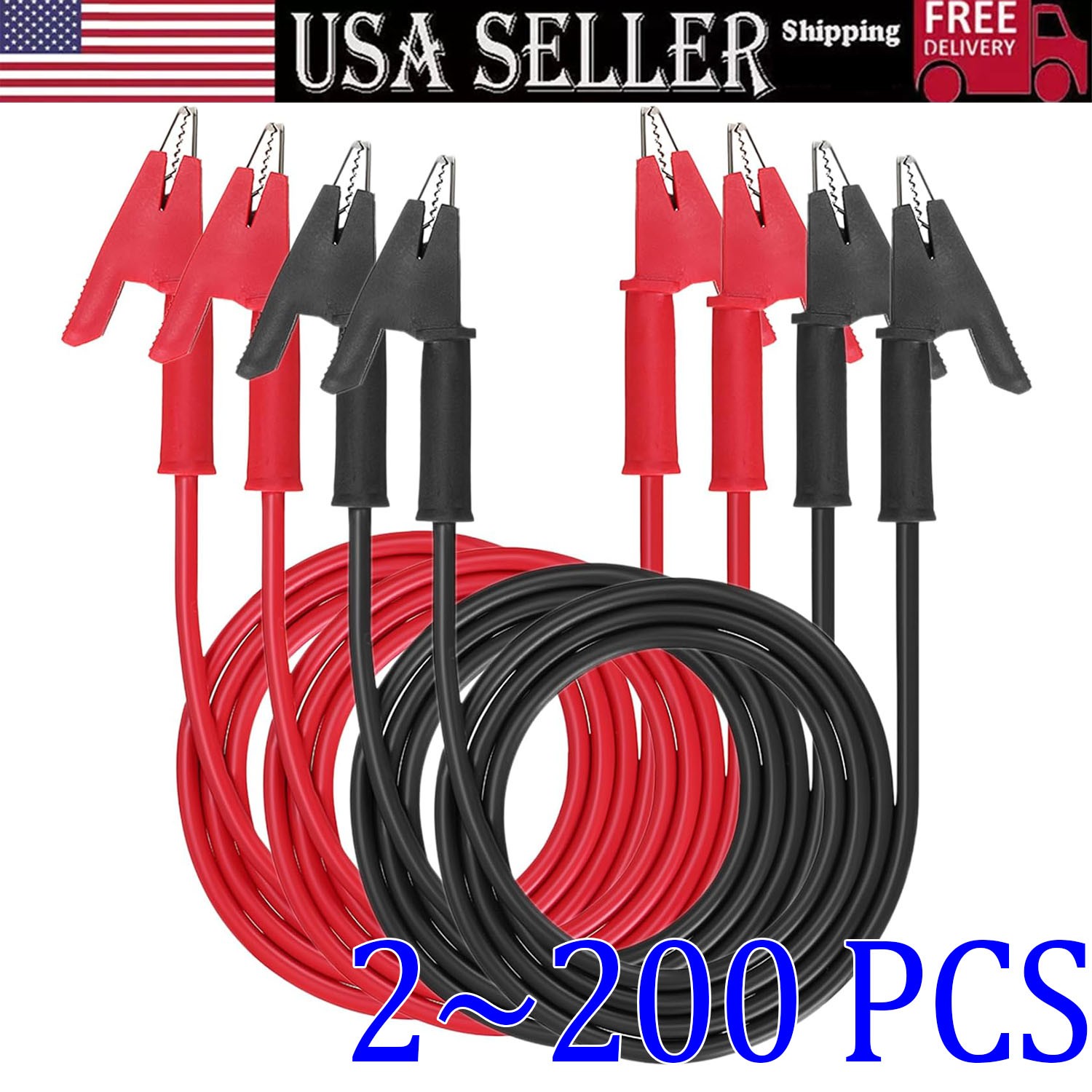 Alligator Clips Electrical Multimeter Test Leads 1500V/15A Jumper Wires Set Lot$45.36View on eBay
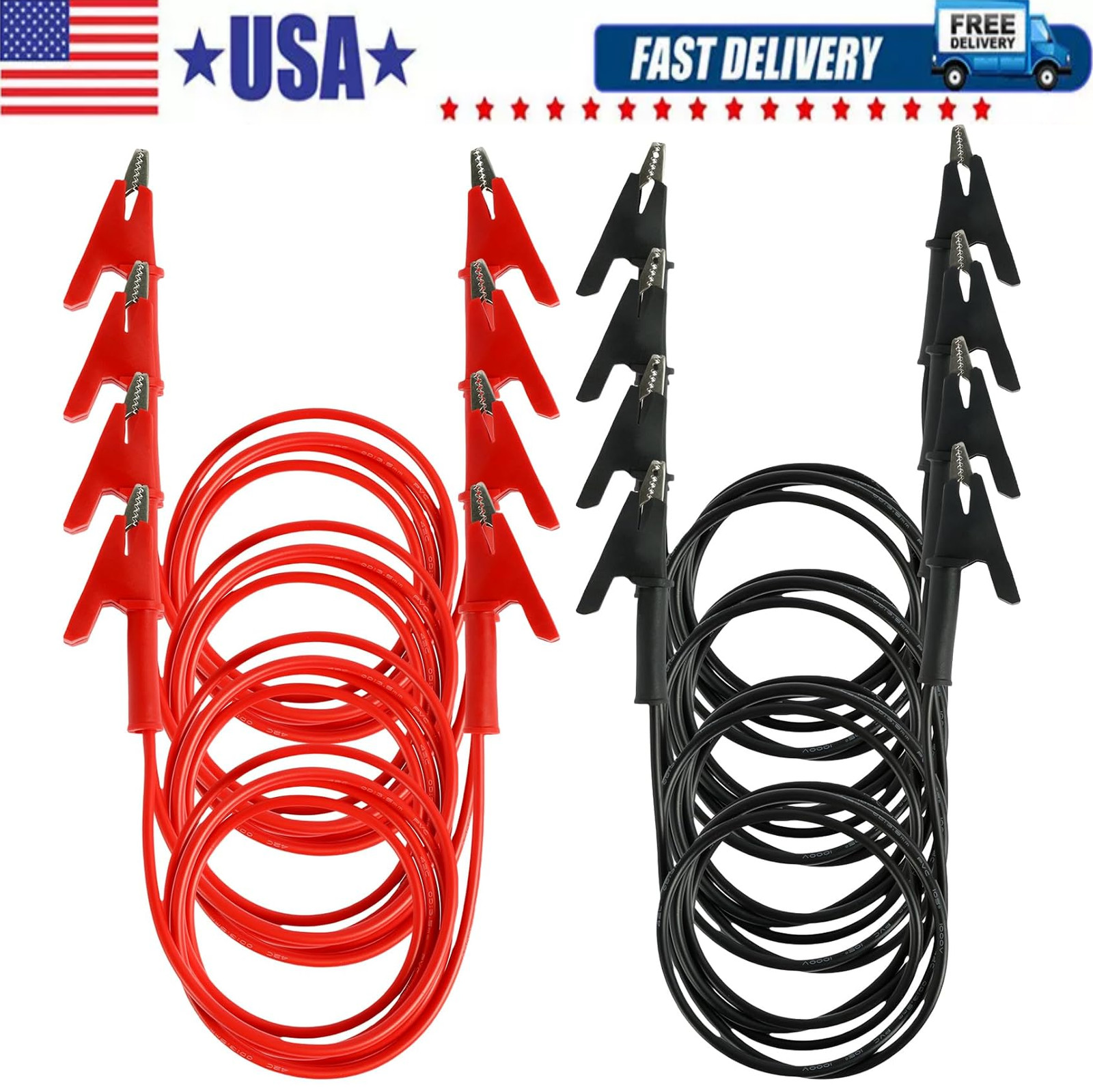 Alligator Clips Electrical Multimeter Test Leads 1500V/15A Jumper Wires Set LOT$631.99Last checked Nov 16, 2026View on eBay
Highlights
- Safety ratings split leads into CAT II (household outlets), CAT III (distribution panels), and CAT IV (service entrance); clip insulation and banana plug shrouds must match the meter's CAT rating.
- Conductor gauge determines current capacity: 18 AWG handles 10A continuous, 16 AWG supports 15-20A, while 20-22 AWG clip leads are signal-only and overheat above 5A.
- Silicone insulation stays flexible from -50°C to 200°C and resists soldering sparks; PVC stiffens in cold, cracks with heat, and is not rated for 1000V.
- Alligator clip jaw material matters: nickel-plated copper or solid copper jaws maintain low contact resistance, while plated steel jaws corrode and add milliohms that skew low-ohm readings.
Best use cases
- Bench electronics and breadboard work: choose 20-22 AWG silicone clip leads with small 5-10A jaws for signal injection and logic probing; skip 1000V CAT-rated heavy leads that are too stiff for fine pitch.
- Automotive and 12-48V DC diagnostics: pick 16 AWG silicone leads rated 15A with 20-30mm copper clips that grip battery posts and relay tabs; avoid PVC-insulated clip sets that stiffen in engine bays.
- Mains panel and industrial troubleshooting: use only 1000V CAT III/IV silicone leads with fully shrouded banana plugs and 15-20A clips; never substitute unrated jumper wires or CAT II clip leads inside distribution panels.
Buying tips
- Match the lead's CAT rating to the meter and environment: CAT III 1000V for panel work, CAT IV 600V for service entrance, CAT II 600V only for outlet-level testing.
- Confirm the banana plug is fully shrouded and mates with your meter's 4mm jack; recessed or unshrouded plugs expose live metal and fail CAT safety requirements.
- Check clip jaw opening: 10mm jaws grip component leads and small terminals, 20mm jaws handle battery posts and busbars, 30mm+ jaws suit automotive and industrial lugs.
- For current measurements above 10A, select 16 AWG or thicker leads rated 15-20A; 18 AWG leads are typically limited to 10A continuous and will heat at 20A.
Specs
| Safety Category | CAT II 600V to CAT IV 1000V |
|---|---|
| Wire Gauge / Current | 18 AWG 10A to 16 AWG 20A |
| Insulation Material | Silicone vs PVC |
| Clip Jaw Opening | 10mm to 30mm+ copper jaws |
Related searches
What to check before buying
- Verify your multimeter's input jack spacing and depth: standard 4mm shrouded banana jacks accept most leads, but recessed or extra-deep jacks need slim-profile plugs.
- Check the clip jaw opening against your target terminal: battery posts need 20mm+, PCB headers need 10mm or smaller, and busbars may need 30mm+.
- Confirm voltage environment: 1000V CAT III/IV leads for panels and service entrance, 600V CAT II for household outlets, low-voltage silicone leads for bench only.
- Ensure the lead set includes the right tip complement (probe tips, clip-on alligator adapters, or fixed clip leads) for your workflow; fixed-clip leads sacrifice probe versatility.
FAQ
Data sources: eBay / Amazon listings and product attribute feeds. Updated Nov 28, 2026.
Some links on this page are affiliate links. If you buy after clicking one, we may earn a commission at no extra cost to you. This does not change which products appear here or their order. Affiliate disclosure.