Outfitting a test bench means picking tools that match your actual workflow. One of the first decisions is whether you need to look at live waveforms or simulate real-world loads on a power source. These two devices answer different questions: a two-probe oscilloscope kit for signal viewing and an electronic load for load testing. At $17.99 and $177.47, the price gap is big, but the right pick depends on the work you do.
Quick verdict
If your main task is troubleshooting or debugging circuits with an oscilloscope, the JINHAO probe kit is the sensible choice for scope work. If you need to stress-test power supplies, chargers, batteries, or LED drivers, the electronic load tester is the tool that handles that job. They are not substitutes; they cover different stages of bench testing.
At a glance
| Consideration | JINHAO 2x 100MHz Oscilloscope Probe Kit | 400W Electronic Load Tester |
|---|---|---|
| Price | $17.99 | $177.47 |
| Core job | Signal viewing on a scope | Load simulation up to 400W |
| Key specs | 100 MHz bandwidth, 1X/10X, P6100 | 0-150V, 0-40A, single channel |
| Modes | Basic attenuation switch | CV, CC, CR, constant power, dynamic, battery |
| Best for | Bench signal work with HP/Tektronix scopes | Production line, aging, and power-source testing |
Where each product wins
The probe kit wins when your priority is simple, direct signal viewing on an oscilloscope. It comes with clip probes, a 1X/10X switch, and a bandwidth that handles common bench signals. For everyday scope use, it gets you connected without a lot of setup.
The electronic load wins when you need to put a power source through controlled stress. It can simulate different load conditions, run timed dynamic tests, and handle higher voltage and current work. That makes it a genuine bench fixture for power validation.
Product notes
2x 100MHz Oscilloscope Scope analyzer Clip Probe test leads kit for HP Tektronix
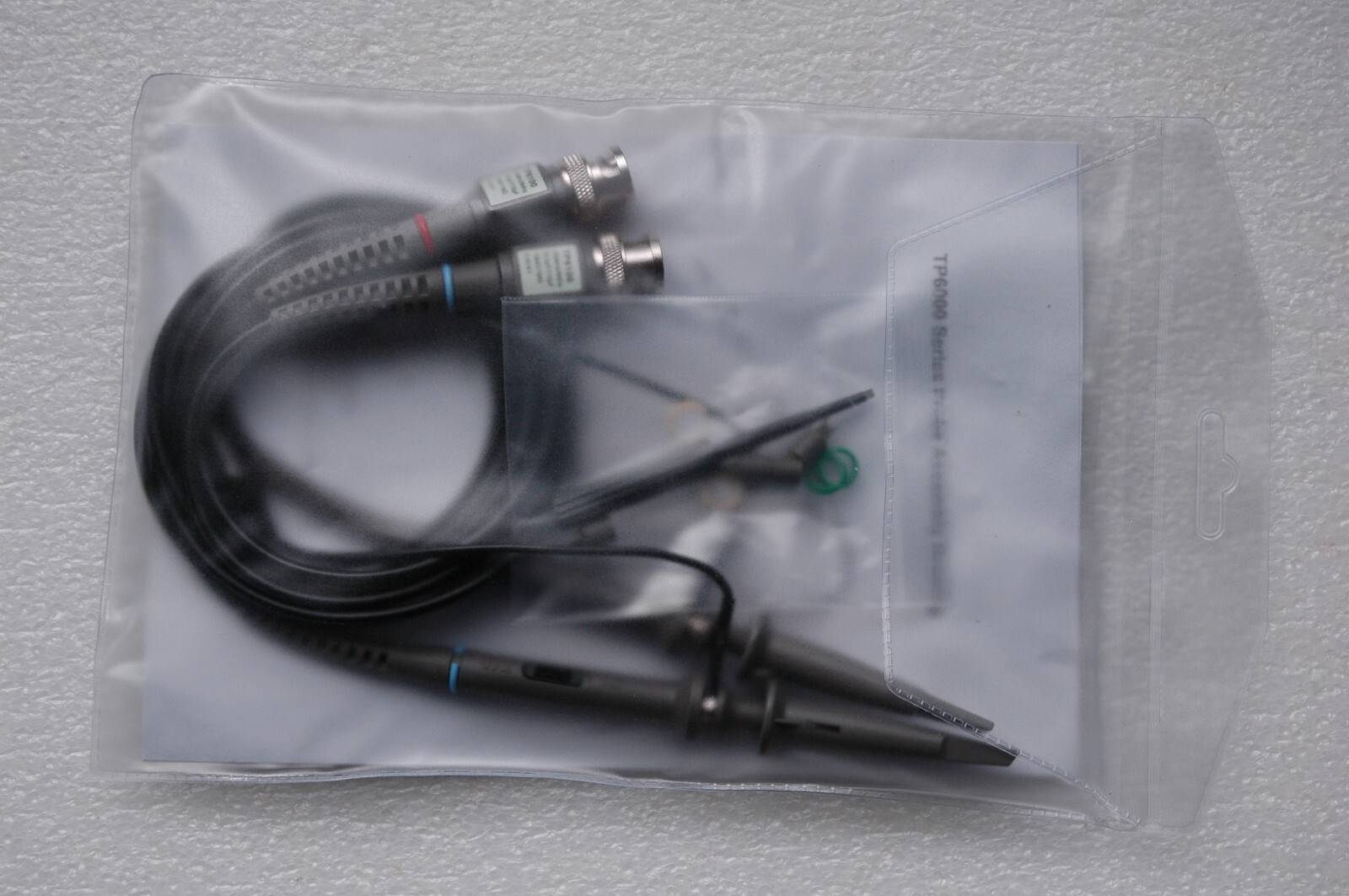
The JINHAO P6100 kit is a two-probe oscilloscope set with switchable 1X and 10X attenuation, a 100 MHz bandwidth rating, and a compensation range of 15 to 45 pF. It is designed for general-purpose bench or field work with scopes like HP and Tektronix, and the clip-style leads make it easy to connect to test points. For routine signal checking, this is a ready-to-use set of probes. The main limitation is that the 100 MHz bandwidth caps the useful range for very fast signals, and it will not help you simulate loads or test power delivery. It is a signal-connection tool, not a power-testing fixture.
400W Electronic Load Tester 0-150V 0-40A Single Channel Programmable
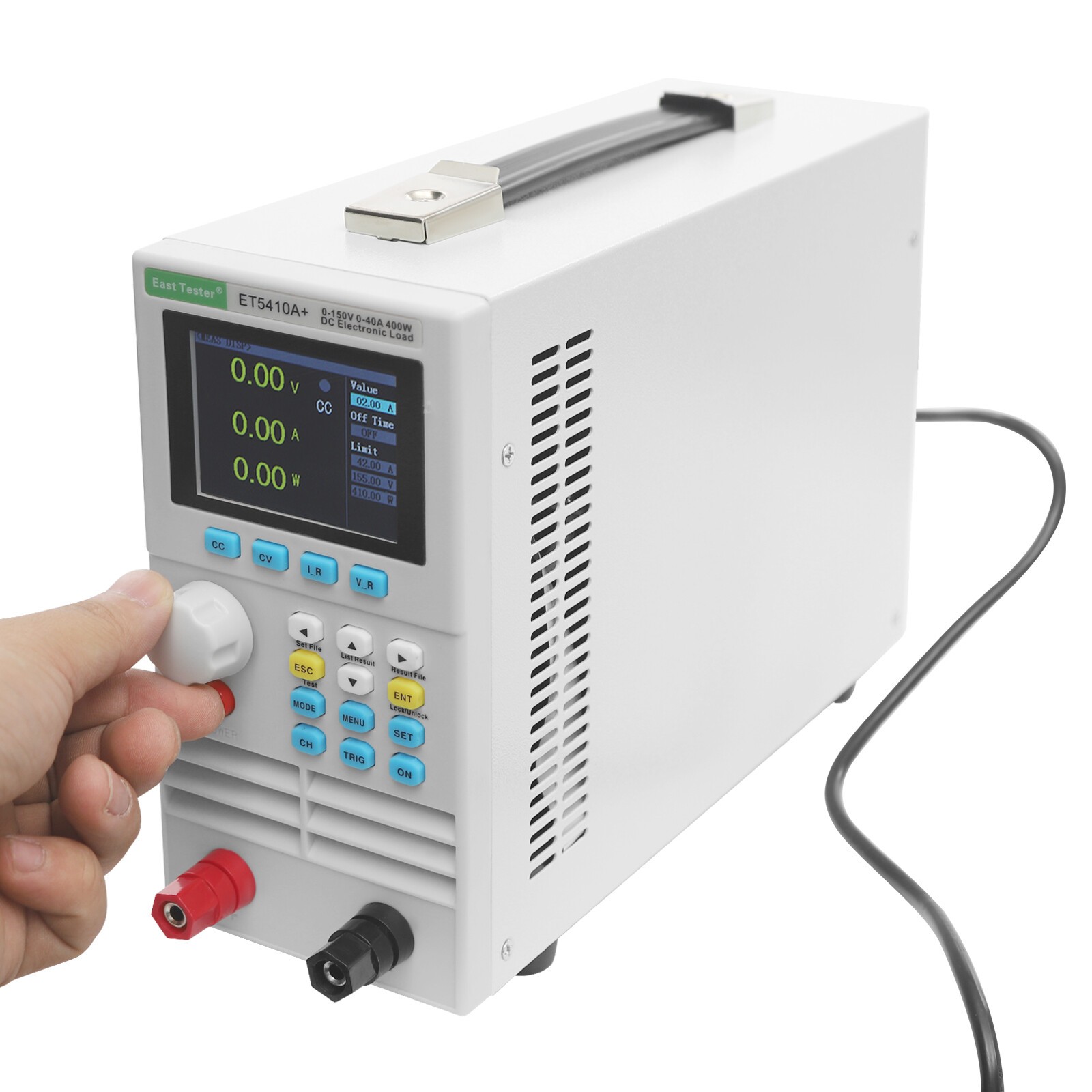
This electronic load provides programmable control over constant voltage, constant current, constant resistance, and constant power modes, plus dynamic and battery test functions. It handles up to 400W, 150V, and 40A, which makes it suitable for chargers, batteries, switching power supplies, mobile power sources, and LED drivers. The dynamic test mode allows CC and CV timing from 50ms to 60s, and the battery test supports CC and CR discharge. That combination makes it a capable fixture for production line and aging testing. The limitation is that it won't show you waveforms; you would still need an oscilloscope and probe for signal analysis. Also, the single-channel design means you can only test one load at a time.
Final choice by use case
If you're debugging circuits and want to see what a signal is doing, choose the two-probe oscilloscope kit. If you're validating power supplies, batteries, or LED drivers and need to simulate a load, choose the programmable electronic load.