Choosing a voltage tester often comes down to how it tells you a wire is live. Both of these pens fit the multimeters electrical testers category and cover the same 12V-1000V AC range, but they take different paths: one offers switchable sensitivity and a digital display, the other adds a voice alarm and a flat probe for tracing cables. Let's sort out the differences.
Quick Verdict
For most DIYers and electricians, the AC Voltage Tester/Non-Contact Voltage Tester with Dual Range is the better value. It costs $12.99, undercuts the other tester by $0.59 (4% lower), and its two sensitivity ranges make it easy to work around crowded breaker boxes. Choose the Positioning Voltage Tester when you need a louder, more obvious alert system and want non-contact sensitivity you can adjust without hunting for a button.
Comparison Table
| Feature | Positioning Voltage Tester | AC Voltage Tester Dual Range |
|---|---|---|
| Price | USD 13.58 | USD 12.99 |
| AC voltage range | 12V-1000V | Low: 12-1000V, High: 48-1000V |
| Alert methods | Audible + visual + voice | Red light + audible buzzer |
| Display | LCD analog | Digital |
| Flashlight | Yes | Built-in LED |
| Body material | ABS | Aluminum / plastic |
Where Each Product Wins
- Price and versatility: The AC Voltage Tester with Dual Range costs less and lets you toggle between low and high sensitivity ranges with a button, so you can avoid false triggers in dense wiring.
- Alarm clarity: The Positioning Voltage Tester sounds and flashes, but also adds a voice prompt-useful when you're working in a noisy environment.
- Probe design: The Positioning model's flat probe shape is suited for testing terminals, sockets, and junction boxes, making it handy for pinpointing the exact wire.
Product Notes
12V-1000V Positioning Voltage Tester Electric Wire Detector Test Pen Tool Kit
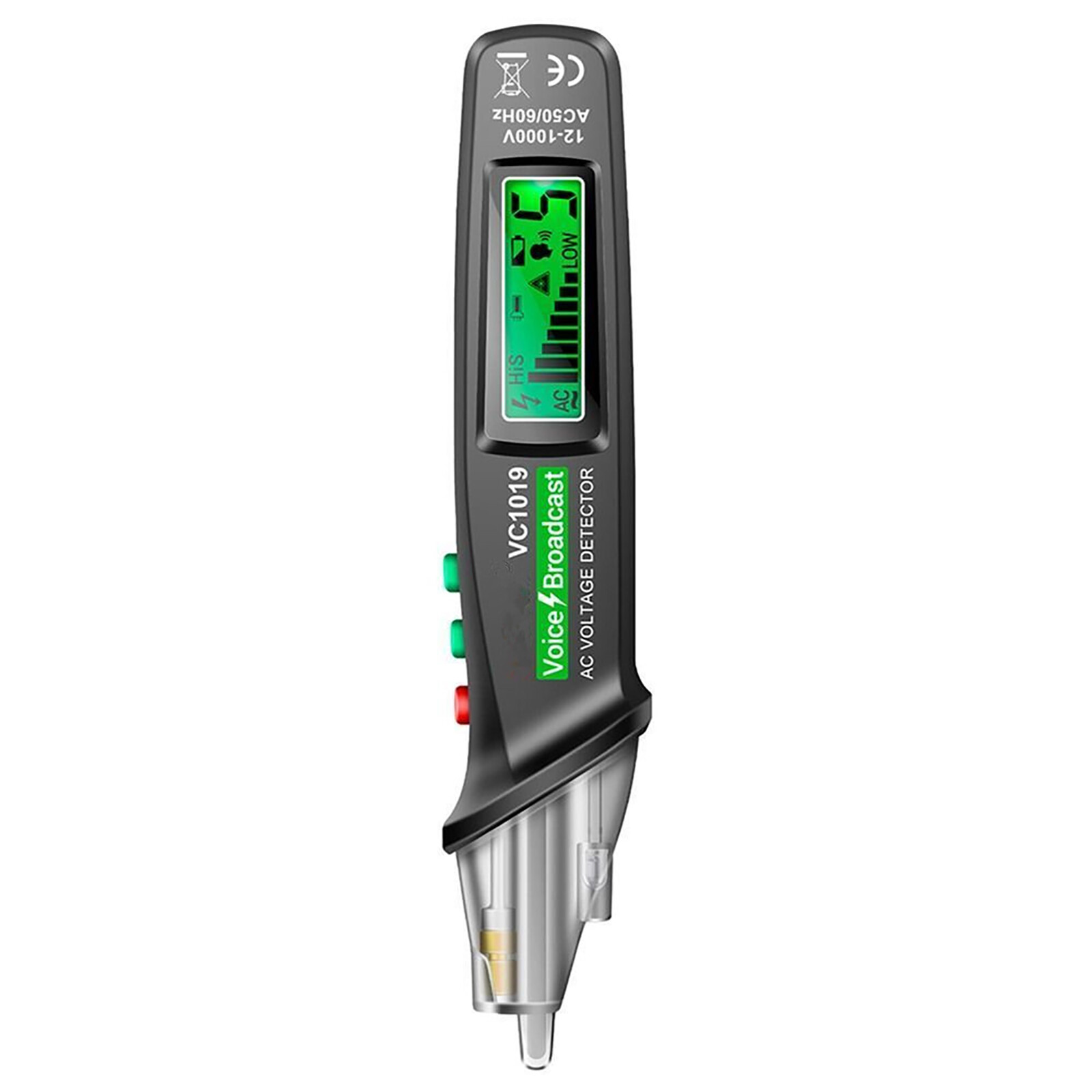
Priced at $13.58, this tester packs a lot of feedback into a small ABS body. It covers AC voltage from about 12V to 1000V and gives you three ways to know you're near a live circuit: audible tone, visual light, and a voice prompt. The non-contact sensitivity is adjustable, and the flat probe tip is well suited to testing terminals, sockets, and junction boxes. A built-in flashlight helps in dark panels, and the unit shuts off automatically after 5 minutes of inactivity. The LCD analog display shows voltage presence. One drawback: it needs 2 AAA batteries, and those aren't included. Also, the price is slightly higher than the competing dual-range model, so you're paying a little more for the extra alarm modes and positioning-friendly probe.
AC Voltage Tester/Non-Contact Voltage Tester with Dual Range AC 12V-1000V
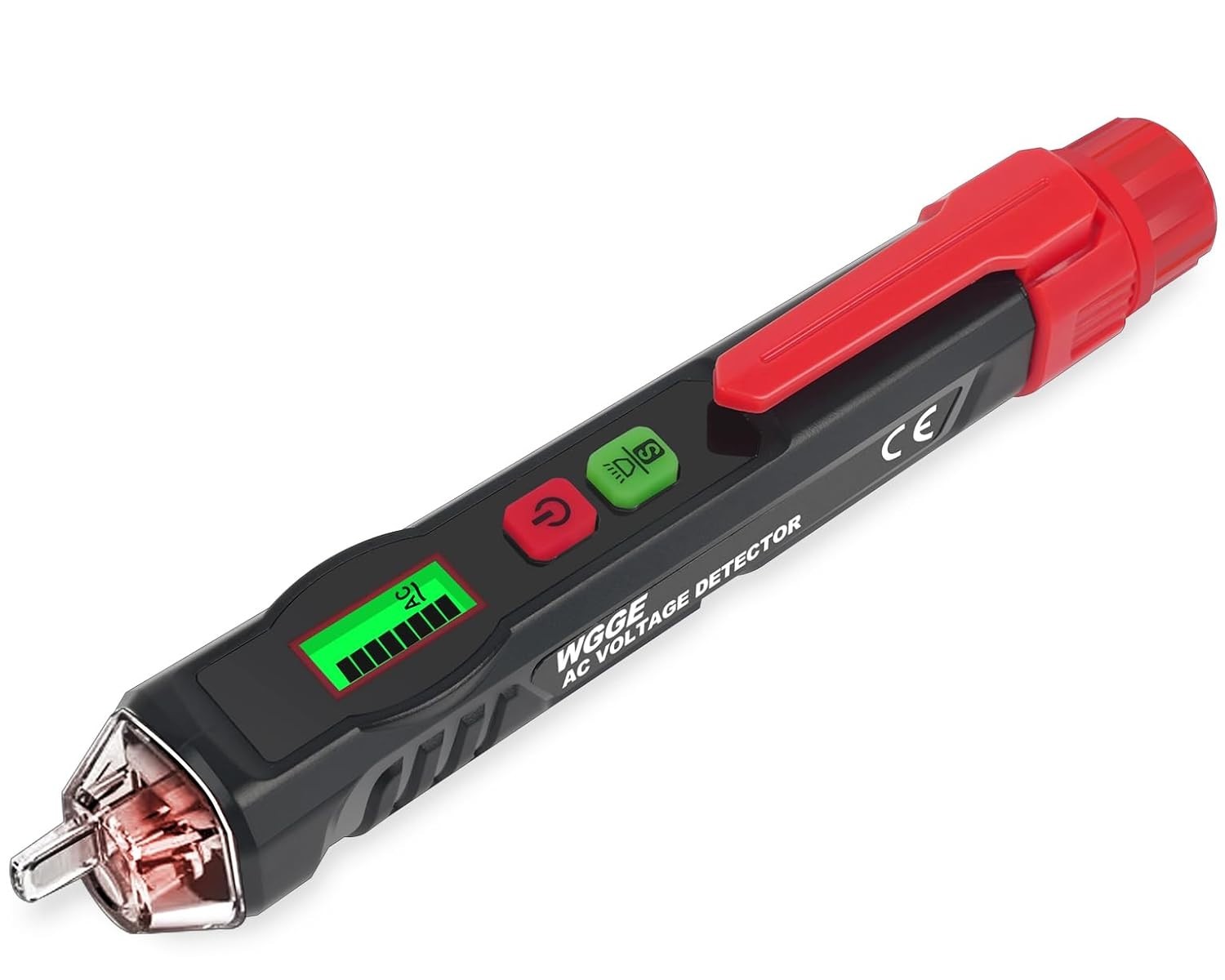
This $12.99 tester is the lower-priced option and the only one here with a digital display. It detects AC voltage in two sensitivity ranges: low from 12V to 1000V and high from 48V to 1000V. Switching between them is as simple as pressing a button, which is handy when you move from a receptacle to a crowded breaker panel. The built-in LED flashlight gets its power from the same unit, and the color-coded red/green display plus an audible buzzer tell you when the probe is near a live wire. The 5-inch length and aluminum/plastic construction give it a comfortable, pocket-friendly form. It lacks a voice prompt, so if you need spoken alerts you'd have to rely on the buzzer and light. But for the price and the dual-range flexibility, this is the one we'd grab for general troubleshooting.
Final Choice by Use Case
If you want the most straightforward everyday tester with switchable sensitivity and a lower price, the AC Voltage Tester with Dual Range is the pick. It's ideal for checking outlets, wires, and breakers, and the LED flashlight helps in dark spots. If you'd rather have a voice alarm and a flat probe that makes it easier to trace a specific cable or junction box, the Positioning Voltage Tester is worth the extra $0.59. Both do the same core job: let you identify live 12-1000V AC circuits without touching bare wires.