Choosing between two handheld multimeters is about matching the tool to the job. The $8.95 digital multimeter is a familiar LCD model that keeps the basics simple: voltage, current, resistance, continuity, and diode checks. The $29.90 VEVOR Digital Multimeter 6000-Count TRMS is the more advanced option, offering a higher-count display and a broader set of measurement modes. The price gap is meaningful, so the right choice depends on how demanding your electrical work actually is.
If you need a straightforward meter for occasional wiring checks and want to spend as little as possible, the $8.95 model is the practical pick. If you need more reading resolution and diagnostic extras for electrical troubleshooting, the VEVOR is worth the higher price. The basic meter handles everyday measurements comfortably; the VEVOR simply offers more room to grow.
Quick comparison
| Feature | Digital Multimeter LCD Voltmeter Ammeter Ohmmeter Volt AC DC Tester Lead Meter | VEVOR Digital Multimeter 6000-Count TRMS Voltmeter Current Tester NCV Multimeter |
|---|---|---|
| Price | USD 8.95 | USD 29.90 |
| Display | 3-digit LCD, max 1999 counts | 6000-count LCD |
| Measurement modes | AC/DC voltage and current, resistance, capacitance, continuity, diode, duty cycle | AC/DC voltage and current, resistance, capacitance, frequency, temperature, diode, continuity, duty cycle |
| Noteworthy features | Auto-ranging, auto power off, data hold, battery door access | True RMS, NCV, max/min recording, analog bar graph, live/neutral wire identification |
Where each product wins
- The Digital Multimeter LCD Voltmeter Ammeter Ohmmeter Volt AC DC Tester Lead Meter is the pragmatic pick when you want a low-cost, no-nonsense meter for routine household and hobby checks.
- The VEVOR Digital Multimeter 6000-Count TRMS Voltmeter Current Tester NCV Multimeter is the pick when you want more advanced measurement capabilities in a single handheld tool.
Product notes
Digital Multimeter LCD Voltmeter Ammeter Ohmmeter Volt AC DC Tester Lead Meter
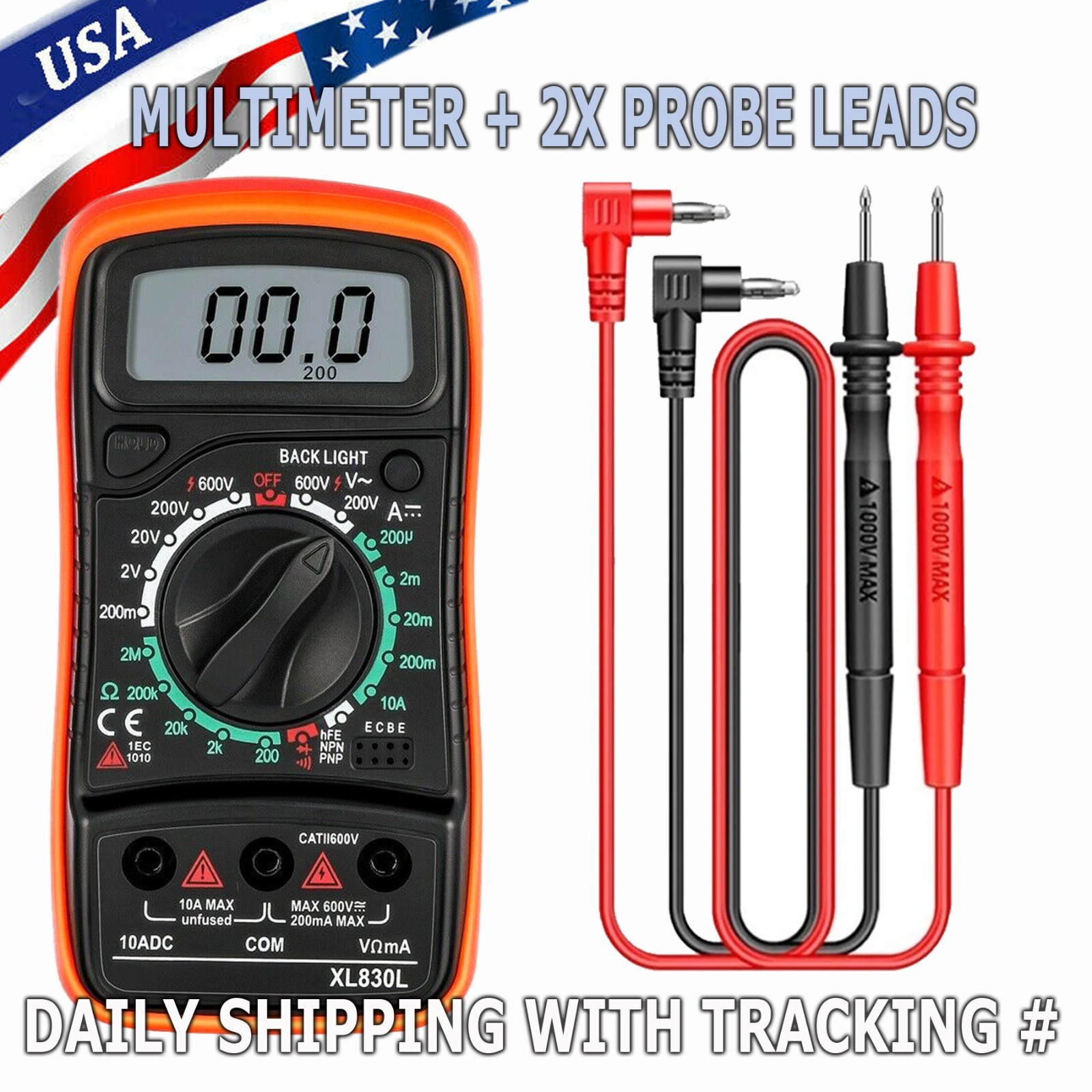
The lower price makes this handheld multimeter the natural entry point for basic electrical checks. It measures AC and DC voltage, DC current, resistance, capacitance, and performs continuity and diode tests, plus duty cycle readings. Auto-ranging saves time, data hold locks a reading, and auto power off helps preserve battery life. The battery door makes replacing the cell simpler. The main limitation is the 3-digit LCD, which reads up to 1999 counts; that is perfectly adequate for basic checks but not as refined as a higher-count display for small voltage differences. This is a practical choice for a homeowner or hobbyist who needs quick answers on routine electrical work rather than advanced diagnostics.
VEVOR Digital Multimeter 6000-Count TRMS Voltmeter Current Tester NCV Multimeter
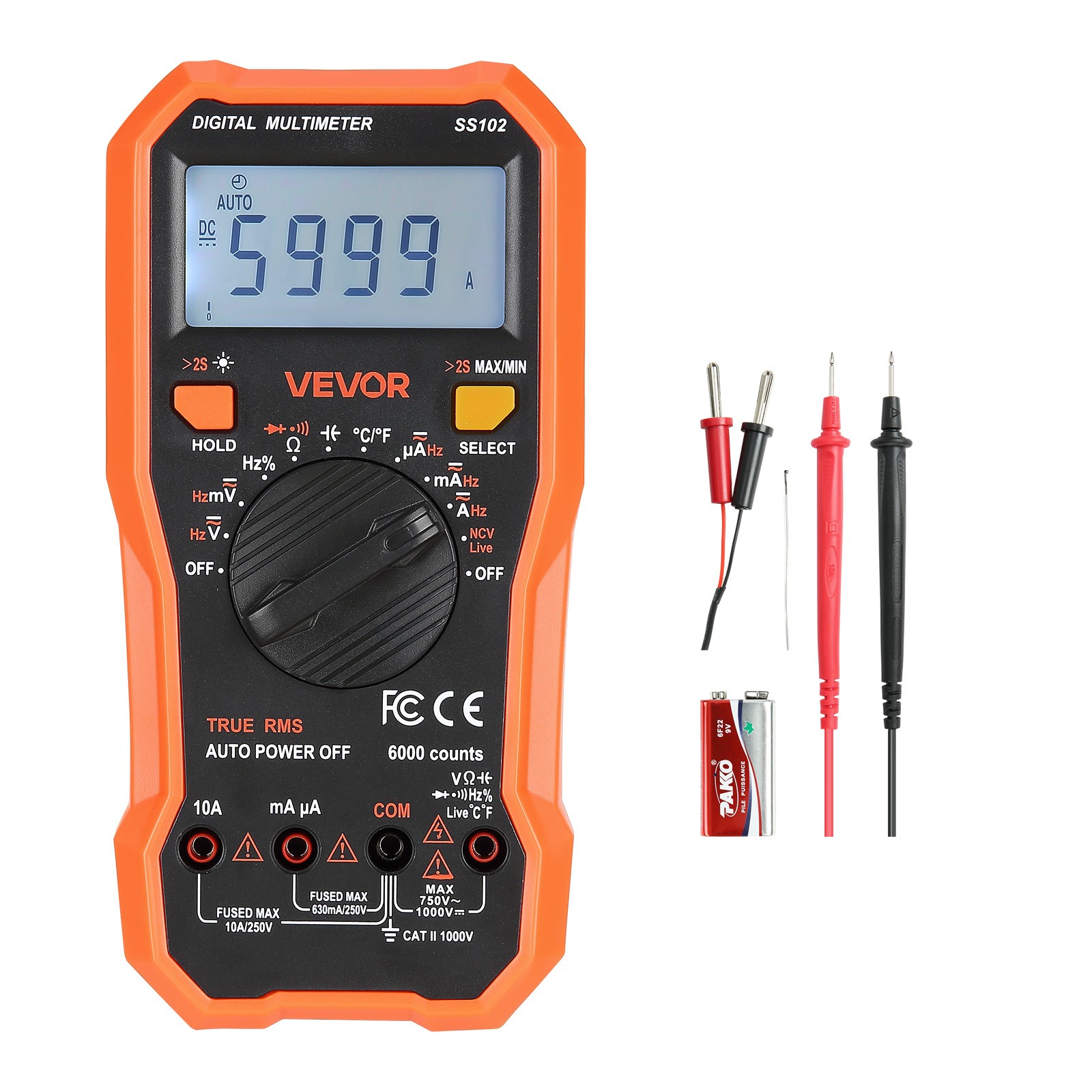
The higher price buys a much more capable electrical tester. Its 6000-count display provides more resolution, and True RMS technology helps produce more accurate readings on non-sinusoidal waveforms. Non-contact voltage detection (NCV) lets you check for live wires without directly touching them, and live/neutral wire identification adds another layer of protection. The meter measures current, voltage, resistance, capacitance, frequency, temperature, diodes, continuity, and duty cycle, making it a more versatile bench companion. The analog bar graph and max/min recording are helpful when you need to track fluctuating signals. The limitation is the higher price, and for someone who only needs occasional voltage checks, the extra capabilities may be more than necessary. For appliance repairs, electronics work, or involved electrical troubleshooting, the added measurement depth earns its keep.
Final choice by use case
For basic checks around the house, go with the lower-priced digital multimeter. For heavier electrical work, appliance diagnostics, or projects where advanced features make a real difference, the VEVOR is the one to carry.