When you're choosing an instrument in the oscilloscopes signal spectrum analyzers space, the FNIRSI DPOS350P and the Agilent N9010A EXA occupy opposite corners. One is an all-in-one bench tool that pairs a digital oscilloscope with a signal generator and spectrum analyzer. The other is a benchtop RF signal analyzer that spans a much wider frequency range but is listed for parts or not working. The decision is less about which has better specs and more about whether you need something that runs today or are ready to tackle a repair project. If you walk into this comparison expecting two similar products, the difference in state and price will quickly reset your expectations.
Quick Verdict
The FNIRSI DPOS350P is the clear choice for anyone who wants a working instrument without extra risk. The Agilent N9010A EXA is a specialist's gamble: if you can service it, the payoff is an RF analyzer with wide frequency coverage; if not, you're holding a very expensive non-working unit. For most people, the only realistic choice is the FNIRSI; the Agilent should be reserved for someone with a specific repair goal.
Comparison Table
| Feature | FNIRSI DPOS350P | Agilent N9010A EXA |
|---|---|---|
| Listed price | USD 225.00 | USD 4,850.00 |
| Condition | New - Open box | For parts or not working |
| Frequency / bandwidth | 350 MHz | 9 kHz to 7 GHz |
| Primary functions | Oscilloscope, signal generator, spectrum analyzer | RF signal analyzer |
Where Each Product Stands Out
The FNIRSI DPOS350P stands out for its all-in-one design. The Agilent N9010A EXA stands out for its RF analysis scope and the installed options that give it a broad feature set.
Product Notes
FNIRSI DPOS350P 4-in-1 Digital Oscilloscope
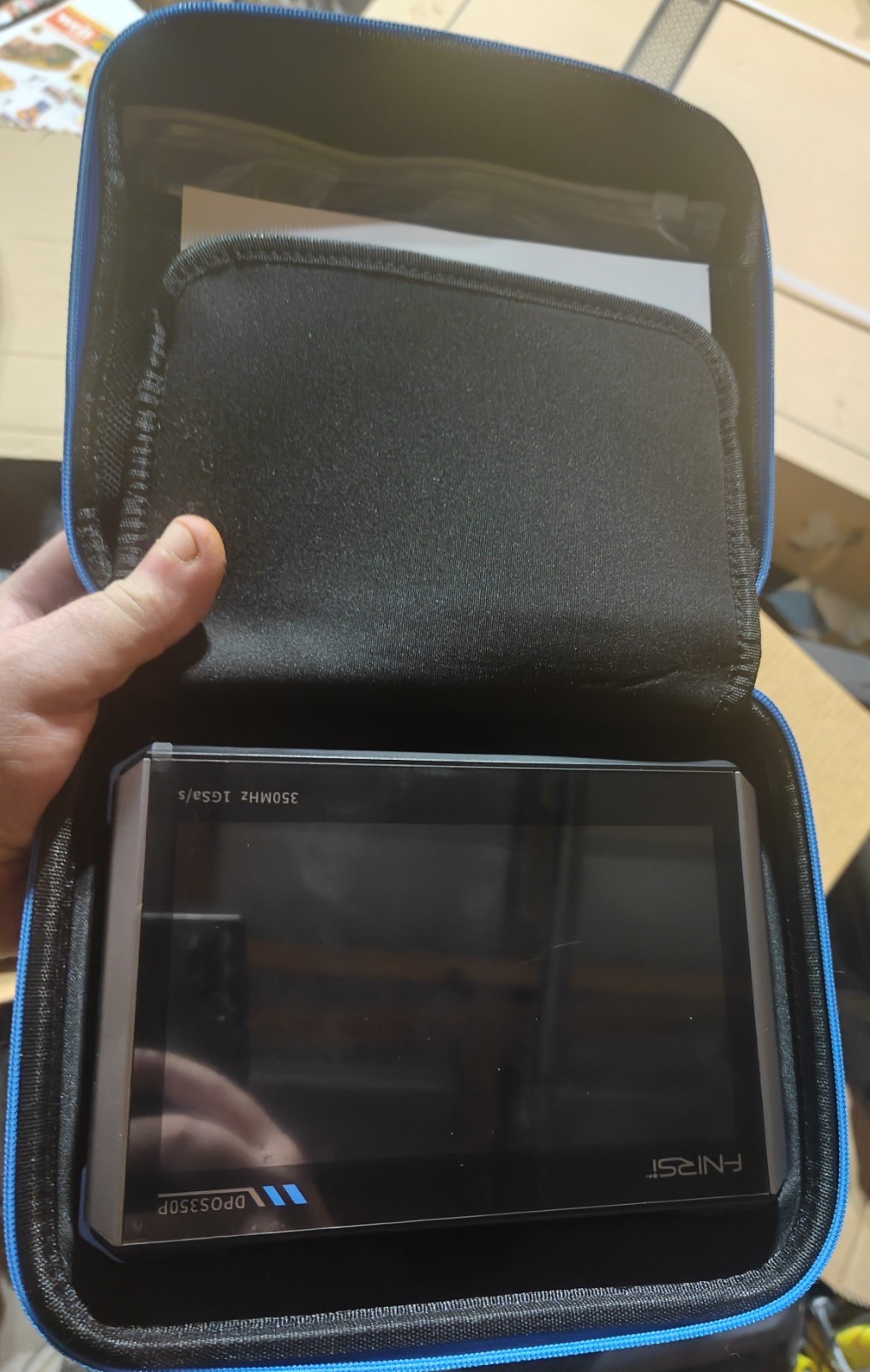
The FNIRSI DPOS350P is built around a two-channel digital oscilloscope, and it adds a signal generator and a spectrum analyzer in the same box. The 7-inch display with 1024×600 resolution gives you a clear view of captured waveforms and spectrum traces. With a real-time sampling rate of 1GSa/s and 12 types of parameter measurements, it covers a lot of ground for everyday electronics work. If you need to generate waveforms, capture them, and look at their frequency content, this single unit covers all three tasks. The reason to choose it is that one tool addresses those three jobs. The main limitation is the two-channel input; you can't monitor more than two signals at once. For everyday work, that's a reasonable trade-off.
Agilent N9010A EXA RF Signal Analyzer
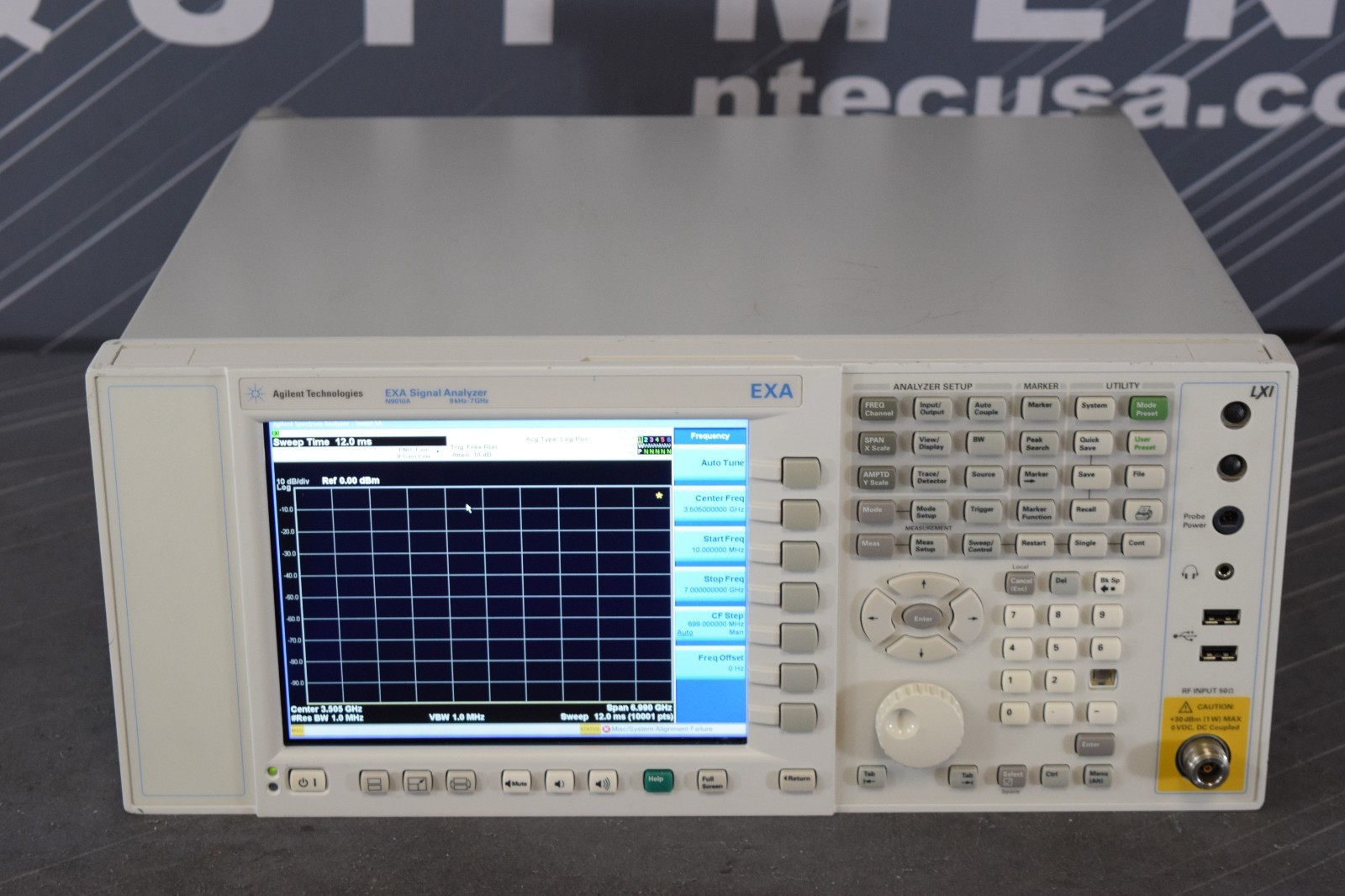
The Agilent N9010A EXA is a benchtop RF signal analyzer with a 9 kHz to 7 GHz range, an impressive list of installed options including /507, /B25, /PFR, and multiple N9060A/N9073A analysis suites. This is the N9010A model, and the surplus listing gives you the exact installed options so you know what you're potentially getting. That combination is exactly why someone would pay $4,850 for a non-working unit. The reason to consider it is the potential to repair an otherwise expensive instrument and gain those RF capabilities. The limitation is impossible to ignore: the unit does not display a signal trace, reports system errors, has a ripped front-panel key, and is sold as-is with all sales final. Unless you have significant RF repair experience, the risk is very high.
Final Choice by Use Case
If your priority is a working bench instrument for everyday signal work, the FNIRSI DPOS350P is the one to choose. If you have the technical skill and budget to take on an RF analyzer project, the Agilent N9010A could be a rewarding project. For most shoppers, the FNIRSI is the safer, more practical buy. Weigh the listed condition and the repair burden before you commit.