In the market for oscilloscopes signal spectrum analyzers, two used instruments often come up: the tested Ivie IE-30A/IE-30B set and the BSR EQ-3000. One is a dedicated measurement pair; the other is a stereo equalizer with a built-in spectrum display. Both put frequency information in front of you, but they answer different questions. Do you need bench-level precision, or do you want a visual tool for shaping music? Here's how to pick.
Quick Verdict
If you're chasing precise signal behavior, the Ivie set is the one to get. If you want to see frequency response while listening to music, go with the BSR EQ-3000. The price gap is large-$650 versus $59.99-but it's not just about cost; it's about whether you're building a test bench or a stereo rack.
At a Glance
| Product | Price | Type | What's Onboard |
|---|---|---|---|
| Vintage Ivie IE-30A/IE-30B | $650.00 | Spectrum analyzer and noise generator | Dedicated analyzer plus noise generator |
| BSR EQ-3000 Stereo Frequency Equalizer Spectrum Analyzer Rack Mount Japan | $59.99 | Stereo frequency equalizer / spectrum analyzer | Equalizer and spectrum display in a rack-mount case |
Where Each Product Wins
Ivie IE-30A/IE-30B: For bench work
The Ivie set earns its place when your goal is to measure a signal path. You're looking at an instrument pair that belongs in a testing setup, not a living-room rack. The two units are sold together, so you don't have to assemble the pair yourself.
BSR EQ-3000: For stereo systems
The BSR's strength is integration. You get the spectrum view inside an equalizer, so you can make tonal adjustments and see the result immediately. It's a single box that does two jobs for an audio enthusiast.
Product Notes
Vintage Ivie IE-30A Spectrum Analyzer and IE-30B Noise Generator
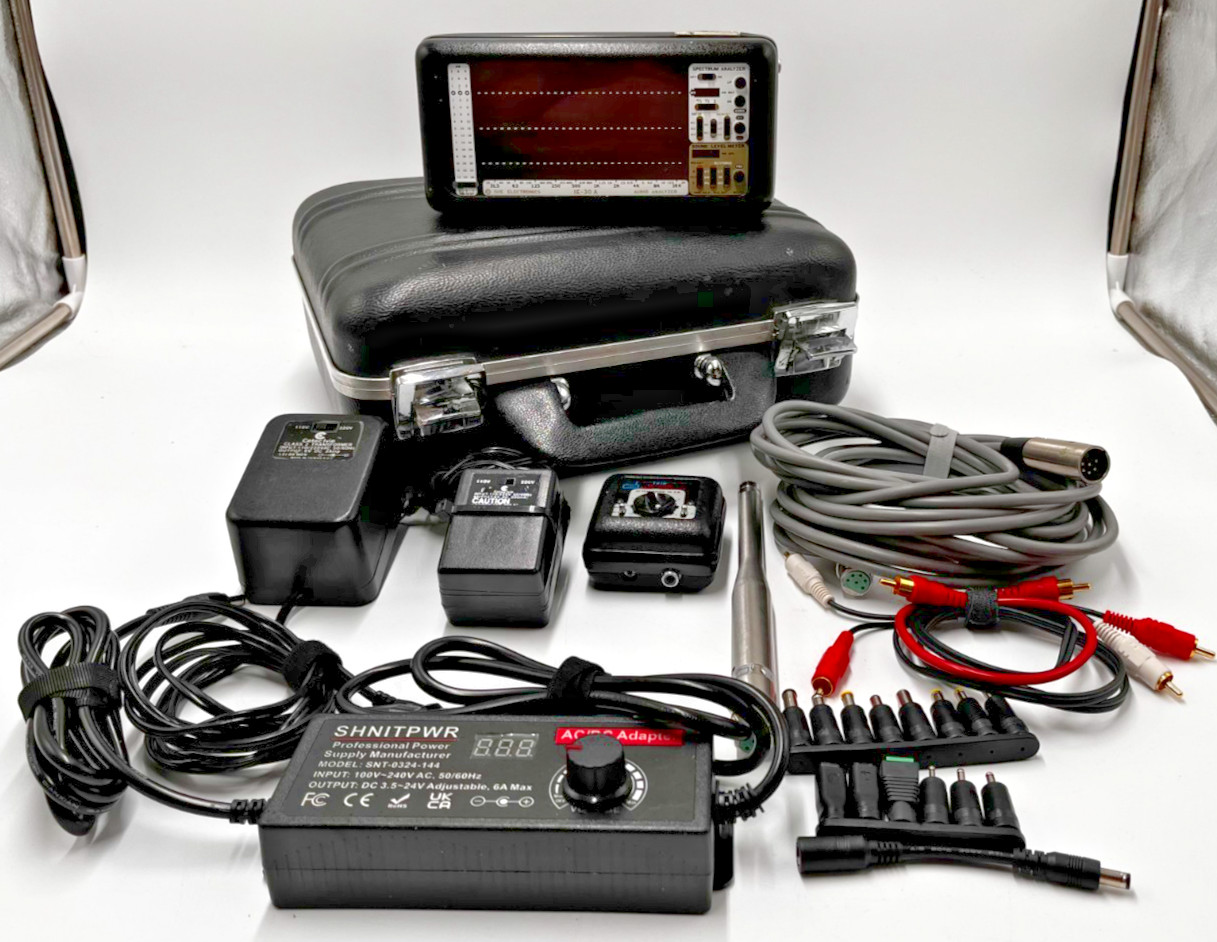
If you need a dedicated measurement pair, this is it. The Ivie IE-30A gives you a detailed look at the frequency spectrum of a signal, while the IE-30B noise generator produces a known noise signal for testing things like room response, filter behavior, or amplifier output. The units are described as tested, and they come together as a matched pair, so you don't have to hunt for a separate generator. The obvious limitation is age: these are used vintage instruments, and you'll need to be comfortable with 1980s-era electronics and the possibility of having to repair a component or replace an old battery. If your work depends on repeatable signal analysis, this is a far more appropriate tool than a stereo equalizer.
BSR EQ-3000 Stereo Frequency Equalizer Spectrum Analyzer Rack Mount Japan
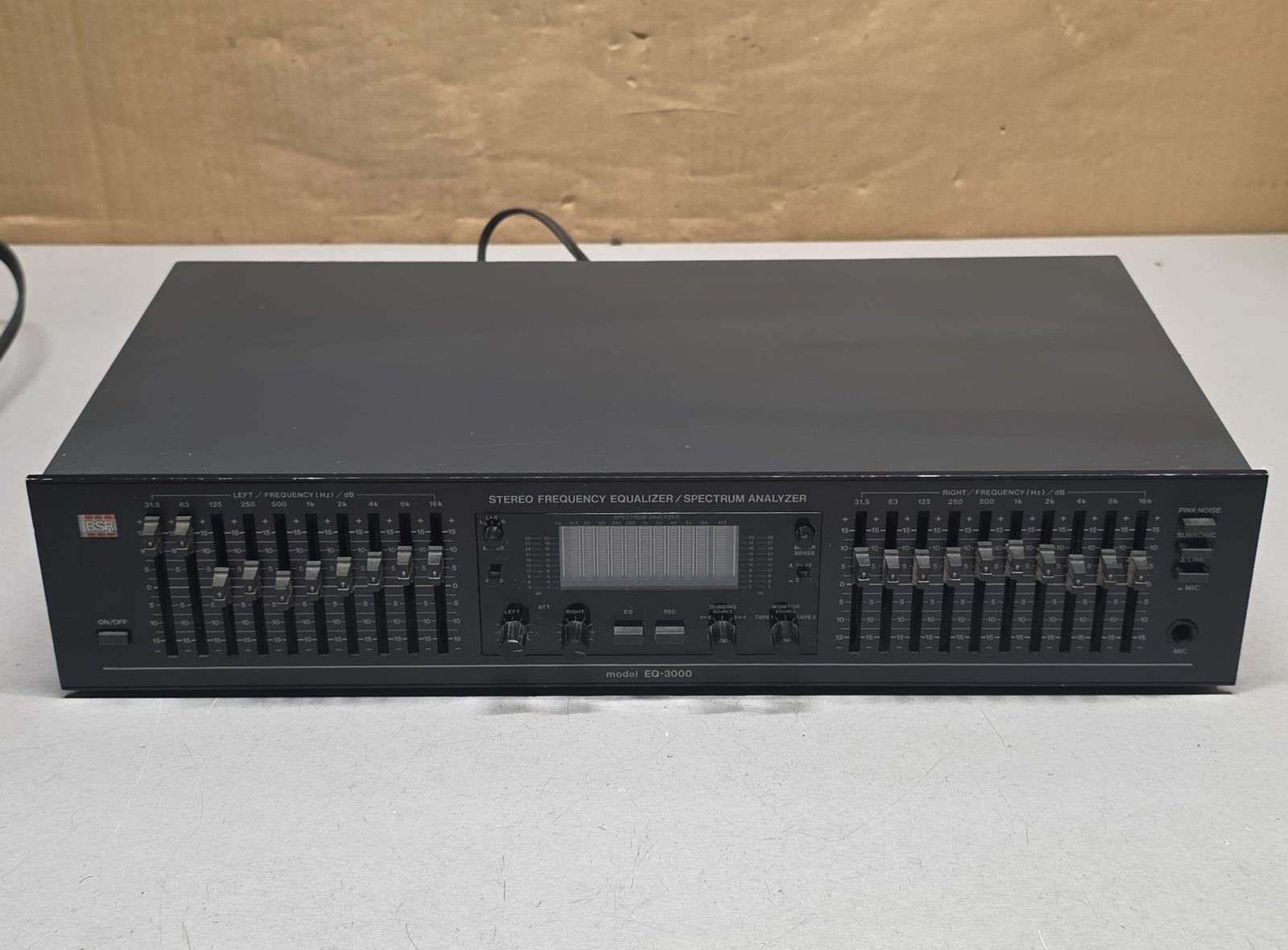
The BSR EQ-3000 takes a different approach: it's a stereo frequency equalizer that also happens to include a spectrum analyzer, all in a black metal rack-mount chassis. You get dedicated frequency sliders to adjust the tone, and the spectrum display shows you the levels of different bands as you listen. The trade-off is that this is not a precision measurement instrument. Its primary role is to shape and visualize music, not to deliver calibration-grade data. For someone building a vintage audio rack, this single unit provides both tone control and a visual representation of the spectrum, which is a satisfying combination. If that's your goal, the BSR is the more fitting choice.
Final Choice by Use Case
Match the tool to the job: the Ivie set for measurement work, the BSR for stereo tuning. Your decision should come down to whether your priority is bench accuracy or audio aesthetics.