If you're shopping for multimeters electrical testers, the first fork in the road is whether you need a dedicated voltage tester or a full multimeter. A non-contact voltage tester is the faster tool for live-wire checks, while a clamp multimeter gives you more readings for deeper troubleshooting. Both sit in the same sub-$14 range, so the decision comes down to how you actually work.
Quick Verdict
For checking whether outlets, switches, and wires are live, the Non-Contact Voltage Tester is the simpler and more focused pick at $12.99. If you need to measure AC and DC voltage, resistance, or current with a clamp, the Digital Clamp Multimeter at $13.87 is the more versatile choice. The $0.88 spread between them makes price a minor factor.
At a Glance
| Product | Price | Best For | Key Features |
|---|---|---|---|
| AC Voltage Tester | $12.99 | Live-wire detection | Dual range 12V-1000V, non-contact probe, flashlight, color-coded alerts |
| Digital Clamp Multimeter | $13.87 | Multi-function measurements | Auto-ranging, clamp for AC current, large LCD, data hold |
Where Each Product Wins
The AC Voltage Tester wins for safety-focused quick checks. Its non-contact sensing lets you hover near outlets, terminals, and wires to confirm live or neutral status without touching conductors. The dual-range switch covers both low-voltage and standard residential circuits, and the built-in flashlight helps in dim panels.
The Digital Clamp Multimeter wins for versatility. It measures AC and DC voltage, resistance, and current, and its clamp reads AC current in a conductor up to 26mm without breaking the circuit. Auto-ranging simplifies the guessing, while data hold and a large LCD make readings easier to capture.
Product Notes
AC Voltage Tester/Non-Contact Voltage Tester with Dual Range AC 12V-1000V
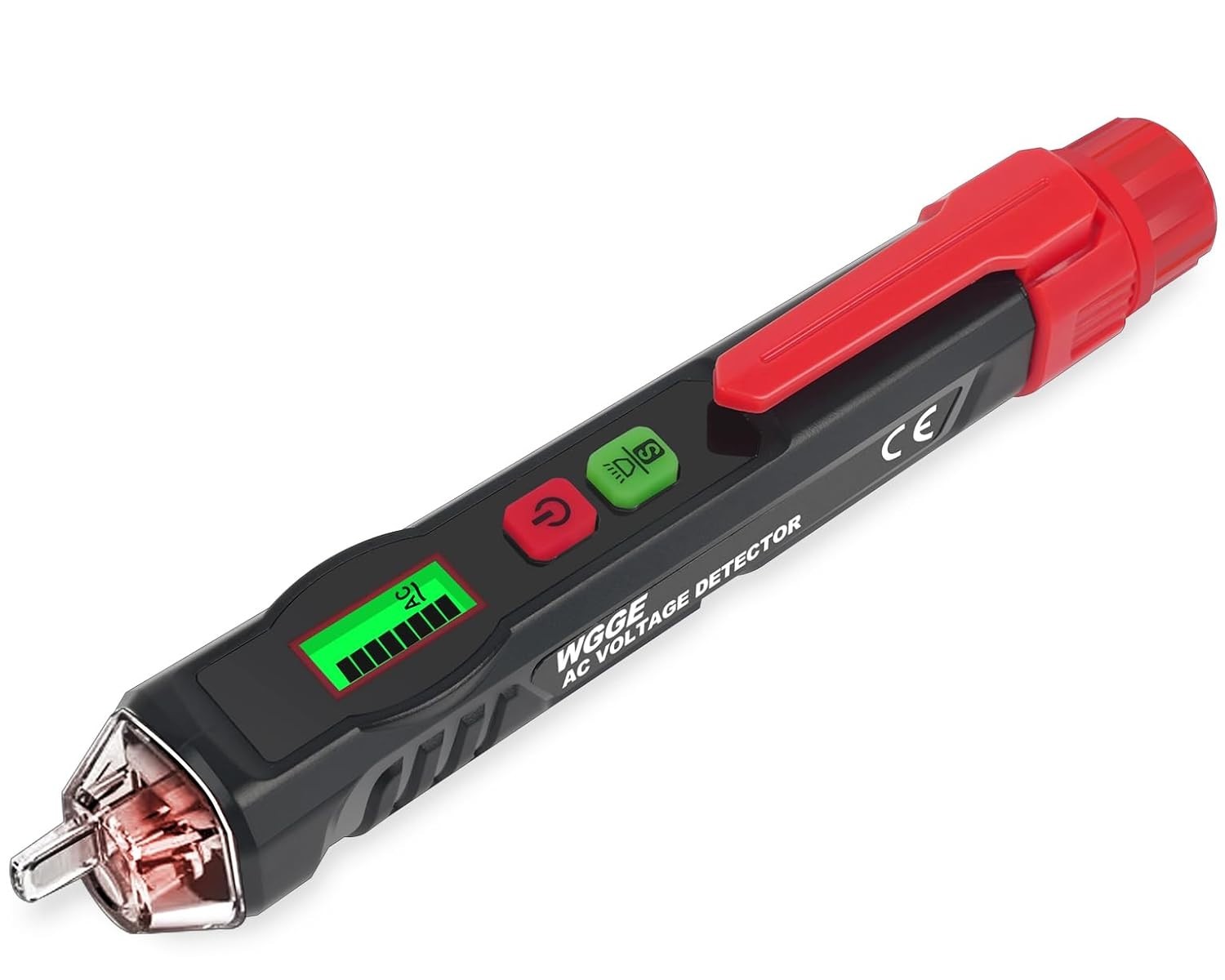
The XF voltage tester makes live-wire checks nearly effortless. Its dual-range detection covers both low (12-1000V) and high (48-1000V) AC voltage, and you can switch sensitivity modes with a button press. Bring the probe near an outlet, wire, or terminal, and a red light plus buzzer signals high voltage while green indicates low or neutral line. The beeping speeds up as you get closer, helping you pinpoint the source. A bright LED flashlight lets you work in dimly lit areas, and the compact 5-inch body is easy to carry. The trade-off is that its specialty is AC voltage detection, so if you need resistance, DC voltage, or current readings, you'll want a multimeter instead.
Digital Multimeter Tester AC DC Volt Ohm Amp Clamp Meter Auto Range LCD Handheld
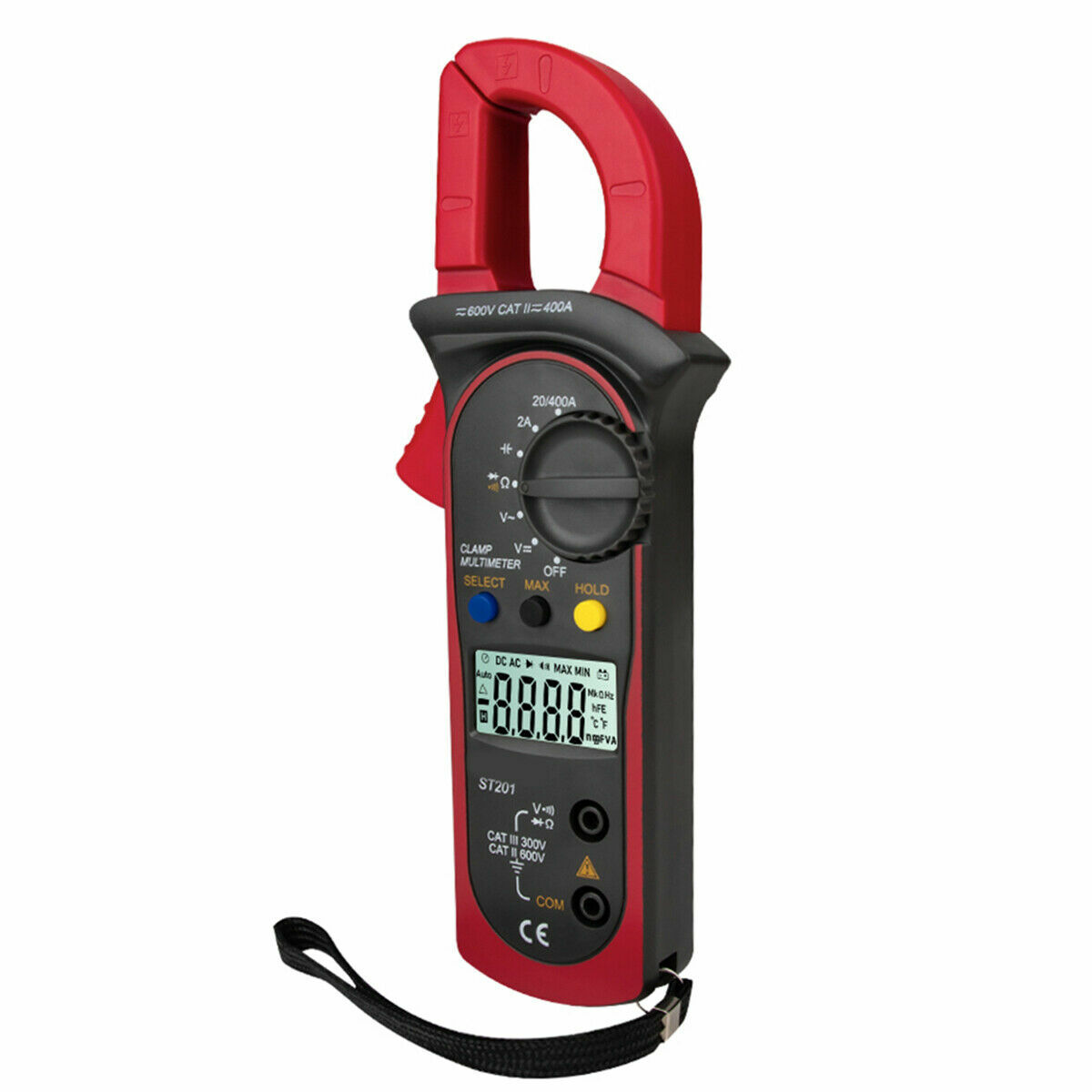
The digital clamp multimeter covers far more ground without a big price jump. It handles AC and DC voltage, resistance, and current, and the clamp lets you measure AC current in a conductor without interrupting the circuit. Auto-ranging selects the appropriate scale, and the large LCD, data hold, and max-reading functions make it easier to work in tight spots. It includes a carrying pouch and automatically enters sleep mode after 15 minutes to conserve battery. One limitation to note: it requires two AAA batteries that are not included, so you'll need to keep spares on hand. For tasks that go beyond simple voltage checks, this is the more capable tool.
Final Choice by Use Case
If your primary job is verifying that circuits are off or finding live wires at outlet boxes, choose the Non-Contact Voltage Tester. If you're diagnosing electronics, automotive circuits, or appliance faults that need resistance, DC voltage, or current measurements, choose the Digital Clamp Multimeter.