Thermal borescope visual inspection often comes down to a practical trade-off: do you need more thermal detail, zoom, and a higher temperature ceiling, or is a simpler lower-priced camera the better fit? The P1 and Cusbon TI1 both list 25Hz frame rates and -20°C starting temperatures, but their imaging and measurement specifications point to different priorities.
Quick verdict
Pick the P1 320×240 X³IR Resolution Thermal Imaging Camera when inspection work benefits from its 320×240 X³ IR resolution, 15X digital zoom, adjustable macro lens, and temperature range reaching 600°C. Its listed price is USD 129.00.
Choose the Cusbon TI1 120×90 Thermal Imaging Camera when a 120×90 infrared resolution and 400°C upper range suit the work at hand. At USD 65.95, it sits USD 63.05 below the P1's listed price.
At-a-glance comparison
| Feature | P1 320×240 X³IR Resolution Thermal Imaging Camera | Cusbon TI1 120×90 Thermal Imaging Camera |
|---|---|---|
| Listed price | USD 129.00 | USD 65.95 |
| Thermal resolution | 320×240 X³ IR resolution | 120×90 pixels |
| Temperature range | -20°C to 600°C | -20°C to 400°C |
| Frame rate | 25Hz | 25Hz |
| Close-view feature | Adjustable macro lens; 15X digital zoom | Recommended measuring distance is listed in specifications |
| Condition | New | New - Open box |
Where each thermal camera wins
P1: higher temperature work and closer inspection detail
The P1's clearest edge is its 600°C upper measurement limit, which is 200°C higher than the TI1's listed maximum. That makes it the more fitting choice when your visual inspection can involve hotter components or surfaces. Its 320×240 X³ IR resolution also gives it a more detailed stated thermal image format than 120×90, while the adjustable macro lens and 15X digital zoom make a focused, close-view setup central to the P1's feature set. The 25Hz frame rate matches the TI1, so motion smoothness is not the deciding contrast here.
Cusbon TI1: lower listed entry price and straightforward thermal coverage
The Cusbon TI1 is the straightforward pick for shoppers whose planned temperature range stays within -20°C to 400°C. Its 120×90 pixel infrared resolution is paired with 0.1°C measurement resolution and an uncooled infrared sensor. With the same listed 25Hz frame rate as the P1, it retains that shared refresh-rate specification at a lower listed price. The key compromise is not frame rate but imaging resolution, maximum temperature, and the lack of the P1's listed macro lens and 15X zoom features.
Product notes
P1 320×240 X³IR Resolution Thermal Imaging Camera

The P1 makes sense for thermal borescope visual inspection where a higher-temperature ceiling and more detailed image output matter most. Its title and specifications pair 320×240 X³ IR resolution with a -20°C to 600°C measurement range, and the stated 15X digital zoom plus adjustable macro lens add useful options for examining a tighter area. The Thermal Master/Temp Master app is also named in its attributes. A concrete limitation is the USD 129.00 listed price, the higher of the two choices. Shoppers focused on routine temperature checks within a 400°C ceiling may not need the P1's extended range or additional close-view features.
Cusbon TI1 120×90 Thermal Imaging Camera
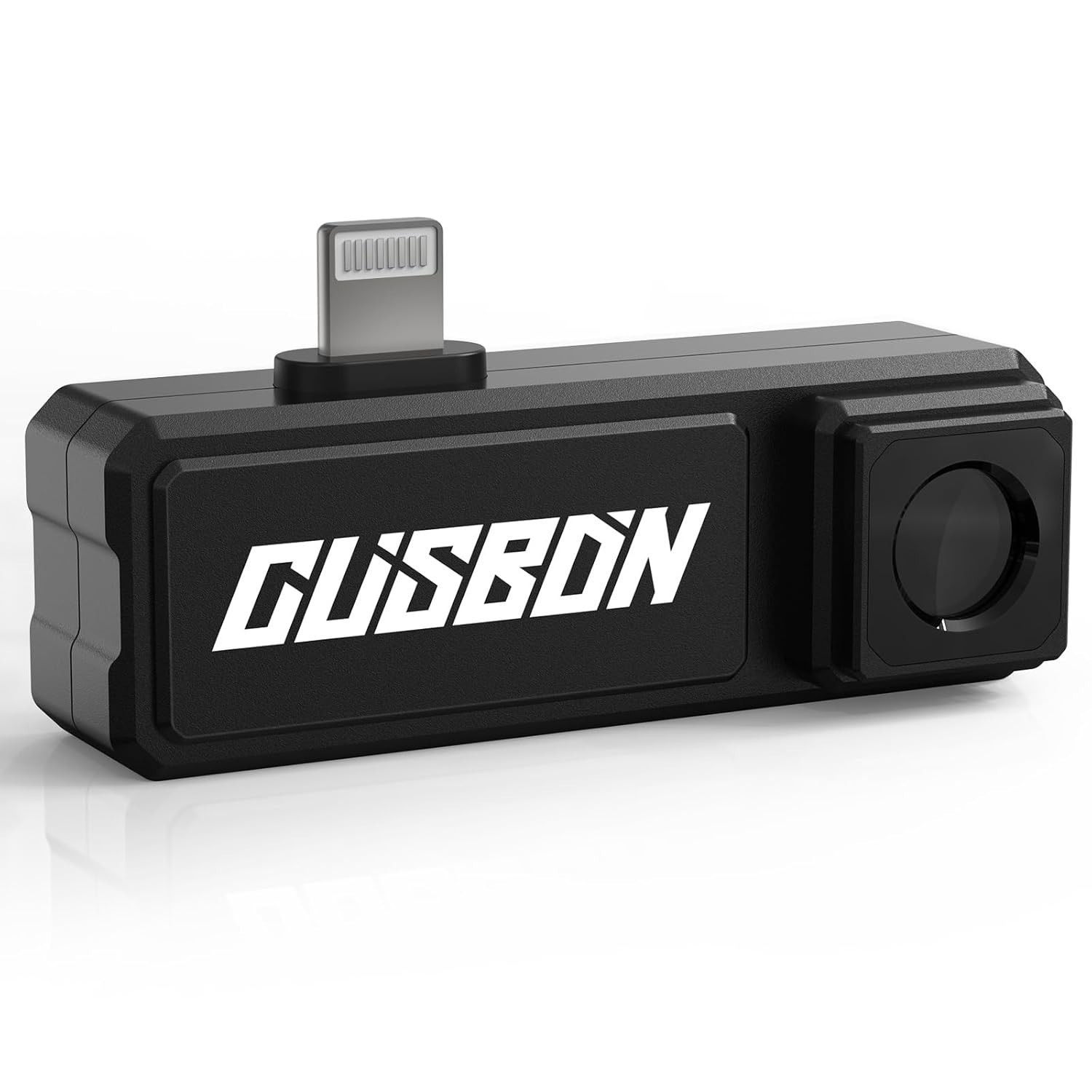
The Cusbon TI1 is suited to shoppers who want a handheld thermal camera for work spanning -20°C to 400°C without moving to the P1's USD 129.00 price point. It lists 120×90 infrared resolution, a 25Hz frame rate, 60mK thermal sensitivity, and 0.1°C measurement resolution. The lower USD 65.95 listed price is the strongest reason to select it when that resolution and range meet your inspection needs. Its limitation is the 400°C upper range, along with a 120×90 pixel format rather than the P1's stated 320×240 X³ IR resolution. The listed condition is New - Open box.
Final choice by use case
Select the P1 for higher-heat inspections, stated 320×240 X³ IR output, macro viewing, and 15X zoom. Select the Cusbon TI1 for general thermal visual inspection within a 400°C maximum range and a USD 65.95 listed price. Both list 25Hz operation, so the decision is primarily about thermal resolution, temperature ceiling, inspection features, and price.