Your lab bench is ready for solvent work, but you can only make one major equipment decision right now. In the lab heating, cooling, and vacuum space, the immediate choice is whether you need an evaporation station or a cooling source. If you need to concentrate samples or recover solvent, a rotary evaporator is the logical centerpiece. If you already own an evaporator, condenser, or another instrument that needs stable temperatures, a recirculating chiller may be the more useful addition. Both are practical options, but they solve different problems. That's the fork in the road between the Taishi 2L Rotary Evaporator and the Lauda Ecoline Staredition RE106 Recirculating Chiller.
Quick verdict
Choose the Taishi 2L Rotary Evaporator if you're building an evaporation station from scratch. It gives you the core glassware and lifting hardware for solvent removal. Choose the Lauda RE106 if you already have equipment that needs stable chilled circulation; it focuses on cooling rather than evaporation. If you already have a rotovap and simply need to keep it cool, the Lauda is the more direct addition to your bench.
Side-by-side comparison
| Product | Listed price | Configuration | Condition | Price level |
|---|---|---|---|---|
| Taishi 2L Rotary Evaporator | USD 516.99 | Rotary evaporator with 1L evaporation flask, 1L collecting bottle, manual lifting, stainless steel bracket, high-temperature-resistant glass | New | |
| Lauda Ecoline Staredition RE106 Recirculating Chiller | USD 439.99 | Recirculating chiller with E 100 control head and refrigerated temperature control | Used |
Where each wins
The Taishi rotovap wins when your immediate task is evaporation. The Lauda wins when cooling capacity matters more than evaporation. As a recirculating chiller, it is built to keep a separate instrument's temperature stable, and it comes in at a lower price than the rotovap.
Product notes
Taishi 2L Rotary Evaporator
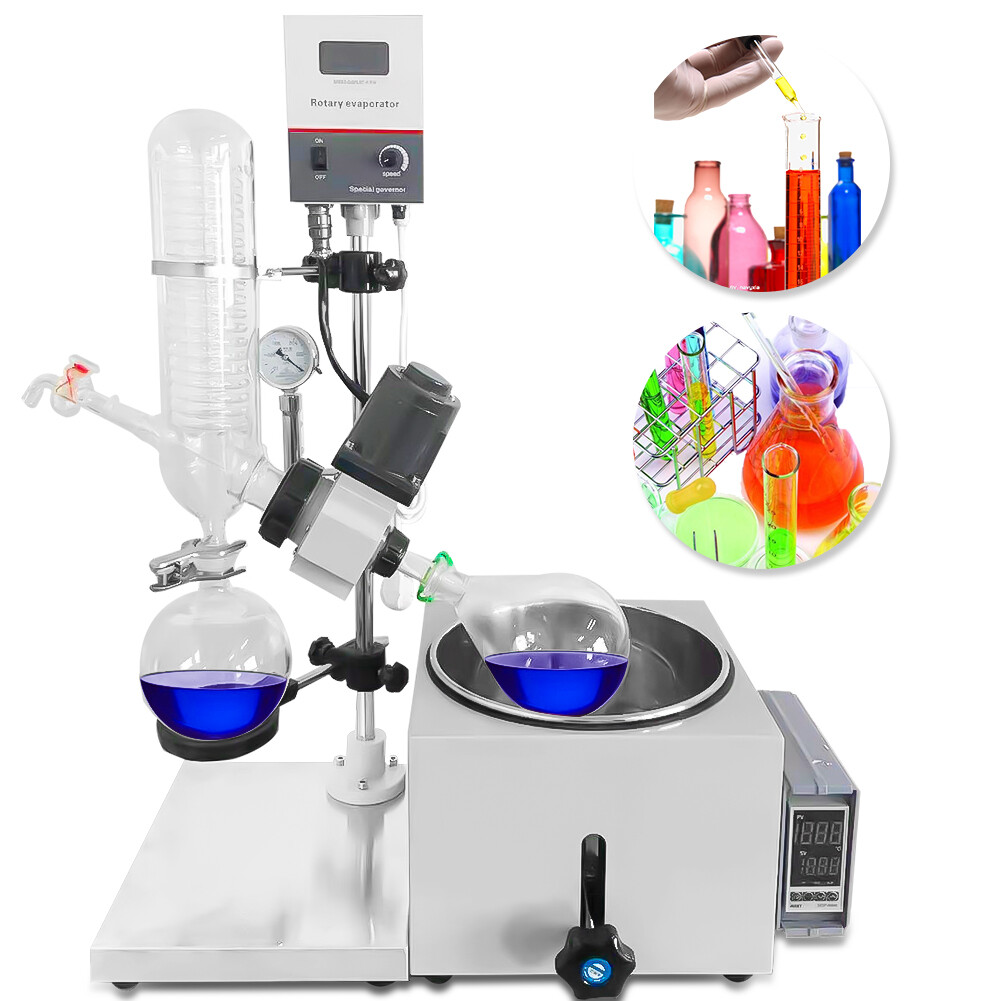
If your lab needs a complete evaporation package, this new unit puts the essentials together. It comes with a 1L evaporation flask and a 1L collecting bottle, so you can move solvent from the evaporation side to the collection side without buying a second piece of glassware. The manual lifting mechanism gives you hands-on control, and the stainless steel bracket provides a solid mounting point. This rotovap is built to connect to a vacuum pump and chiller, so account for those pieces when planning the full station. The main limitation is that the complete evaporation loop depends on the vacuum pump and chiller you pair with it. This makes the rotovap a strong starting point when you don't yet have a solvent-recovery line.
Lauda Ecoline Staredition RE106 Recirculating Chiller
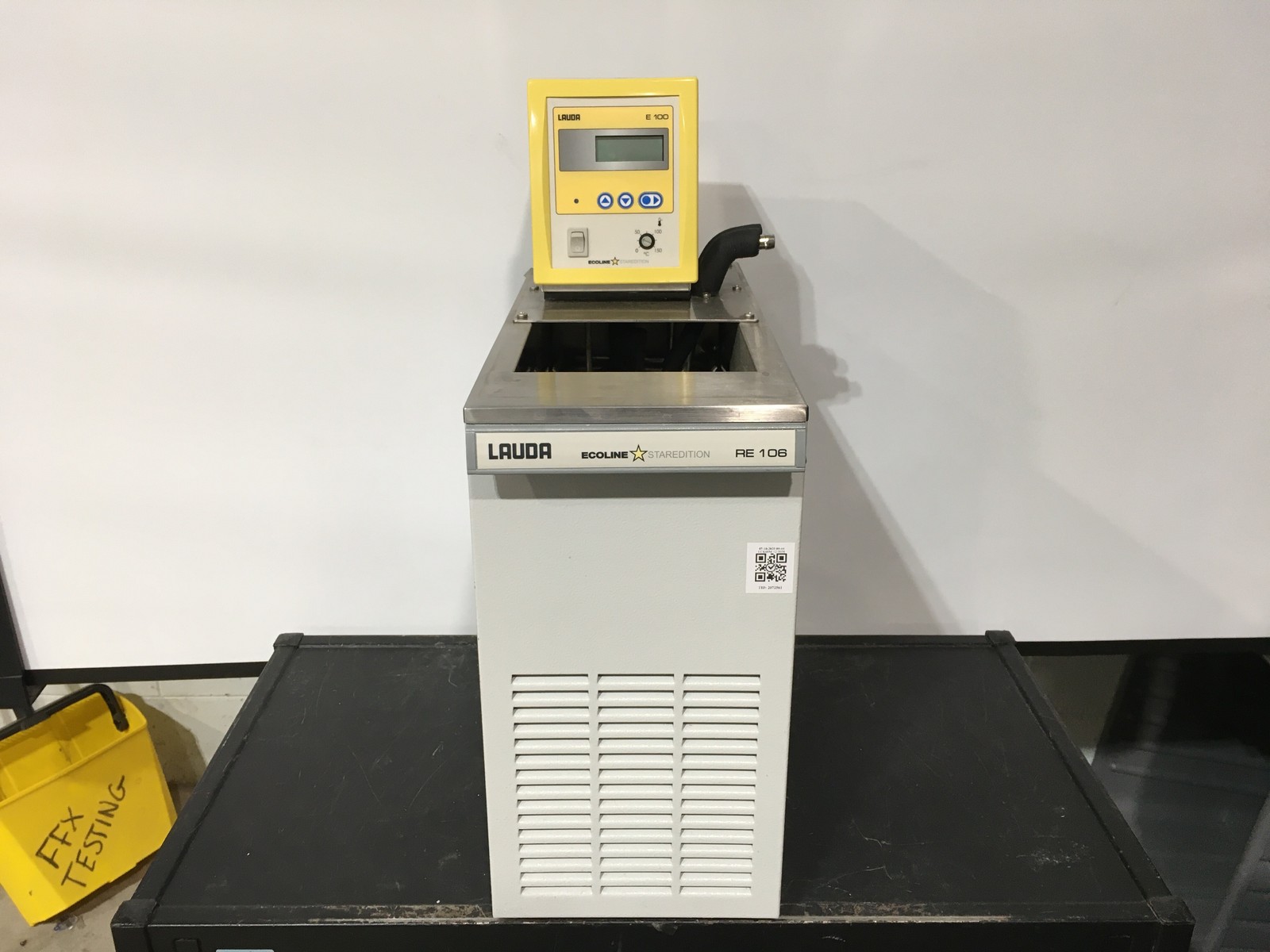
This is the piece to select when you need temperature-controlled recirculation for equipment you already have. The E 100 control head handles the setup, and the refrigerated temperature control is aimed at temperature-sensitive lab and industrial applications. It's a used unit made in Germany, sold with the understanding that it was inspected and verified as working by a third party. The sale terms ask you to accept the unit without trying it first; a refund is available if it doesn't work. If you're comfortable with that level of used-equipment risk, the RE106 is a focused way to add cooling capacity to an existing lab setup. For labs that already own an evaporator, the chiller fills the missing cooling stage rather than duplicating it.
Final choice by use case
If the job on your bench is solvent removal or recovery, start with the Taishi rotary evaporator and build the rest of the loop around it. If the job is keeping existing equipment cool, the Lauda recirculating chiller is the more targeted purchase. Choose the tool that matches the workflow you already have.