
Photos from current listings. Actual item, color, and included accessories may vary.
Portable Vacuum Pump Buying Guide
A portable vacuum pump is a compact, transportable vacuum source for lab filtration, rotary evaporation, vacuum drying, and degassing—trade-offs center on ultimate vacuum depth (roughing vs high-vacuum), chemical resistance of wetted materials, and heat management during extended runs. The decisive rule: buy a chemically resistant dry (oil-free) diaphragm or scroll pump rated for continuous duty at your required vacuum level; skip oil-lubricated or single-stage economy pumps only if you pull solvent vapors or run long protocols.
Median $159.49 · New & pre-owned listings
Key takeaways
- Ultimate vacuum tiers: diaphragm roughing pumps reach roughly 1–10 mbar; two-stage rotary-vane oil pumps reach 0.001–0.01 mbar; scroll pumps bridge the gap oil-free at higher cost.
- Wetted-path materials determine chemical life: PTFE-lined or all-PTFE heads handle acids and most solvents; standard EPDM/nitrile diaphragms swell or degrade with acetone, DCM, and strong acids.
- Duty cycle and motor type matter: continuous-rated brushless DC or induction motors with thermal protection survive multi-hour rotary-evaporation runs; intermittent-duty budget pumps overheat and lose vacuum.
At a glance
- Category
- Lab Heating, Cooling & Vacuum Equipment
- Last updated
- Nov 27, 2026
Current offers
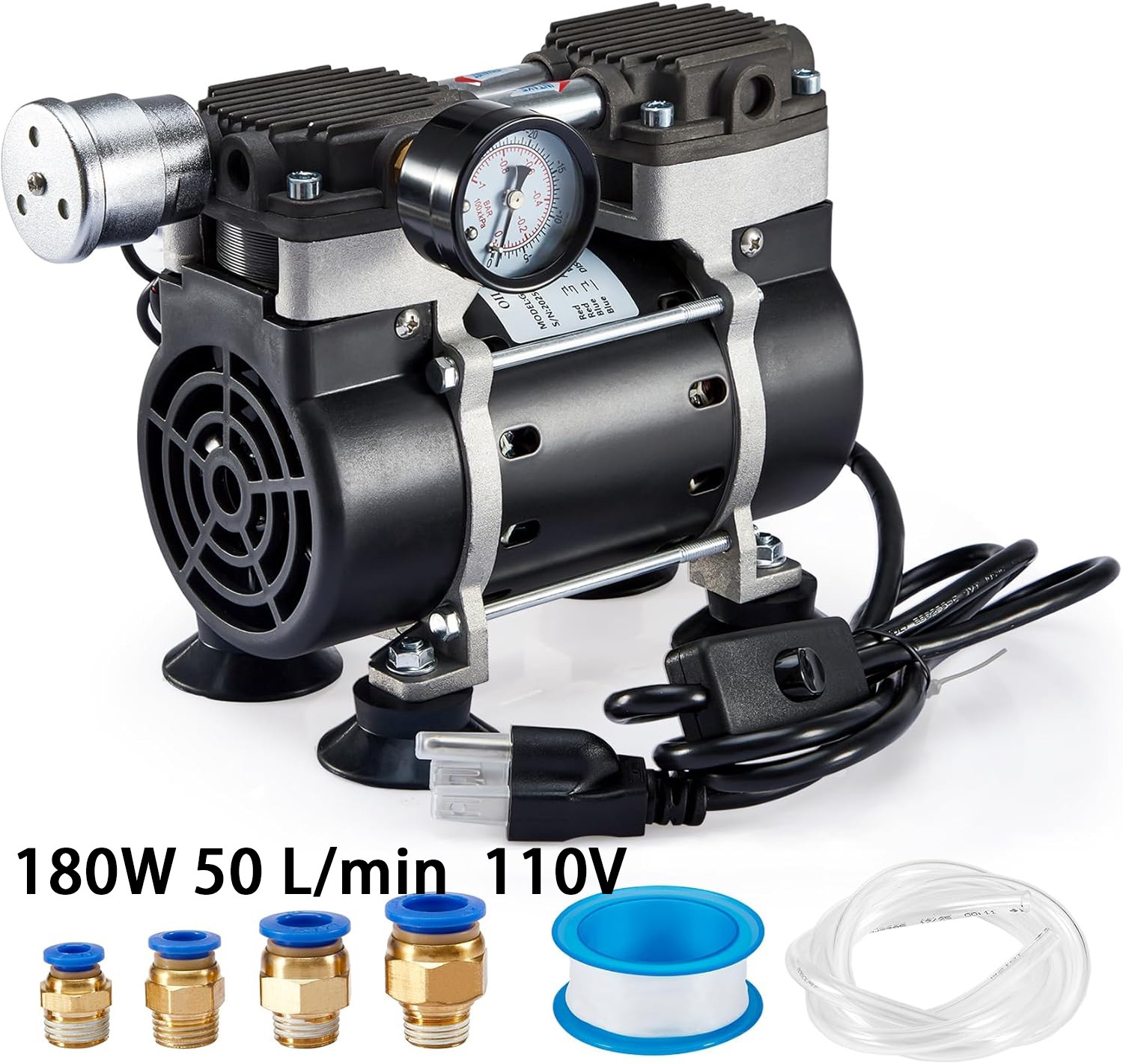 Lab Vacuum Pump 85L/Min with Switch 380W Oilless Vacuum Pump (or 180W 50 L/min)$89.99Last checked Nov 27, 2026View on eBay
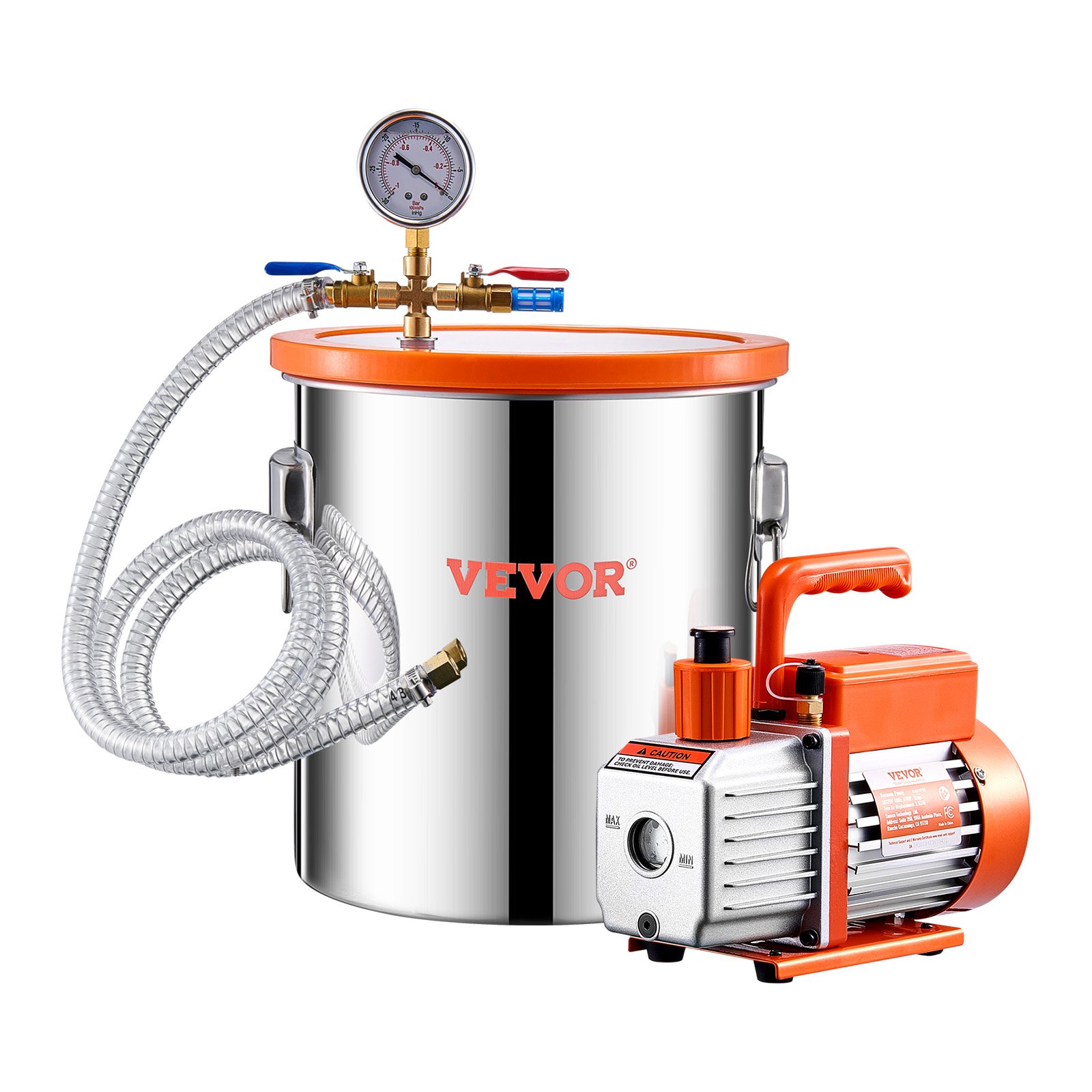 5 Gallon Vacuum Chamber 3.5CFM Single Stage Pump Degassing Kit$157.99View on Mallflare
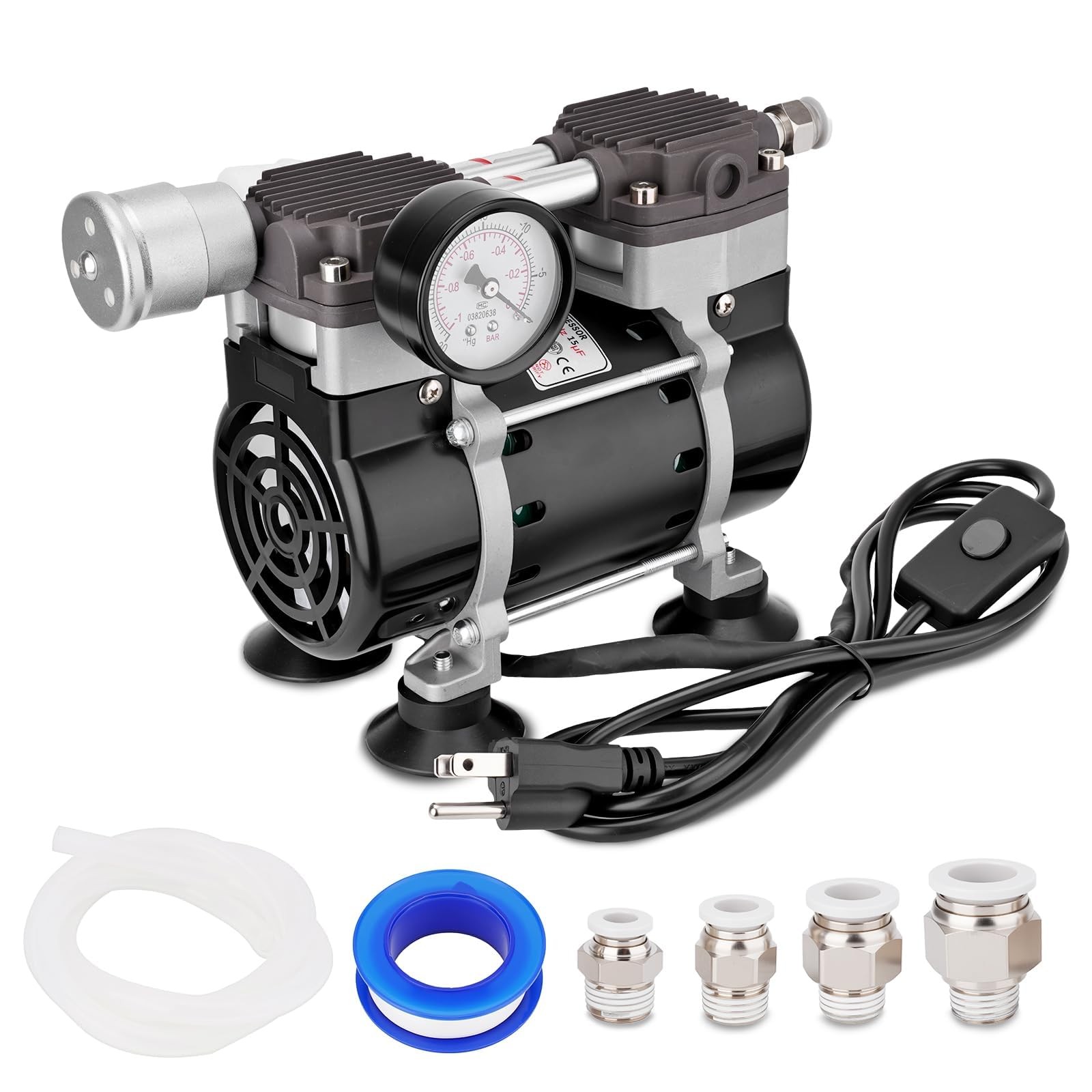 Lab Vacuum Pump Oilless Vacuum Pump 180W 50L/Min w/ Pressure Gauge,Silencer$95.99Last checked Nov 27, 2026View on eBay
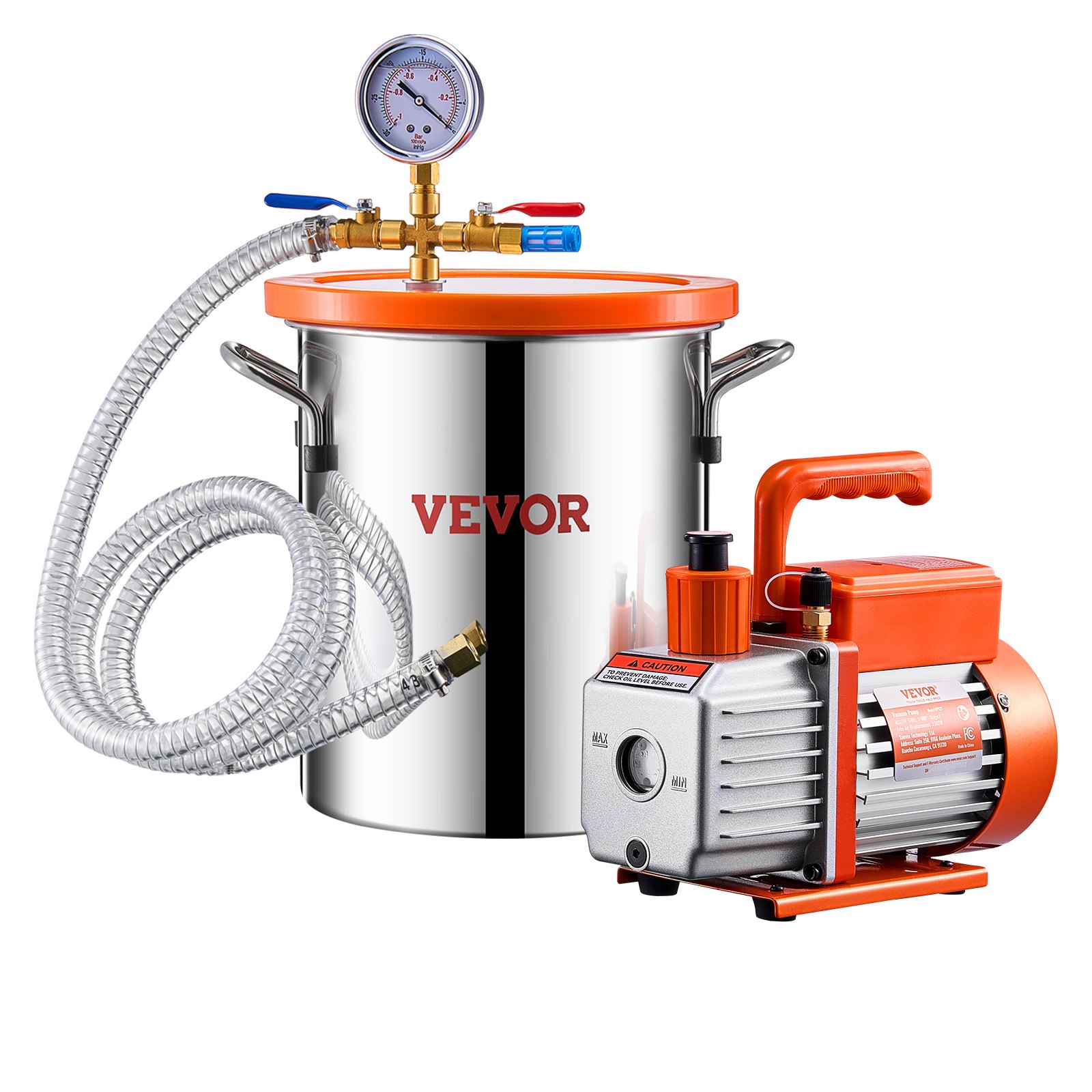 1.5 Gallon Vacuum Chamber 3.5CFM Single Stage Pump Degassing Kit$160.99View on Mallflare
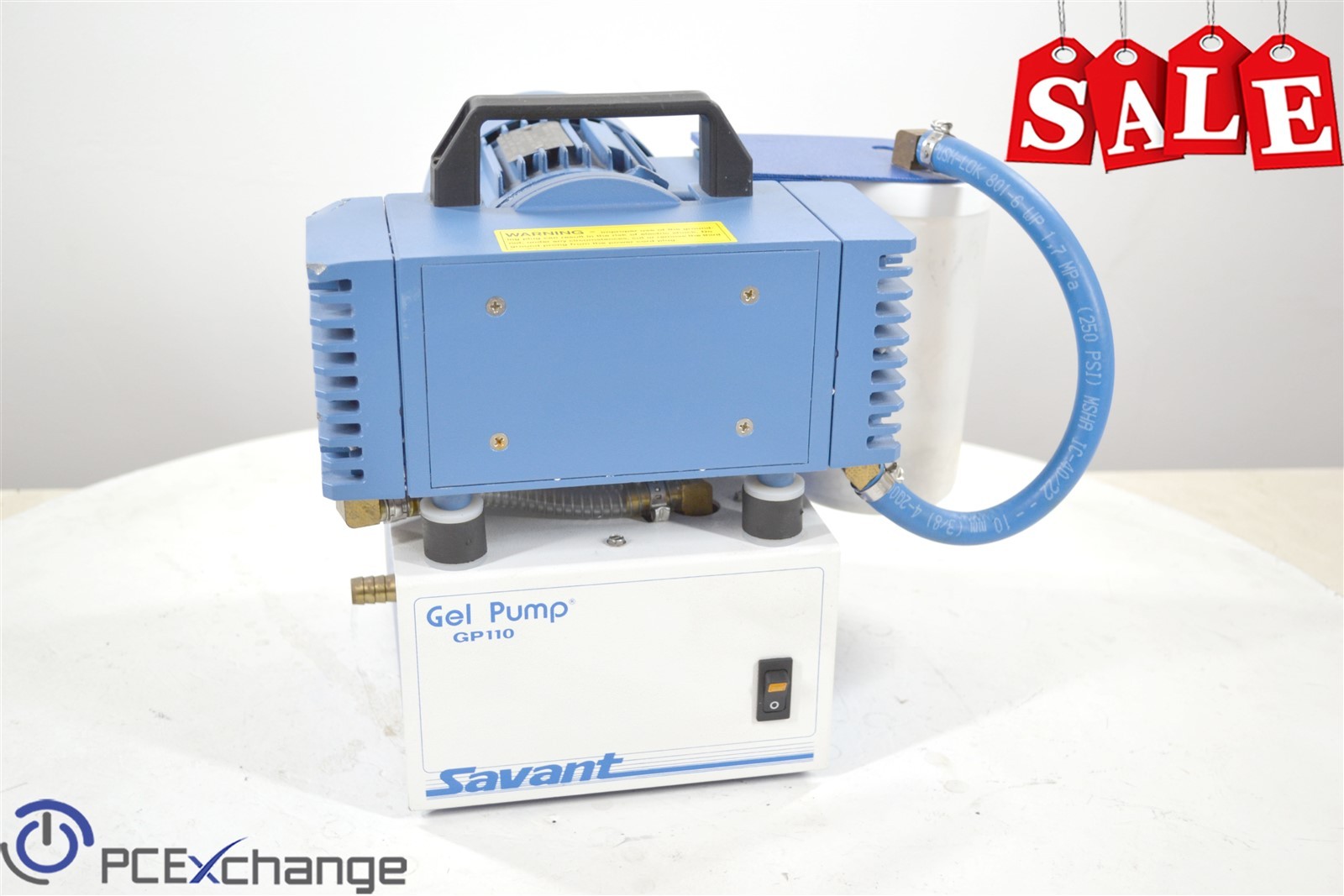 Savant Instruments Laboratory Vacuum Gel Pump GP110-120$149.00View on eBay
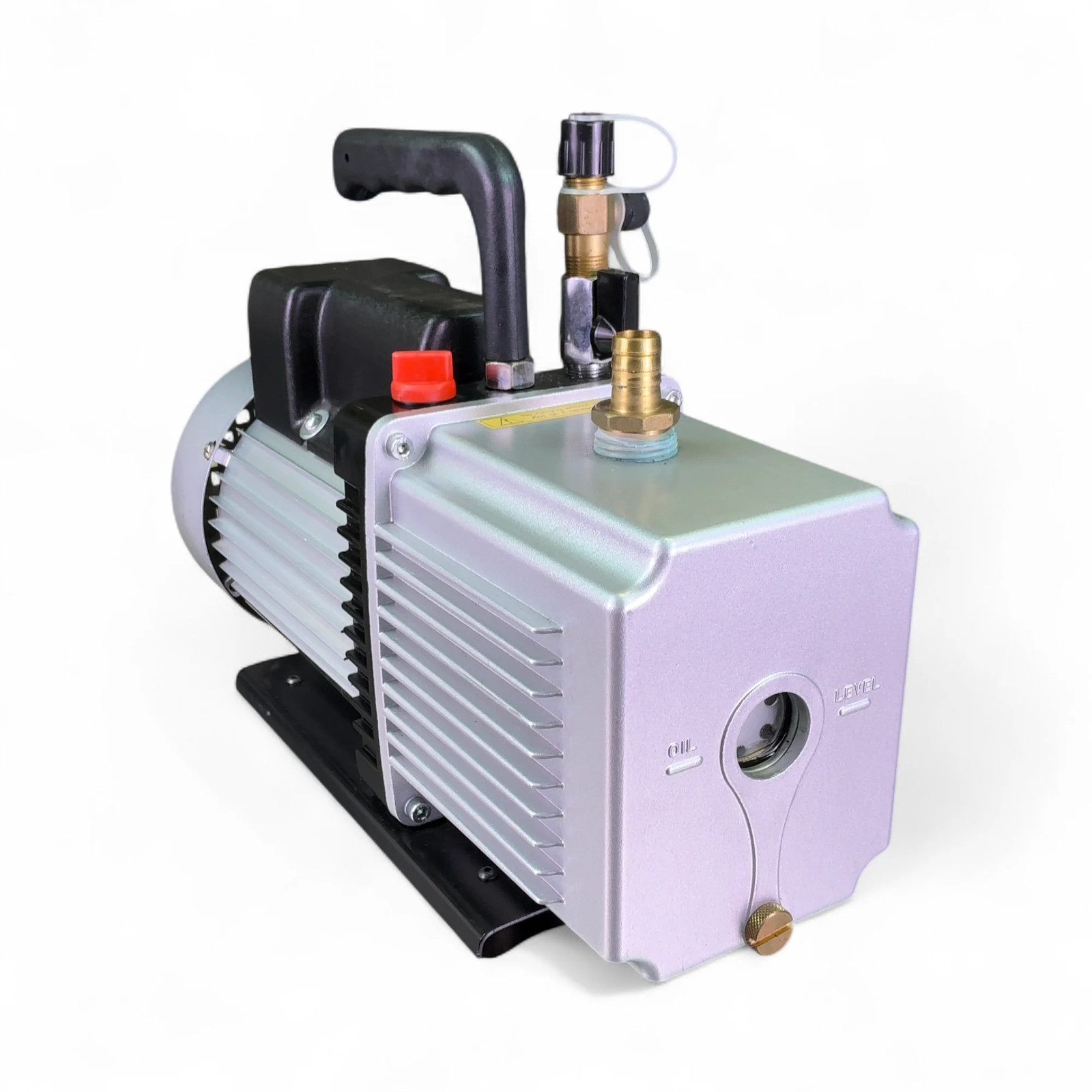 HFS 2 Stage 12CFM 1HP Laboratory Vacuum Pump VP 2200 (Best Offer!)$199.00View on eBay
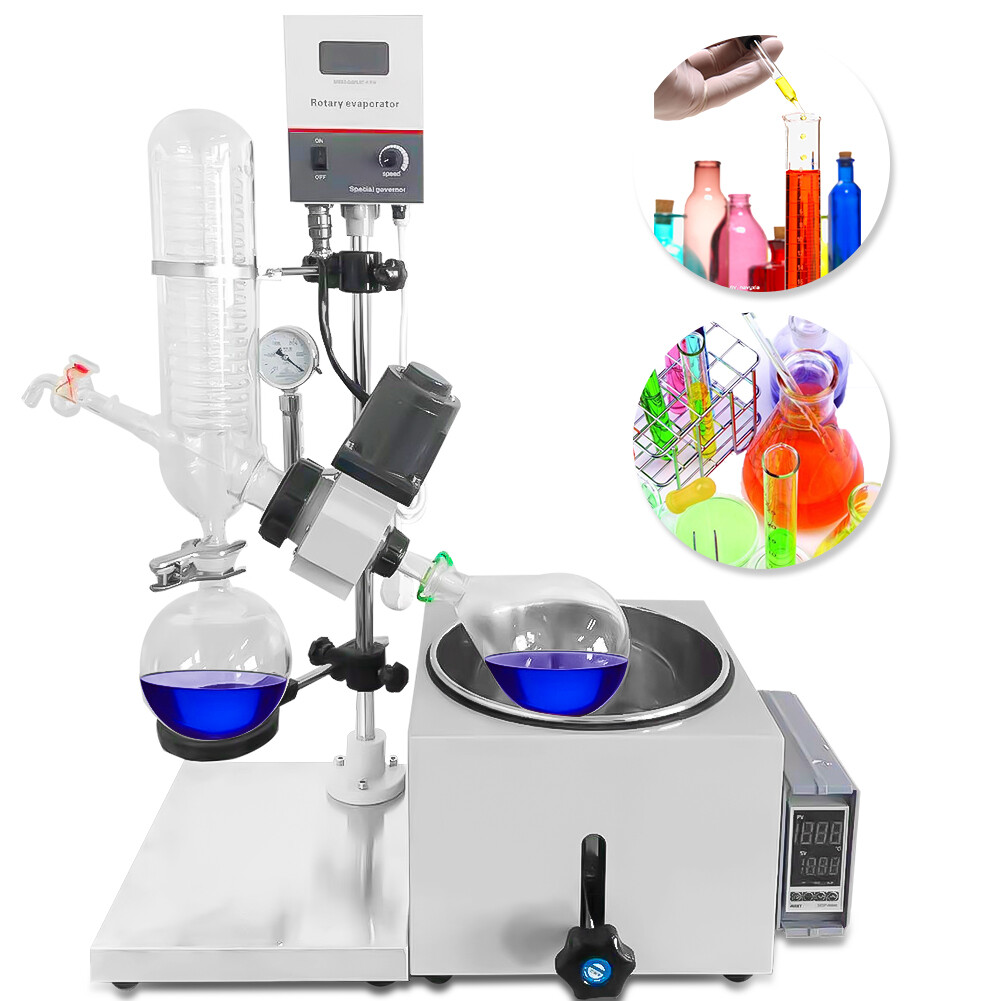 2L Rotary Evaporator Lab Connect to Vacuum Pump Chiller Manual Lifting Rotovap$556.25New · Last checked Nov 25, 2026View on eBay
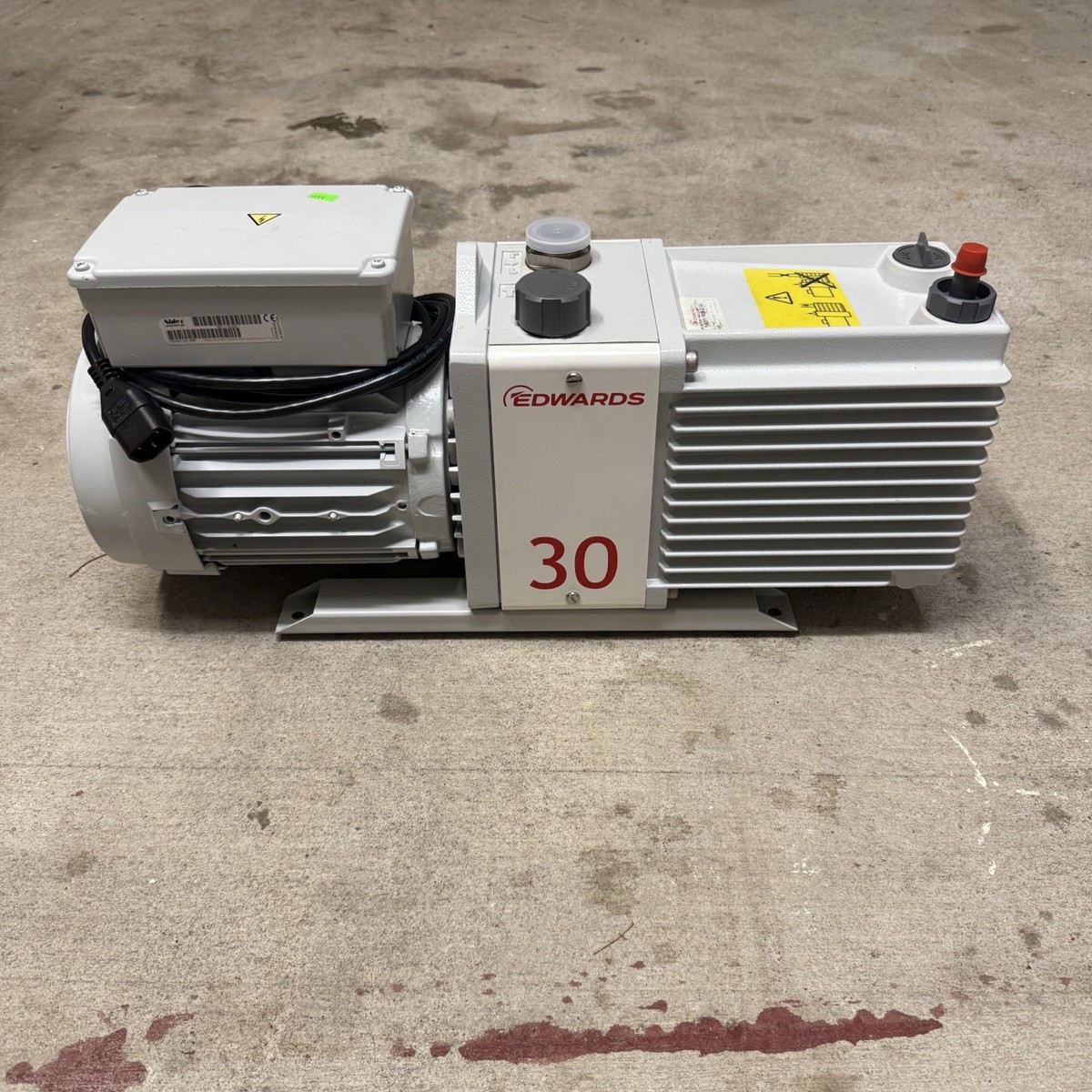 Edwards E2M30 Two Stage Rotary Vane Vacuum Pump A374-15-903 30 CFM ~ MINT$1,099.99Used · Last checked Nov 25, 2026View on eBay
Highlights
- Ultimate vacuum tiers: diaphragm roughing pumps reach roughly 1–10 mbar; two-stage rotary-vane oil pumps reach 0.001–0.01 mbar; scroll pumps bridge the gap oil-free at higher cost.
- Wetted-path materials determine chemical life: PTFE-lined or all-PTFE heads handle acids and most solvents; standard EPDM/nitrile diaphragms swell or degrade with acetone, DCM, and strong acids.
- Duty cycle and motor type matter: continuous-rated brushless DC or induction motors with thermal protection survive multi-hour rotary-evaporation runs; intermittent-duty budget pumps overheat and lose vacuum.
- Flow rate (free-air displacement) and ultimate vacuum are separate metrics—a high-flow pump with shallow vacuum is wrong for freeze-drying; match both to the application's mbar target and gas load.
Best use cases
- Best fit: solvent evaporation, vacuum filtration, and gel drying—choose a two-stage chemically resistant diaphragm pump with PTFE/PTFE-coated wetted parts and 1–10 mbar ultimate vacuum; skip single-stage oil pumps for solvent service.
- Best fit: freeze-drying and high-vacuum degassing—choose a two-stage rotary-vane or scroll pump reaching 0.001–0.01 mbar; skip diaphragm-only pumps because they cannot reach lyophilizer vacuum levels.
- Best fit: mobile field or teaching-lab use—choose a compact oil-free diaphragm pump with carry handle and universal voltage motor; skip heavy oil pumps that need oil changes and upright transport.
- Wrong fit: corrosive acid-vapor service with a standard rotary-vane pump—oil emulsifies and pump seizes; choose a PTFE-diaphragm or dry scroll pump instead.
Buying tips
- Match ultimate vacuum to the application: rotary evaporation and filtration need 1–10 mbar; freeze-drying and high-vacuum drying need 0.001–0.01 mbar—one pump rarely covers both well.
- Size flow rate to chamber volume and gas load: small benchtop filtration needs roughly 10–30 L/min; rotary evaporators and larger drying chambers need 30–60+ L/min free-air displacement.
- For solvent or acid vapors, select PTFE or PTFE-coated diaphragms and PTFE-lined heads; standard EPDM/nitrile seals degrade quickly with acetone, DCM, and HCl vapors.
- Confirm continuous-duty rating and thermal protection for runs over 30–60 minutes; intermittent-duty economy pumps require cooldown cycles and lose vacuum as they heat.
Specs
| Pump Architecture | Diaphragm / Rotary-vane / Scroll |
|---|---|
| Ultimate Vacuum | 10 mbar roughing to 0.001 mbar high-vac |
| Wetted Materials | PTFE vs EPDM/nitrile diaphragm |
| Duty Cycle | Continuous vs intermittent rated |
Related searches
What to check before buying
- Verify required ultimate vacuum in mbar for your protocol and confirm the pump's specified ultimate vacuum is at least 3–5x lower to allow margin.
- Confirm inlet flange standard—KF16/KF25/ISO-K—and that hose, clamps, and cold trap/condenser accessories match your pump and glassware.
- Check voltage/plug standard (115V vs 230V, 50/60 Hz) and that the motor is rated for your supply without an external transformer.
- For solvent work, confirm a cold trap or condenser is installed upstream and that wetted materials (diaphragm, valves, head) are PTFE or chemically compatible.
FAQ
Data sources: eBay / Amazon listings and product attribute feeds. Updated Nov 27, 2026.
Some links on this page are affiliate links. If you buy after clicking one, we may earn a commission at no extra cost to you. This does not change which products appear here or their order. Affiliate disclosure.