
Photos from current listings. Actual item, color, and included accessories may vary.
Automotive Circuit Tester Buying Guide
Automotive circuit testers split into two families: a dumb incandescent/LED test light that only shows presence of voltage, and a powered probe (often called a power probe) that can also inject 12V power and ground to actuate components. The decisive trade-off is voltage-range breadth and cable reach versus the ability to supply load current; test lights are passive and cheap, powered probes are active diagnostic tools. Buy a powered probe if you need to test relays, motors, and injectors; buy a simple test light only for fast presence/continuity checks on 6–24V systems.
Median $90.49
Key takeaways
- Passive test lights draw current through the bulb or LED; they indicate voltage presence but cannot power a component, so they are diagnostic indicators only.
- Powered probes inject fused 12V power and ground through the probe tip, letting you actuate relays, fuel pumps, and window motors without jumper wires.
- Voltage-range claims vary: many LED testers cover 3–48V DC, while powered probes typically rate 8–35V DC, so a 24V truck system sits at the top of the probe's range.
At a glance
- Category
- Multimeters & Electrical Testers
- Last updated
- Nov 28, 2026
Current offers
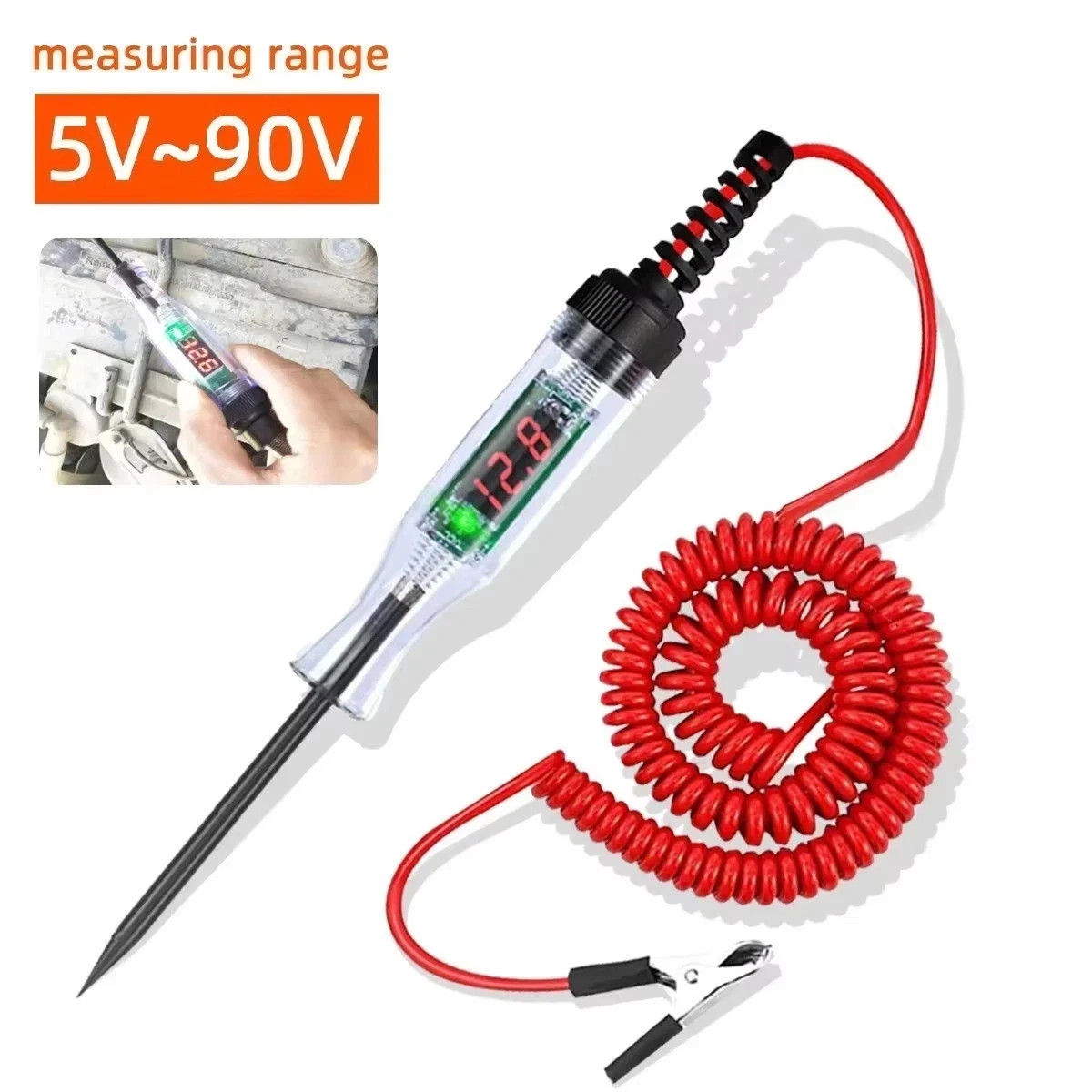 Digital Electric Voltage Circuit Tester Automotive Test Light Car Truck 6V12V24V$4.99View on eBay
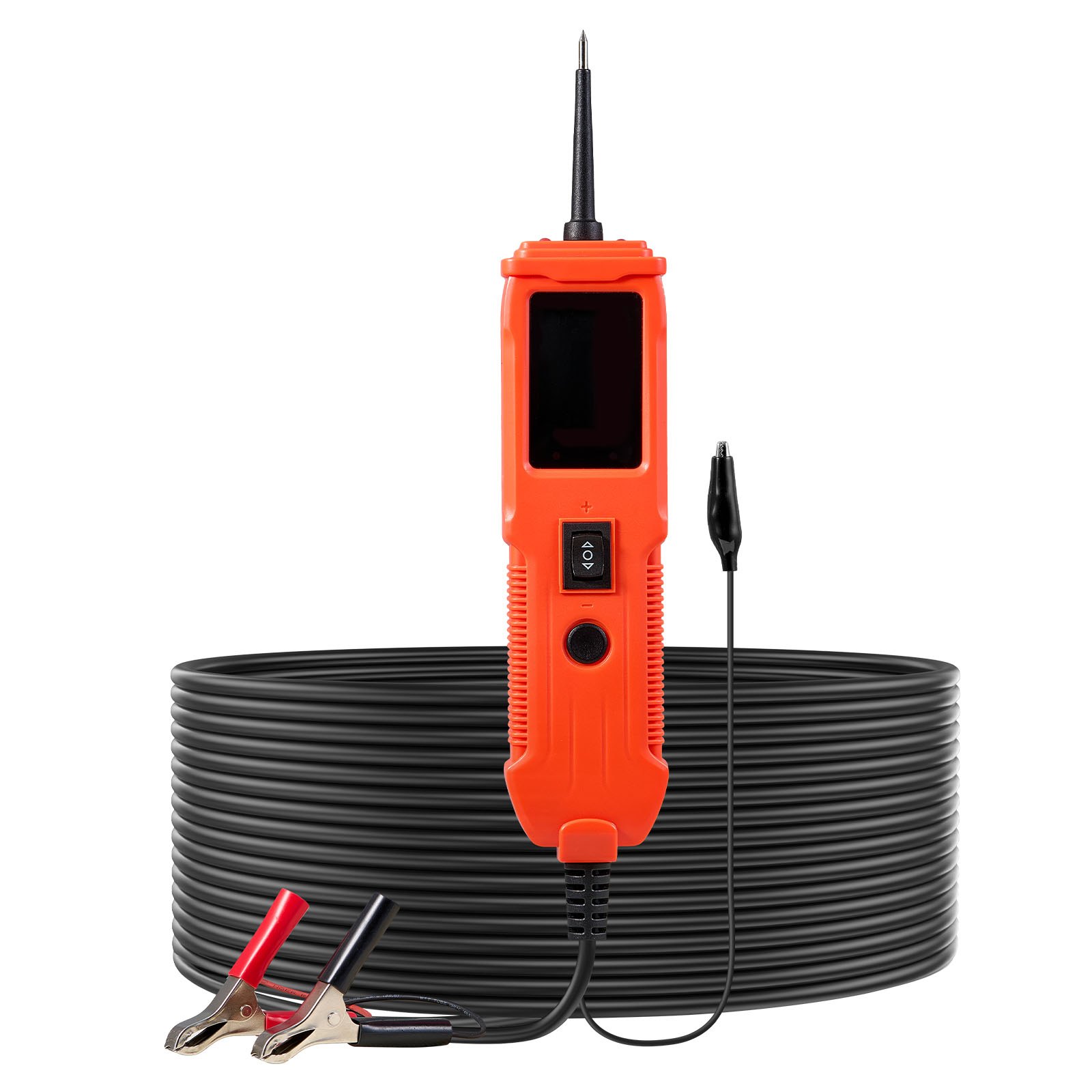 Automotive Circuit Tester, 8 - 35 DCV Power Probe With TFT Color Display And Lighting, 13 Ft / 4 M Cable, ABS Shell Electrical Detector Finder$62.99View on Mallflare
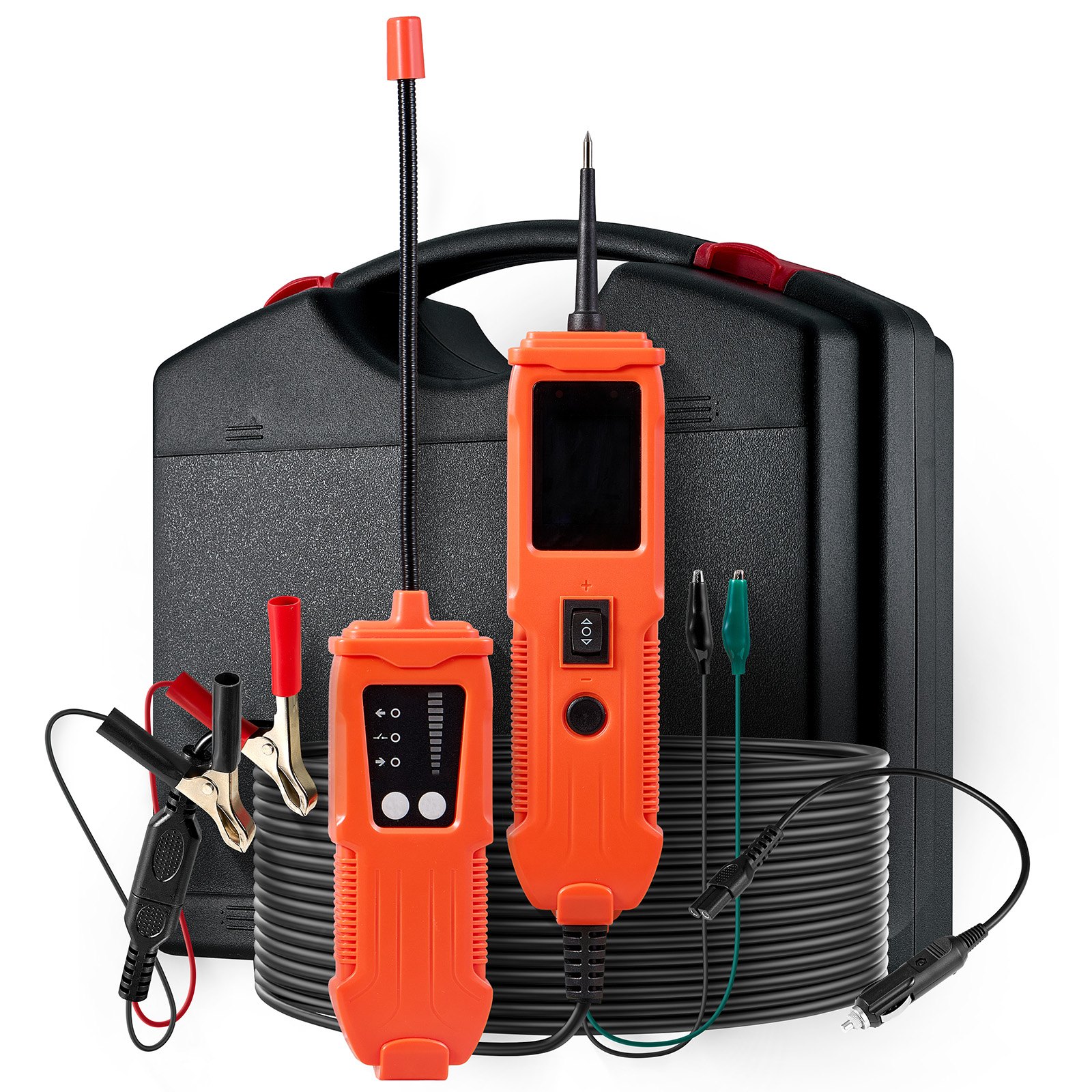 Automotive Circuit Tester Kit, 8 - 35 DCV Power Probe With TFT Color Display And Lighting, 2-in-1 Electrical 19.7 Ft / 6 M Extension Cable$117.99View on Mallflare
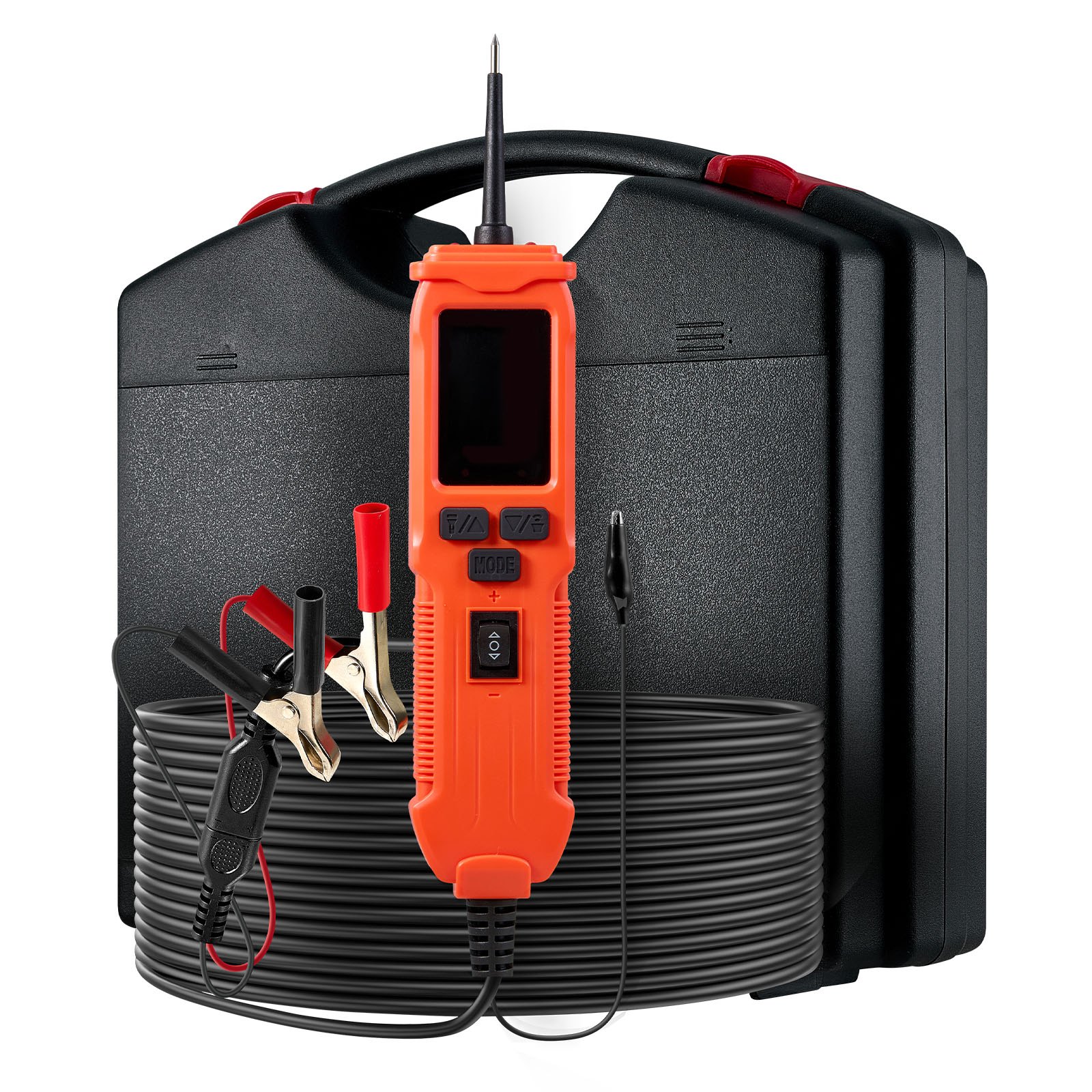 Automotive Circuit Tester, 8 - 35 DCV Power Probe With TFT Color Display And Lighting, 19.7 Ft / 6 M Cable, 2-in-1 Electrical Detector Finder$120.99View on Mallflare
Highlights
- Passive test lights draw current through the bulb or LED; they indicate voltage presence but cannot power a component, so they are diagnostic indicators only.
- Powered probes inject fused 12V power and ground through the probe tip, letting you actuate relays, fuel pumps, and window motors without jumper wires.
- Voltage-range claims vary: many LED testers cover 3–48V DC, while powered probes typically rate 8–35V DC, so a 24V truck system sits at the top of the probe's range.
- TFT color-display probes show numeric voltage plus peak/min capture, which is far more useful than a binary bright/dim bulb for intermittent faults.
Best use cases
- Best fit: buy a powered probe with TFT display and 6–20 ft cable if you diagnose relays, motors, and chassis grounds on 12V cars and light trucks.
- Best fit: buy a basic LED test light rated 3–48V if you only need to confirm fuse, socket, or wire presence on mixed 6V/12V/24V vehicles.
- Wrong fit: skip a powered probe on modern CAN-bus or airbag circuits where injecting power can trigger faults—use a high-impedance digital multimeter instead.
- Wrong fit: skip a 3–48V LED tester for load testing; it cannot supply current, so it will not actuate a fuel pump or relay.
Buying tips
- Match the voltage range to your fleet: 8–35V DC probes cover 12V and 24V systems; 3–48V testers add 6V and 36V coverage but remain passive.
- Cable length determines reach: 4 m (13 ft) suits engine-bay work, while 6 m (19.7 ft) reaches trailer harnesses and rear lights without an extension.
- Choose a fused probe tip (typically 10A blade fuse in the handle) so a short to ground pops the fuse instead of the vehicle's wiring.
- Prefer a probe with both power and ground injection plus a continuity/ohmmeter mode; single-function test lights cannot check ground-side faults.
Specs
| Tester Type | Passive test light vs powered probe |
|---|---|
| DC Voltage Range | 3–48V LED vs 8–35V powered probe |
| Cable Length | 4 m / 13 ft vs 6 m / 19.7 ft |
| Display / Feedback | LED bulb vs TFT color numeric |
Related searches
What to check before buying
- Confirm your vehicle's system voltage (6V, 12V, or 24V) and pick a tester whose DC range brackets it with headroom.
- Measure the distance from battery to the farthest circuit you test; add 3 ft of slack when choosing between 13 ft and 19.7 ft cable versions.
- Check the probe tip and clip quality: ABS shell and replaceable stainless tip resist shop-floor abuse better than molded plastic.
- Verify the tester includes both a battery clip and a chassis ground clip if you plan to inject power away from the battery.
FAQ
Data sources: eBay / Amazon listings and product attribute feeds. Updated Nov 28, 2026.
Some links on this page are affiliate links. If you buy after clicking one, we may earn a commission at no extra cost to you. This does not change which products appear here or their order. Affiliate disclosure.