
Photos from current listings. Actual item, color, and included accessories may vary.
Digital Multimeter Buying Guide
A digital multimeter (DMM) is the core electrical diagnostic tool for measuring voltage, current, resistance, and continuity, and the primary trade-off is measurement integrity vs. safety certification: uncertified high-count displays can read fine yet arc or drift when exposed to real mains transients. The decision rule is simple—buy a true-RMS meter with a CAT III safety rating at your working voltage and a fused 10 A current path; skip generic 2000-count units if you ever probe household, HVAC, or vehicle mains.
Median $29.44 · New & pre-owned listings
Key takeaways
- True RMS (AC+DC) conversion is what makes readings accurate on inverters, VFDs, and non-sinusoidal loads; averaging meters misstate distorted waveforms by 10–30%.
- CAT safety ratings are the real durability metric: CAT III 600 V minimum for panelboard/outlet work, CAT IV 600 V for service-entrance and outdoor feeders; uncategorized meters fail transient tests.
- Count resolution defines practical precision: 2000-count meters resolve 1 mV on the 2 V range, 4000-count resolves 0.1 mV, and 6000-count adds finer low-voltage and low-resistance resolution.
At a glance
- Category
- Multimeters & Electrical Testers
- Last updated
- Nov 28, 2026
Current offers
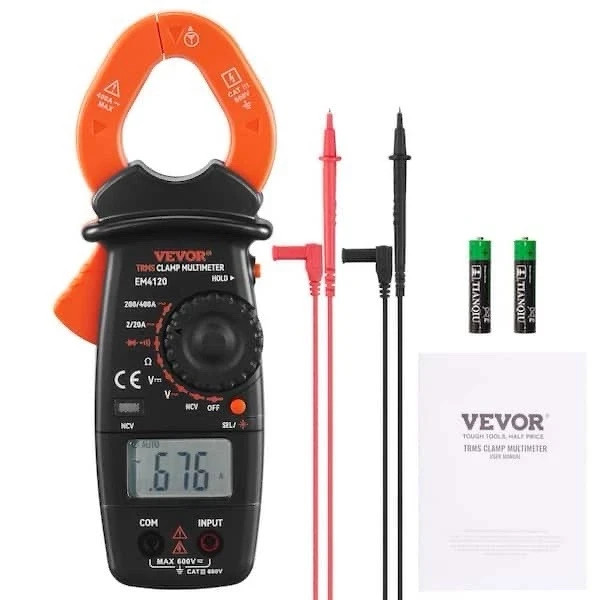 400 Amp Digital Clamp Meter DC/AC Multimeter True RMS Auto Ranging 2000 Max Read$4.99View on eBay
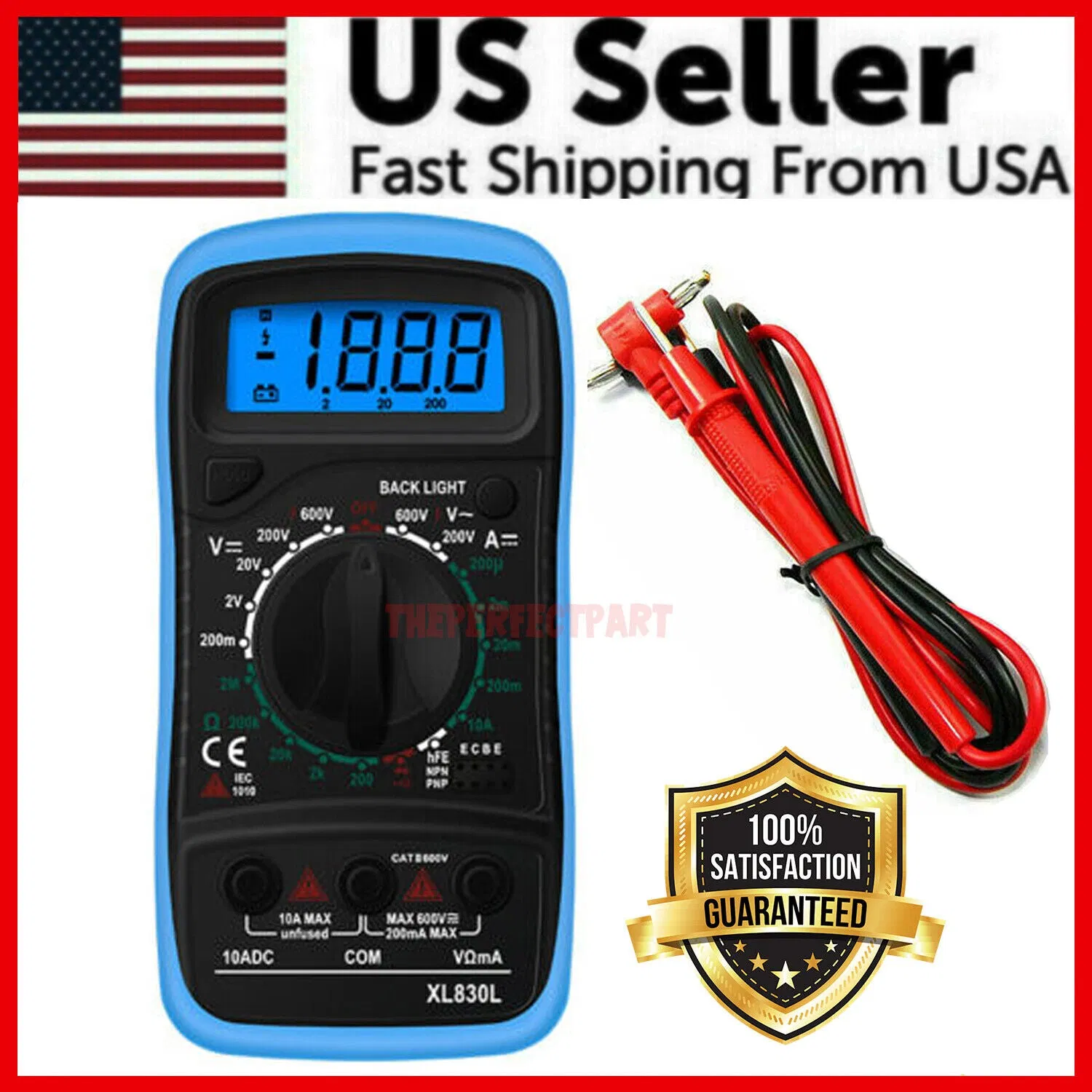 Digital Multimeter AC DC Voltmeter Ammeter Ohmmeter Volt Tester Meter XL830L USA$20.99View on Mallflare
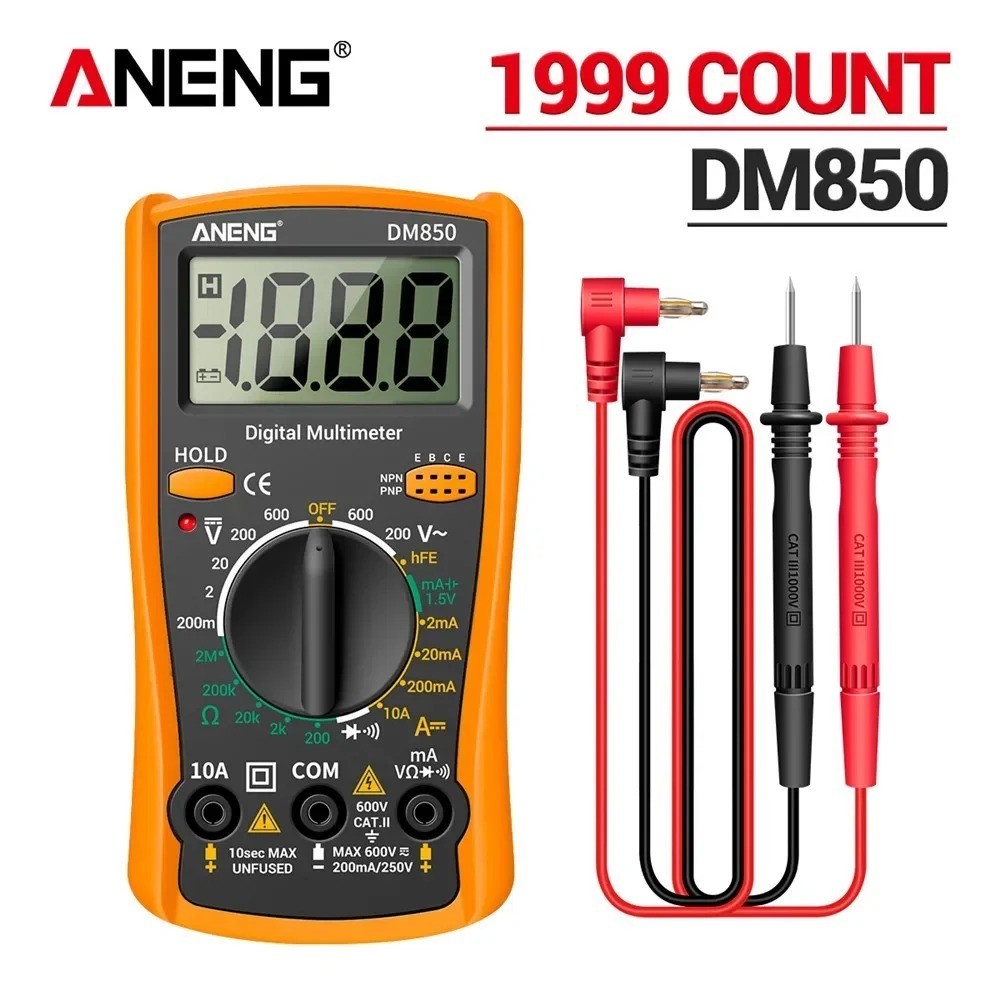 DM850 Digital Multimeter Voltmeter Ammeter Ohmmeter AC DC Tester Leads Meter$6.99View on eBay
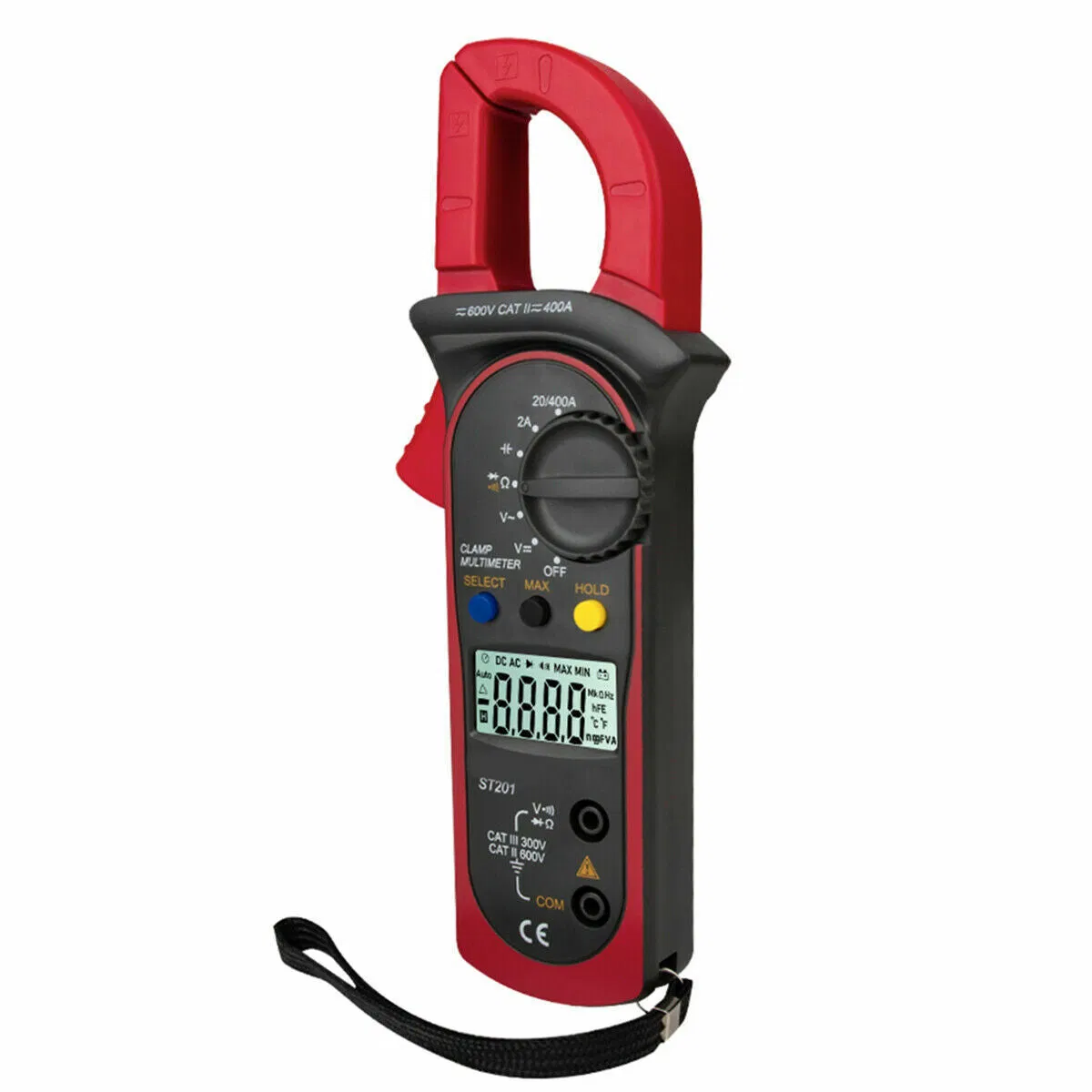 Digital Multimeter Tester AC DC Volt Ohm Amp Clamp Meter Auto Range LCD Handheld$29.99View on Mallflare
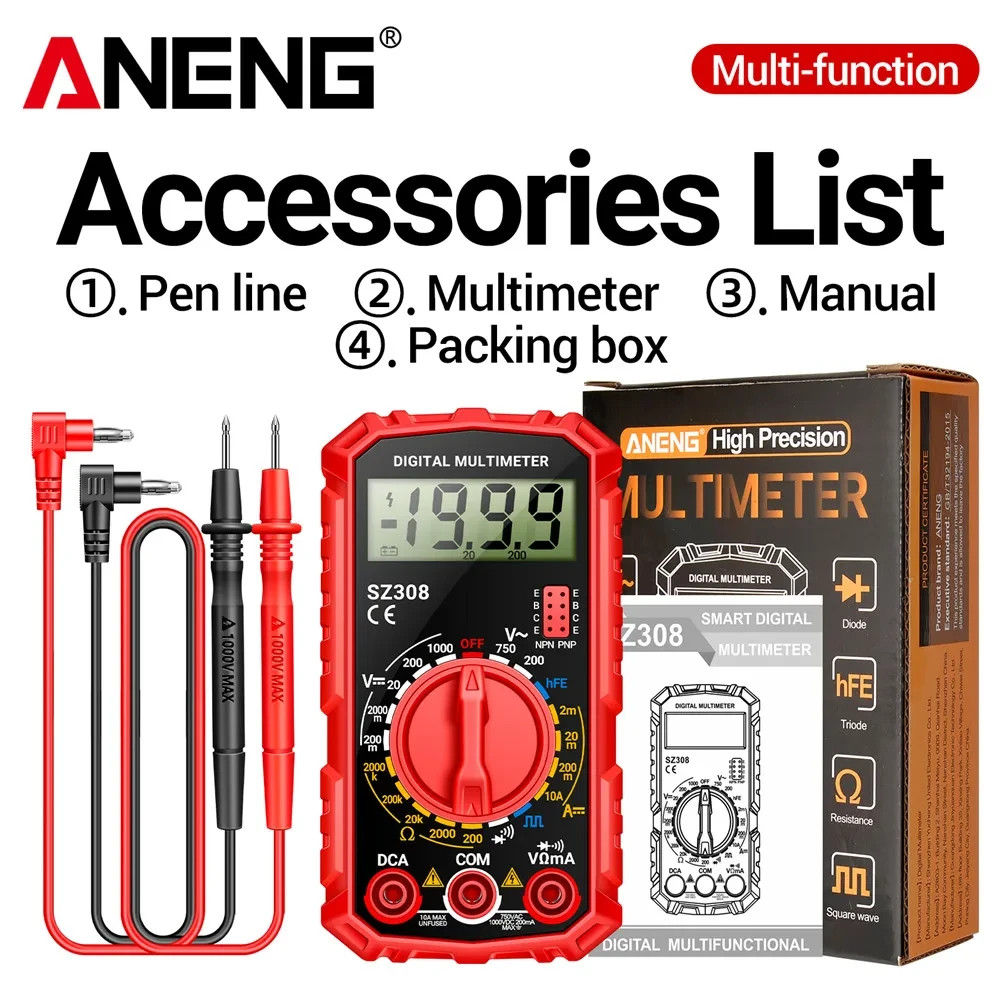 Digital Multimeter LCD Voltmeter Ammeter Ohmmeter Volt AC DC Tester Leads Meter$6.99View on eBay
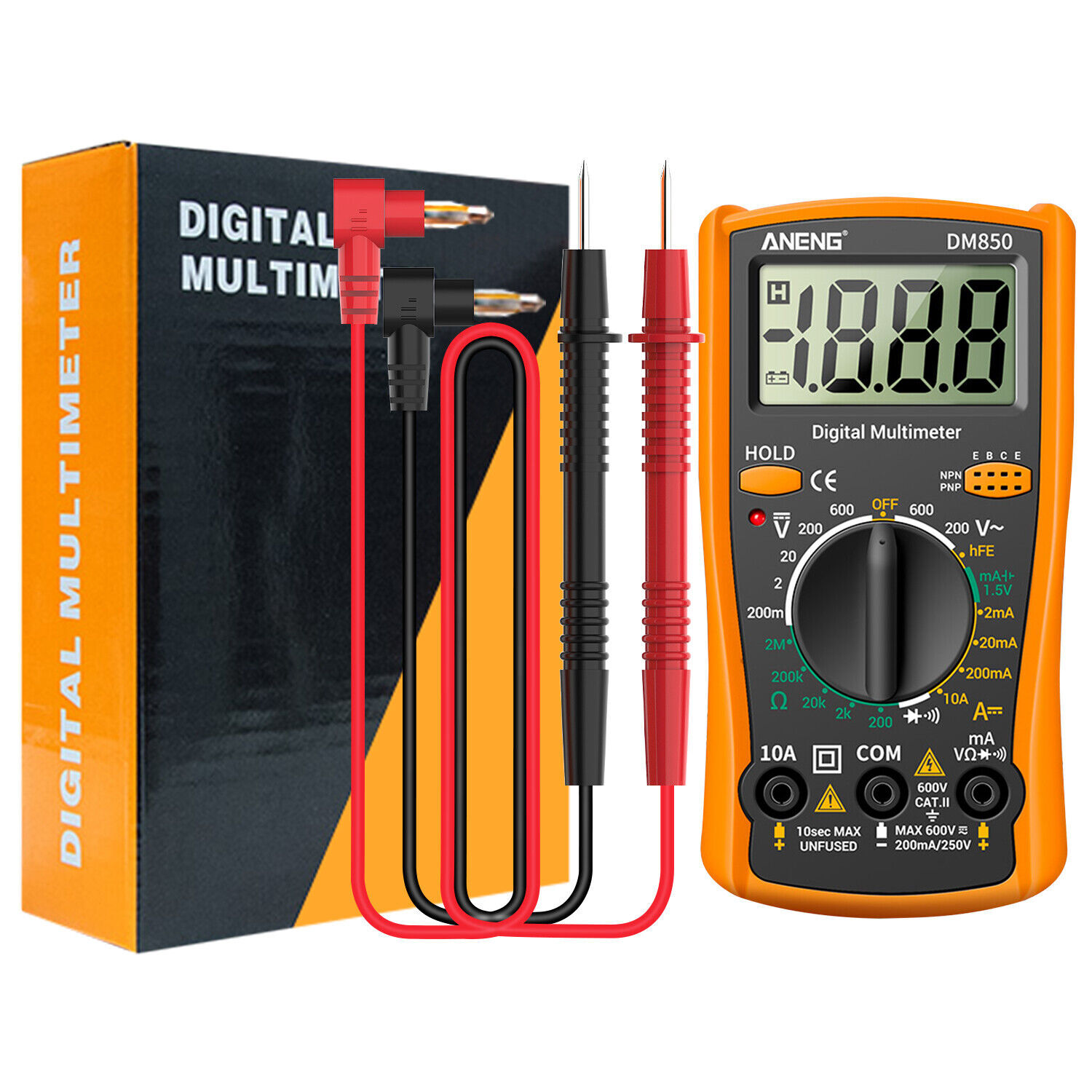 LCD Digital Multimeter Voltmeter Ammeter Ohmmeter Volt AC DC Tester Lead Meter$6.99View on eBay
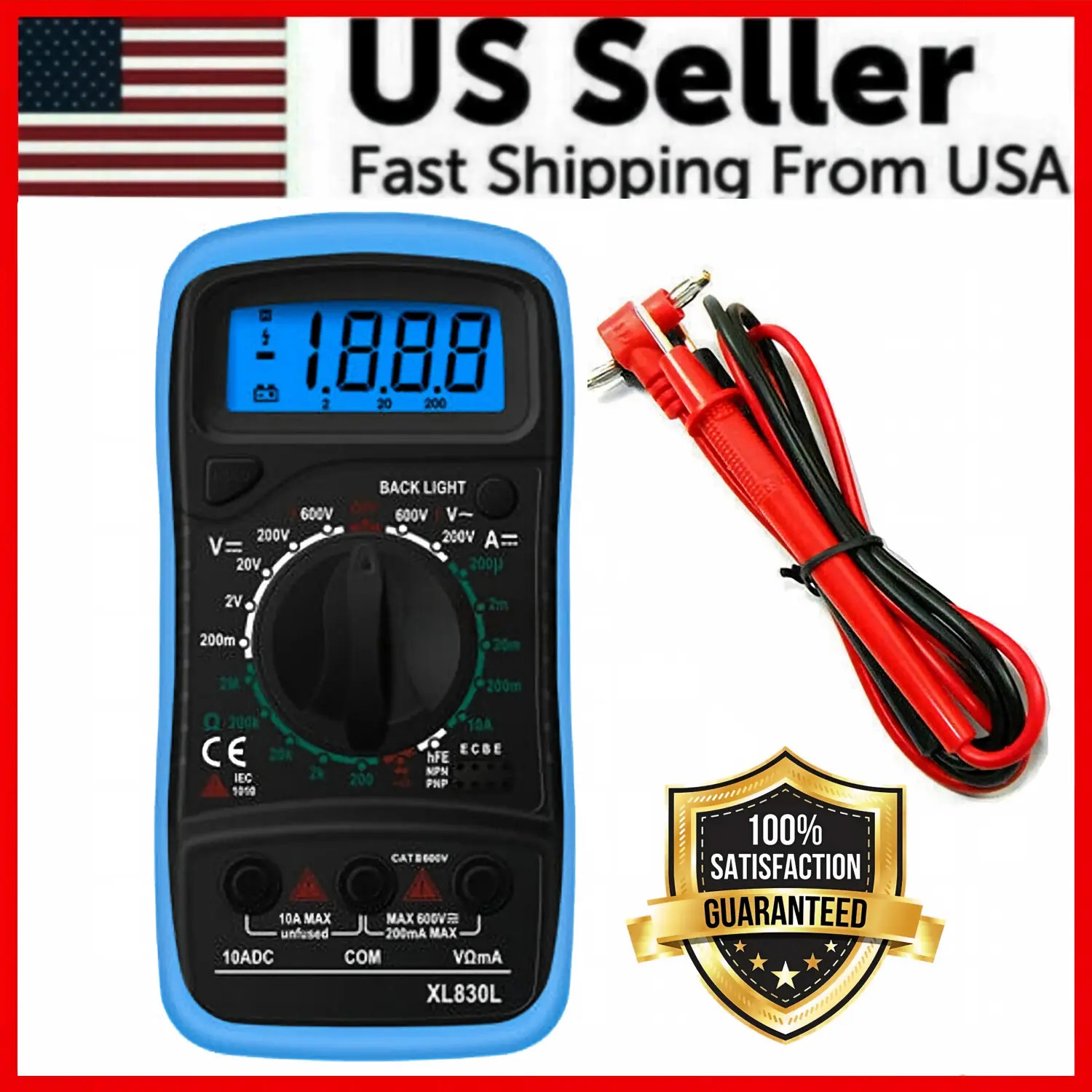 Digital Multimeter AC DC Voltmeter Ammeter Ohmmeter Volt Tester Meter XL830L USA$7.89View on eBay
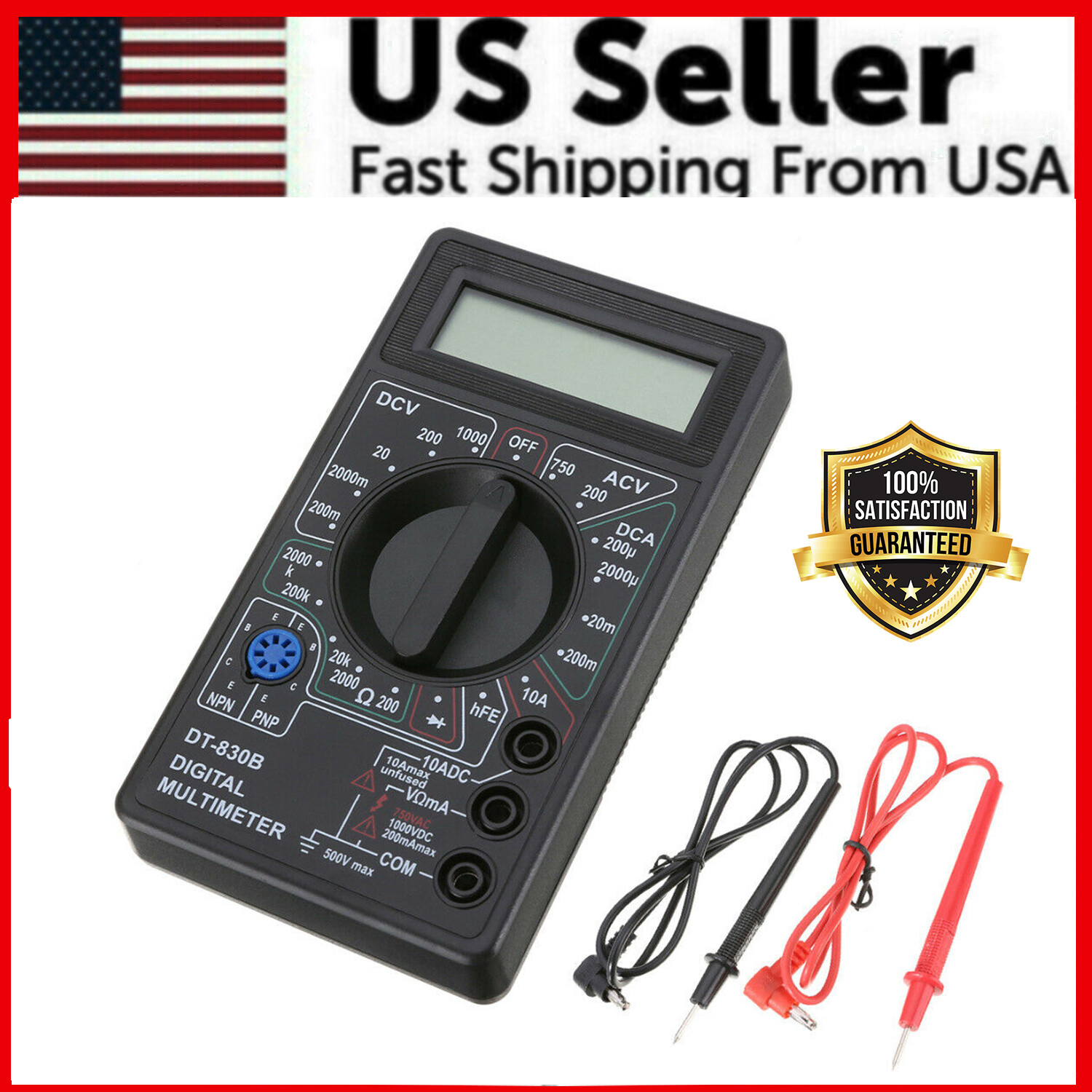 7 Fn Digital Multimeter AC DC Voltage Volt 10 Amp Current Resistance Ohm Meter$8.95View on eBay
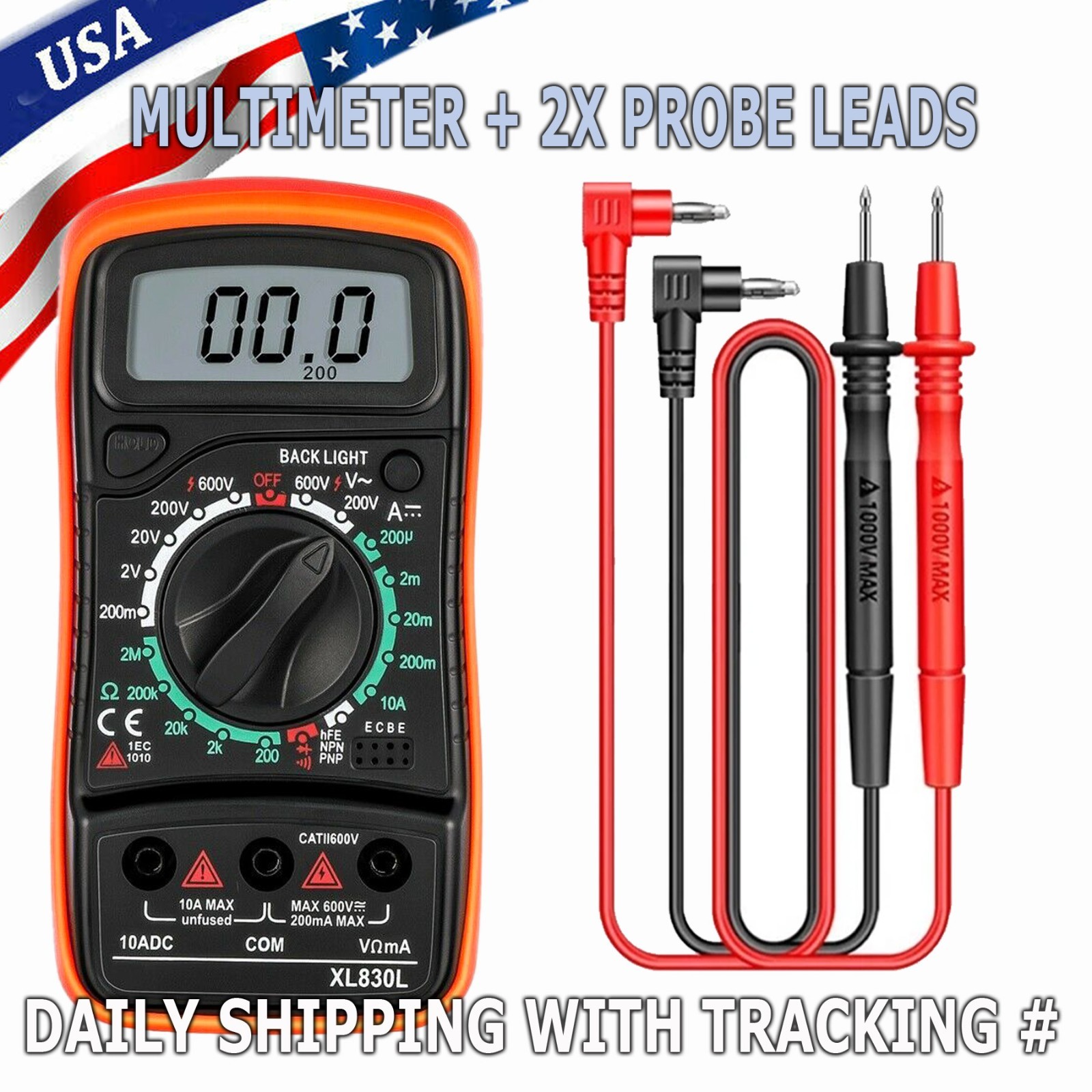 Digital Multimeter LCD Voltmeter Ammeter Ohmmeter Volt AC DC Tester Lead Meter$8.95View on eBay
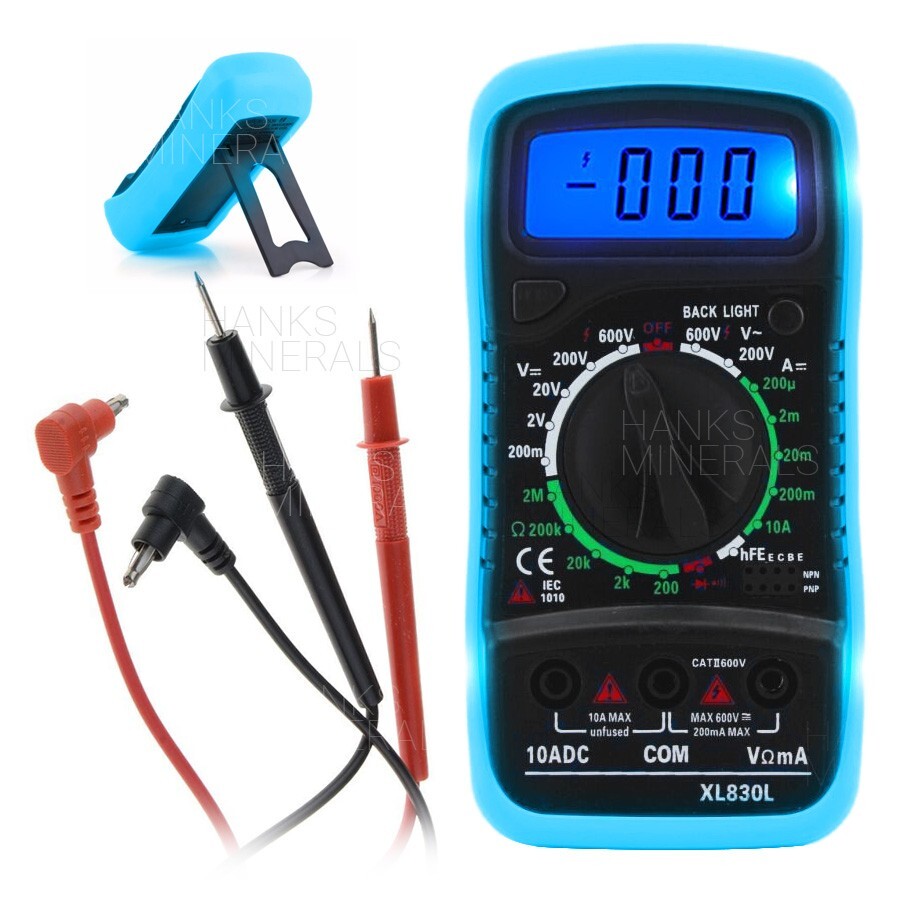 Digital Multimeter Voltmeter XL830L AC DC Ammeter Ohmmeter Volt Meter Tester Ohm$8.98Last checked Nov 27, 2026View on eBay
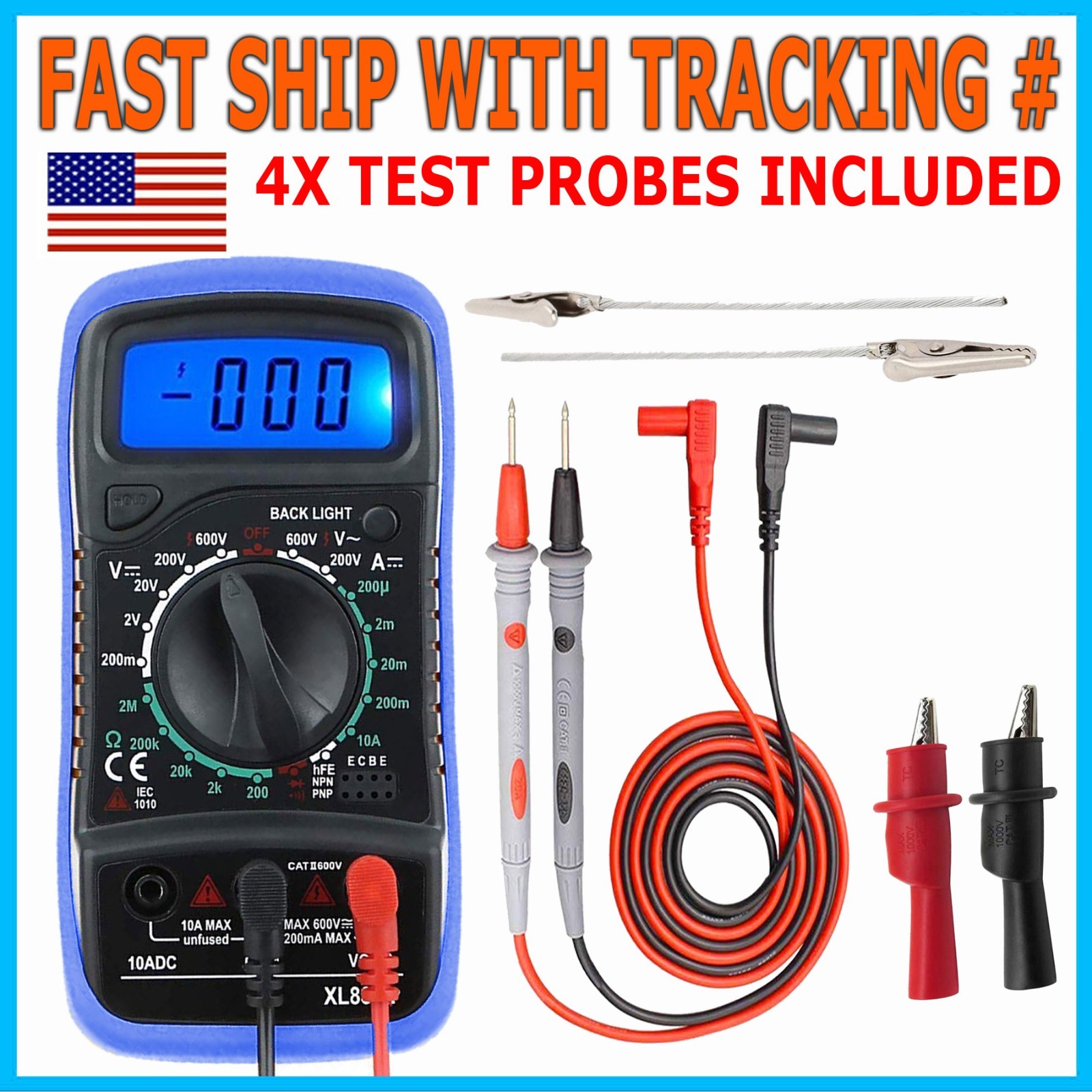 Digital Multimeter AC DC Voltmeter Ammeter Ohmmeter Volt Tester Meter WITH BAT$10.95Last checked Nov 27, 2026View on eBay
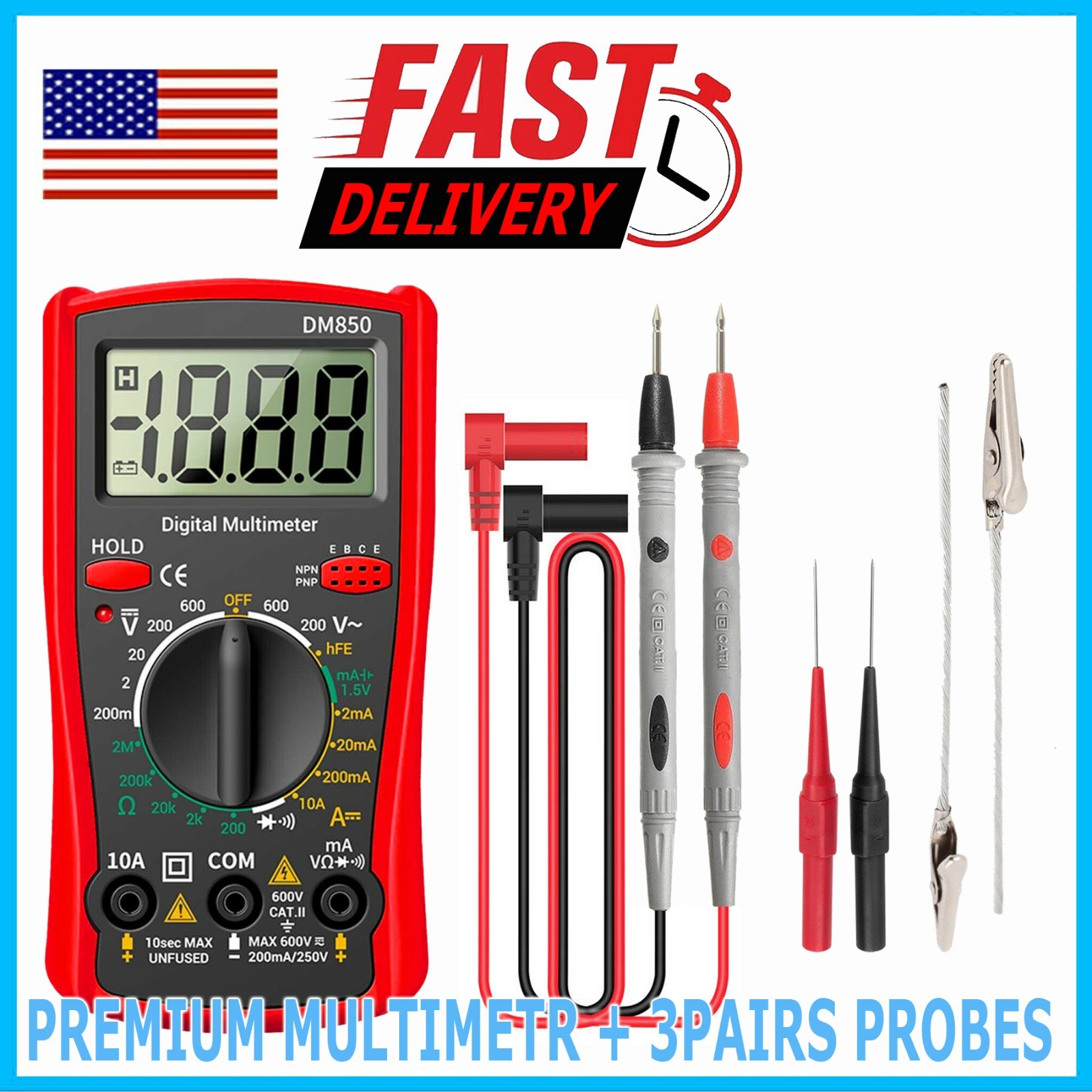 Digital Multimeter Voltmeter DM850 AC DC Ammeter Ohmmeter Volt Meter Tester Ohms$12.95View on eBay
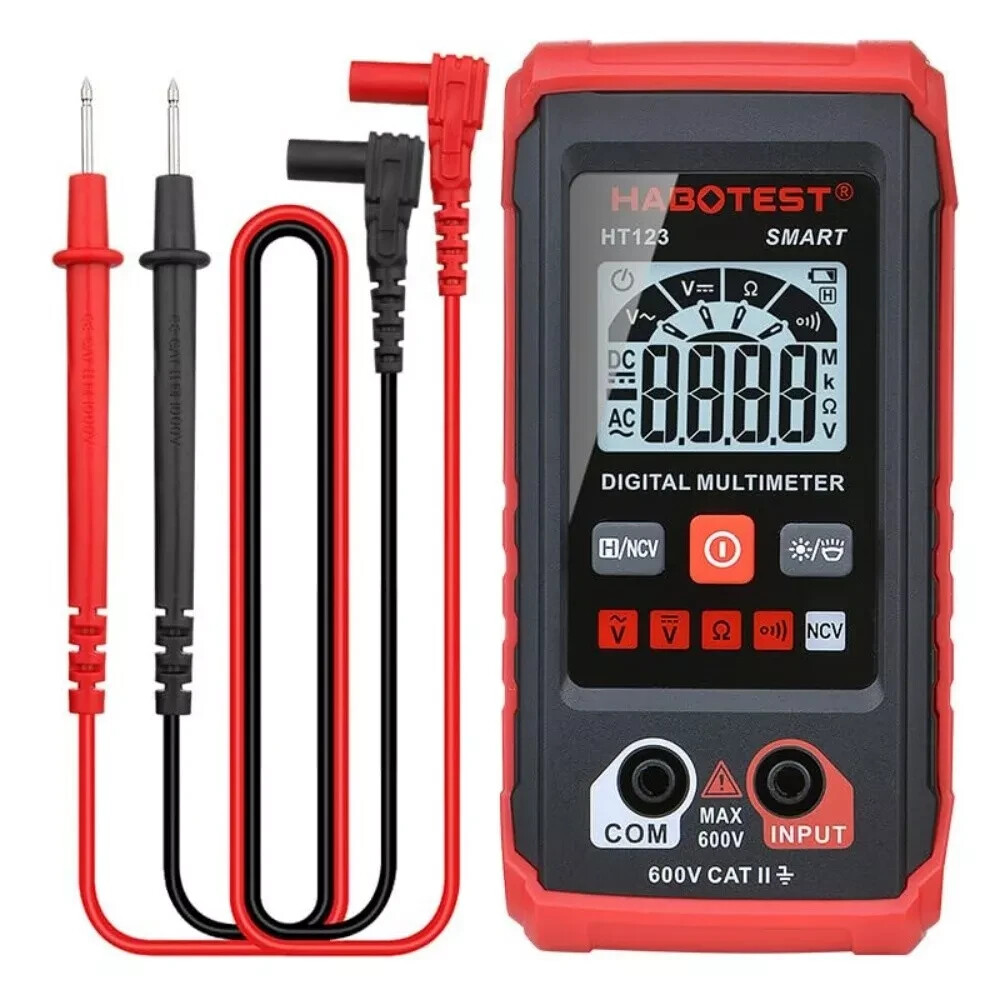 HT123 Digital Multimeter Smart Voltmeter Ohmmeter AC DC Meter Tester - US$12.99View on eBay
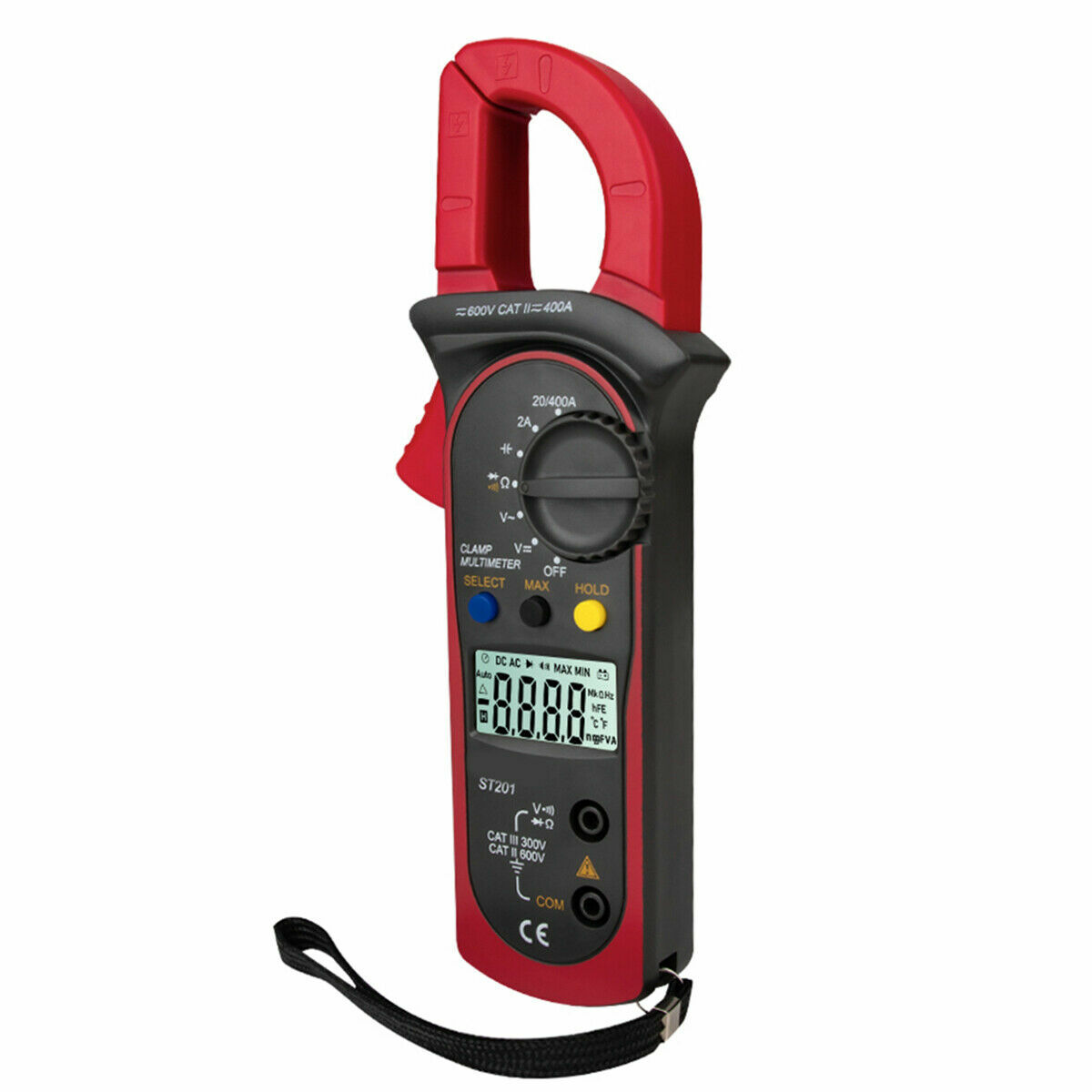 Digital Multimeter Tester AC DC Volt Ohm Amp Clamp Meter Auto Range LCD Handheld$13.87View on eBay
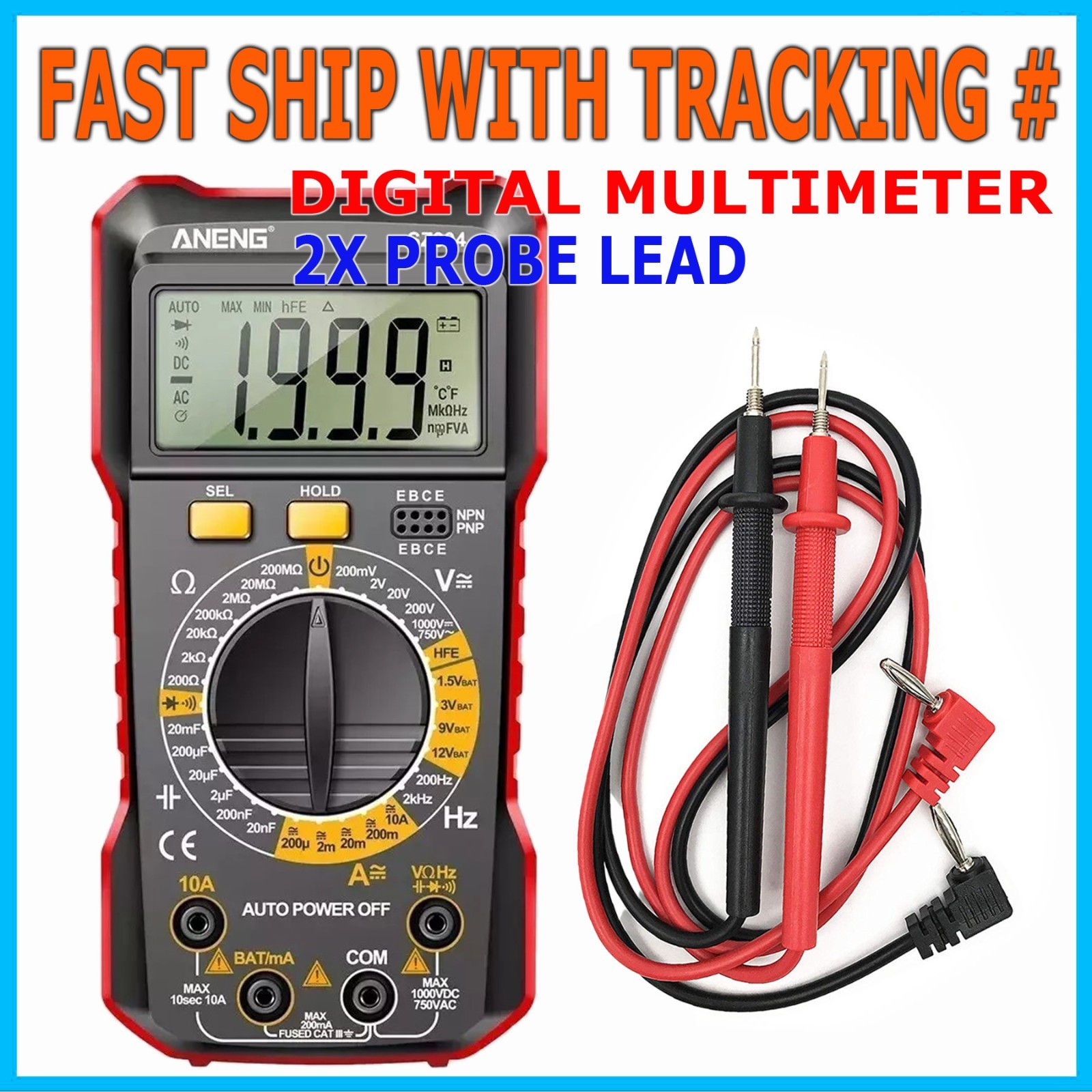 Digital Multimeter LCD Voltmeter Ammeter Ohmmeter Volt AC DC Tester Leads Meters$13.95Last checked Nov 27, 2026View on eBay
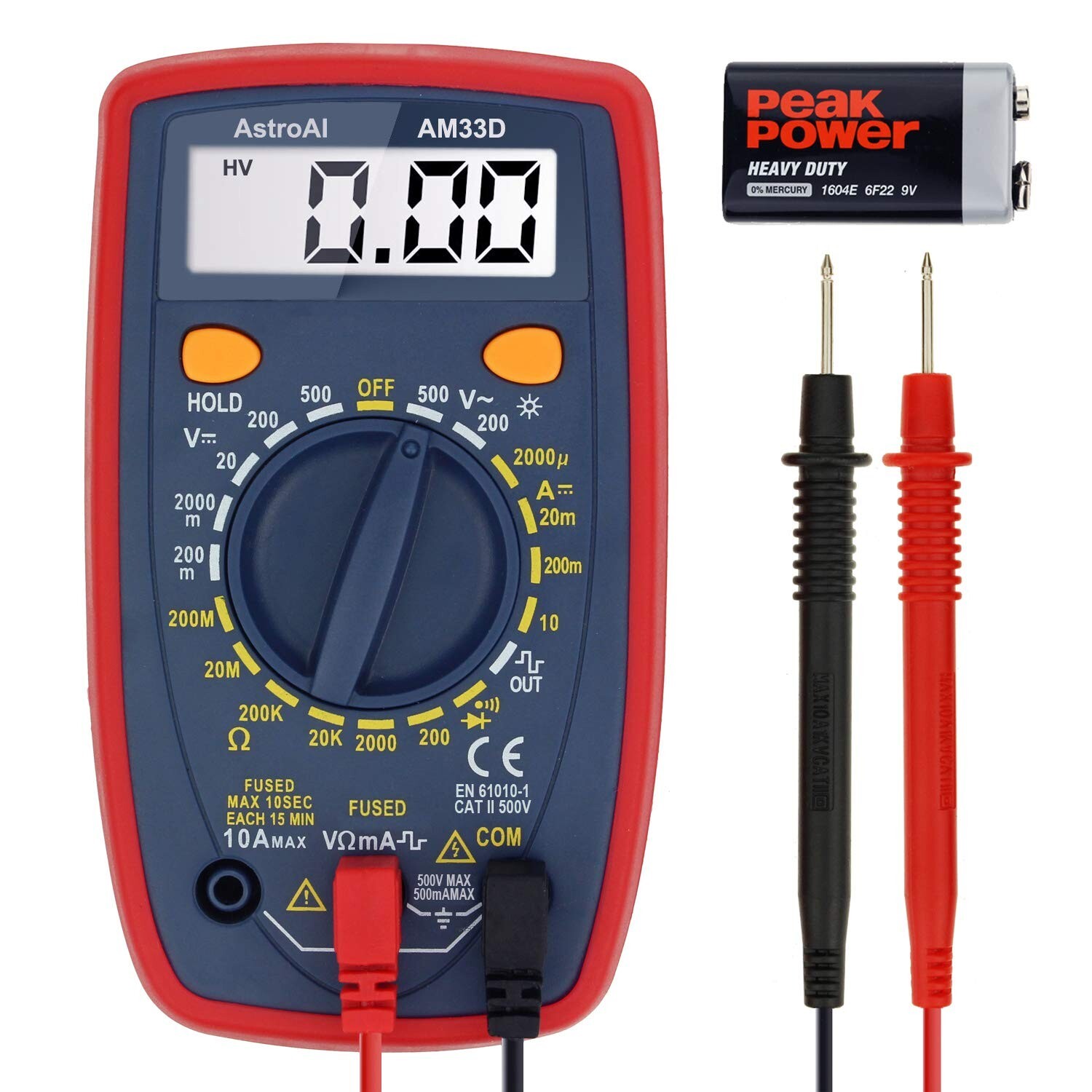 AstroAI Multimeter Tester 2000 Counts Digital with DC AC Voltmeter BRAND NEW$13.99View on eBay
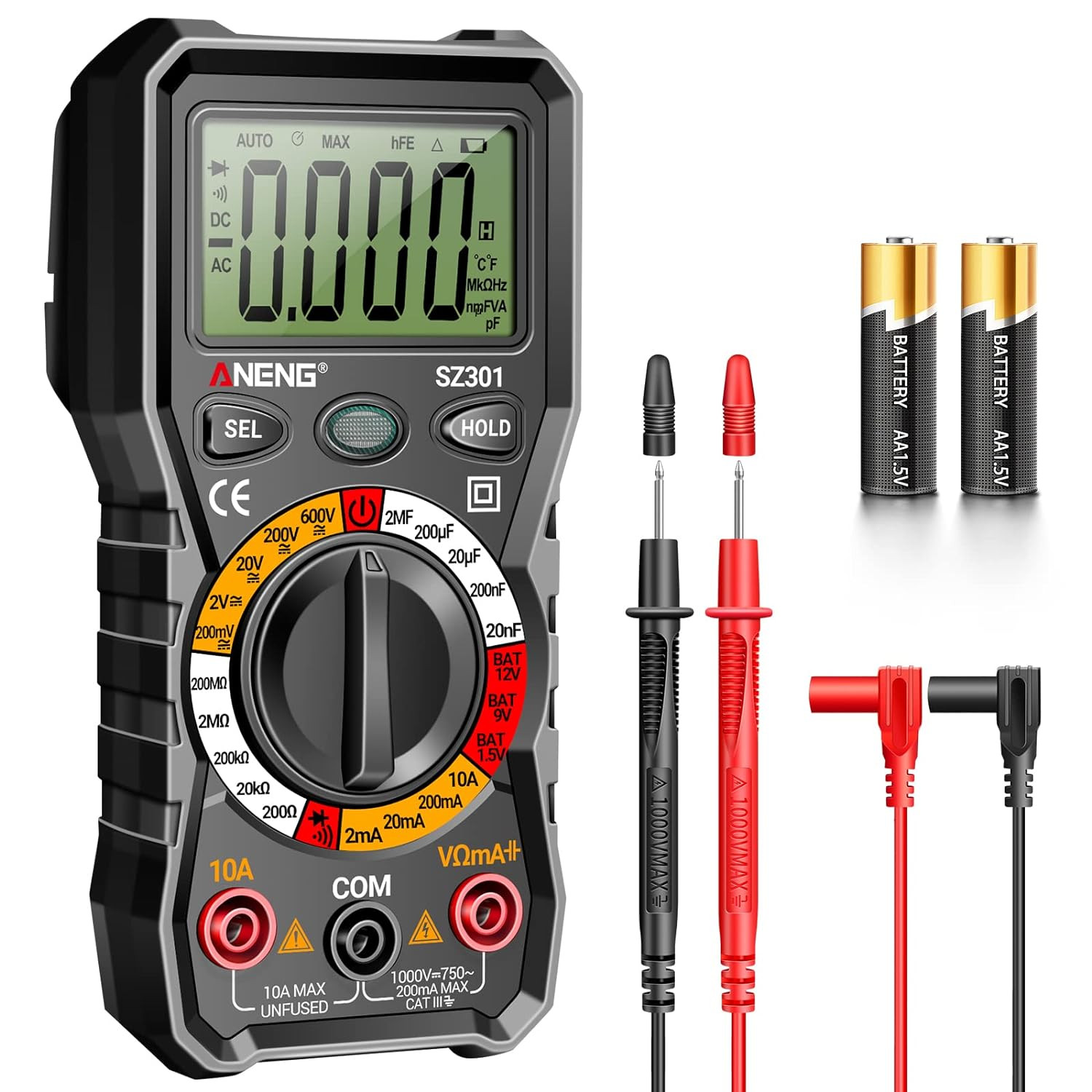 ANENG Digital Multimeter with Case,Dc AC Voltmeter,Ohm Volt Amp Meter,Measures V$15.85View on eBay
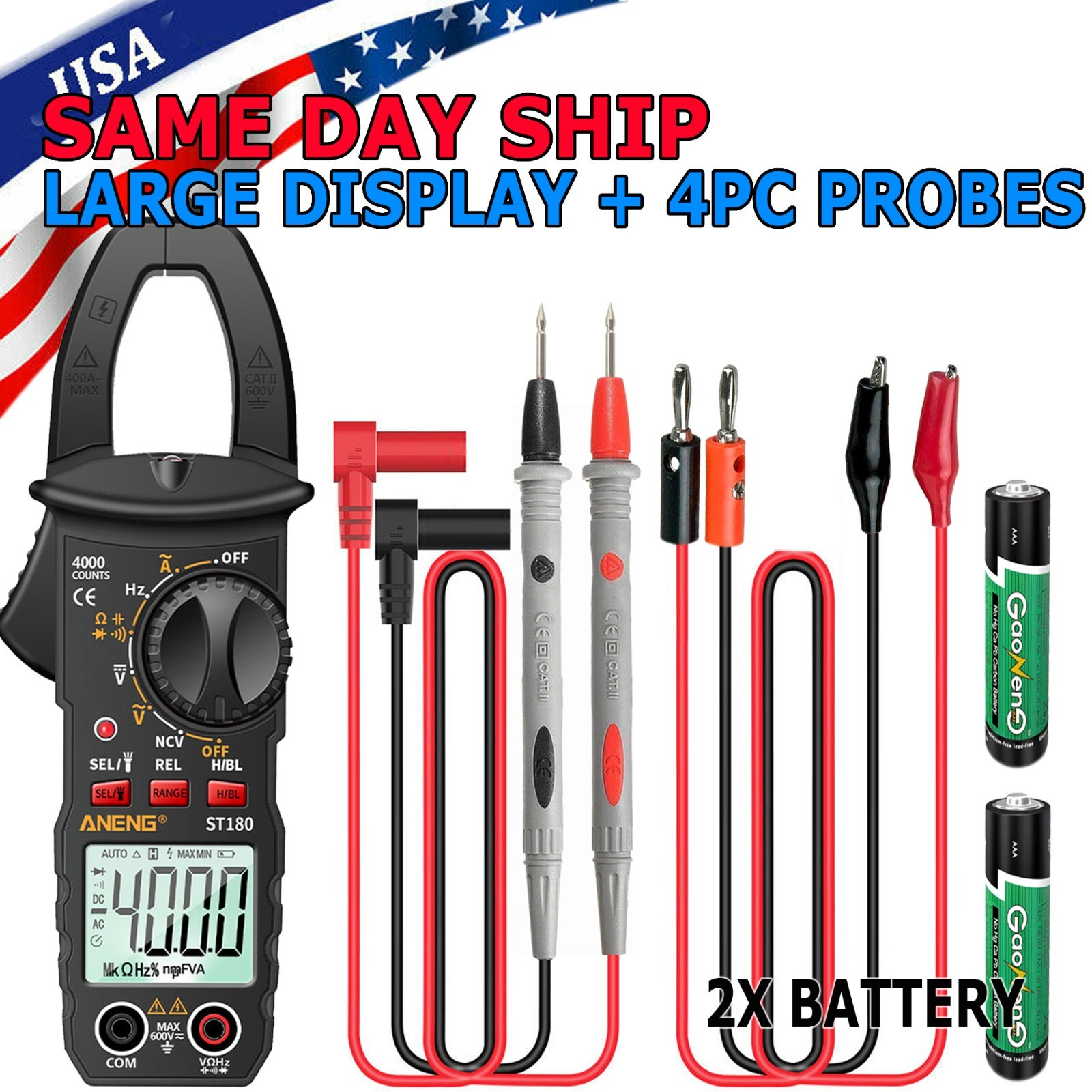 Digital Multimeter Tester AC DC Voltage RMS Amps Clamp Meter Auto Range Handheld$15.95Last checked Nov 27, 2026View on eBay
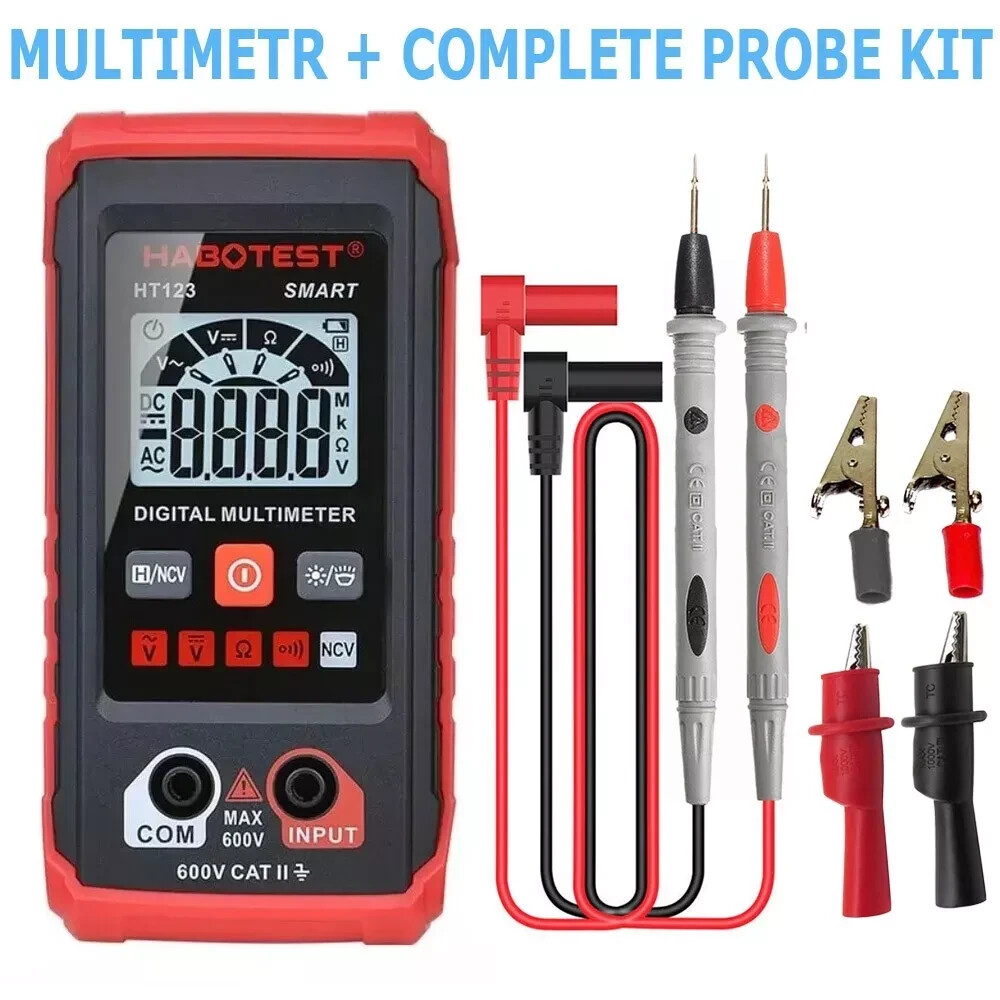 Digital Multimeter Voltmeter AC DC Volt Meter Ohmmeter Auto Range Tester w/Light$16.99View on eBay
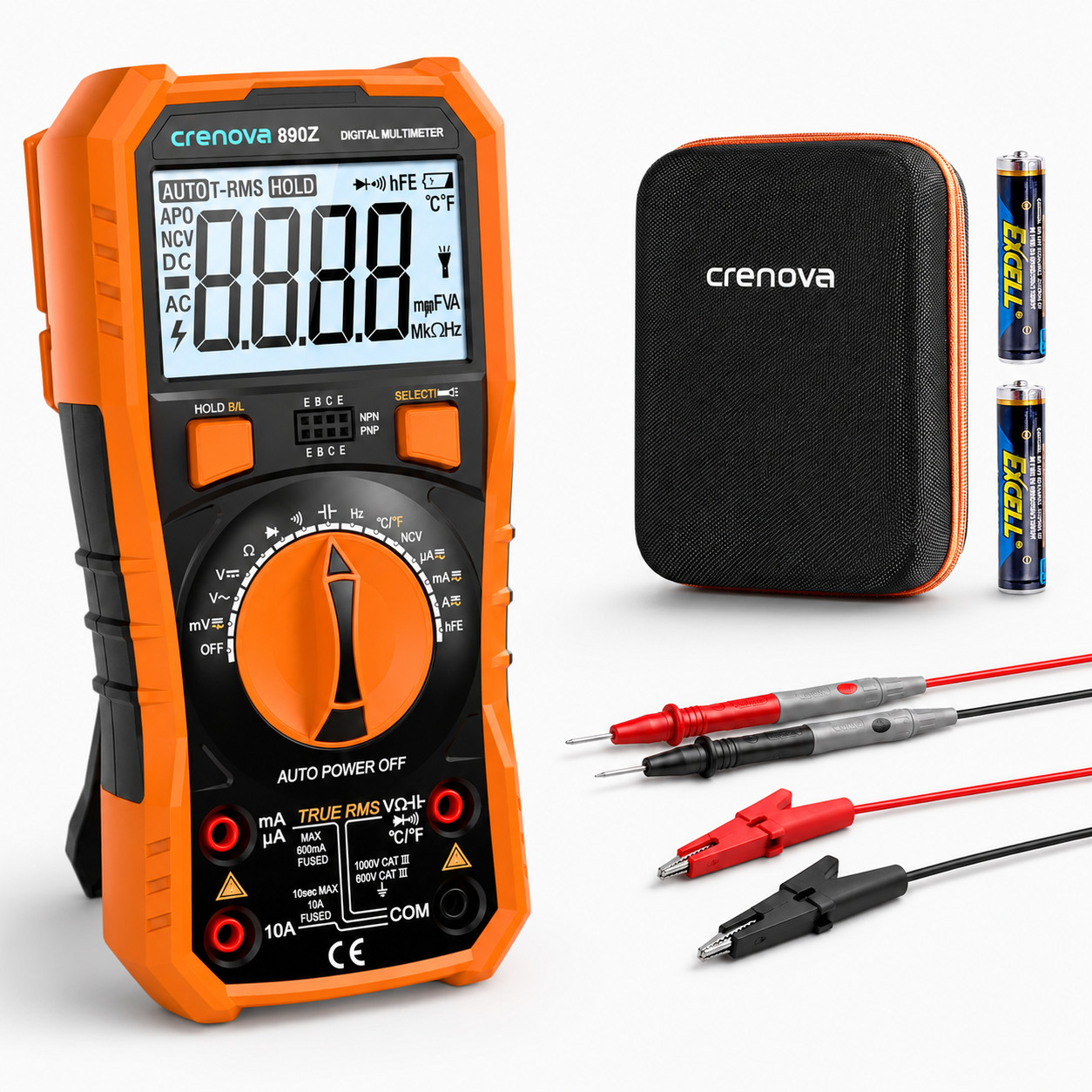 Digital Multimeter 6000 Count True RMS Auto Range NCV Temperature AC DC Tester$24.99Last checked Nov 28, 2026View on eBay
Highlights
- True RMS (AC+DC) conversion is what makes readings accurate on inverters, VFDs, and non-sinusoidal loads; averaging meters misstate distorted waveforms by 10–30%.
- CAT safety ratings are the real durability metric: CAT III 600 V minimum for panelboard/outlet work, CAT IV 600 V for service-entrance and outdoor feeders; uncategorized meters fail transient tests.
- Count resolution defines practical precision: 2000-count meters resolve 1 mV on the 2 V range, 4000-count resolves 0.1 mV, and 6000-count adds finer low-voltage and low-resistance resolution.
- Input protection and fusing matter as much as the chip: a fused 10 A terminal, HRC fuse, and PTC thermistor on the volts path prevent a single wrong-range mistake from destroying the meter or the user.
Best use cases
- Household outlet and panelboard diagnostics: pick CAT III 600 V, true RMS, 4000-count or higher, with a non-contact voltage (NCV) detector and fused 10 A range; skip CAT II-only hobby meters.
- Automotive and low-voltage DC work: a 4000-count auto-ranging meter with 10 MΩ input impedance, continuity beeper, and diode test is the right fit; skip high-voltage CAT IV units that add cost without benefit.
- Electronics bench and Arduino work: choose 6000-count resolution, 0.1 mV DC resolution, capacitance and frequency modes, and a silicone-sheathed body; skip 2000-count hardware-store specials with coarse ranges.
- HVAC and industrial field service: require true RMS, CAT III 600 V, temperature probe compatibility, and a backlit LCD; skip clamp-only units that cannot measure inline current or millivolts.
Buying tips
- Match CAT rating to the highest voltage you will actually probe: CAT III 600 V covers 120/240 V panels and outlets; CAT IV 600 V is required for service drops and outdoor feeders.
- Choose 4000-count minimum for general electrical work and 6000-count for electronics; 2000-count meters round low DC millivolts and fine resistances into uselessness.
- True RMS is not optional on modern loads: anything measuring inverter output, dimmer circuits, or VFDs needs TRMS AC+DC to avoid large reading errors.
- Check the current path: a fused 10 A terminal with a replaceable HRC fuse and a separate mA/µA jack is the safe configuration; unfused 10 A inputs are a fire risk on mains.
Specs
| Measurement Type | True RMS (AC+DC) vs Averaging |
|---|---|
| Safety Category | CAT II / CAT III 600 V / CAT IV 600 V |
| Display Counts | 2000 / 4000 / 6000-count resolution |
| Current Input | Fused 10 A + separate mA/µA jack |
Related searches
What to check before buying
- Confirm your highest working voltage and location category (CAT II indoors, CAT III panelboard, CAT IV service entrance) before selecting a safety tier.
- Verify probe and jack compatibility: standard 4 mm shrouded banana jacks accept most aftermarket leads; proprietary jacks lock you into one vendor.
- Check the current fuse type and rating—HRC ceramic fuses with the correct interrupt rating are required for mains-level current measurement.
- For bench use, confirm the meter's input impedance (10 MΩ standard) and whether it includes capacitance, frequency, diode, and continuity modes you need.
FAQ
Data sources: eBay / Amazon listings and product attribute feeds. Updated Nov 28, 2026.
Some links on this page are affiliate links. If you buy after clicking one, we may earn a commission at no extra cost to you. This does not change which products appear here or their order. Affiliate disclosure.