
Photos from current listings. Actual item, color, and included accessories may vary.
Digital Volt Meter Buying Guide
A digital volt meter (DVM) — usually sold as a handheld digital multimeter — measures AC/DC voltage plus resistance, continuity, and often current, with accuracy and safety determined by its count resolution, True-RMS capability, and CAT safety rating. The core trade-off is between low-cost 3.5-digit manual-ranging meters with limited input protection and auto-ranging True-RMS meters rated for CAT III/IV work. Buy a True-RMS, auto-ranging meter with a genuine CAT III rating for anything near mains or panels; treat basic 2000-count manual meters as battery-and-outlet checkers only.
Median $12.97
Key takeaways
- Display count defines resolution: 2000-count (3.5 digit) resolves 1 mV on the 2 V range; 4000/6000-count meters resolve 0.1 mV and hold accuracy across wider ranges.
- True-RMS (TRMS) conversion is required for accurate readings on non-sinusoidal loads like dimmers, VFDs, and switch-mode supplies; averaging meters misread these by several percent.
- CAT safety rating (CAT II/III/IV) plus voltage and transient rating determines whether the meter is safe on outlets (CAT II), distribution panels (CAT III), or service entrances (CAT IV).
At a glance
- Category
- Multimeters & Electrical Testers
- Last updated
- Nov 28, 2026
Current offers
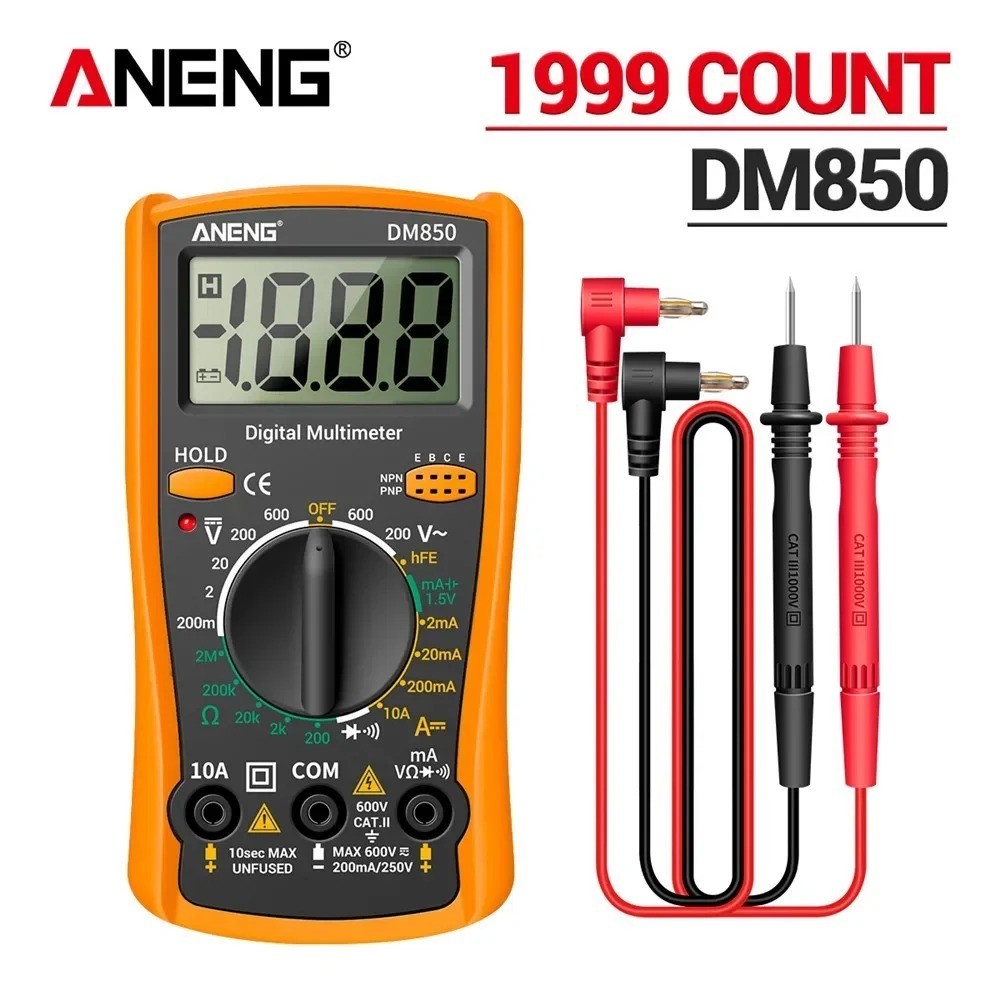 DM850 Digital Multimeter Voltmeter Ammeter Ohmmeter AC DC Tester Leads Meter$6.99View on eBay
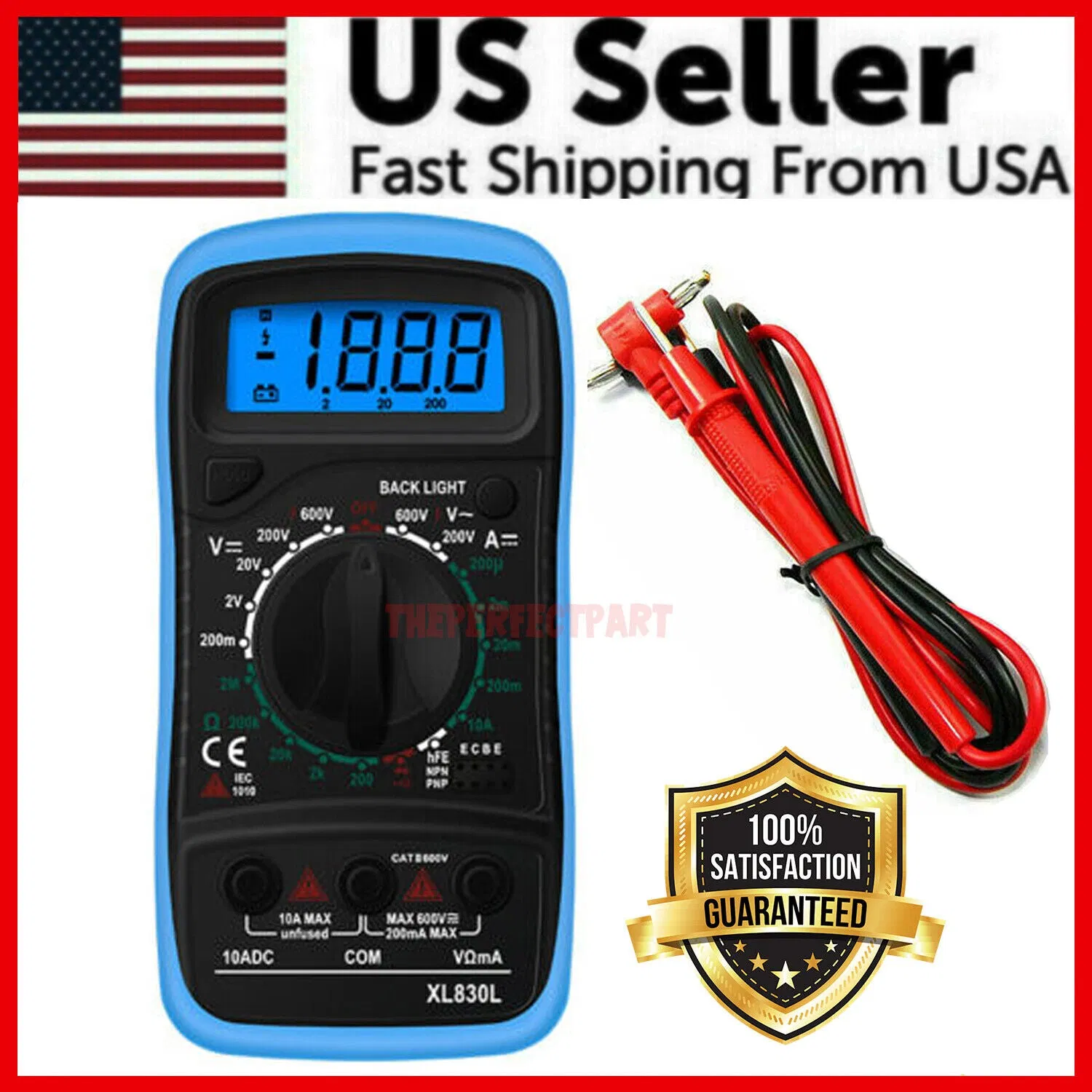 Digital Multimeter AC DC Voltmeter Ammeter Ohmmeter Volt Tester Meter XL830L USA$20.99View on Mallflare
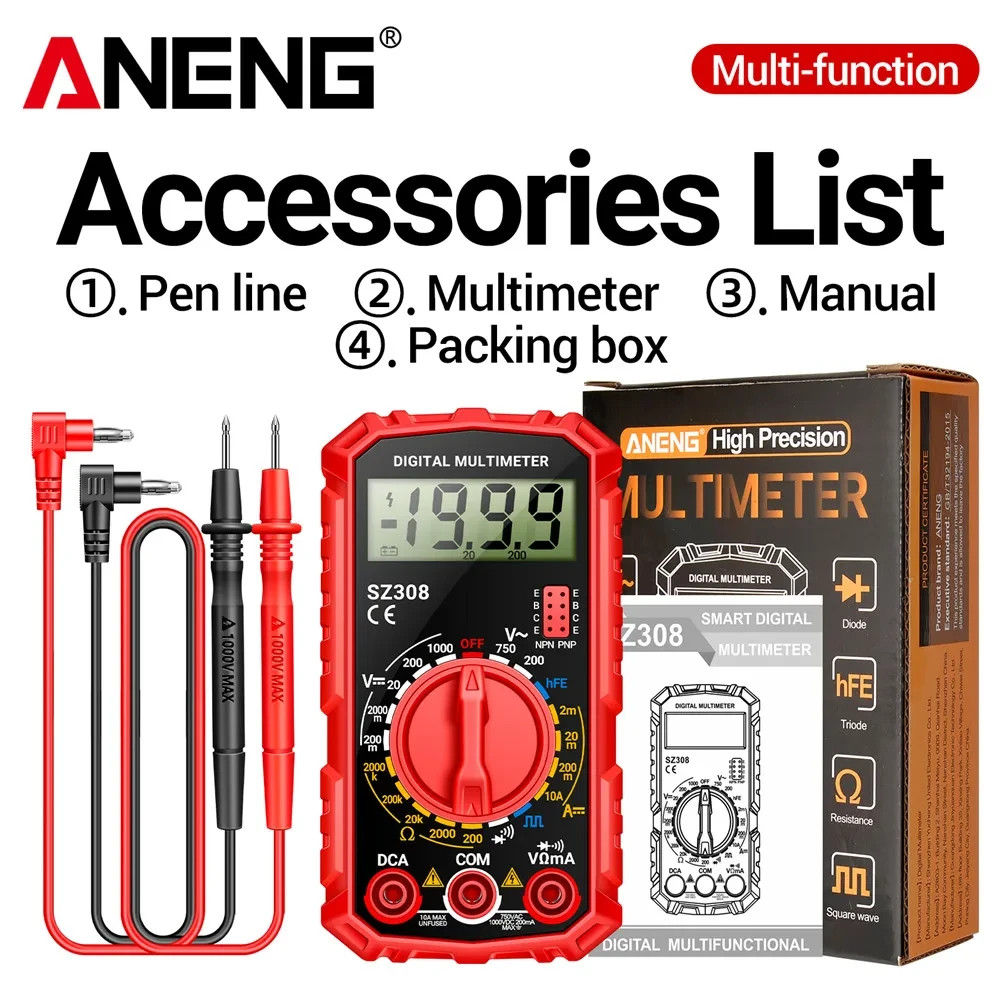 Digital Multimeter LCD Voltmeter Ammeter Ohmmeter Volt AC DC Tester Leads Meter$6.99View on eBay
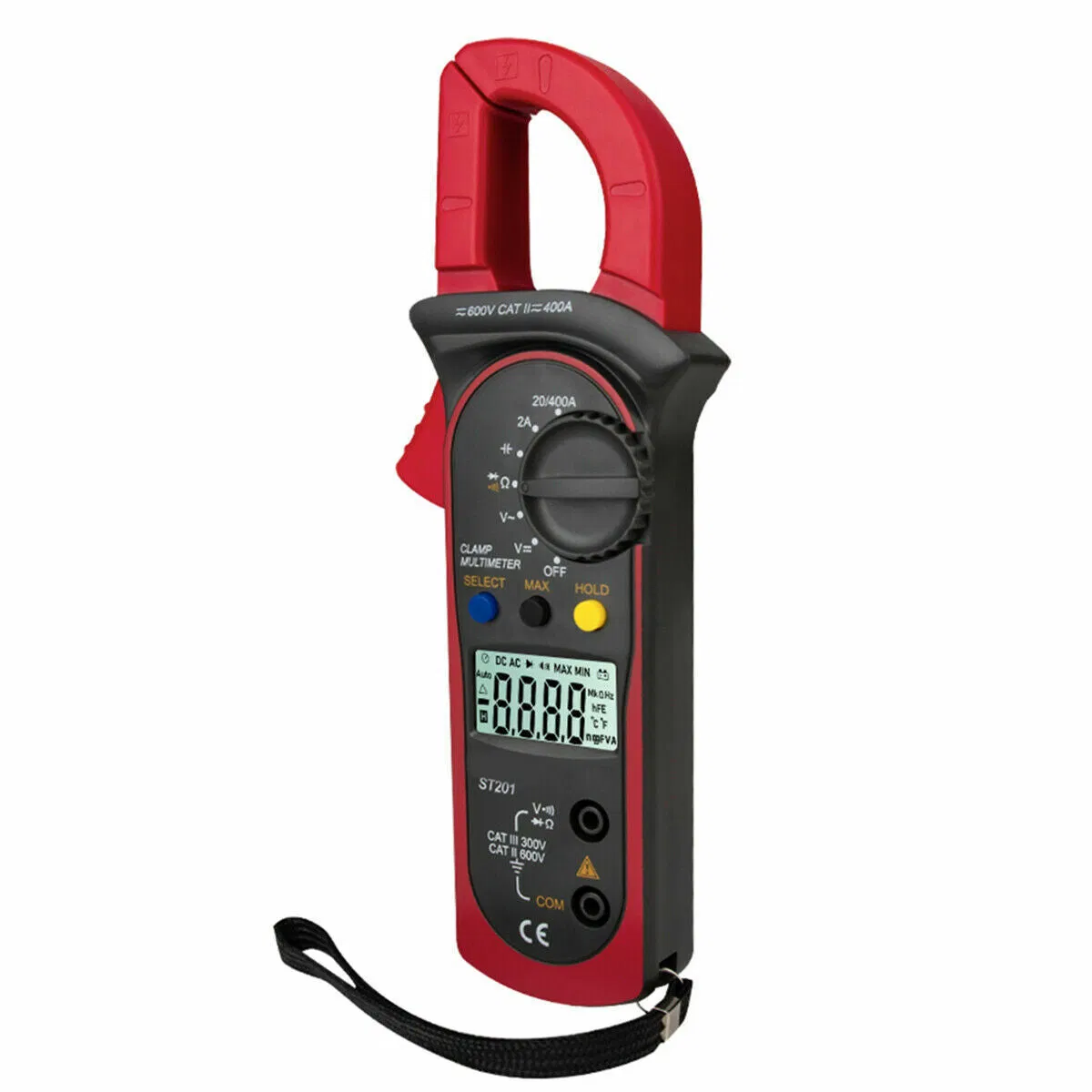 Digital Multimeter Tester AC DC Volt Ohm Amp Clamp Meter Auto Range LCD Handheld$29.99View on Mallflare
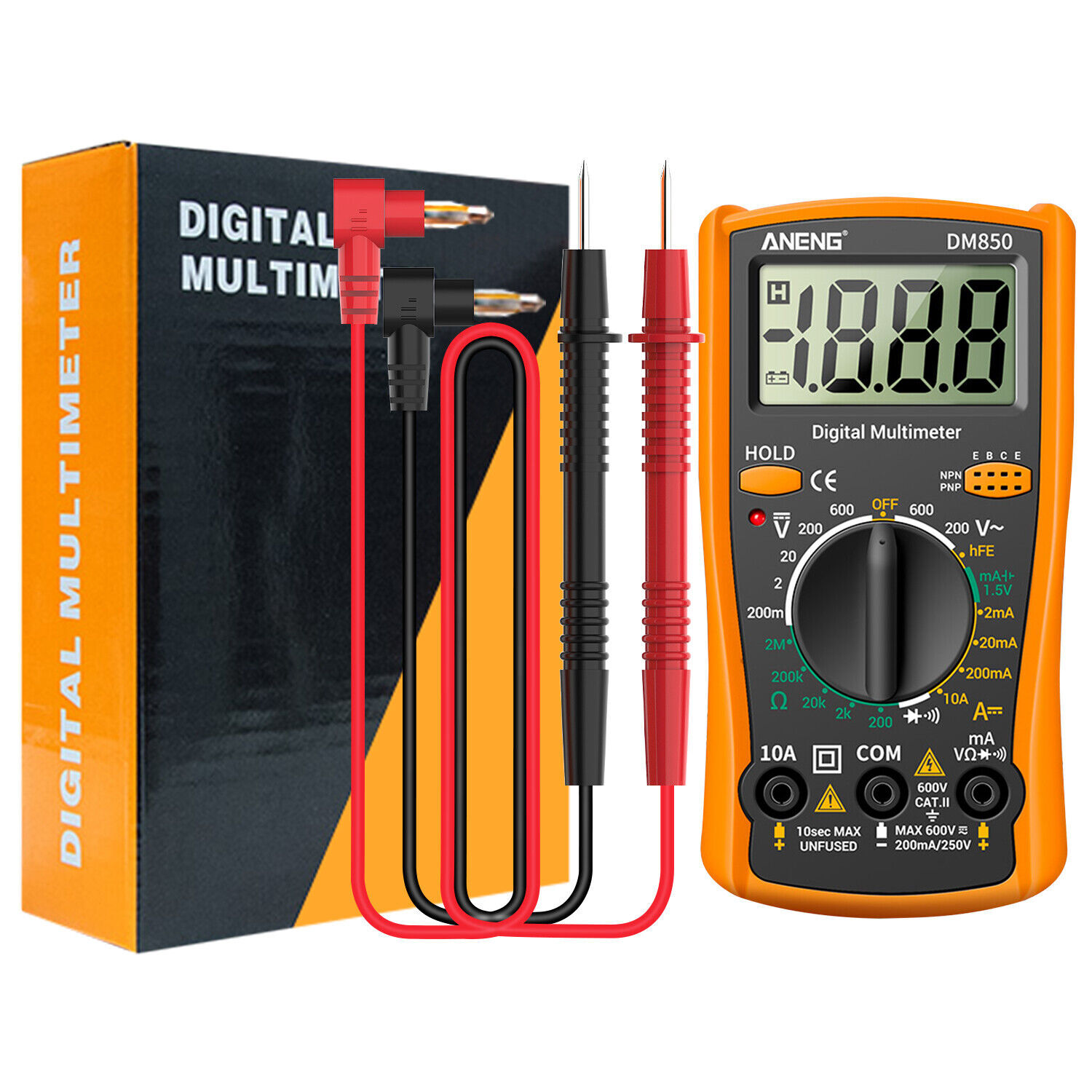 LCD Digital Multimeter Voltmeter Ammeter Ohmmeter Volt AC DC Tester Lead Meter$6.99View on eBay
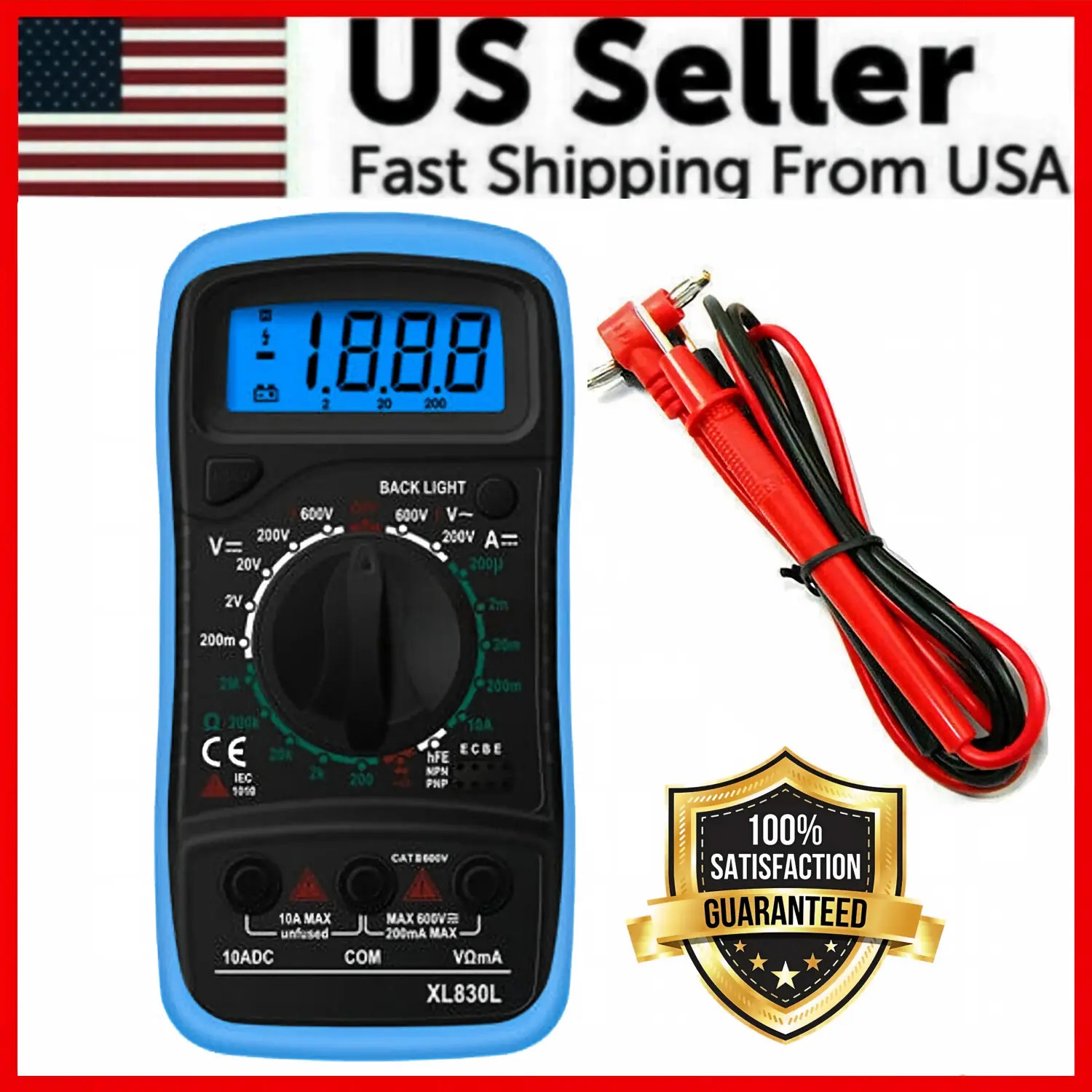 Digital Multimeter AC DC Voltmeter Ammeter Ohmmeter Volt Tester Meter XL830L USA$7.89View on eBay
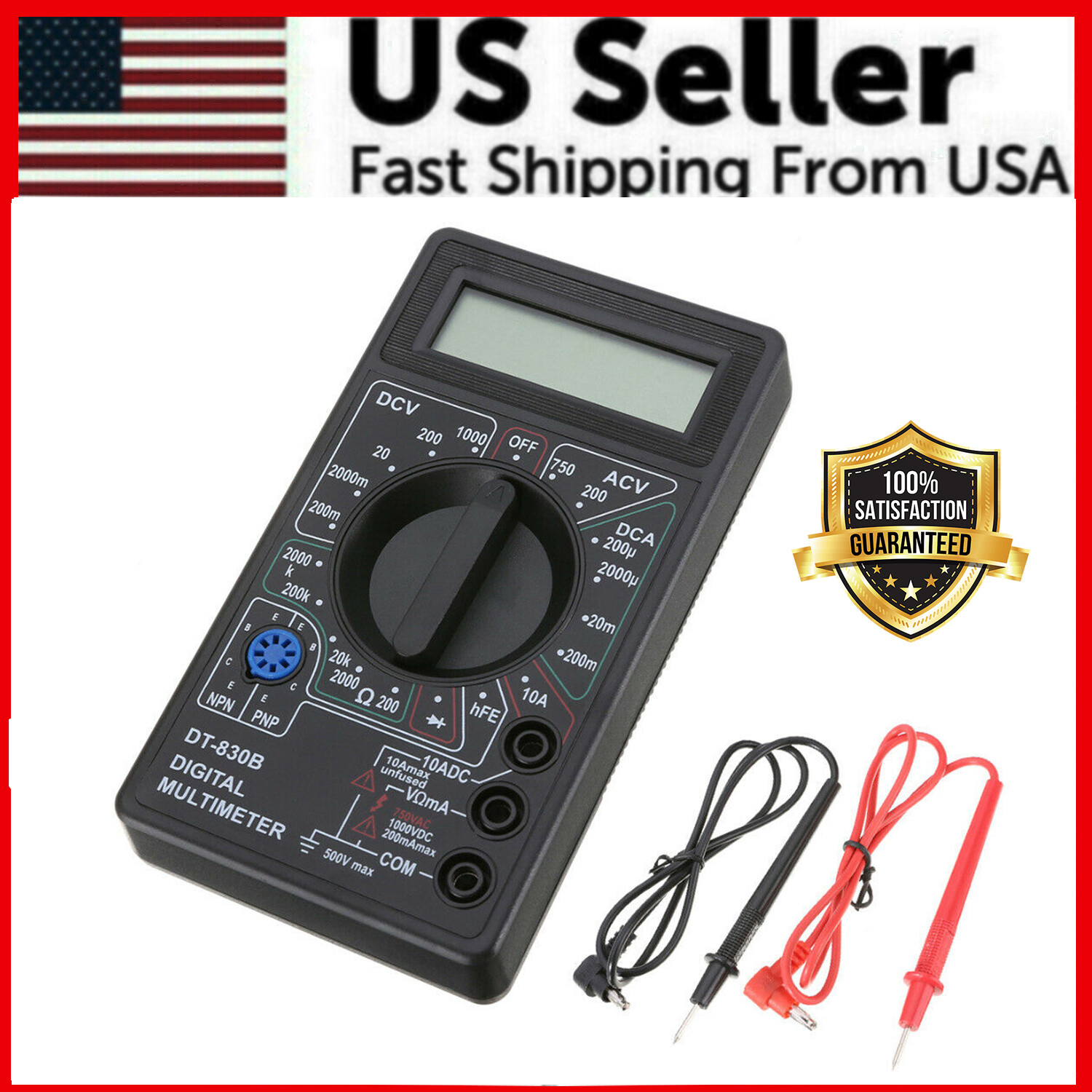 7 Fn Digital Multimeter AC DC Voltage Volt 10 Amp Current Resistance Ohm Meter$8.95View on eBay
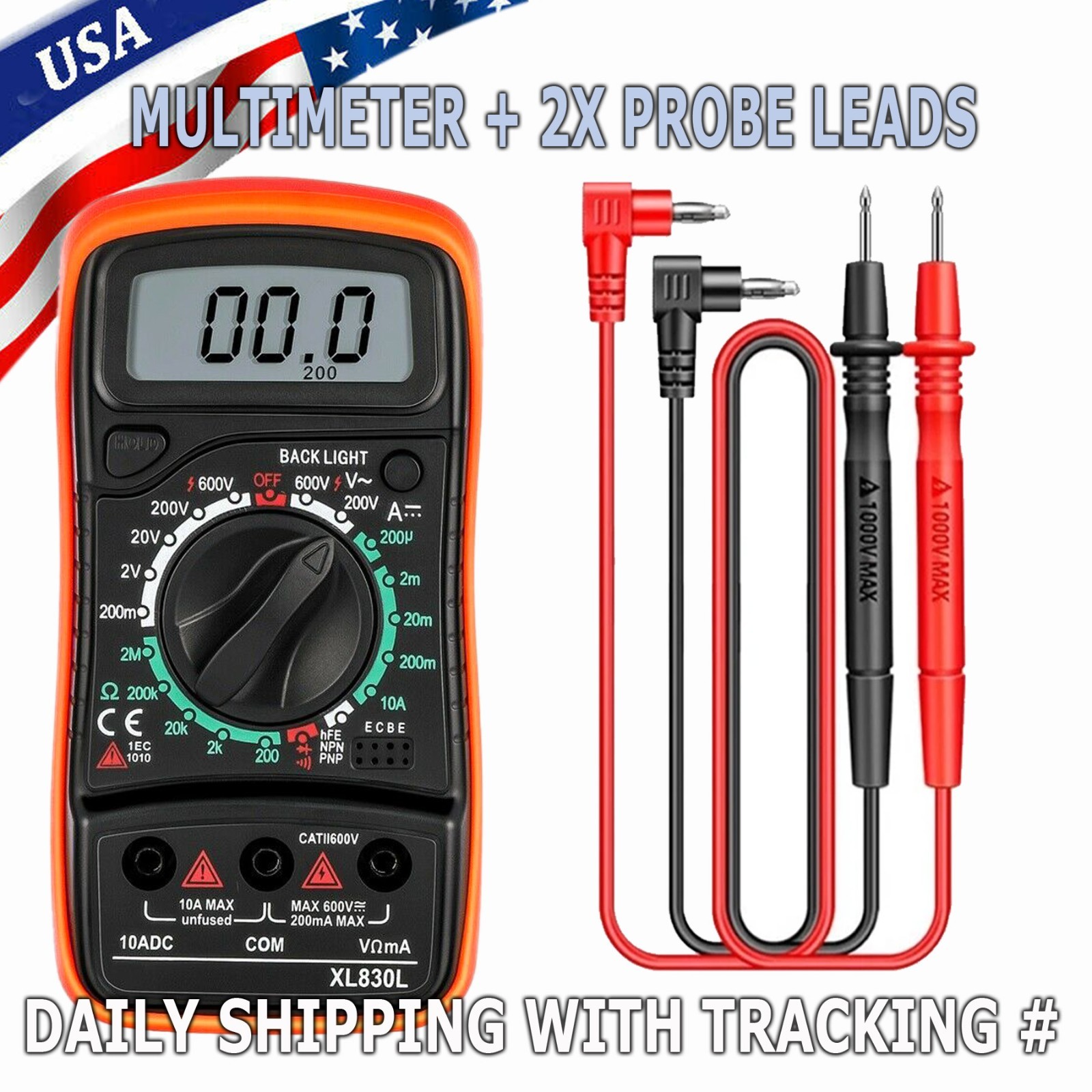 Digital Multimeter LCD Voltmeter Ammeter Ohmmeter Volt AC DC Tester Lead Meter$8.95View on eBay
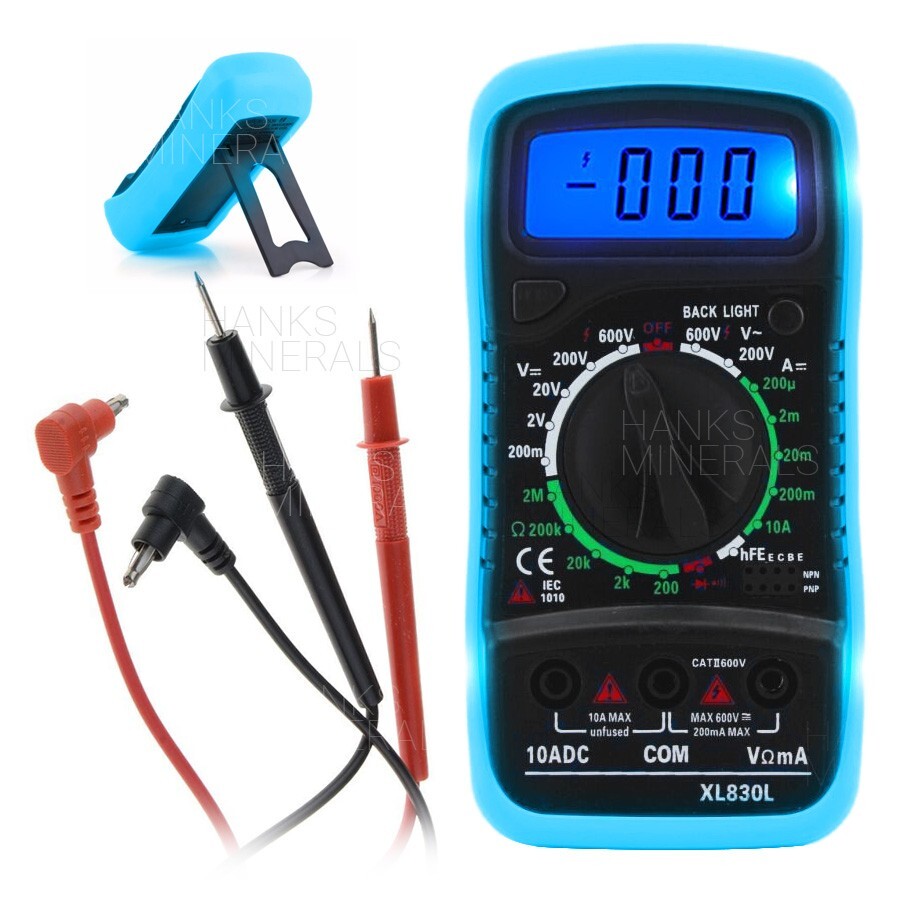 Digital Multimeter Voltmeter XL830L AC DC Ammeter Ohmmeter Volt Meter Tester Ohm$8.98Last checked Nov 27, 2026View on eBay
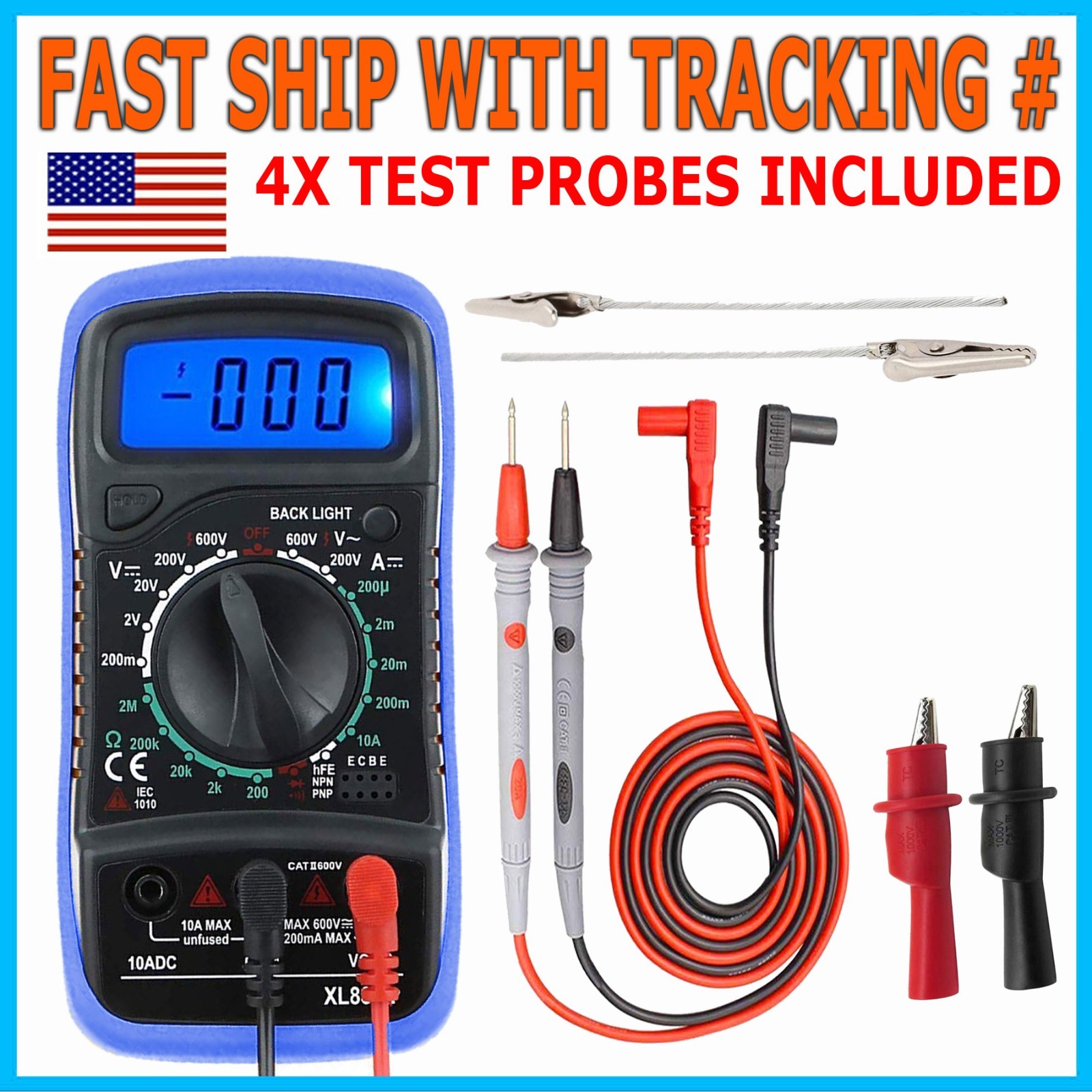 Digital Multimeter AC DC Voltmeter Ammeter Ohmmeter Volt Tester Meter WITH BAT$10.95Last checked Nov 27, 2026View on eBay
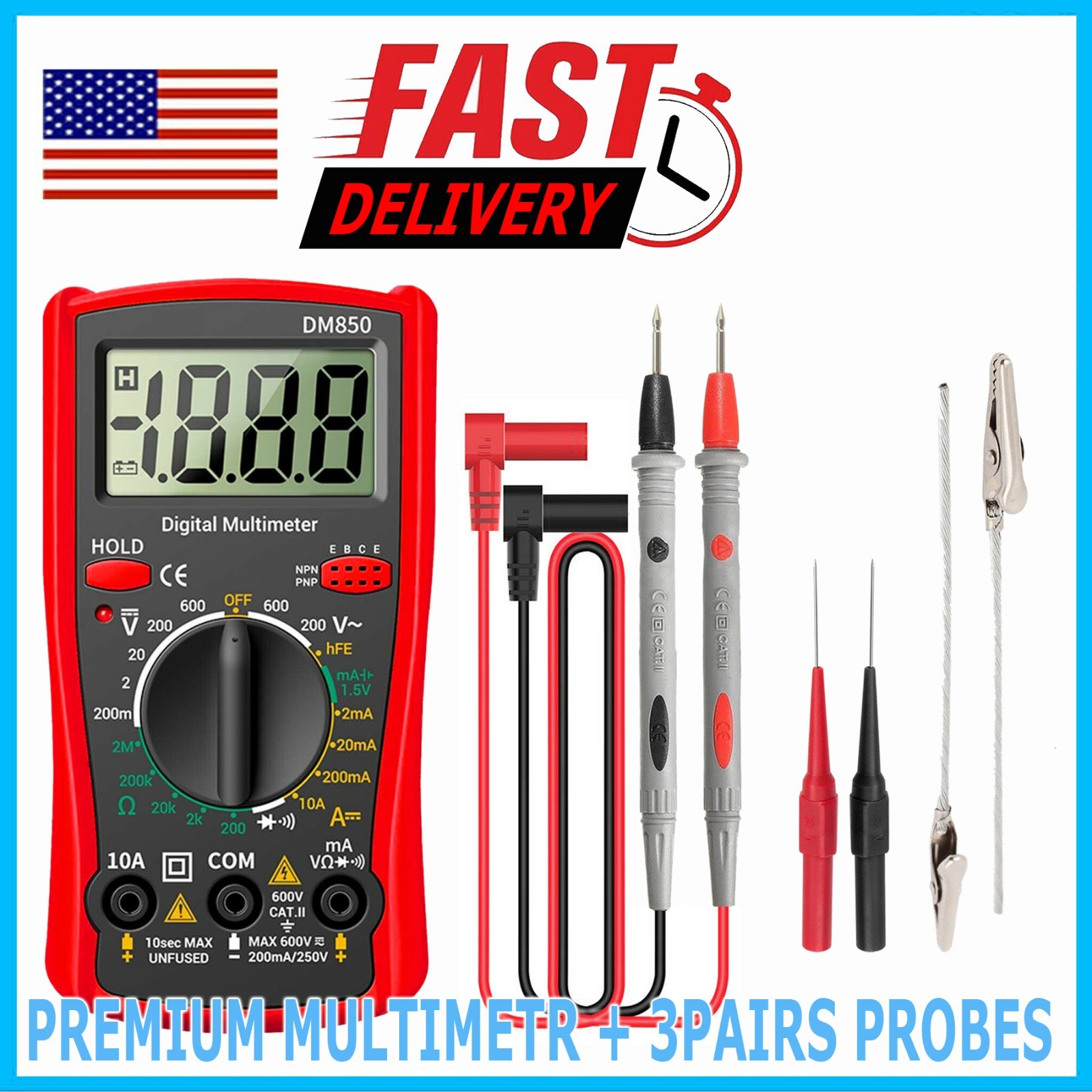 Digital Multimeter Voltmeter DM850 AC DC Ammeter Ohmmeter Volt Meter Tester Ohms$12.95View on eBay
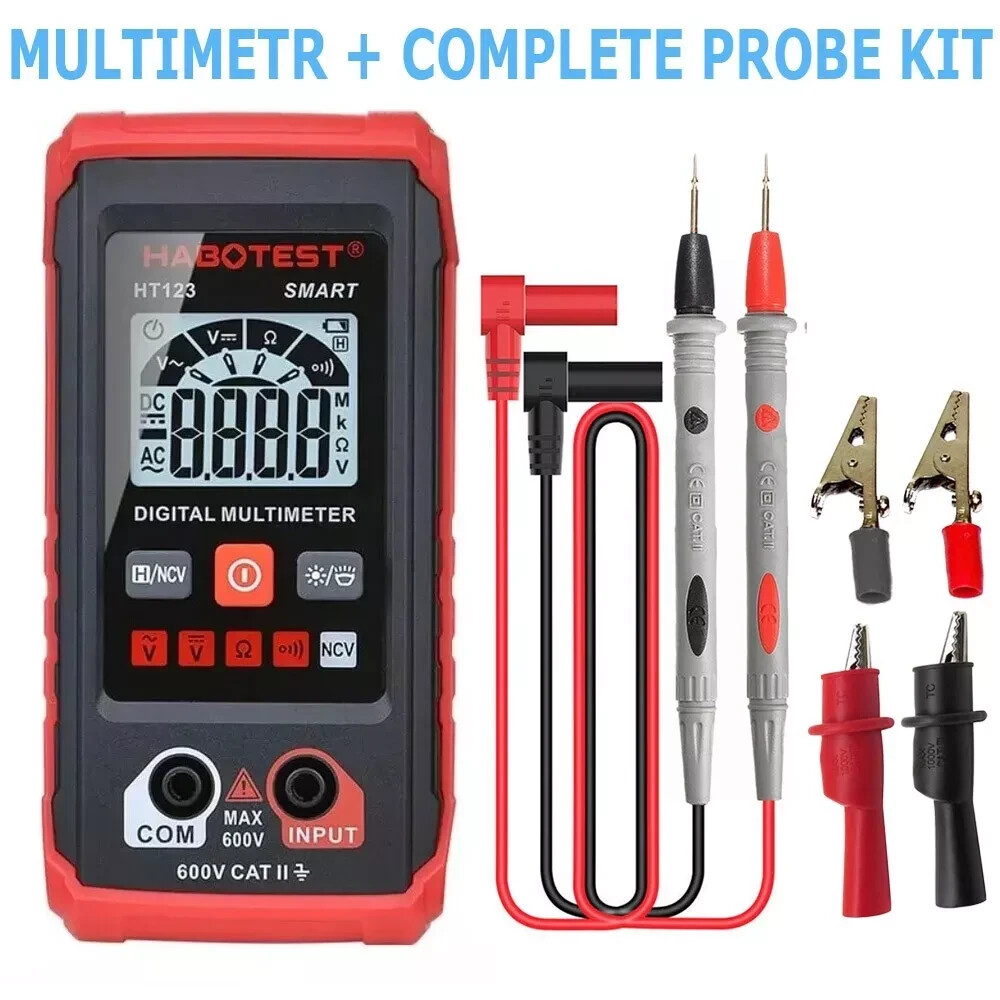
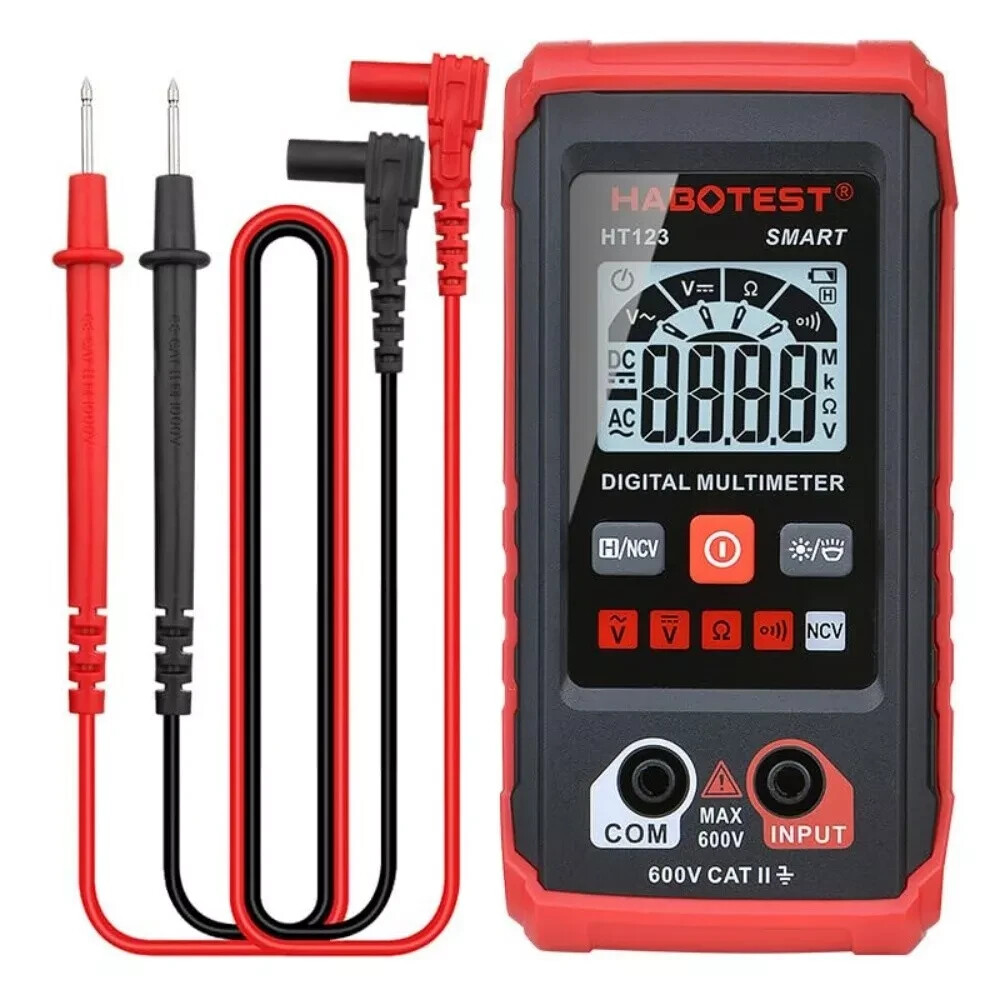 HT123 Digital Multimeter Smart Voltmeter Ohmmeter AC DC Meter Tester - US$12.99View on eBay
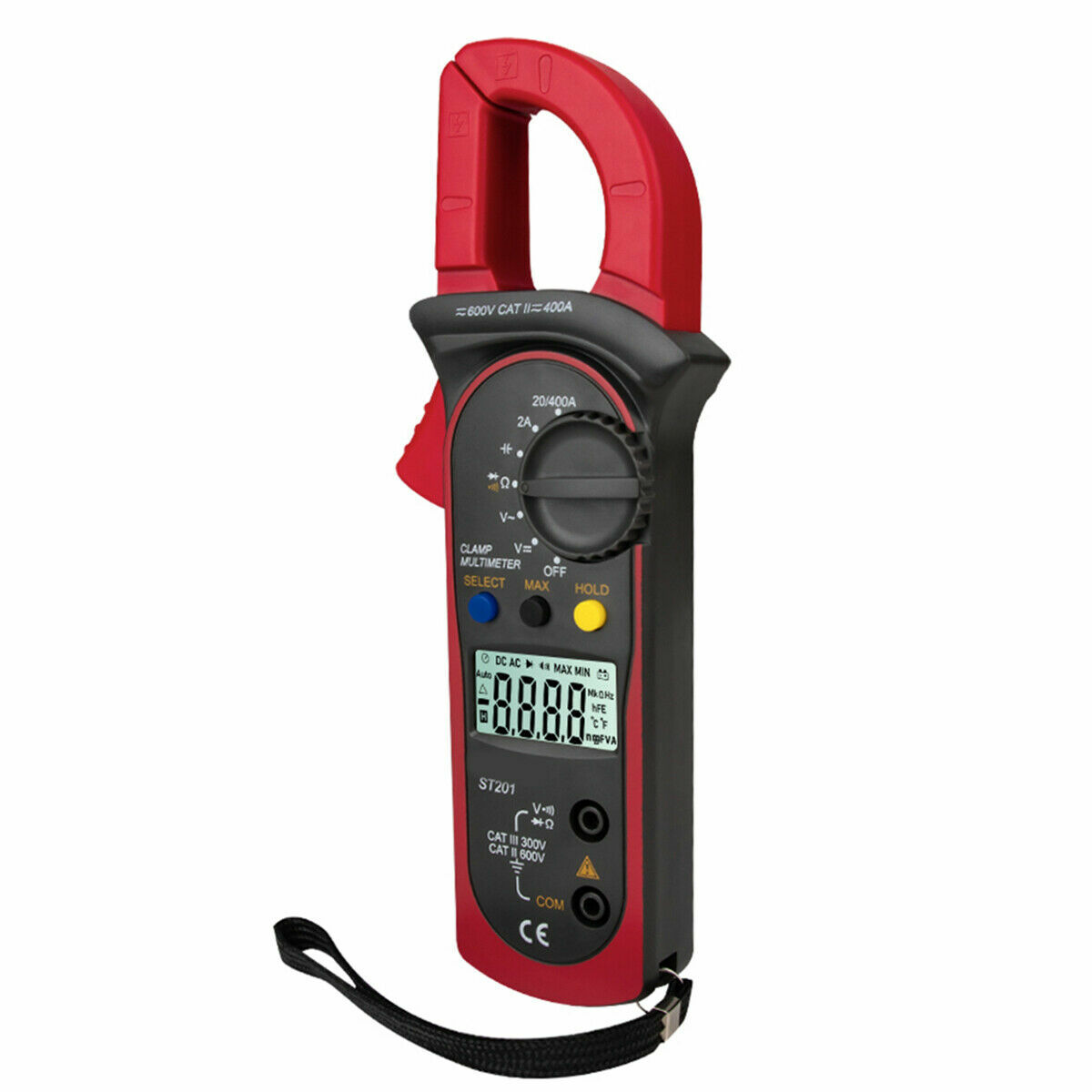 Digital Multimeter Tester AC DC Volt Ohm Amp Clamp Meter Auto Range LCD Handheld$13.87View on eBay
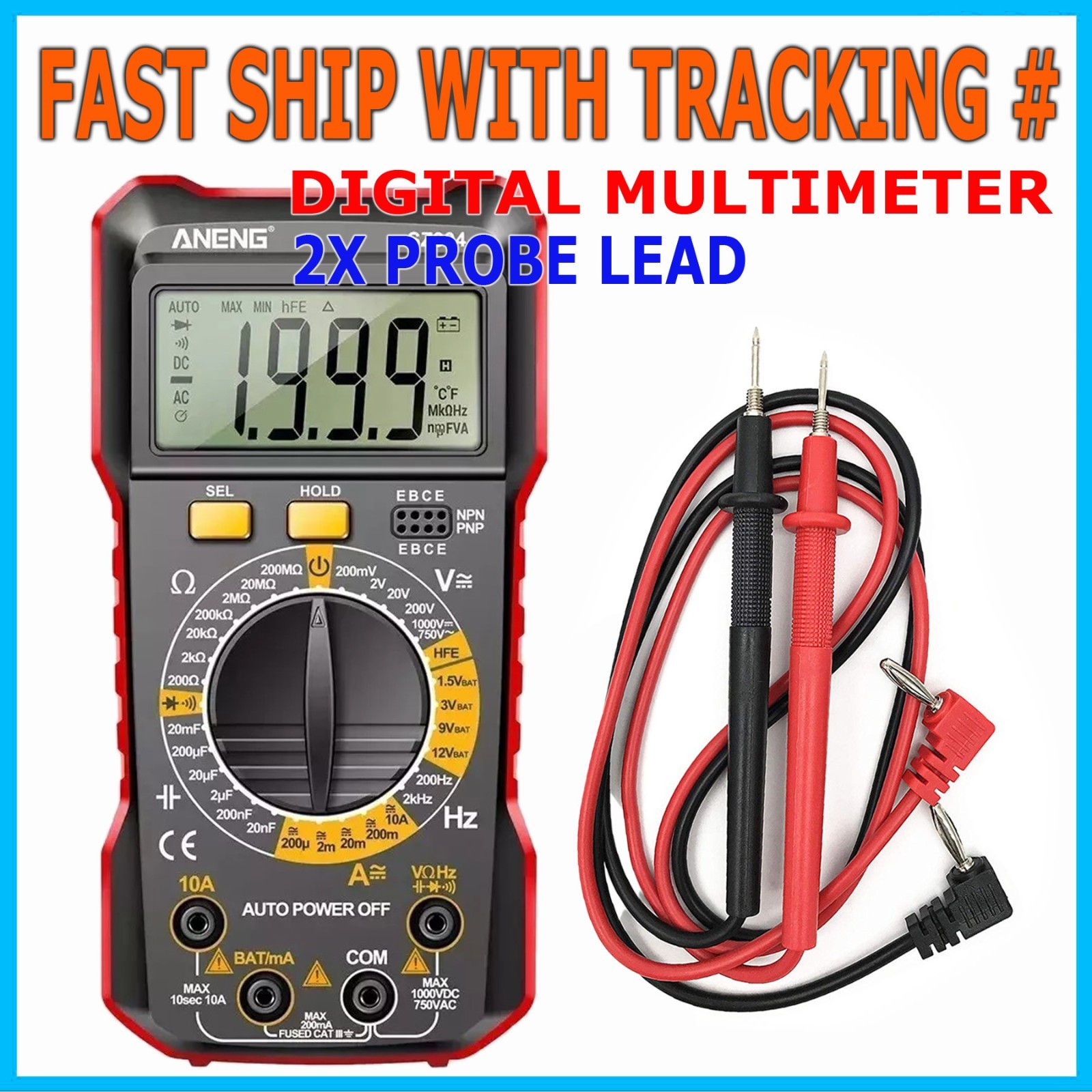 Digital Multimeter LCD Voltmeter Ammeter Ohmmeter Volt AC DC Tester Leads Meters$13.95Last checked Nov 27, 2026View on eBay
 Digital Multimeter Voltmeter AC DC Volt Meter Ohmmeter Auto Range Tester w/Light$16.99View on eBay
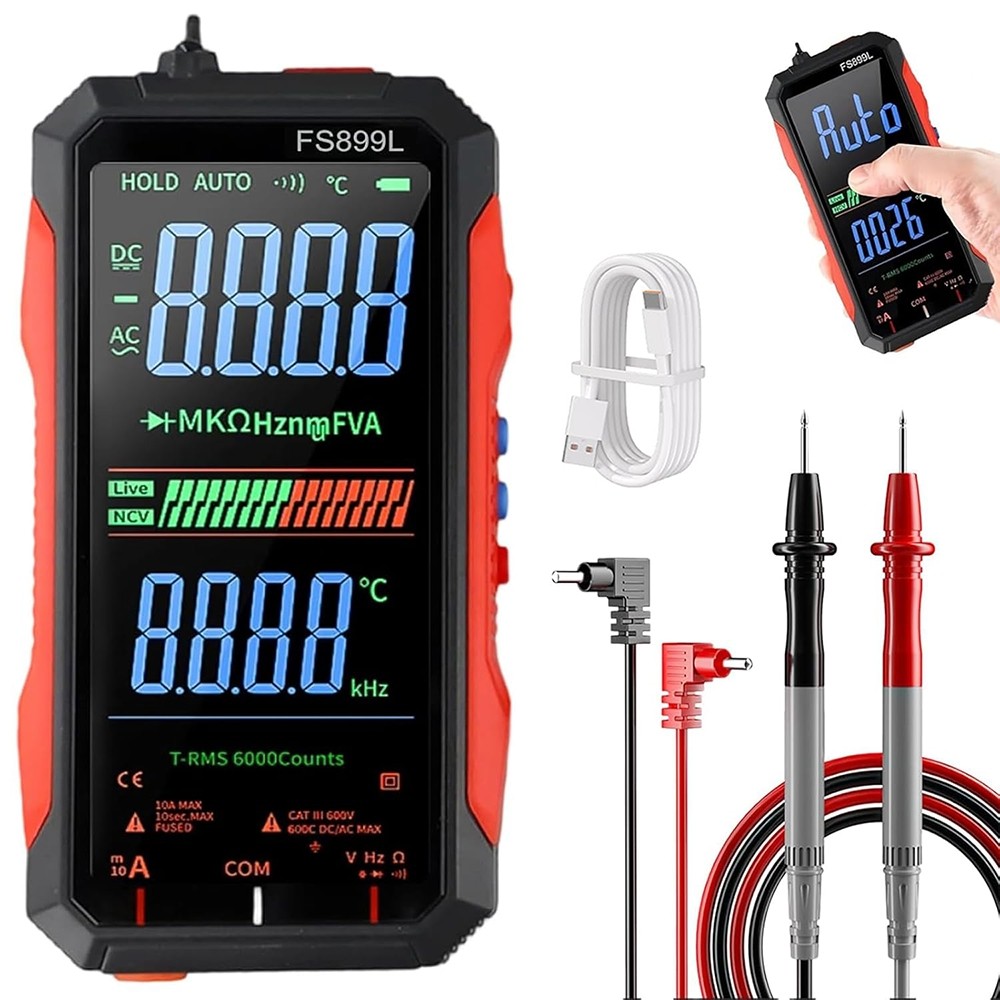 6000 Counts Digital Multimeter Tester Auto-Ranging TRMS Voltmeter Colour Display$28.59Last checked Nov 27, 2026View on eBay
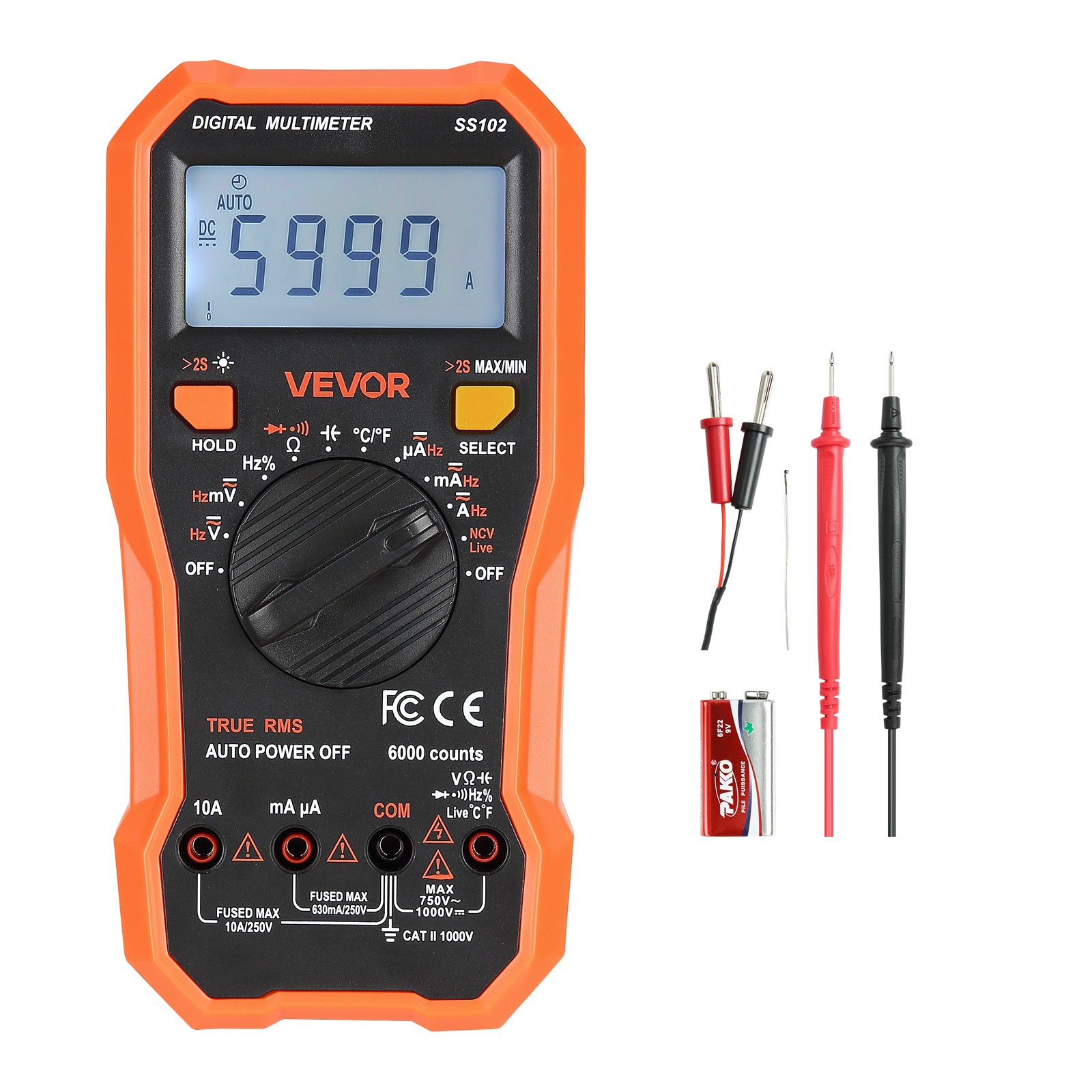 VEVOR Digital Multimeter 6000-Count TRMS Voltmeter Current Tester NCV Multimeter$29.90View on eBay
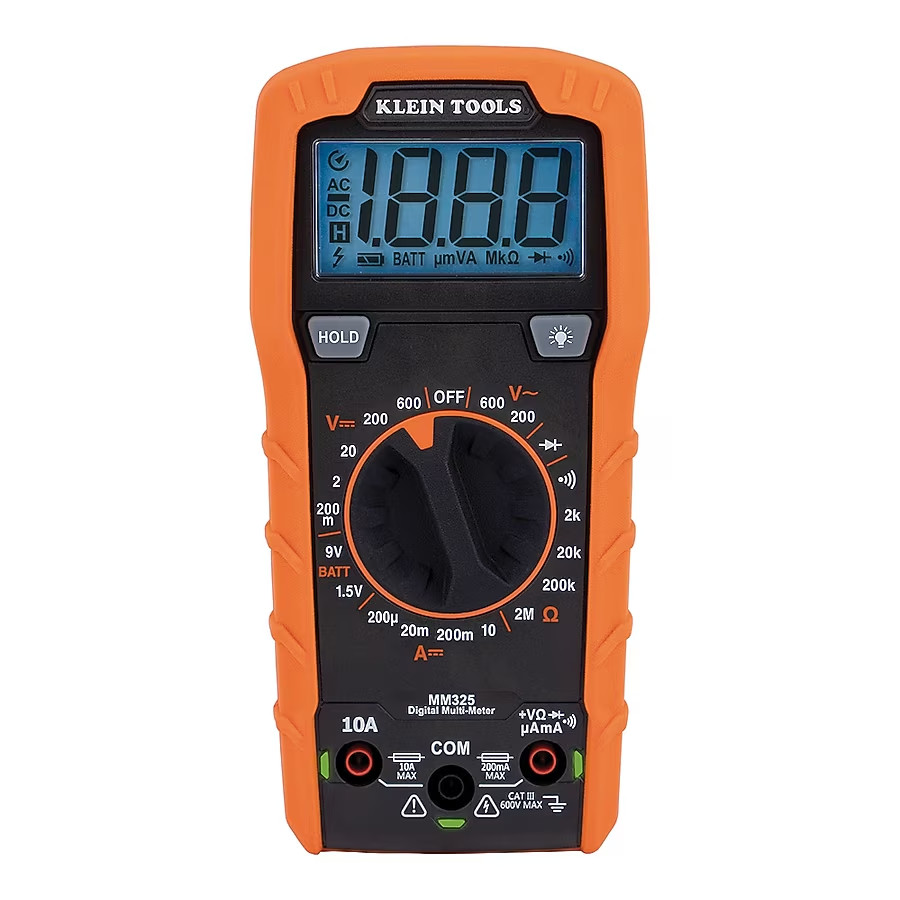 Klein Tools Digital Multimeter Manual Ranging 600V Electrical Tester Voltmeter$34.99View on eBay
Highlights
- Display count defines resolution: 2000-count (3.5 digit) resolves 1 mV on the 2 V range; 4000/6000-count meters resolve 0.1 mV and hold accuracy across wider ranges.
- True-RMS (TRMS) conversion is required for accurate readings on non-sinusoidal loads like dimmers, VFDs, and switch-mode supplies; averaging meters misread these by several percent.
- CAT safety rating (CAT II/III/IV) plus voltage and transient rating determines whether the meter is safe on outlets (CAT II), distribution panels (CAT III), or service entrances (CAT IV).
- Auto-ranging with manual override and a 10 A current input with separate fused jack are the practical tier markers between hobby meters and electrician-grade units.
Best use cases
- Best fit: homeowner checking outlets, batteries, and continuity — pick a 2000-count auto-ranging meter with CAT II 600 V rating and fused 10 A input; skip True-RMS and high-count displays.
- Best fit: electrician or HVAC tech working panels and motors — pick a True-RMS 4000–6000-count meter rated CAT III 600 V or higher with auto-ranging and a clamp accessory; skip 3.5-digit manual meters.
- Best fit: electronics bench work — pick a high-resolution (4000+ count) meter with low-voltage ranges, capacitance, and diode test; skip CAT IV industrial meters and clamp-only designs that lack millivolt resolution.
- Wrong fit: using any basic CAT II meter inside a distribution panel or on service entrance wiring — the transient protection is insufficient and the meter can arc flash.
Buying tips
- Match CAT rating to location: CAT II for plug-in appliances and outlets, CAT III for distribution panels and fixed wiring, CAT IV for service entrance and outdoor feeders.
- Choose True-RMS if you measure dimmers, variable-frequency drives, inverters, or anything with a switching supply; averaging meters drift on these waveforms.
- Prioritize 4000-count or higher when you need millivolt or 0.01 Ω resolution; 2000-count meters bottom out at 1 mV and 0.1 Ω.
- Confirm the 10 A input is separately fused and the meter ships with silicone-insulated test leads rated to the meter's CAT level; standard PVC leads underrate the meter.
Specs
| Display Count | 2000-count vs 4000/6000-count |
|---|---|
| Measurement Type | True-RMS vs averaging |
| Safety Rating | CAT II / CAT III / CAT IV 600V |
| Ranging Mode | Auto-ranging vs manual |
Related searches
What to check before buying
- Verify the meter's CAT rating and voltage (e.g., CAT III 600 V) meets or exceeds the highest-energy circuit you will probe.
- Check that test leads are rated to the same CAT level and voltage as the meter — mismatched leads void the safety rating.
- Confirm the current input jack is fused and that the fuse type is commonly available, so a blown fuse does not retire the meter.
- Ensure the display count and DC accuracy spec (e.g., ±0.5% + 2 digits) suit your measurement — low-count meters cannot resolve battery or sensor millivolts reliably.
FAQ
Data sources: eBay / Amazon listings and product attribute feeds. Updated Nov 28, 2026.
Some links on this page are affiliate links. If you buy after clicking one, we may earn a commission at no extra cost to you. This does not change which products appear here or their order. Affiliate disclosure.